

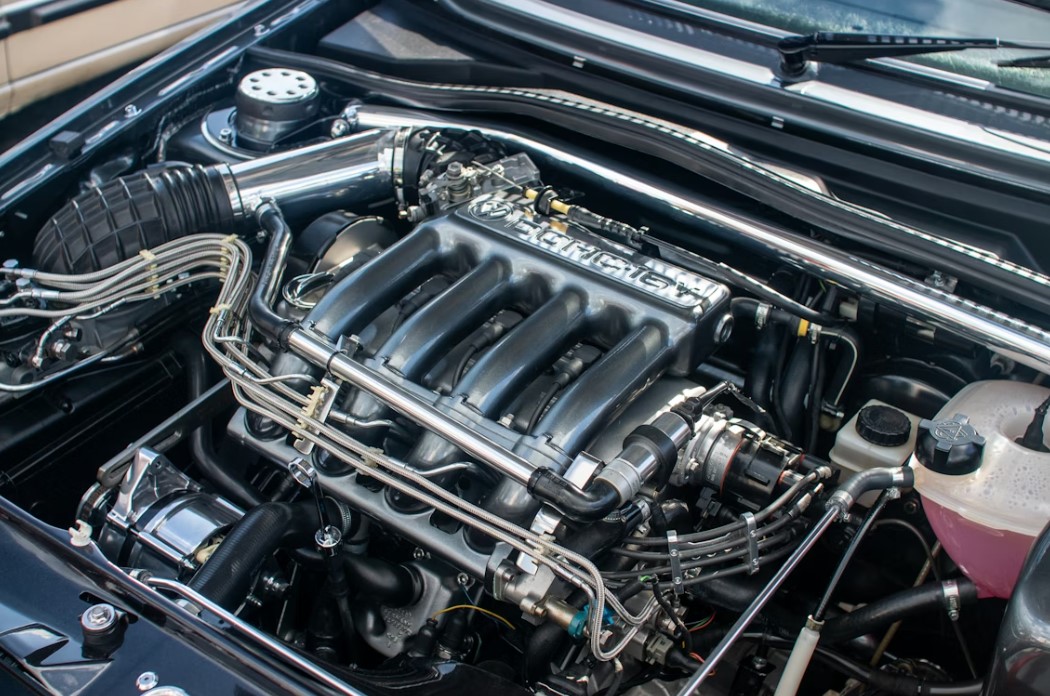
Tuning your car engine is one of the most effective ways to improve the performance and longevity of your vehicle. Whether you’re looking to enhance horsepower, fuel efficiency, or the overall driving experience, engine tuning can make a significant difference. In this guide, we will walk you through how to tune a car engine for performance, highlighting key techniques, tips, and tools you need to get the job done.
What is Car Engine Tuning?
Car engine tuning refers to the process of adjusting and optimizing various components of your car’s engine to improve performance. The aim is to tweak the engine’s settings to better meet the needs of the driver, which could include more power, better fuel efficiency, or smoother operation.
While tuning can be done manually, modern cars often come with ECU (Engine Control Unit) remapping options that allow you to adjust settings digitally. Tuning can involve several aspects, such as adjusting the air-fuel mixture, improving ignition timing, or upgrading engine components to better suit specific driving styles or needs.
How to Tune a Car Engine for Performance
If you’re wondering how to tune a car engine for performance, there are a number of approaches and adjustments that can be made to ensure your vehicle operates at its best. Here’s a step-by-step breakdown of the most common ways to tune a car engine for improved performance.
Also Read: Escapamento RD: The Exhaust System That Defines the Yamaha RD Legacy
1. Upgrade the Air Intake System
One of the first steps in tuning a car engine for better performance is improving the air intake system. The engine needs a steady flow of clean air to operate efficiently, and increasing the volume of air can directly influence engine performance. Aftermarket cold air intakes, for example, provide cooler, denser air which can improve fuel combustion, resulting in more power and efficiency.
Key benefits of upgrading the air intake system:
- Improved airflow
- Increased engine responsiveness
- Enhanced throttle response
2. Install a Performance Exhaust System
After upgrading the intake, consider installing a performance exhaust system. The exhaust system plays a vital role in how quickly gases are expelled from the engine, and a high-performance exhaust allows for better airflow, reducing backpressure and boosting power.
Key benefits of a performance exhaust system:
- More horsepower
- Better engine efficiency
- Improved sound and aesthetics
3. Optimize the ECU (Engine Control Unit)
For modern vehicles, the Engine Control Unit (ECU) is the brain of your car’s engine. Tuning the ECU involves remapping or reprogramming the software that controls the engine’s functions, allowing you to adjust settings like fuel delivery, ignition timing, and turbo boost (for turbocharged engines). Remapping the ECU is one of the most effective ways to unlock hidden performance potential in your vehicle.
Key benefits of ECU remapping:
- Improved power and torque
- Enhanced fuel efficiency
- More responsive acceleration
4. Adjust the Timing and Fuel Mixture
The ignition timing and fuel mixture are critical factors in how well an engine performs. By adjusting the timing of the spark plug firing and the air-fuel mixture, you can optimize the combustion process, leading to better engine performance. In some cases, a richer fuel mixture can be used to produce more power, especially in turbocharged or modified engines.
Key benefits of adjusting timing and fuel mixture:
- Better acceleration
- Increased horsepower
- Smoother engine operation
5. Upgrade the Engine’s Cooling System
Tuning a car engine isn’t just about improving power; maintaining optimal engine temperatures is crucial to sustaining high performance. Upgrading your car engine coolant system, such as installing a larger radiator or a more efficient water pump, can help maintain engine temperatures even under heavy load or high-performance driving.
Key benefits of an upgraded cooling system:
- Prevention of engine overheating
- Improved engine efficiency
- Prolonged engine life
6. Install a Turbocharger or Supercharger
For those looking for a significant performance boost, installing a turbocharger or supercharger is one of the most effective ways to increase horsepower. Both devices force more air into the engine, allowing for a greater volume of fuel to be burned, which results in more power.
Key benefits of a turbocharger or supercharger:
- Dramatic increase in horsepower
- Enhanced engine responsiveness
- Better acceleration and top speed
7. Upgrade the Fuel System
To support a higher-performance engine, you might need to upgrade the fuel system. This could involve installing larger fuel injectors, a high-flow fuel pump, or an upgraded fuel pressure regulator. These components ensure that the engine receives a steady supply of fuel to match the increased air intake and combustion demands.
Key benefits of upgrading the fuel system:
- More efficient fuel delivery
- Improved engine performance at higher RPMs
- Prevention of fuel starvation during hard driving
8. Use High-Performance Spark Plugs and Wires
High-performance spark plugs and wires can help ensure that your engine’s combustion process is more efficient. These spark plugs are designed to provide a more consistent and hotter spark, improving ignition reliability, especially at high RPMs.
Key benefits of high-performance spark plugs:
- Improved fuel combustion
- Better throttle response
- Increased engine power
Also Read: Best Practices of ServiceNow Implementation for Large Enterprises
Car Engine Coolant: Why It Matters
While tuning the engine for performance is essential, it’s also important to ensure that the car engine is properly cooled during and after tuning. Car engine coolant plays a significant role in preventing overheating, especially when the engine is tuned for higher performance and subjected to more stress.
Why is car engine coolant important?
- Prevents Overheating: Performance tuning typically increases engine temperatures, and efficient coolant circulation helps maintain optimal operating temperatures.
- Protects Engine Components: Coolant prevents components like the radiator, pistons, and cylinders from getting damaged due to extreme temperatures.
- Enhances Performance: Maintaining proper cooling ensures the engine can perform at its peak without risking damage from excessive heat.
Types of Coolants for Performance Engines
There are two primary types of coolants: standard antifreeze and high-performance coolants. High-performance coolants are designed to handle higher temperatures and provide better protection for tuned engines that generate more heat.
Additional Performance Tuning Considerations
Regular Maintenance After Tuning
After tuning your engine, it’s crucial to stay on top of regular maintenance to ensure long-term performance. This includes regular oil changes, air filter replacements, and periodic checks of the cooling and fuel systems. Maintaining your tuned engine will keep it running at peak efficiency and prevent premature wear.
Keep Track of Modifications
As you tune your engine, it’s essential to keep track of all modifications made. Documenting each change will help you make informed decisions about future upgrades and ensure your car remains in top condition.
Test and Monitor Performance
After performing engine tuning, always test and monitor your vehicle’s performance. This can be done through a dyno test, which measures the engine’s output in terms of horsepower and torque. Regular monitoring of engine parameters can help you detect any potential issues early and prevent costly repairs in the future.
For enthusiasts who’ve completed their tuning project and need to transport their vehicle safely, Lancashire Car Shipping offers a convenient way to move performance cars without risking wear or damage on the road.
Also Read: Boost Your Business with Uploadblog for Small Business Owners
Conclusion: Tuning a Car Engine for Peak Performance
Tuning a car engine is an excellent way to enhance performance, whether you’re looking to increase horsepower, improve fuel efficiency, or get a smoother ride. By upgrading your intake, exhaust system, ECU, cooling system, and more, you can ensure your car runs at its best. Remember, however, that tuning should be done with care and attention to ensure the longevity and reliability of your engine.
With the right upgrades and maintenance, your car will not only perform better but will also provide a more enjoyable driving experience.
FAQs
1. How much horsepower can tuning add to my car engine?
Tuning your car engine can add anywhere from 10 to 50 horsepower, depending on the modifications you make. Turbocharging or supercharging your engine can lead to even more significant gains.
2. How often should I change the engine coolant?
It’s typically recommended to change the car engine coolant every 30,000 to 60,000 miles. However, performance engines might require more frequent changes depending on usage.
3. Can tuning a car engine damage it?
If done incorrectly, tuning can cause engine damage. It’s crucial to follow proper tuning procedures and consult with professionals to ensure your engine stays in good condition.
4. What is the cost of tuning a car engine?
The cost of tuning a car engine can vary greatly depending on the type of modifications made. Basic tuning can cost a few hundred dollars, while extensive tuning (such as turbocharging) can exceed $5,000.
For More Updates Visit: Biomagazine
