

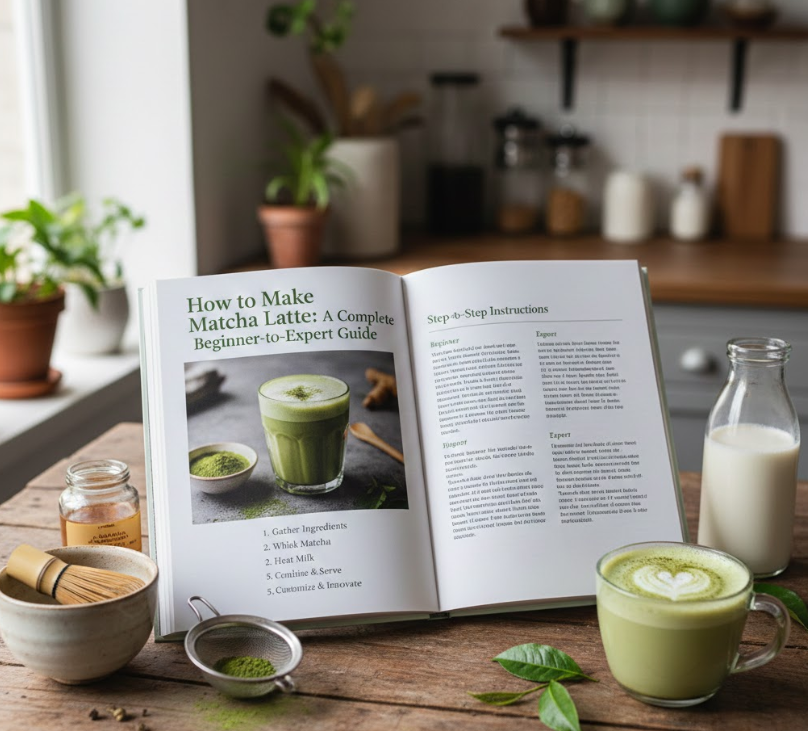
Learning how to make matcha latte is more than following a recipe—it’s about understanding balance, technique, and the character of matcha itself. Matcha latte has become one of the most popular café drinks worldwide, loved for its smooth flavor, vibrant green color, and calming energy boost. Unlike regular coffee, matcha offers steady focus without a crash, making it a favorite among wellness enthusiasts and everyday drinkers alike.
In this comprehensive guide, you’ll learn how to make matcha latte at home, including iced versions, whisk-free methods, powder techniques, and even a Starbucks-style matcha latte. This article is designed to help beginners and experienced home baristas master matcha with confidence and consistency.
What Is a Matcha Latte and Why It’s So Popular
A matcha latte is a creamy beverage made by combining finely ground green tea powder with milk and a sweetener. Its popularity comes from its unique taste, health benefits, and versatility.
• Matcha provides calm, focused energy
Unlike coffee, matcha contains L-theanine, which slows caffeine absorption. This creates alertness without jitters and makes matcha latte suitable for daily consumption.
• The flavor profile is smooth and earthy
Matcha has grassy, umami notes balanced by milk. When prepared correctly, it avoids bitterness and feels comforting rather than sharp.
• Matcha latte fits modern wellness lifestyles
It aligns with trends like mindfulness, clean energy, and antioxidant-rich diets.
• Visual appeal boosts popularity
The bright green color is visually striking, making it popular on social media and café menus.
• Flexible preparation options
Matcha latte can be hot, iced, dairy-free, sweetened, or unsweetened.
• Cultural heritage adds authenticity
Rooted in Japanese tea ceremonies, matcha brings tradition into modern routines.
How to Make Matcha Latte at Home
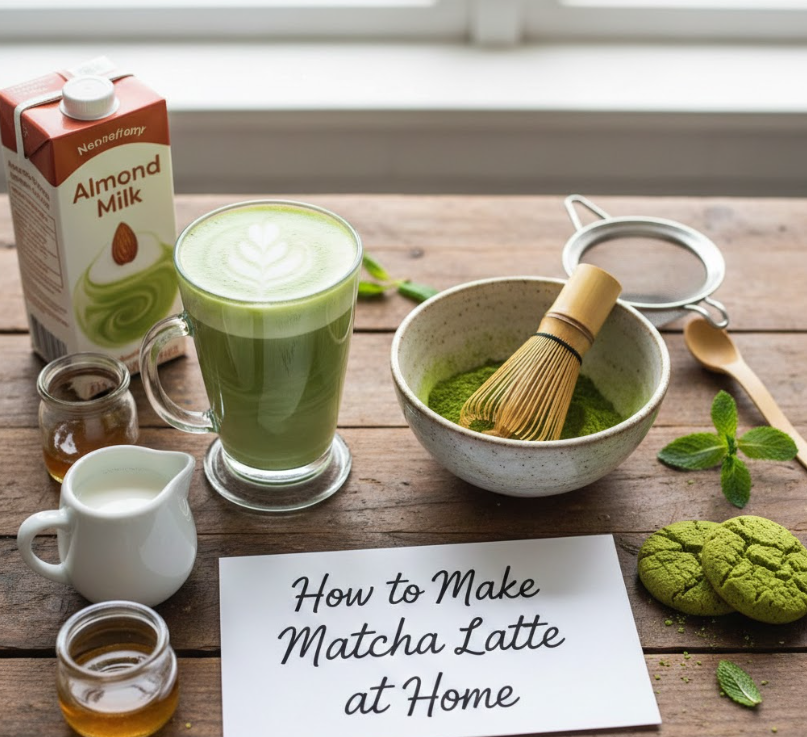
Making a matcha latte at home allows you to control flavor, sweetness, and milk choice while saving money compared to cafés.
Definition and Home Preparation Overview
This method focuses on simple tools, quality ingredients, and repeatable steps that anyone can master.
• Choosing high-quality matcha powder matters
Culinary-grade matcha works for lattes, but higher grades produce smoother flavor. Fresh matcha should be vibrant green, not dull or yellowish.
• Water temperature affects taste
Water that’s too hot burns matcha, creating bitterness. Ideal temperature ranges between 160–175°F (70–80°C).
• Milk choice shapes texture and sweetness
Dairy milk creates creaminess, while oat and almond milk add natural sweetness. Each milk type changes mouthfeel.
• Sweeteners should enhance, not overpower
Honey, maple syrup, or vanilla syrup complement matcha without masking its character.
• Proper mixing prevents clumps
Matcha powder must be fully dissolved for a smooth latte. Even mixing improves flavor consistency.
• Practice builds muscle memory
Repeating the process improves timing, texture, and taste balance.
Also Read:- How to Make a Fortune Teller: A Complete Step-by-Step Paper Origami Guide
How to Make Matcha Latte Iced
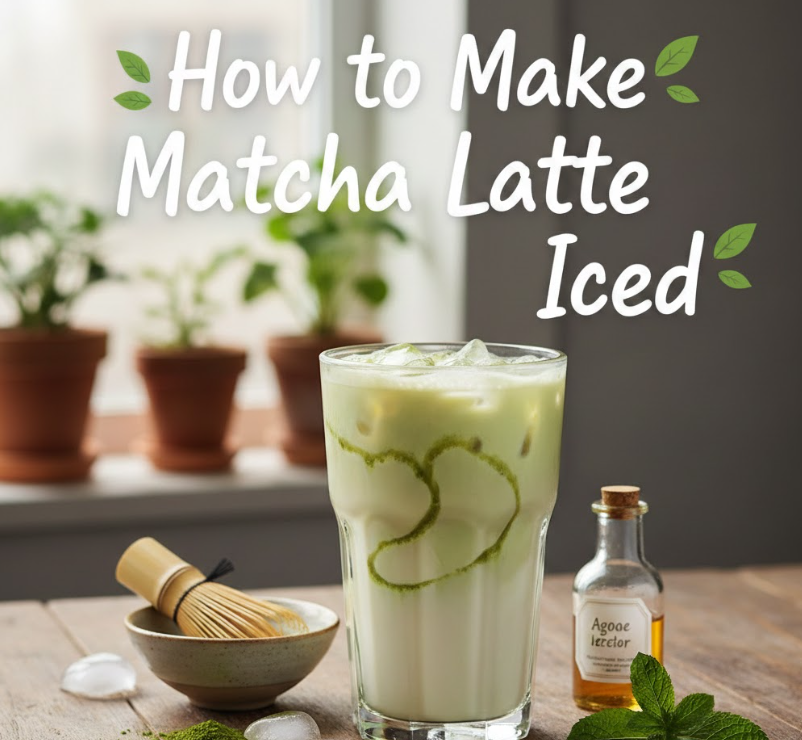
An iced matcha latte is refreshing, smooth, and perfect for warm weather while maintaining matcha’s calming benefits.
Definition and Cold Preparation Concept
Iced matcha latte combines dissolved matcha with cold milk and ice, requiring careful mixing to avoid clumps.
• Cold liquids require stronger mixing
Matcha doesn’t dissolve easily in cold milk. Mixing with warm water first ensures smooth texture.
• Ice dilutes flavor if not balanced
Slightly stronger matcha concentration prevents watery taste as ice melts.
• Milk selection matters more when cold
Oat milk and whole milk perform best for iced versions due to body and sweetness.
• Sweeteners dissolve differently
Liquid sweeteners blend better in cold drinks than granulated sugar.
• Layering improves presentation
Pouring milk over ice before adding matcha creates café-style visual layers.
• Stirring before drinking is essential
Matcha can settle at the bottom, so gentle stirring improves consistency.
Also Read:- How to Fix a Zipper: A Complete Step-by-Step Repair Guide for Every Situation
How to Make Matcha Latte Without Whisk
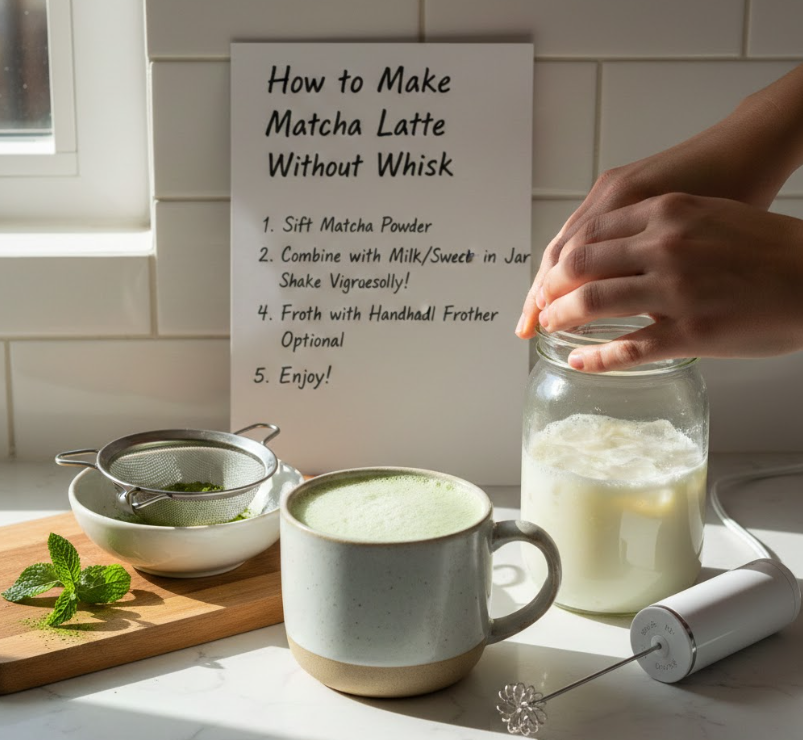
Not everyone owns a bamboo whisk, but you can still learn how to make matcha latte without whisk using everyday tools.
Definition and Alternative Mixing Methods
This approach focuses on accessibility while maintaining smooth texture and flavor.
• Using a jar or bottle works effectively
Shaking matcha with warm water in a sealed container breaks clumps efficiently.
• A milk frother doubles as a mixer
Electric frothers dissolve matcha quickly and create foam.
• Fork or spoon techniques require patience
Pressing matcha against the cup’s side reduces clumping.
• Sifting powder improves results
Passing matcha through a fine sieve minimizes lumps before mixing.
• Consistency improves with repetition
Learning pressure and motion improves results over time.
• Tool flexibility encourages experimentation
Different tools create different textures, allowing customization.
Also Read:- How to Fix a Running Toilet: A Complete DIY Plumbing Guide
How to Make Matcha Latte With Powder
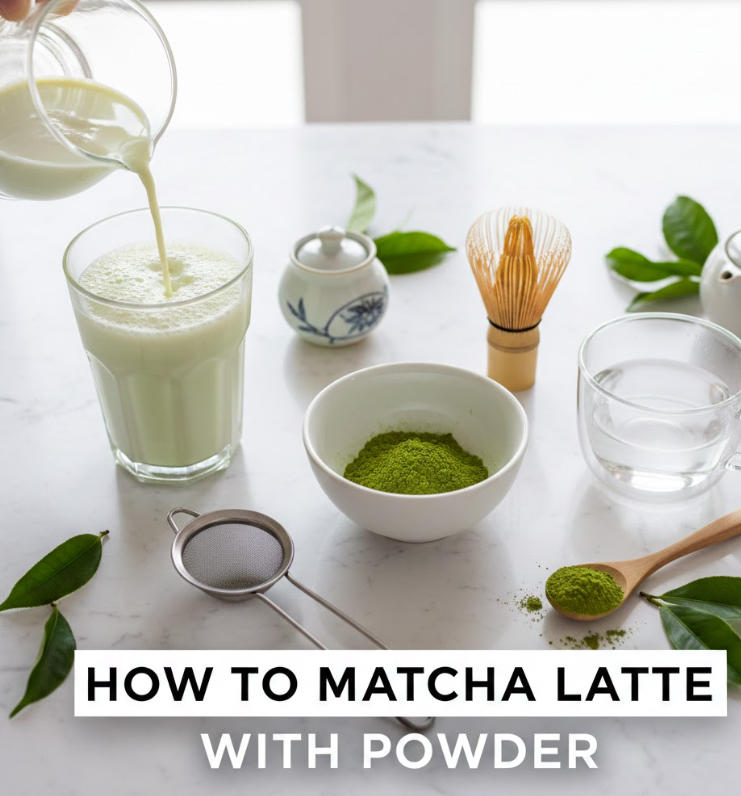
Understanding how to use matcha powder correctly is essential for flavor, texture, and color.
Definition and Powder Handling Principles
Matcha powder is delicate and reacts strongly to temperature, moisture, and storage conditions.
• Proper storage preserves freshness
Airtight containers protect matcha from light and humidity.
• Measuring accurately avoids bitterness
Too much powder creates overpowering taste. Typically, 1–2 teaspoons is ideal.
• Sifting powder improves smoothness
Clumps form naturally in matcha. Sifting ensures even dispersion.
• Mixing order affects texture
Matcha should be mixed with water before milk for best results.
• Freshness impacts color and taste
Older matcha loses vibrancy and becomes dull in flavor.
• Respecting matcha’s nature improves results
Gentle handling preserves aroma and nutrients.
Also Read:- How to Clean a Microwave: The Complete Step-by-Step Guide
How to Make Matcha Latte Starbucks Style
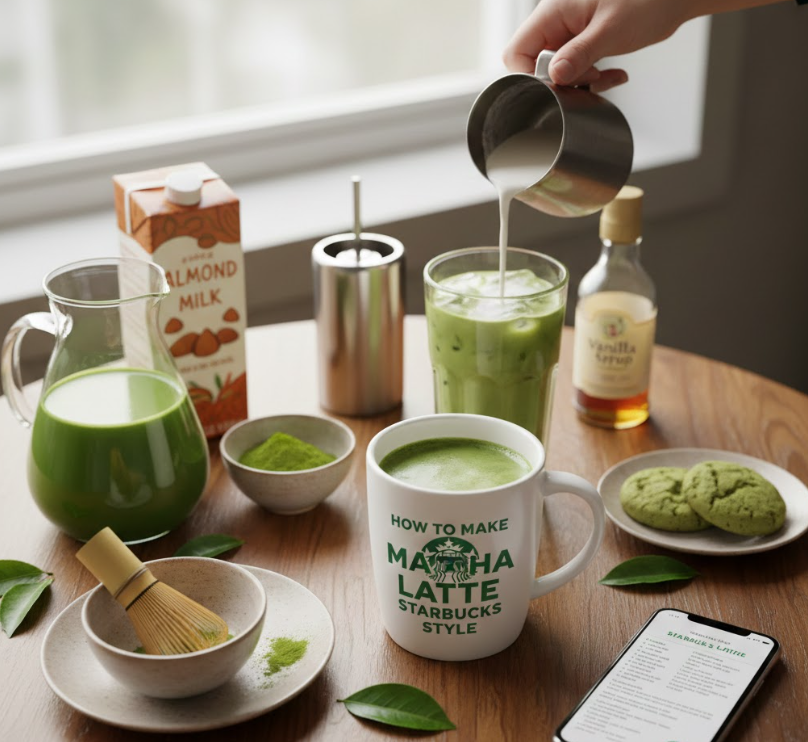
Many people search for how to make matcha latte Starbucks style to recreate the café experience at home.
Definition and Café-Style Replication
Starbucks matcha latte is sweeter and milk-forward, designed for mass appeal.
• Starbucks uses pre-sweetened matcha
Their matcha blend contains sugar, which softens bitterness.
• Milk ratio is higher than traditional recipes
This creates a creamier, dessert-like drink.
• Foam adds texture
Steamed milk foam enhances mouthfeel.
• Temperature consistency matters
Starbucks serves matcha at controlled warmth, never boiling.
• Customization is key
Syrups like vanilla or honey adjust sweetness.
• Home versions can be healthier
Using unsweetened matcha reduces sugar while maintaining flavor.
Also Read:- How to Attract Birds: A Complete Guide for Feeders, Yards, Gardens, and Bird Baths
Health Benefits of Matcha Latte
Matcha latte offers both enjoyment and wellness advantages.
• Rich in antioxidants
• Provides sustained energy
• Supports metabolism
• Enhances focus
• Gentle on digestion
• Encourages mindful consumption
Also Read:- How to Cut a Dragon Fruit: Complete Step-by-Step Guide for All Varieties
Conclusion: Mastering How to Make Matcha Latte at Home
Learning how to make matcha latte empowers you to enjoy a café-quality drink tailored to your taste and lifestyle. Whether you prefer it iced, hot, whisk-free, or Starbucks-style, matcha latte is versatile, nourishing, and deeply satisfying. With quality ingredients, mindful technique, and a bit of practice, you can transform a simple green powder into a comforting daily ritual.
FAQs
Is matcha latte healthier than coffee?
Yes, it offers slower caffeine release and higher antioxidants.
Can I drink matcha latte every day?
Yes, moderate daily consumption is generally safe for most people.
Why does my matcha latte taste bitter?
Water may be too hot or too much powder was used.
What milk works best for matcha latte?
Oat milk and whole milk provide the smoothest texture
For More Updates Visit: Biomagazine
