

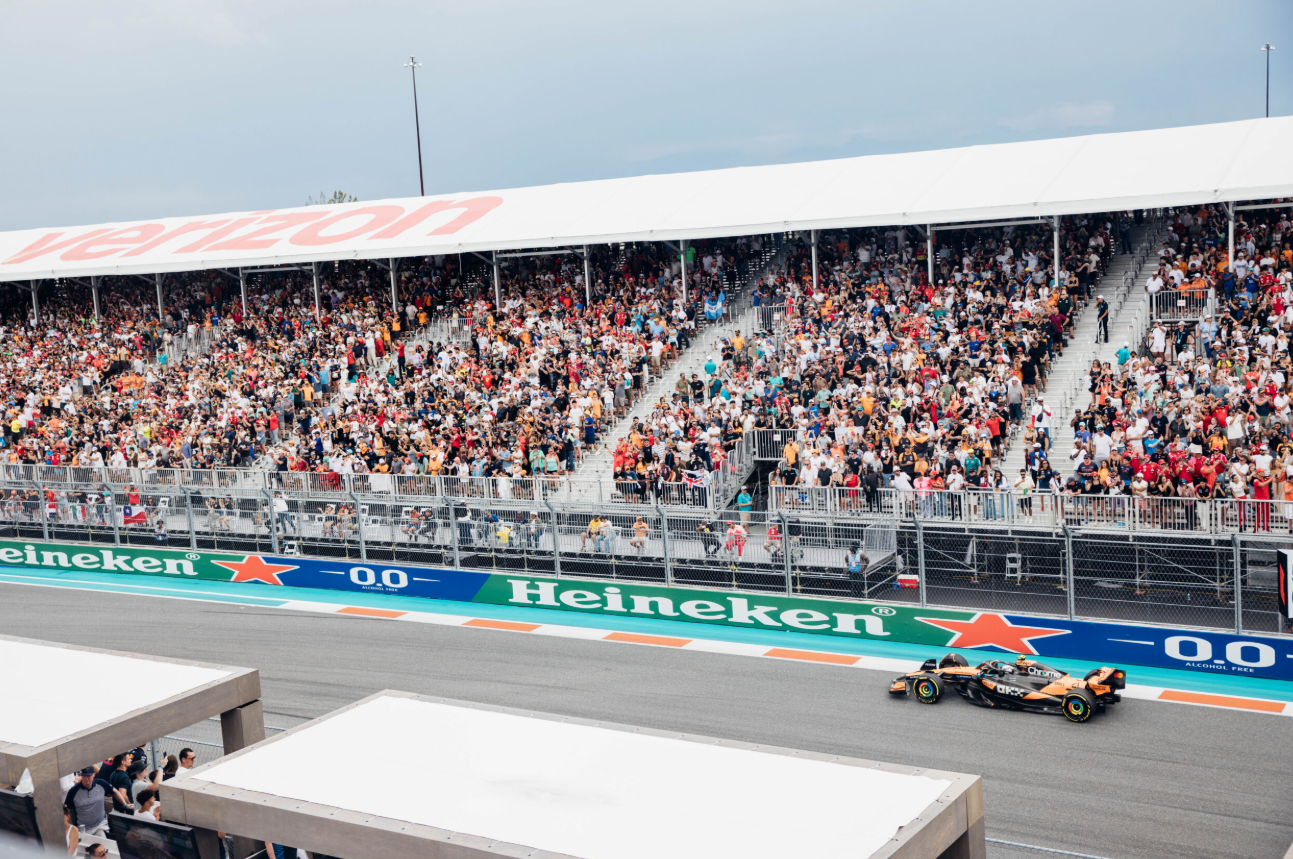
Miami pulses with an energy that finds its purest expression in speed. The city’s racing scene has evolved into something more complex than weekend track days—it’s a culture that bridges physical karting circuits and digital racing simulators, creating an ecosystem where enthusiasts move fluidly between real asphalt and virtual tracks. This convergence has reshaped how both newcomers and veterans engage with motorsport, making competitive racing more accessible than ever before.
The transformation extends beyond entertainment. Miami’s racing infrastructure supports a network of specialized retailers, karting facilities, and digital platforms that collectively sustain thousands of participants. From youth development programs at local tracks to professional-grade simulation setups, the city has become a laboratory for how racing adapts to changing technology and demographics.
Miami’s Karting Infrastructure
Local karting tracks serve multiple constituencies simultaneously. Families treat weekend sessions as recreational outings, while serious competitors use the same circuits for race preparation. This dual-use model has proven economically sustainable, allowing facilities to maintain professional-grade equipment while remaining accessible to casual participants. The business model works because Miami’s year-round climate eliminates the seasonal revenue gaps that plague northern tracks.
The economic ripple effects extend throughout the local economy. Racing equipment retailers, maintenance specialists, and hospitality businesses cluster around major venues, creating employment networks that depend on consistent track activity. Karting facilities generate revenue not just from track fees but from ancillary services that can account for 40% of total income. To learn more about karting trends, explore this detailed market trends report.
Essential Racing Equipment
Safety equipment represents the non-negotiable foundation of karting participation. The gear requirements haven’t changed dramatically in principle, but materials science has revolutionized what’s available at racing equipment stores:
- Helmets: Modern designs incorporate advanced impact-absorbing materials that meet Snell or DOT certification standards while reducing neck strain through lighter construction
- Racing suits: Fire-resistant fabrics now offer better breathability without compromising protection, addressing Miami’s heat and humidity
- Gloves and footwear: Specialized materials provide tactile feedback crucial for pedal control and steering precision
- Support systems: Neck braces and rib protectors have become standard rather than optional, reflecting evolving safety standards
The investment required varies considerably. Entry-level participants can start with basic certified equipment for several hundred dollars, while competitive racers often spend thousands on gear that offers marginal performance advantages.
Racing equipment stores carrying full safety gear ranges include Autocraze and Acceleration Karting. Comparing how different helmet brands balance weight against impact protection—and trying multiple options on before purchasing—helps identify gear that performs well during Miami’s longer, heat-intensive sessions.
Selecting a Karting Facility
Not all karting venues offer equivalent experiences. Several factors separate professional operations from recreational facilities:
- Fleet maintenance: Well-maintained karts provide consistent performance and reduce mechanical failures that interrupt sessions
- Track design: Layout complexity affects skill development—simple ovals suit beginners, while technical courses with elevation changes challenge experienced drivers
- Safety protocols: Professional facilities conduct regular safety briefings, enforce track rules consistently, and maintain emergency response capabilities
- Timing systems: Electronic lap timing allows drivers to track improvement objectively rather than relying on subjective assessments
The business model matters too. Some facilities operate on a pay-per-session basis, while others offer membership programs that reduce per-visit costs for frequent participants. Corporate event hosting and racing leagues provide additional revenue streams that can indicate a facility’s financial stability and long-term viability.
Youth Development Through Racing
Karting’s value for young participants extends beyond the obvious thrill factor. The sport develops capabilities that transfer to contexts far removed from racing:
- Spatial reasoning: Navigating a track at speed requires constant calculation of trajectories, closing speeds, and positioning relative to other karts
- Risk assessment: Drivers learn to evaluate passing opportunities against collision risks, developing judgment under pressure
- Mechanical understanding: Even basic kart maintenance teaches cause-and-effect relationships between adjustments and performance outcomes
- Emotional regulation: Managing frustration after poor performance or maintaining focus during close competition builds psychological resilience
Family participation creates shared experiences that differ from spectator sports. Parents who race alongside children report stronger communication and mutual respect, partly because the activity places both generations in learning mode simultaneously. The cost barrier remains significant—competitive karting can require substantial financial commitment—but recreational programs offer entry points that make the sport more accessible than professional motorsport pathways.