

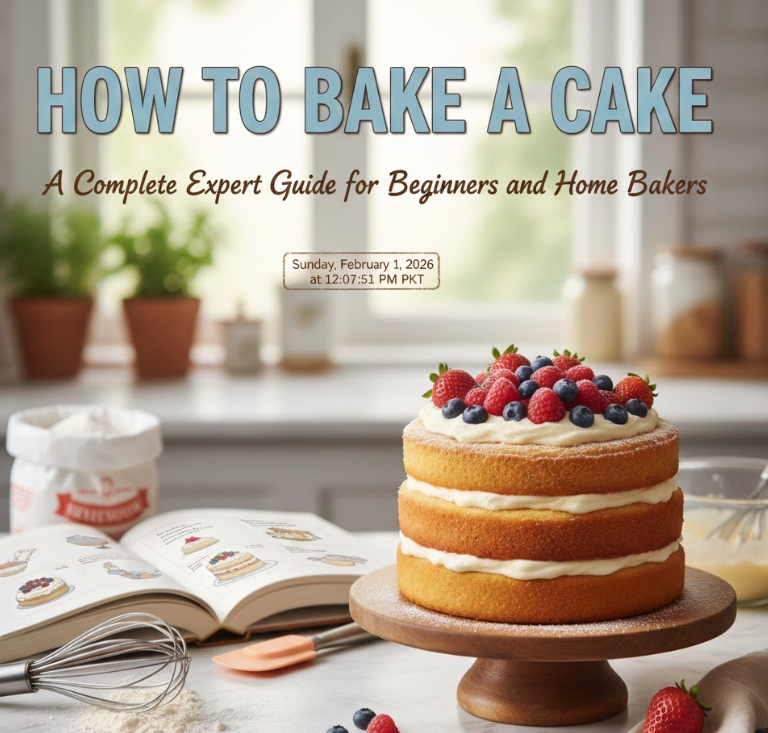
Learning how to bake a cake is one of the most rewarding kitchen skills you can master. A homemade cake represents comfort, celebration, and creativity, whether it’s baked for birthdays, holidays, or simple family moments. Unlike store-bought desserts, baking a cake at home allows full control over ingredients, flavors, texture, and freshness.
This in-depth guide is designed using real baking experience, food science principles, and trusted culinary techniques. It covers everything from how to bake a cake from scratch to modern methods like air fryer cake baking and dietary-friendly approaches such as eggless cakes. By the end, you’ll understand not just what to do, but why each step matters—giving you confidence every time you bake.
How to Bake a Cake From Scratch
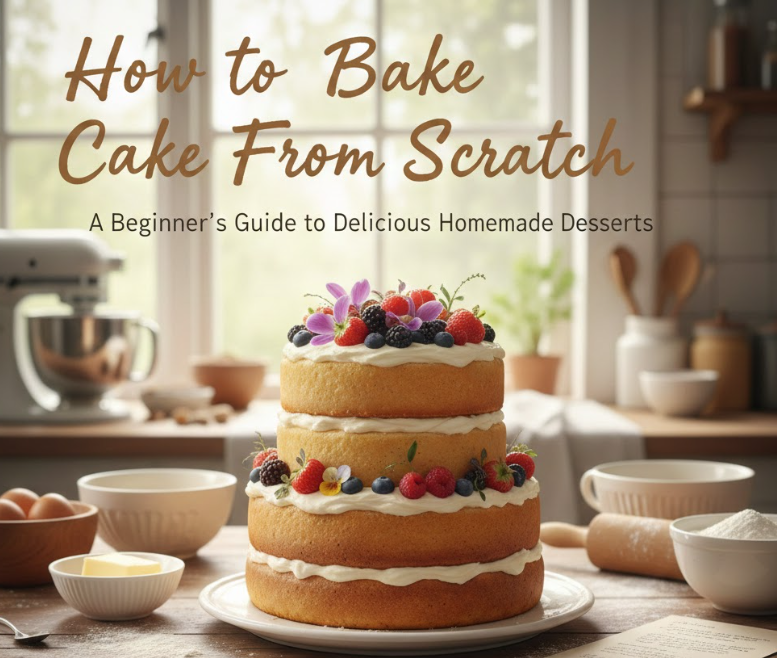
Baking a cake from scratch means creating the batter using basic ingredients like flour, sugar, eggs, fat, and leavening agents rather than relying on boxed mixes. This method offers complete control over taste, texture, and nutritional value. Understanding how to bake a cake from scratch builds foundational baking skills and produces richer, fresher results.
From-scratch baking also allows customization, making it ideal for different flavor profiles, dietary needs, and baking environments. While it may seem complex at first, mastering this method simplifies all future baking.
• Understanding core baking ingredients and their roles
Flour provides structure, sugar adds sweetness and moisture, eggs bind and enrich, fats tenderize, and leavening agents create rise. Knowing how these ingredients interact helps prevent common issues like dense texture or uneven baking. Scratch baking succeeds when ingredients are balanced and measured accurately, ensuring predictable and repeatable results every time.
• Measuring ingredients with precision
Accurate measurements are essential in scratch baking because baking is chemistry-driven. Using a kitchen scale or proper measuring cups prevents excess flour or sugar, which can drastically alter texture. Precision ensures consistent crumb structure, proper rise, and even baking across the cake.
• Mixing techniques that affect texture
Overmixing develops gluten and causes toughness, while undermixing creates uneven batter. Creaming butter and sugar incorporates air for lightness, while gentle folding preserves structure. Understanding mixing methods helps bakers achieve soft, fluffy cakes instead of dense or gummy results.
• Choosing the right baking pan and preparation method
Pan material and size influence heat distribution. Greasing and lining pans prevent sticking and promote even release. Scratch bakers know that proper pan preparation is just as important as batter quality to maintain cake shape and surface integrity.
• Temperature control during baking
Oven temperature affects rise, moisture retention, and crumb texture. Baking at the correct temperature allows gradual expansion and prevents cracking or sinking. Using an oven thermometer improves accuracy and reduces baking errors common in home kitchens.
• Cooling and resting for optimal structure
Allowing cakes to cool stabilizes internal structure. Cutting too early releases steam and collapses crumb. Scratch baking rewards patience, resulting in cleaner slices and better flavor development.
Also Read:- How to Pack a Suitcase: The Ultimate Step-by-Step Expert Guide
How to Bake a Cake in an Air Fryer
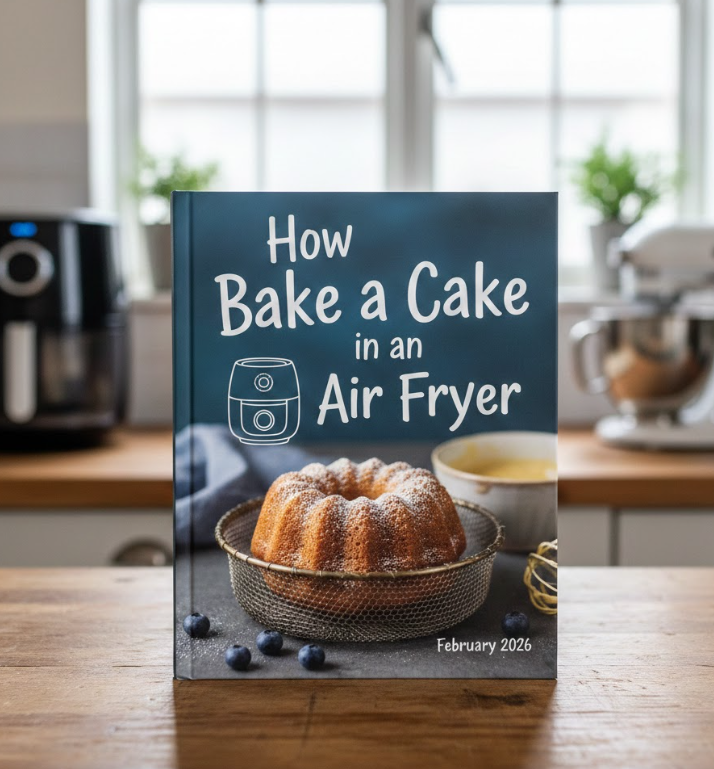
Air fryers have transformed home cooking, offering faster baking times and energy efficiency. Learning how to bake a cake in an air fryer is ideal for small kitchens, quick desserts, or situations without a conventional oven. Despite the name, air fryers function like compact convection ovens.
Air fryer cake baking requires technique adjustments, but when done correctly, it produces moist interiors and evenly baked surfaces comparable to traditional ovens.
• Selecting air-fryer-safe bakeware
Using heat-resistant pans that fit comfortably ensures proper airflow. Silicone, aluminum, or nonstick pans work best. Correct pan size prevents uneven cooking and allows hot air circulation, which is essential for even cake texture.
• Adjusting temperature and baking time
Air fryers cook faster due to concentrated heat. Lowering temperature by 10–15°C compared to oven recipes prevents overbrowning. Monitoring doneness early avoids dryness and ensures a tender crumb.
• Preheating for consistent results
Preheating stabilizes internal temperature, improving rise and texture. Skipping this step can cause uneven baking. Consistent heat exposure is critical for proper cake structure in compact appliances.
• Managing airflow and positioning
Placing pans centrally avoids hot spots. Avoid stacking or overcrowding, as blocked airflow results in undercooked centers. Proper positioning ensures balanced heat distribution throughout baking.
• Checking doneness correctly
Use toothpick tests and visual cues like golden edges and springy tops. Air fryer cakes may appear done earlier, so internal testing prevents raw centers.
• Cooling without moisture loss
Remove cakes promptly to prevent condensation. Cooling on a rack preserves texture and prevents sogginess, especially important in high-humidity environments.
Also Read:- How to Connect AirPods to Laptop: The Ultimate Step-by-Step Guide for All Users
How to Bake a Cake Without Eggs
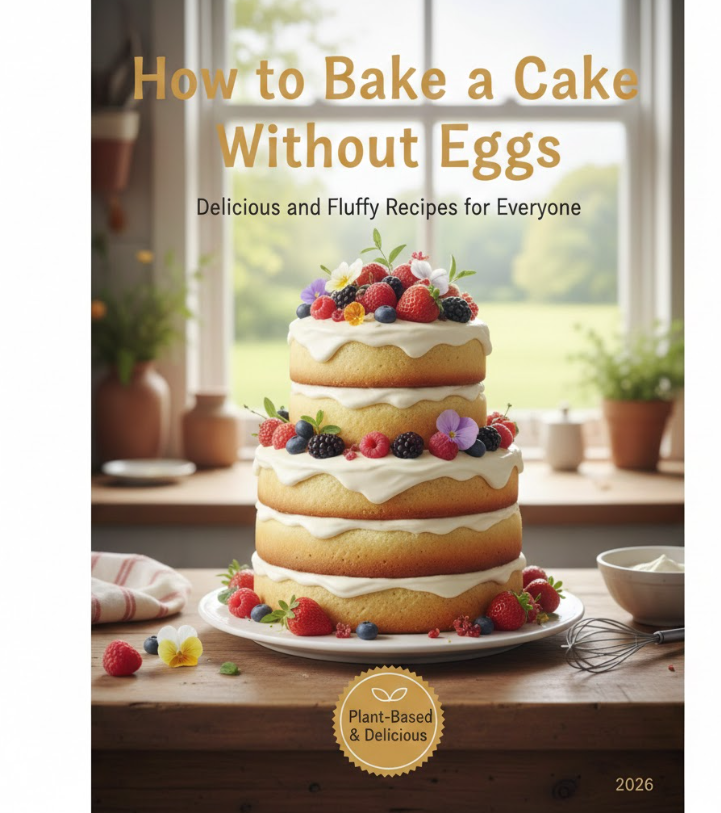
Eggless cakes are essential for vegans, those with allergies, or households avoiding eggs for cultural reasons. Understanding how to bake a cake without eggs involves replacing binding, moisture, and leavening functions that eggs normally provide.
Modern egg substitutes produce cakes that are just as soft, moist, and flavorful when applied correctly.
• Choosing effective egg substitutes
Ingredients like yogurt, applesauce, vinegar-baking soda combinations, and flaxseed gels replicate egg functions. Selecting the right substitute depends on desired texture and flavor neutrality.
• Balancing moisture levels
Eggless cakes rely on careful liquid balance. Too much moisture leads to collapse, while too little creates dryness. Precise measurement ensures structure and tenderness remain intact.
• Enhancing structure and stability
Without eggs, gluten and starch interactions become more important. Gentle mixing and proper leavening compensate for missing protein structures, ensuring cake integrity.
• Flavor enhancement techniques
Eggless cakes benefit from vanilla, citrus zest, cocoa, or spices to enrich taste. Since eggs add natural richness, flavor layering becomes more important for depth.
• Adjusting baking time and temperature
Eggless batters bake slightly differently, often needing lower heat and longer bake time. Monitoring prevents undercooking and ensures proper crumb formation.
• Testing texture before cooling
Eggless cakes firm up as they cool. Allowing full cooling time prevents premature judgment of texture and avoids breaking delicate crumb structures.
Also Read:- How to Make a Degree Symbol: A Complete Guide for All Devices and Platforms
How to Bake a Cake Step by Step
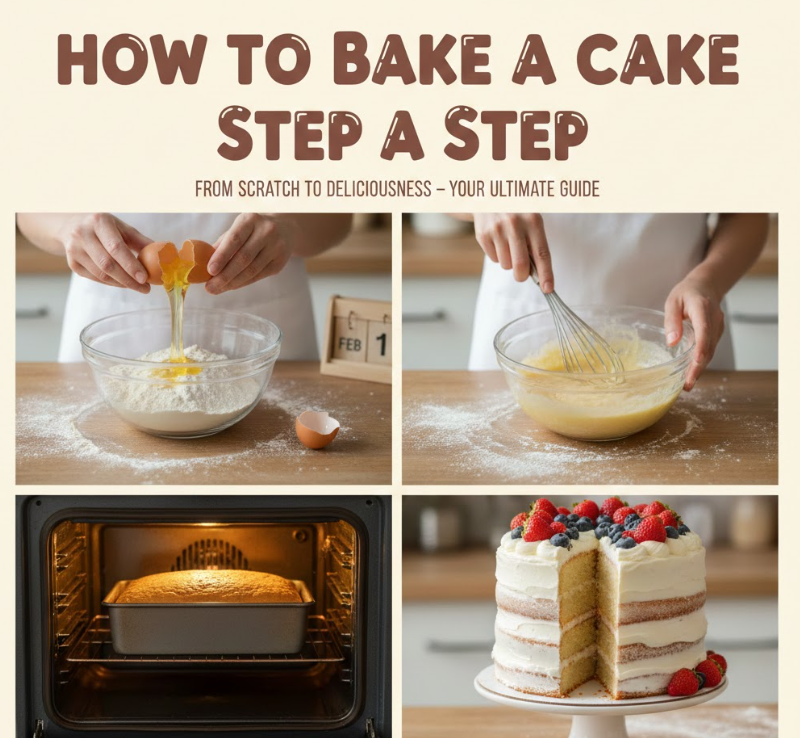
A structured process simplifies baking and reduces mistakes. Learning how to bake a cake step by step helps beginners build confidence and ensures consistent success regardless of recipe complexity.
This methodical approach transforms baking from guesswork into a repeatable, reliable process.
• Preparing ingredients before starting
Room-temperature ingredients mix more evenly. Pre-measuring and organizing prevents errors and interruptions, improving batter consistency and workflow efficiency.
• Preheating and pan preparation
Preheating stabilizes baking conditions. Greasing and lining pans ensure clean release and protect cake shape. Preparation sets the foundation for successful baking.
• Mixing wet and dry ingredients correctly
Separating dry and wet components prevents clumping and overmixing. Gradual incorporation creates smooth batter with balanced texture and consistent rise.
• Pouring and leveling batter
Even distribution ensures uniform baking. Leveling prevents domed or uneven cakes and promotes professional appearance.
• Monitoring during baking
Avoid opening the oven too early, which causes temperature drops. Visual cues and timing awareness help maintain proper rise and moisture.
• Cooling, frosting, and storage
Proper cooling prevents frosting melt and structural damage. Correct storage maintains freshness and flavor, extending cake shelf life.
Also Read:- How to Start Knitting for Beginners: Easy Step-by-Step Learning Guide
Conclusion
Mastering how to bake a cake is a skill that blends creativity with science. Whether you’re baking from scratch, using an air fryer, avoiding eggs, or following a step-by-step method, understanding the principles behind each technique guarantees better results. With practice, patience, and the right knowledge, anyone can bake cakes that are moist, flavorful, and memorable.
FAQs
Why does my cake turn out dry?
Overbaking, excess flour, or insufficient fat often cause dryness.
Can I bake any cake recipe in an air fryer?
Most can be adapted with temperature and time adjustments.
Are eggless cakes healthy?
They can be, depending on ingredients used and sugar levels.
For More Updates Visit: Biomagazine
