

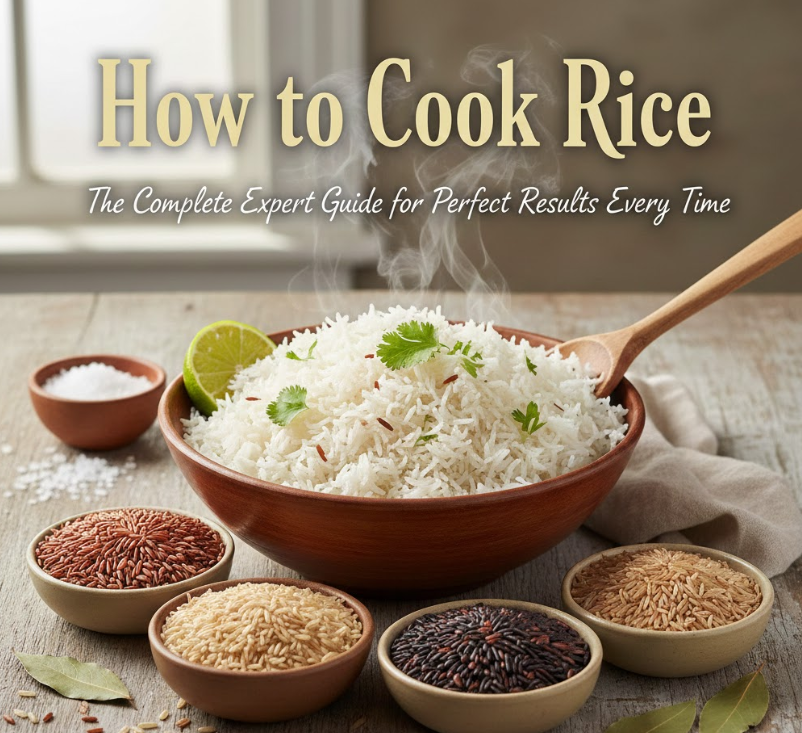
Learning how to cook rice properly is one of the most essential kitchen skills in the world. Rice is a staple food for more than half of the global population and appears in countless cuisines, from Asian and Middle Eastern dishes to European and American meals. Despite its simplicity, many home cooks struggle with rice that turns out mushy, undercooked, sticky, or bland.
This comprehensive guide is built on culinary experience, food science principles, and proven home-cooking methods. It explains how to cook rice perfectly using different techniques, including stovetop cooking, Instant Pot pressure cooking, rice cookers, microwaves, and even rice noodles. By understanding the “why” behind each method, you’ll gain confidence and consistency in your cooking.
How to Cook Rice Perfectly
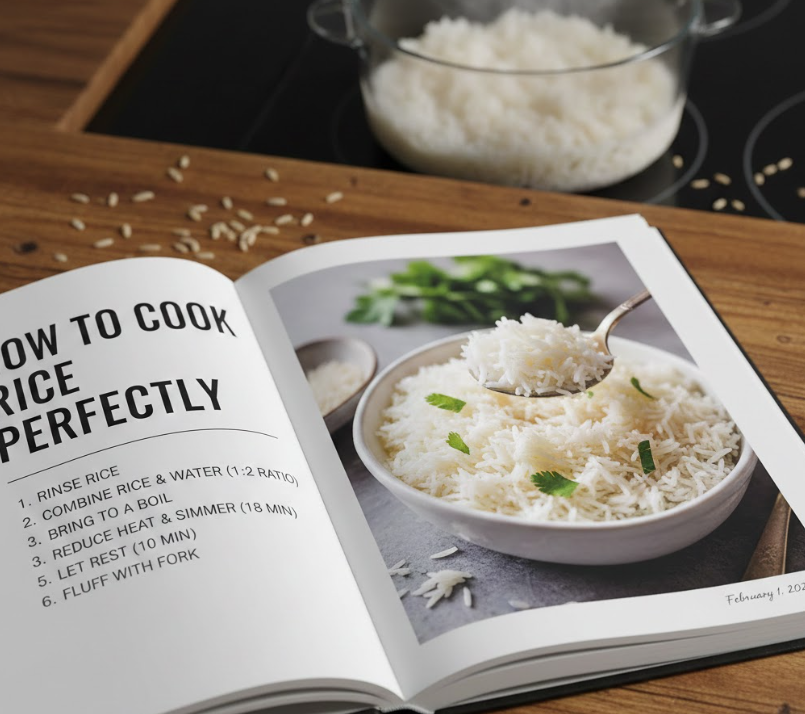
Cooking rice perfectly means achieving grains that are evenly cooked, tender, and properly separated without excess water or stickiness. The concept of perfection varies depending on the rice type—long-grain rice should be fluffy, while short-grain rice may be slightly sticky. Understanding how to cook rice perfectly requires attention to water ratios, heat control, and resting time.
Perfect rice is not about guesswork. It is the result of correct preparation, precise timing, and respect for the grain’s structure. When these elements work together, rice becomes a reliable foundation for countless meals.
• Understanding rice varieties and grain structure
Different rice types absorb water differently due to starch composition. Long-grain rice like basmati has less surface starch and stays separate, while short-grain rice releases more starch, creating a softer texture. Recognizing these differences allows you to adjust cooking methods and water levels accordingly, ensuring optimal results for each variety.
• Rinsing rice to control texture
Rinsing removes excess surface starch that can cause gumminess. This step is especially important for white rice and jasmine rice. However, for dishes like risotto or sushi, minimal rinsing is preferred to preserve starch needed for creaminess or cohesion.
• Correct water-to-rice ratios
Using too much water leads to bloated grains, while too little results in undercooked centers. Measuring accurately ensures even hydration. Most white rice uses a 1:2 ratio, while brown rice needs more liquid due to its intact bran layer.
• Heat management during cooking
Rice should simmer gently rather than boil aggressively. High heat causes water to evaporate too quickly, leaving rice unevenly cooked. Controlled heat ensures gradual absorption and uniform texture.
• Resting rice after cooking
Letting rice rest with the lid on allows residual steam to finish cooking the grains. This step stabilizes texture and prevents sogginess. Skipping the resting phase often leads to uneven moisture distribution.
• Fluffing to release excess steam
Fluffing rice with a fork separates grains and releases trapped steam. This prevents clumping and improves mouthfeel. Proper fluffing transforms good rice into great rice.
Also Read:- How to Bake a Cake: A Complete Expert Guide for Beginners and Home Bakers
How to Cook Rice on Stove
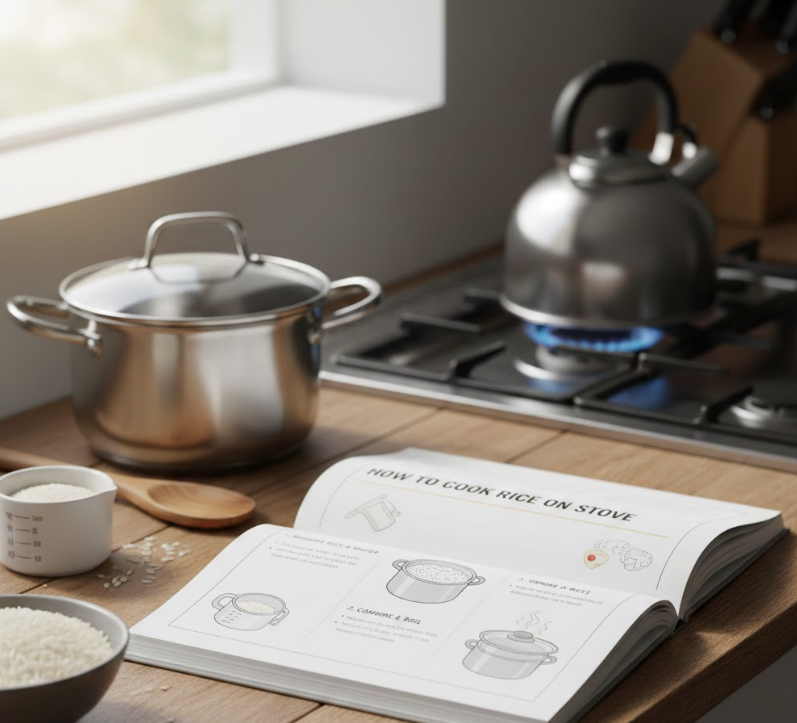
Cooking rice on the stove is the most traditional and widely used method. Learning how to cook rice on stove gives you complete control over heat, timing, and texture, making it ideal for home cooks who want consistent results without specialized appliances.
Stovetop cooking relies on observation and technique rather than automation. With practice, it becomes second nature and adaptable to nearly any rice type.
• Choosing the right pot and lid
A heavy-bottomed pot distributes heat evenly, preventing scorching. A tight-fitting lid traps steam, which is essential for proper cooking. Poor cookware often leads to uneven results.
• Bringing water to the right boil stage
Rice should be added to boiling water, then immediately reduced to a simmer. This jumpstarts absorption while preventing excessive evaporation. Timing at this stage sets the foundation for success.
• Simmering without stirring
Stirring releases starch and breaks grains, causing stickiness. Allowing rice to cook undisturbed ensures intact grains and consistent texture. Trusting the process is key.
• Monitoring evaporation and timing
As water absorbs, small steam holes appear on the surface. This visual cue signals nearing completion. Overcooking at this stage risks dryness or burning at the bottom.
• Steaming after heat removal
Turning off heat and letting rice steam completes cooking gently. This prevents scorching and allows moisture to redistribute evenly throughout the pot.
• Final fluff and seasoning
Fluffing enhances texture, while light seasoning brings out natural flavor. Rice acts as a canvas, so proper preparation elevates the entire meal.
Also Read:- How to Pack a Suitcase: The Ultimate Step-by-Step Expert Guide
How to Cook Rice in Instant Pot
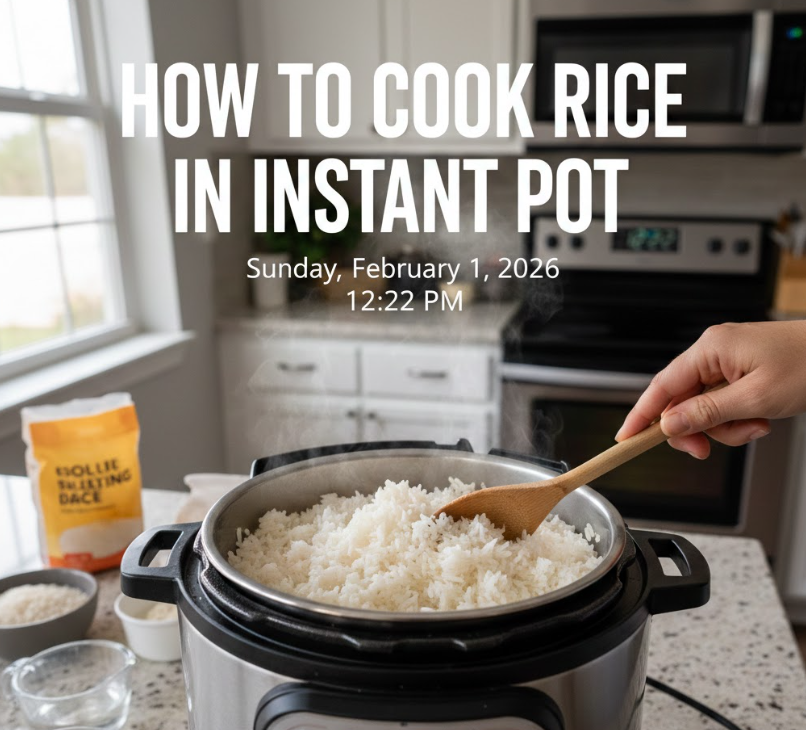
The Instant Pot has revolutionized home cooking by offering speed and consistency. Learning how to cook rice in Instant Pot is ideal for busy households seeking reliable results with minimal monitoring.
Pressure cooking changes how rice absorbs water, making timing and ratios especially important. Once mastered, this method delivers perfect rice with minimal effort.
• Understanding pressure cooking principles
Pressure increases boiling point, forcing water into rice grains faster. This accelerates cooking while preserving moisture. Knowing this helps adjust ratios and prevent mushiness.
• Using precise water measurements
Instant Pots require less water than stovetop cooking. Excess liquid leads to overly soft rice. Precision ensures fluffy texture and proper grain separation.
• Natural pressure release importance
Allowing pressure to release naturally prevents sudden moisture loss. Quick release can disrupt grain structure, leading to uneven texture or splitting.
• Avoiding burn warnings
Rinsing rice and deglazing the pot prevents starch from sticking to the bottom. Proper layering and liquid distribution protect both the appliance and the rice.
• Adapting for different rice types
Brown rice, jasmine rice, and basmati require different timings. Understanding presets and manual settings allows customization for each variety.
• Consistent results with minimal supervision
Once programmed, Instant Pot rice requires no stirring or monitoring. This consistency makes it ideal for meal prep and large batches.
Also Read:- How to Pack a Suitcase: The Ultimate Step-by-Step Expert Guide
How to Cook Rice Noodles
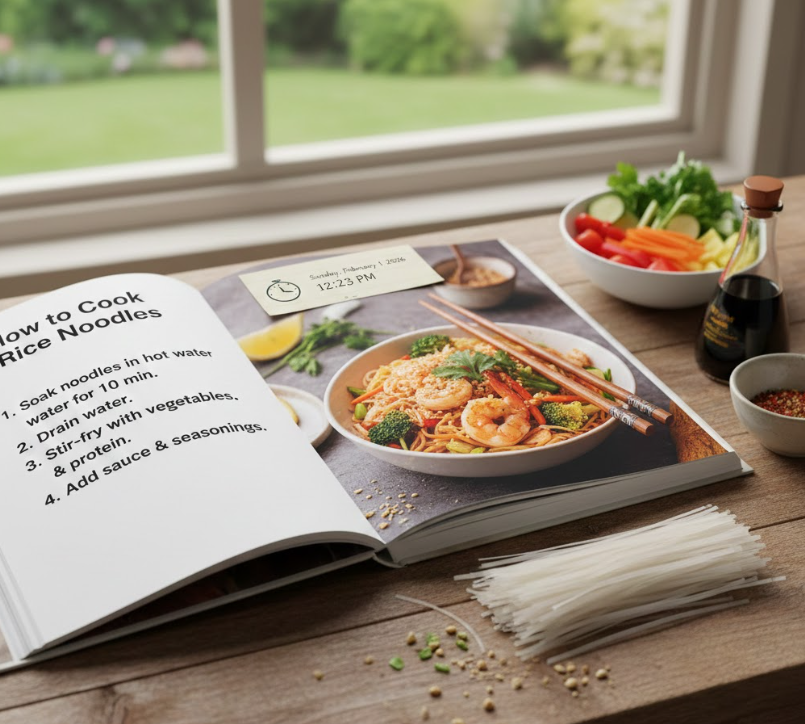
Rice noodles differ significantly from whole rice grains. Learning how to cook rice noodles properly prevents clumping, breakage, and sogginess, especially in Asian dishes like stir-fries and soups.
Rice noodles rely more on soaking and gentle heat than boiling, making technique crucial.
• Understanding noodle thickness and type
Thin vermicelli cooks faster than wide flat noodles. Thickness determines soaking time and water temperature. Matching method to noodle type ensures proper texture.
• Soaking versus boiling methods
Many rice noodles soften best through soaking rather than boiling. This prevents overcooking and maintains elasticity. Boiling is reserved for thicker varieties.
• Timing precision to avoid mushiness
Rice noodles continue softening after removal from water. Removing them slightly firm prevents overcooked texture once added to dishes.
• Rinsing to stop cooking process
Cold water rinsing halts cooking and removes excess starch. This step preserves texture and prevents sticking during storage or stir-frying.
• Integrating into dishes properly
Adding noodles at the correct stage prevents breakdown. Gentle tossing maintains structure while allowing flavors to absorb evenly.
• Storage and reheating considerations
Proper storage with light oil coating prevents clumping. Gentle reheating preserves texture and prevents dryness.
Also Read:- How to Make a Degree Symbol: A Complete Guide for All Devices and Platforms
How to Cook Rice in a Rice Cooker
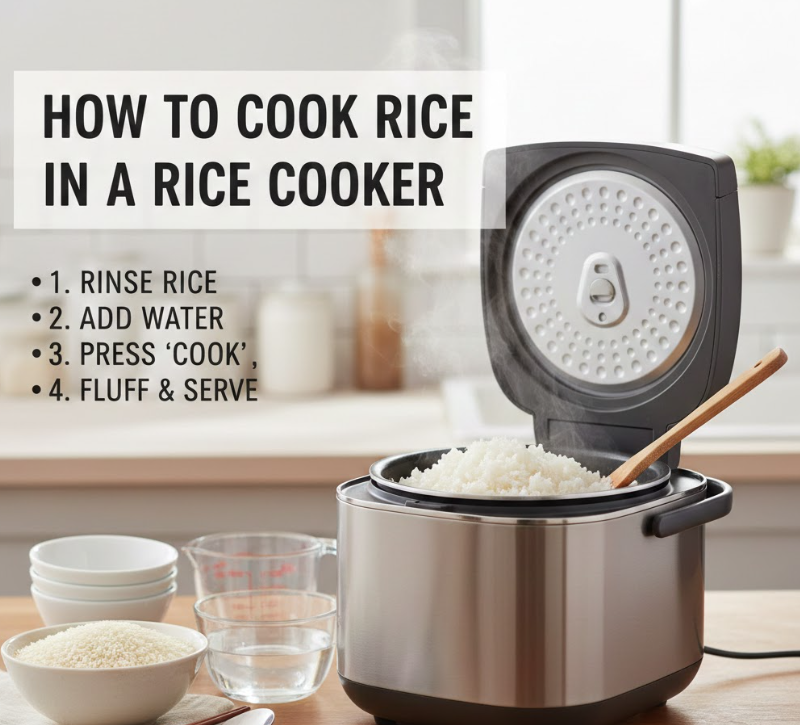
Rice cookers are designed for simplicity and reliability. Learning how to cook rice in a rice cooker is ideal for beginners and anyone seeking hands-off cooking with consistent results.
Despite automation, understanding basic principles ensures optimal texture and flavor.
• Correct water measurement using markings
Rice cooker markings account for evaporation and absorption. Following them improves consistency. Guesswork reduces reliability.
• Rinsing for better flavor and texture
Removing excess starch enhances grain separation and prevents foaming. This step improves both taste and appearance.
• Understanding cooker settings
Different modes adjust temperature and timing. Using the correct setting ensures proper hydration and prevents burning or undercooking.
• Avoiding lid lifting during cooking
Opening releases steam and disrupts cooking. Trusting the cooker ensures uniform results.
• Resting mode benefits
Most rice cookers switch to warm mode automatically. This resting phase completes cooking and improves texture.
• Fluffing before serving
Fluffing redistributes moisture and releases trapped steam. This final step enhances texture and presentation.
Also Read:- How to Start Knitting for Beginners: Easy Step-by-Step Learning Guide
How to Cook Rice in Microwave
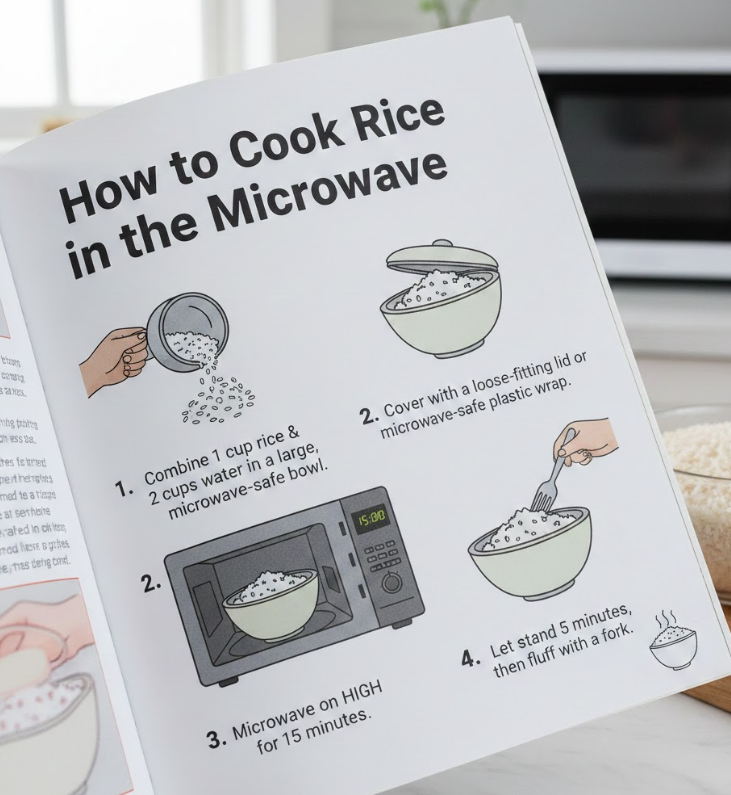
Microwave cooking offers convenience for small portions or quick meals. Learning how to cook rice in microwave is useful when traditional methods aren’t available.
This method requires attention to container size and timing.
• Using microwave-safe containers
Deep containers prevent boil-overs. Proper sizing allows steam circulation without spillage.
• Accurate water ratios
Microwave cooking relies heavily on precise ratios. Too much water causes overflow, while too little leaves rice undercooked.
• Covering for steam retention
Loose covers trap steam while allowing pressure release. This ensures even cooking without mess.
• Stirring mid-cook when needed
Some microwaves heat unevenly. Gentle stirring redistributes heat and prevents hot spots.
• Standing time after cooking
Allowing rice to rest completes hydration. Skipping this step results in uneven texture.
• Fluffing and serving
Fluffing improves texture and releases excess moisture. Even microwave rice benefits from this finishing step.
Conclusion
Mastering how to cook rice is a foundational cooking skill that improves daily meals across cultures. Whether you cook rice on the stove, in an Instant Pot, rice cooker, microwave, or prepare rice noodles, understanding the principles behind each method ensures consistent, delicious results. With the right technique, rice becomes not just a side dish, but a reliable and nourishing centerpiece.
FAQs
Why does my rice turn mushy?
Excess water, overcooking, or stirring during cooking.
Should rice always be rinsed?
Most white rice benefits from rinsing, but some recipes require starch retention.
Is brown rice harder to cook than white rice?
Brown rice requires more water and time due to its bran layer
For More Updates Visit: Biomagazine
