

Hiccups are one of those strange bodily reactions that seem harmless but can quickly become frustrating, uncomfortable, and even embarrassing. Almost everyone experiences them at some point, yet very few people truly understand how to stop hiccups effectively and why they happen in the first place. Whether hiccups strike during a meeting, while eating, or in the middle of the night, knowing the right techniques can make a huge difference.
This comprehensive guide explores how to stop hiccups fast, how to stop hiccups in adults immediately, how to stop hiccups in babies, and how to stop hiccups instantly at home. Each section is written with practical experience, medical understanding, and real-world usability in mind. The goal is not quick hacks alone, but lasting understanding and reliable relief.
Understanding Hiccups: What Happens Inside the Body
Hiccups occur when the diaphragm — the muscle separating the chest from the abdomen — suddenly contracts involuntarily. This contraction is immediately followed by the closure of the vocal cords, producing the familiar “hic” sound. The hiccup reflex involves the brain, the phrenic nerve, and the vagus nerve, making it a neurological and muscular event rather than a digestive one alone.
Common triggers include eating too fast, drinking carbonated beverages, sudden temperature changes, emotional stress, alcohol intake, and even excitement. While most hiccups are short-lived, persistent hiccups may indicate underlying issues such as acid reflux, nerve irritation, or metabolic imbalance. Understanding this mechanism helps explain why breathing techniques, nerve stimulation, and posture changes can stop hiccups quickly.
Also Read:- How to Program a Garage Door Opener: Step-by-Step Guide for Remotes, LiftMaster, Cars, and Keypads
How to Stop Hiccups Fast
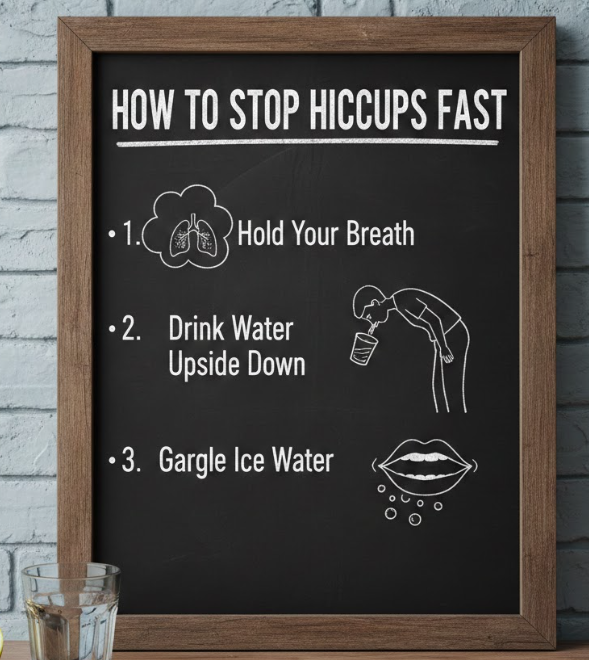
Stopping hiccups quickly requires interrupting the hiccup reflex arc. The fastest methods work by regulating breathing, stimulating nerves, or relaxing the diaphragm. These techniques are especially useful when hiccups appear suddenly and need immediate control.
• Controlled Breath Holding
Holding your breath increases carbon dioxide levels in the blood, which helps calm the diaphragm and reset its rhythm. Take a deep breath, hold it for as long as comfortable, then release slowly. This method works because the brain prioritizes breathing regulation over the hiccup reflex.
• Cold Water Stimulation
Drinking cold water slowly or gargling with ice water stimulates the vagus nerve. This nerve plays a major role in hiccups, and sudden temperature changes can disrupt the reflex loop causing the spasms.
• Diaphragmatic Breathing
Breathing deeply into the belly rather than the chest relaxes the diaphragm. Sit upright, place one hand on your stomach, inhale deeply through the nose, and exhale slowly through the mouth. This technique is especially effective for stress-induced hiccups.
• Swallowing Techniques
Swallowing granulated sugar, honey, or peanut butter forces coordinated muscle movements that override hiccup spasms. The thick texture engages the throat muscles and resets nerve signals.
• Posture Adjustment
Leaning forward, hugging your knees, or gently compressing the chest can relieve diaphragm tension. These postural changes physically alter diaphragm positioning, reducing involuntary contractions.
• Focused Distraction
Surprisingly, mental distraction works. Concentrating intensely on counting, reading aloud, or solving a simple problem redirects brain signals away from the hiccup reflex.
Also Read:- How to Do a Pullup: The Complete, Science-Backed Guide for Beginners and Beyond
How to Stop Hiccups in Adults Immediately
Adults often experience hiccups due to lifestyle factors such as eating habits, stress, caffeine, or alcohol. Immediate relief requires methods that work quickly while addressing adult-specific triggers.
• Slow, Measured Eating Habits
Eating too fast introduces excess air into the stomach, irritating the diaphragm. Slowing down meals, chewing thoroughly, and avoiding talking while eating can instantly reduce hiccup frequency.
• Warm Beverage Therapy
Warm water, herbal tea, or chamomile can relax the esophageal muscles and diaphragm. Warmth counteracts spasms caused by cold drinks or sudden temperature shifts.
• Acid Reflux Management
Many adult hiccups are linked to gastroesophageal reflux. Sitting upright, avoiding lying down after meals, and reducing spicy or acidic foods can stop hiccups immediately and prevent recurrence.
• Vagus Nerve Stimulation
Techniques like gently pulling on the tongue, swallowing while pinching the nose, or massaging the carotid sinus (with care) stimulate the vagus nerve and interrupt hiccup signals.
• Breathing into a Paper Bag
This increases carbon dioxide levels and stabilizes breathing patterns. It must be done cautiously and briefly, especially for individuals with respiratory conditions.
• Stress Reduction Techniques
Anxiety and excitement can trigger hiccups. Simple mindfulness breathing, shoulder relaxation, or short meditation breaks can stop hiccups rooted in emotional tension.
Also Read:- How to Cook Rice: The Complete Expert Guide for Perfect Results Every Time
How to Stop Hiccups in Babies
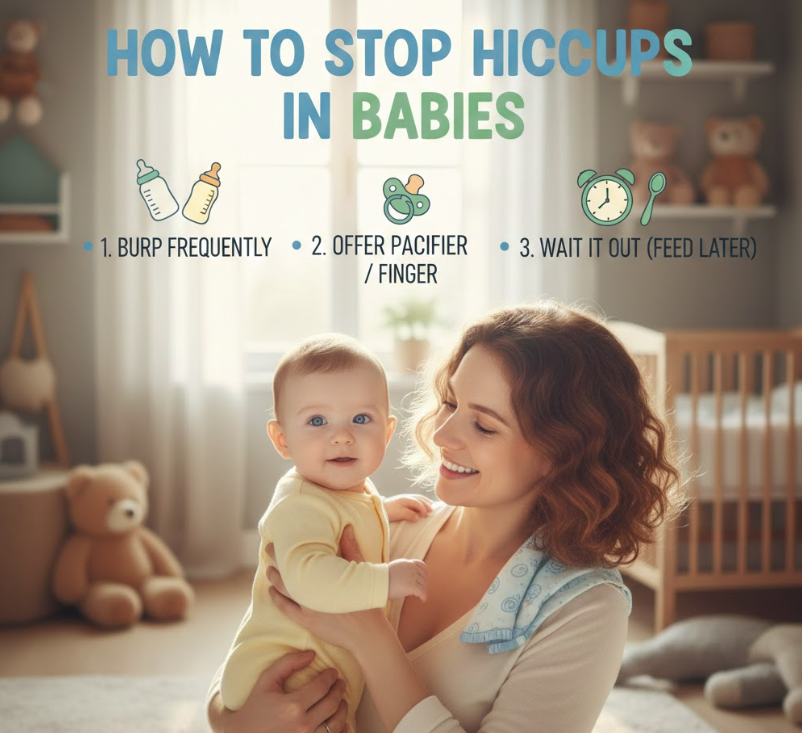
Hiccups in babies are extremely common and usually harmless. They occur because a baby’s nervous system is still developing, and the diaphragm is more sensitive to stimulation. The focus should always be on gentle, safe methods.
• Feeding Position Adjustment
Keeping the baby upright during and after feeding prevents air buildup in the stomach. This reduces pressure on the diaphragm and naturally stops hiccups.
• Burping Frequently
Burping releases trapped air that may be causing diaphragm irritation. Gentle patting on the back after every few ounces of milk is often enough.
• Pacifier Use
Sucking motions help relax the diaphragm and regulate breathing. A pacifier can safely stop hiccups by encouraging rhythmic muscle movement.
• Warmth and Comfort
Ensuring the baby is warm and calm helps. Sudden temperature changes can trigger hiccups, so maintaining a consistent environment matters.
• Feeding Pace Control
Overfeeding or feeding too quickly can cause hiccups. Smaller, more frequent feeds reduce stomach pressure and minimize spasms.
• Patience and Observation
Most baby hiccups resolve on their own. If hiccups last unusually long or affect feeding, a pediatrician should be consulted.
Also Read:- How to Bake a Cake: A Complete Expert Guide for Beginners and Home Bakers
How to Stop Hiccups Instantly at Home
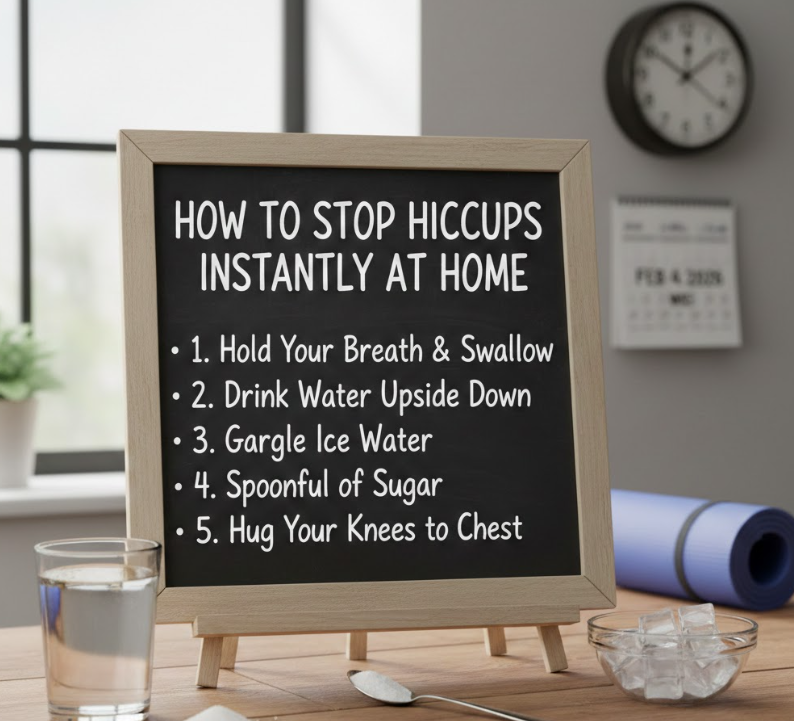
Home remedies for hiccups are popular because they are accessible, safe, and often very effective. These methods work best for occasional hiccups without underlying medical causes.
• Sugar or Honey Method
Placing a spoonful of sugar or honey on the tongue stimulates sensory nerves in the mouth and throat, interrupting the hiccup reflex.
• Apple Cider Vinegar
A small sip diluted in water provides a strong sensory stimulus that can reset nerve signaling. Its acidity may also help if hiccups are digestion-related.
• Lemon Bite Technique
Biting into a lemon or tasting lemon juice shocks the nervous system just enough to override the hiccup pattern.
• Gargling with Warm Water
This engages throat muscles and the vagus nerve simultaneously, making it a powerful at-home solution.
• Chest Compression Exercises
Pulling knees to the chest while seated gently compresses the diaphragm and reduces spasms.
• Routine Lifestyle Adjustments
Avoiding carbonated drinks, managing portion sizes, and staying hydrated significantly reduce hiccup occurrence at home.
Also Read:- How to Pack a Suitcase: The Ultimate Step-by-Step Expert Guide
When Hiccups Become a Medical Concern
While most hiccups are temporary, hiccups lasting more than 48 hours are considered persistent, and those lasting over a month are intractable. These may signal conditions such as nerve damage, infections, metabolic disorders, or medication side effects. Medical evaluation is essential in such cases.
Doctors may prescribe muscle relaxants, antacids, or nerve-calming medications. Diagnostic tests might include imaging or blood work to identify underlying causes. Early intervention improves outcomes significantly.
Conclusion
Knowing how to stop hiccups gives you control over a surprisingly disruptive condition. Whether you need fast relief, adult-specific solutions, gentle baby care, or instant home remedies, the techniques in this guide are safe, practical, and proven. By understanding the underlying causes and applying the right method at the right time, hiccups can become a minor inconvenience rather than a major annoyance.
FAQs
How long do hiccups usually last?
Most hiccups last a few minutes to an hour and resolve without treatment.
Are hiccups dangerous?
Occasional hiccups are harmless, but persistent hiccups may need medical attention.
Can stress really cause hiccups?
Yes, emotional stress can stimulate the nervous system and trigger diaphragm spasms.
Is it safe to treat baby hiccups?
Yes, as long as methods are gentle and age-appropriate
For More Updates Visit: Biomagazine
