

Learning how to store potatoes properly can save money, reduce food waste, and preserve flavor for weeks or even months. Potatoes are one of the most consumed vegetables worldwide, and according to the Food and Agriculture Organization, they rank among the top staple crops globally due to their versatility and nutritional value. Yet despite their popularity, many households unknowingly shorten their shelf life through improper storage.
If you’ve ever opened a pantry to find shriveled, sprouted, or green potatoes, you’re not alone. Storage conditions such as light exposure, humidity levels, and temperature dramatically influence freshness. Understanding how to store potatoes at home ensures they remain firm, safe, and delicious.
Understanding Why Proper Potato Storage Matters
Understanding how to store potatoes begins with recognizing that they are living tubers that continue to respire after harvest. Their chemical composition changes in response to temperature, moisture, and light exposure. Proper storage protects texture, flavor, and nutritional integrity while preventing sprouting, greening, and spoilage.
• Potatoes Are Living Plant Tissue
Even after harvesting, potatoes continue metabolic processes such as respiration. This means they consume oxygen and release carbon dioxide, slowly converting stored starch into sugars. Improper storage accelerates this process, leading to sweetness, texture loss, and premature decay.
• Temperature Directly Affects Starch Conversion
When stored below 40°F (4°C), starch converts into sugar more rapidly. According to the United States Department of Agriculture, excessively cold storage can alter taste and even affect cooking results, especially when frying.
• Light Exposure Causes Greening
Light triggers chlorophyll production, turning potatoes green. This greening is often accompanied by solanine, a naturally occurring compound that can cause bitterness and digestive discomfort if consumed in high quantities.
• Humidity Controls Moisture Loss
Low humidity leads to shriveling, while high humidity encourages mold growth. The ideal range is 85–90% humidity to maintain firmness without promoting rot.
• Air Circulation Prevents Mold Growth
Stagnant air traps moisture and fosters bacterial or fungal growth. Proper ventilation keeps potatoes dry and extends shelf life.
• Storage Impacts Nutritional Retention
Properly stored potatoes maintain vitamin C and potassium levels longer. Poor storage degrades nutrients over time.
Also Read:- How to Read Palms: Complete Beginner’s Guide to Palm Reading, Lines, and Meanings
How to Store Potatoes at Home for Everyday Use
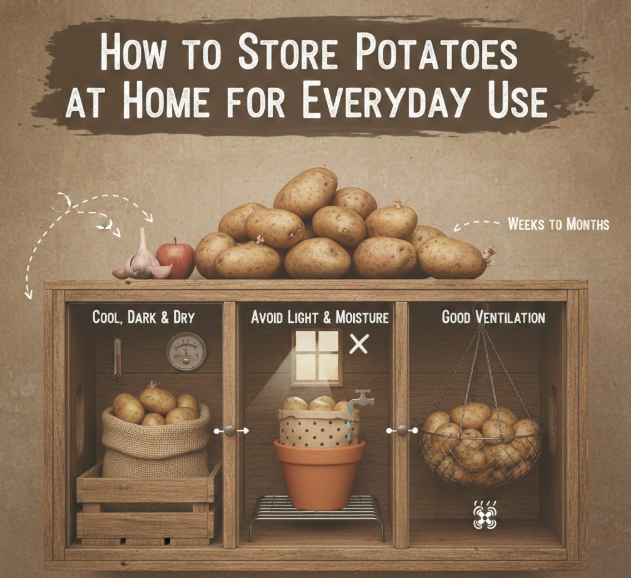
Learning how to store potatoes at home requires selecting a cool, dark, and well-ventilated environment. Everyday storage focuses on maintaining balance between dryness and airflow. The goal is preserving firmness and preventing sprouting for 2–4 weeks.
• Choose a Cool Location (45–55°F)
A basement, pantry, or cupboard away from appliances works best. Temperatures that are too warm accelerate sprouting, while overly cold spaces alter flavor.
• Keep Them in a Dark Space
Light exposure leads to greening. Store potatoes in opaque containers or paper bags. Avoid transparent plastic packaging.
• Use Breathable Containers
Paper bags, mesh sacks, wooden crates, or baskets allow airflow. Avoid sealed plastic containers that trap moisture.
• Inspect Before Storing
Remove damaged or bruised potatoes. One rotten potato can quickly spread decay to others.
• Avoid Washing Before Storage
Moisture encourages mold. Only wash potatoes immediately before cooking.
• Check Weekly for Spoilage
Routine inspection prevents spread of rot and ensures freshness.
Also Read:- How to Tie a Tie: The Complete Step-by-Step Expert Guide
How to Store Potatoes Long Term (3–6 Months)
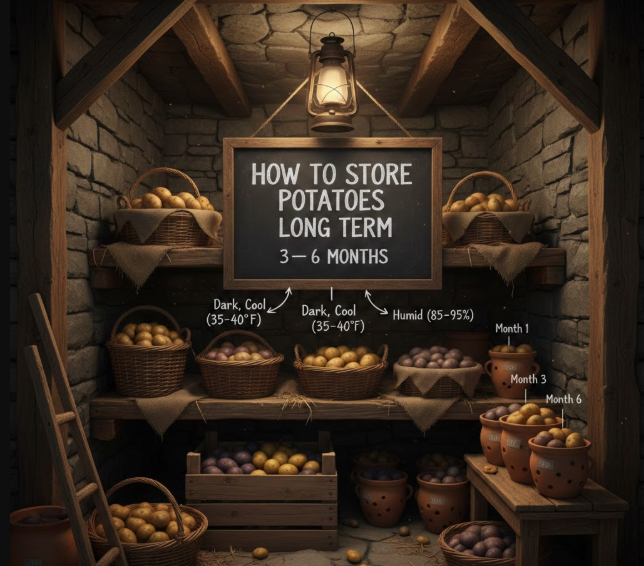
Knowing how to store potatoes long term involves controlled temperature, humidity management, and proper curing techniques. Long-term storage mimics commercial root cellar conditions. This method is ideal for bulk purchases or post-harvest preservation.
• Cure Potatoes First
After harvest or purchase, allow potatoes to cure in a dark, humid area (50–60°F) for 1–2 weeks. This thickens the skin and heals minor cuts.
• Use a Root Cellar or Basement
Traditional root cellars maintain stable temperatures and humidity. These environments are ideal for extended storage.
• Maintain High Humidity (85–90%)
This prevents shriveling while avoiding condensation. A bowl of water nearby can help increase humidity if needed.
• Store in Layers with Newspaper
Layering potatoes with paper reduces light exposure and absorbs excess moisture.
• Keep Away from Ethylene-Producing Fruits
Apples release ethylene gas, which accelerates sprouting.
• Monitor Monthly
Remove sprouting or soft potatoes promptly.
Also Read:- How to Reopen Closed Tabs: The Complete 2026 Expert Guide
How to Store Potatoes and Onions (And Why Separation Matters)
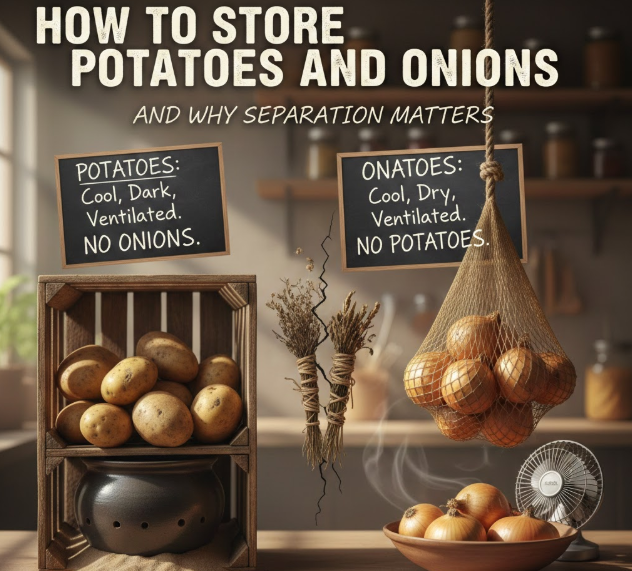
Although commonly paired in recipes, learning how to store potatoes and onions correctly means keeping them separate. Onions emit gases and moisture that accelerate potato spoilage. Proper separation extends freshness for both vegetables.
• Understand Ethylene Gas Interaction
Onions release gases that increase sprouting in potatoes.
• Store in Separate Containers
Keep them in different breathable baskets.
• Maintain Similar Temperature but Separate Space
Both prefer cool environments, but not the same container.
• Avoid Stacking Together
Physical contact encourages moisture transfer.
• Check Both Weekly
Spoilage spreads quickly when stored together.
• Use Dividers if Space Is Limited
If pantry space is small, use wooden dividers to separate.
Also Read:- How to Make Sticky Rice: The Complete Authentic Step-by-Step Guide
How to Store Potatoes in the Fridge (Is It Safe?)
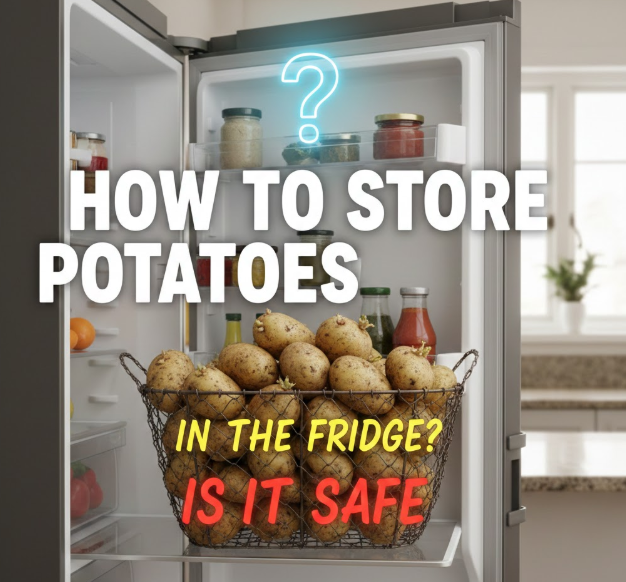
Many people wonder how to store potatoes in the fridge. While refrigeration slows sprouting, it can alter taste and texture. Cold temperatures convert starch to sugar, affecting flavor and cooking results.
• Refrigeration Changes Flavor Profile
Cold temperatures increase sugar levels.
• May Affect Frying Results
Higher sugar content causes excessive browning.
• Short-Term Only
If necessary, refrigerate temporarily but return to room temperature before cooking.
• Use Paper Bag Inside Fridge
Prevents moisture buildup.
• Avoid Freezing Raw Potatoes
Freezing breaks cell walls, leading to mushiness.
• Best Alternative: Cool Pantry
Refrigeration should not be primary storage method.
Also Read:- How to Remove Skin Tags at Home: Safe, Natural, and Fast Methods That Work
How to Store Potatoes from Garden (Freshly Harvested)
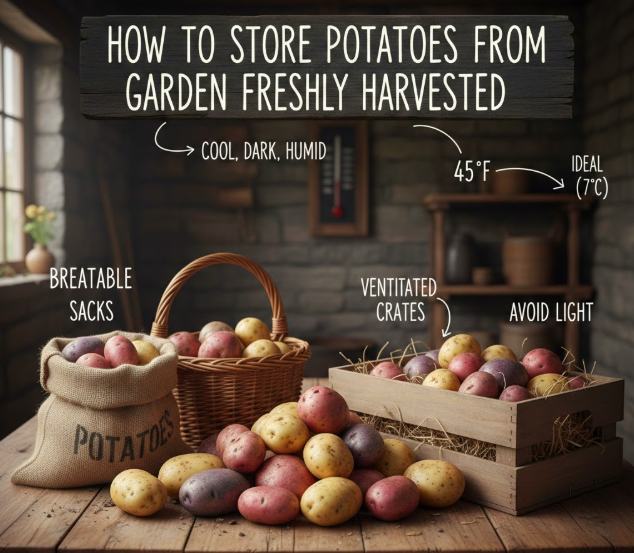
Learning how to store potatoes from garden harvest requires curing and careful handling. Freshly dug potatoes are more delicate than store-bought ones. Proper post-harvest care ensures winter-long preservation.
• Harvest During Dry Weather
Moist soil increases rot risk.
• Do Not Wash Immediately
Brush off dirt gently.
• Cure in Dark Space
Allow skins to toughen for 10–14 days.
• Remove Damaged Tubers
Store only healthy potatoes long term.
• Use Wooden Crates
Promotes airflow.
• Label by Variety
Different varieties have varying shelf life.
Also Read:- How to Find Y Intercept: A Complete Step-by-Step Mathematical Guide
How to Store Potatoes After Harvest for Winter
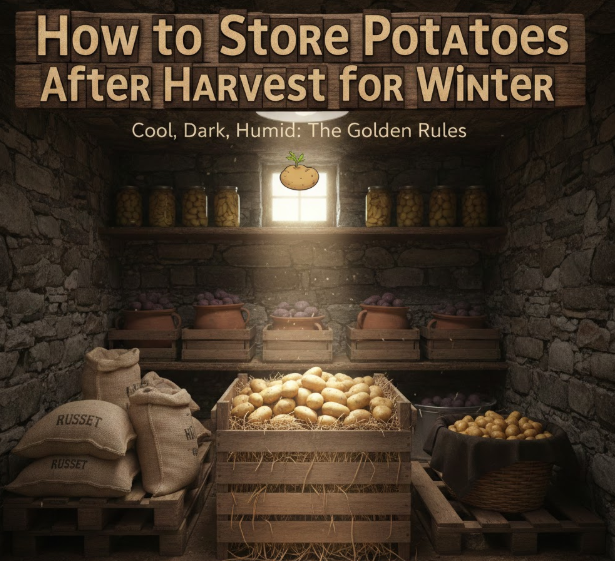
Understanding how to store potatoes after harvest ensures food security throughout winter months. Traditional agricultural communities relied on controlled cellar storage. Modern homeowners can replicate similar conditions.
• Choose Late-Season Varieties
Russet and Yukon Gold store longer.
• Maintain Stable Temperature
Fluctuations cause condensation.
• Use Insulated Storage Areas
Protect from freezing.
• Avoid Direct Concrete Contact
Place cardboard underneath.
• Ensure Darkness
Light degrades quality.
• Rotate Stock
Use oldest potatoes first.
Also Read:- How to Make Pesto: The Ultimate Guide to Homemade Pesto Sauce and Pasta
How to Store Potatoes in the Kitchen Safely
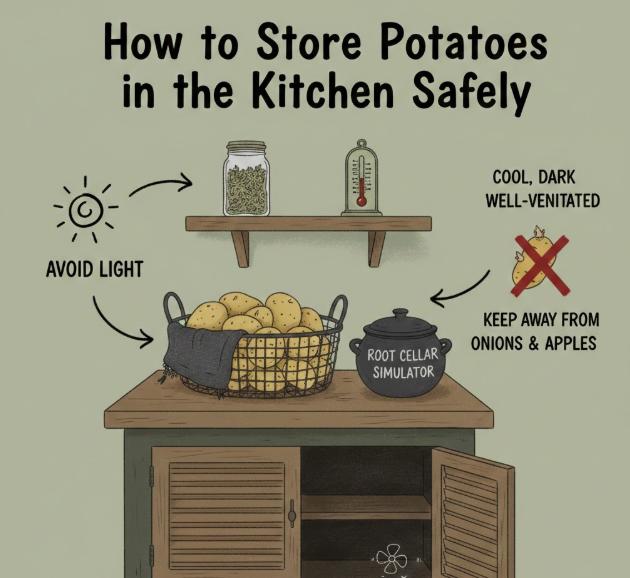
Knowing how to store potatoes in the kitchen focuses on space optimization and airflow. Kitchens often fluctuate in temperature. Strategic placement reduces spoilage risk.
• Keep Away from Stove and Oven
Heat accelerates sprouting.
• Use Lower Cabinets
Cooler than upper shelves.
• Avoid Under Sink Storage
Moisture risk is high.
• Choose Wire Baskets
Encourages airflow.
• Do Not Seal in Plastic Bags
Leads to condensation.
• Inspect Regularly
Prevent spreading decay.
Also Read:- How to Hard Reset iPhone: Complete Step-by-Step Guide for All Models
Expert Storage Mistakes to Avoid
• Storing near sunlight
• Keeping in refrigerator long term
• Washing before storage
• Storing with onions
• Using airtight containers
• Ignoring sprouted potatoes
Conclusion
Learning how to store potatoes correctly ensures better taste, less waste, and longer shelf life. Whether you’re storing potatoes at home, after harvest, or for winter, maintaining cool temperatures, proper humidity, and darkness is essential.
Separate them from onions, avoid refrigeration when possible, and inspect regularly. With proper care, potatoes can last months while maintaining quality and nutrition.
FAQs
How long can potatoes last in proper storage?
Up to 3–6 months in optimal root cellar conditions.
Can I eat sprouted potatoes?
Yes, if firm and sprouts removed, but discard if soft or green.
Should potatoes be stored in plastic bags?
No, breathable materials are better.
Why do potatoes turn green?
Light exposure triggers chlorophyll and solanine production.
What temperature is ideal?
45–55°F (7–13°C).
For More Updates Visit: Biomagazine
