

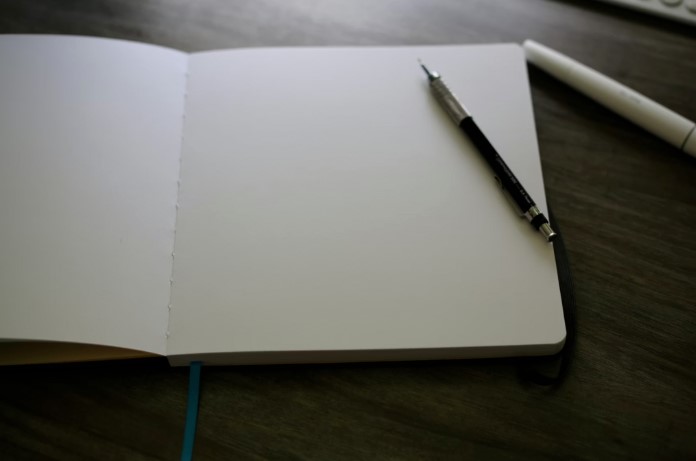
In the analog corners of film production, where directors and storyboard artists still sketch scenes frame by frame, one tool has quietly become indispensable: the mechanical pencil. Unlike traditional wooden pencils that dull with every stroke, mechanical pencils deliver consistent line weight and precision—qualities that matter when translating a director’s vision into visual blueprints.
This isn’t about nostalgia. It’s about control. In an industry where every line communicates camera angles, character positioning, and emotional tone, the right drawing instrument can mean the difference between clarity and confusion. We’ll examine how mechanical pencils evolved into essential everyday carry tools for creatives, what separates a quality instrument from a disposable one, and why film professionals continue to reach for them despite digital alternatives.
From Patent to Pocket: The Mechanical Pencil’s Technical Evolution
The mechanical pencil emerged in the early 19th century as a solution to a practical problem: maintaining consistent line width without interruption. Early patents focused on lead advancement mechanisms, but the real breakthrough came when manufacturers refined the clutch system that holds and releases graphite with precision.
These early innovations laid groundwork for modern drafting tools that would become standard in architecture and engineering. Today’s mechanical pencils inherit that technical DNA, offering several advantages for detailed visual work:
- Consistent line weight: Fixed lead diameter eliminates the variable thickness that comes with wooden pencil wear.
- Uninterrupted workflow: No sharpening breaks mean sustained focus during intensive sketching sessions.
- Precision at scale: Fine lead sizes (0.3mm to 0.5mm) enable detail work that wooden pencils struggle to maintain.
- Reduced hand fatigue: Balanced weight distribution and ergonomic grips support extended drawing periods.
These aren’t marginal improvements. For storyboard artists working under tight production deadlines, the ability to maintain drawing quality across hundreds of frames becomes a practical necessity rather than a luxury preference.
Selecting the Right Instrument: What Actually Matters
The mechanical pencil market ranges from disposable office supplies to precision instruments that cost more than fountain pens. For storyboarding work, certain specifications matter more than others:
- Lead diameter: 0.5mm offers the best balance between detail capability and durability for most artists. Thinner leads (0.3mm) excel at fine work but break easily under pressure. Thicker options (0.7mm and above) suit bold sketching but sacrifice precision.
- Grip design: Knurled metal or textured rubber prevents slippage during long sessions. Smooth plastic grips, common on budget models, become uncomfortable after the first hour.
- Weight and balance: Heavier pencils (typically metal-bodied) provide stability for controlled lines. Lighter plastic models reduce fatigue but offer less drawing control.
- Lead advancement mechanism: Click-advance systems are reliable and quiet. Twist-advance mechanisms offer finer control over lead extension but add complexity.
- Build quality: Metal internal components outlast plastic. The clutch mechanism—which grips the lead—determines longevity more than external materials.
For film professionals, the Rotring 600, Everyman’s Grafton mechanical pencil, and the Pentel GraphGear 1000 each deliver the brass or stainless steel internal mechanisms that maintain consistent performance across thousands of clicks — and represent the kind of durable, precision-engineered tool that withstands production environments.
Design Innovation: Where Function Meets Form
Modern mechanical pencils incorporate features that extend beyond basic lead advancement. These design elements directly impact usability in professional contexts:
- Retractable lead sleeves: Protect the tip during transport and prevent pocket punctures—essential for tools carried daily.
- Lead hardness indicators: Windows or markings that display the currently loaded lead grade (HB, 2B, etc.) eliminate guesswork when switching between pencils.
- Integrated erasers: While rarely sufficient for major corrections, built-in erasers handle quick adjustments without breaking workflow.
- Cushioned lead mechanisms: Spring-loaded tips absorb pressure to reduce lead breakage during aggressive sketching.
- Low center of gravity: Weight concentrated near the tip improves control and reduces the effort needed for precise lines.
These aren’t gimmicks. Each feature addresses specific friction points that emerge during extended use. A retractable tip, for instance, seems minor until you’ve stabbed yourself reaching into a bag for the third time that week.
Engineering Pencils: When Standard Tools Aren’t Enough
Film production demands overlap significantly with technical drafting, particularly in production design and set construction. This is where engineering pencils—a specialized subset of mechanical pencils—become relevant.
Engineering pencils differ from standard mechanical pencils in several ways:
- Lead grade range: Support for harder leads (4H to 6H) that produce extremely fine, light lines for technical drawings.
- Fixed lead sleeves: Extended metal tips (typically 4mm) that allow rulers and templates to sit flush against the paper, enabling precise technical work.
- Professional-grade clutches: Tighter tolerances that prevent lead wobble, critical when drawing straight lines or technical specifications.
- Heavier construction: Additional weight provides stability for controlled, deliberate strokes rather than quick sketching.
These specialized tools remain standard in architecture and engineering firms despite CAD software dominance, precisely because certain tasks—markup, field sketches, and conceptual work—still favor analog precision.
In film contexts, production designers use engineering pencils for set blueprints and technical storyboards that communicate exact measurements to construction teams. The Staedtler 925 and Pentel GraphGear 500 represent industry-standard options that balance precision with practical durability.
Why Film Professionals Keep Mechanical Pencils in Their Kits
Digital storyboarding tools offer obvious advantages: infinite undo, easy duplication, instant sharing. Yet mechanical pencils persist in professional film workflows for reasons that go beyond habit:
- Immediate availability: No boot time, no battery anxiety, no software crashes during critical pre-production meetings.
- Tactile feedback: Direct connection between hand and paper that many artists find essential for spontaneous ideation.
- Universal compatibility: Works with any paper, any lighting condition, any location—from production offices to outdoor location scouts.
- Minimal learning curve: New team members can contribute immediately without software training.
- Archival reliability: Physical sketches don’t depend on file format compatibility or cloud service continuity.
This doesn’t mean digital tools are inferior. Rather, mechanical pencils occupy a specific niche in the creative toolkit: rapid ideation, collaborative sketching, and situations where analog simplicity outweighs digital flexibility. For professionals who move between office environments and active film sets, a quality mechanical pencil remains as essential as a reliable notebook.
Precision as Process: Integrating Quality Tools into Creative Work
Storyboarding translates abstract narrative concepts into concrete visual sequences. The tool used for this translation isn’t incidental—it shapes how ideas flow from imagination to paper. A mechanical pencil that requires constant lead adjustment or produces inconsistent lines creates friction that disrupts creative momentum.
Quality matters because attention matters. When your drawing instrument works reliably, focus stays on composition, camera angles, and visual storytelling rather than tool management. This is why experienced storyboard artists invest in professional-grade mechanical pencils rather than treating them as commodity office supplies.
The characteristics that define a professional tool—consistent performance, ergonomic design, durable construction—aren’t luxuries. They’re the baseline requirements for instruments used daily under deadline pressure. Whether you’re sketching preliminary concepts or finalizing production boards, the right mechanical pencil becomes invisible in use, allowing the work itself to take center stage.
For film professionals building or refining their everyday carry toolkit, the mechanical pencil deserves the same consideration given to cameras, lenses, and other essential equipment. It’s not about fetishizing analog tools or resisting digital progress. It’s about recognizing that certain creative processes still benefit from the directness, reliability, and precision that a well-engineered mechanical pencil provides.
