

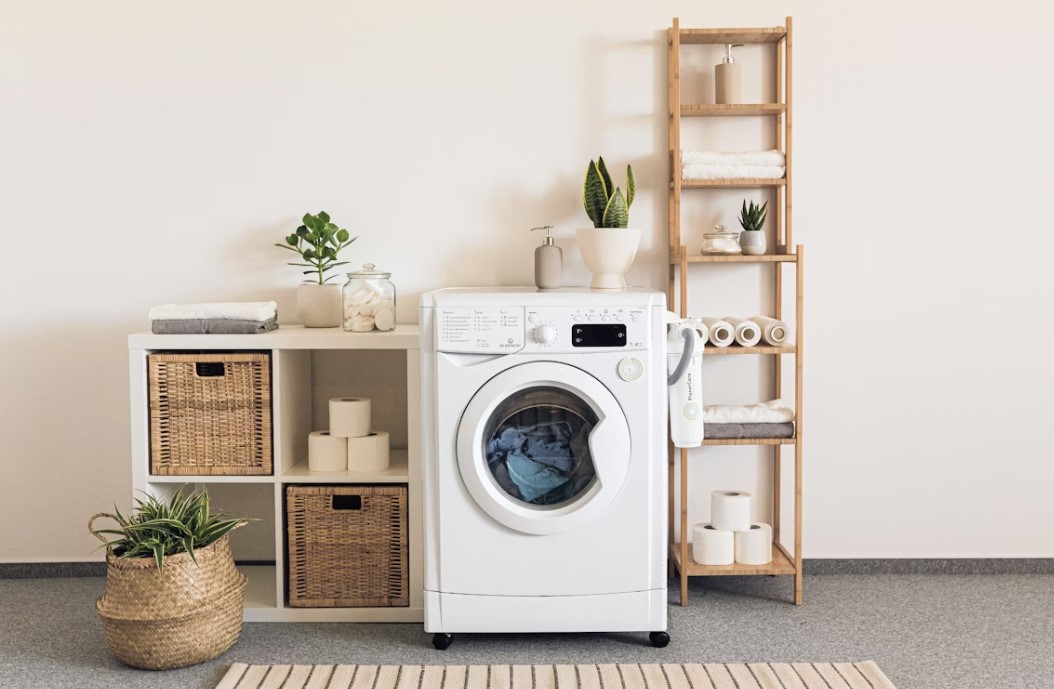
A washing machine is an essential appliance in every home, but like any other device, it needs regular maintenance to function efficiently. Over time, washing machines can accumulate grime, detergent residue, and even mildew, making them less effective and causing unpleasant odors. If you’re asking how to clean washing machine parts such as the drum, filter, or rubber seal, you’re in the right place!
In this comprehensive guide, we’ll explore effective methods for cleaning both front loaders and top loaders, and even offer tips on tackling stubborn areas like the washing machine filter and rubber seal. Whether you’re using vinegar and baking soda or a simple water rinse, we’ve got actionable tips to help you restore your machine to its best condition.
Why Should You Clean Your Washing Machine?
Washing machines are prone to buildup due to regular exposure to detergent, fabric softener, and water. Without regular cleaning, washing machines can:
- Harbor bacteria and mold: Warm, damp environments are perfect breeding grounds for bacteria, especially around the drum and rubber seals.
- Affect washing performance: Dirt and grime buildup can interfere with the cleaning process, making your machine less efficient.
- Create foul odors: Mildew, detergent residue, and grime often lead to bad smells that transfer to your clothes.
- Clog filters and hoses: Buildup of lint and debris can block filters and drainage hoses, reducing your machine’s efficiency.
Also Read: Raymour and Flanigan: Latest Furniture Trends and Deals 2024
How to Clean Washing Machine Front Loader
Front-loading washers are popular for their energy and water efficiency, but their design can sometimes make them prone to mold and mildew buildup around the door seal. Here’s how you can keep your front loader in top condition:
Step 1: Clean the Rubber Seal
The rubber washing machine seal is an area where moisture tends to accumulate, making it a perfect place for mold and mildew growth.
- Inspect: Pull back the rubber seal and check for any visible mold, grime, or trapped lint.
- Clean: Use a mixture of vinegar and water (1:1 ratio) to wipe down the rubber. You can also use a mild soap solution for stubborn spots. Scrub gently with an old toothbrush to reach the crevices.
- Dry: Always leave the door open after a wash cycle to allow air to circulate and dry out the rubber seal.
Step 2: Clean the Drum
The washing machine drum should be cleaned regularly to prevent soap residue buildup. Here’s how to do it:
- Run a cycle: Set your washing machine on the hottest and longest cycle. Add two cups of vinegar to the drum and run the cycle without clothes.
- Rinse: Once the cycle is done, run an additional rinse cycle with just water to ensure no vinegar residue remains.
- Optional: If you notice heavy buildup, use baking soda in conjunction with vinegar. Add one cup of baking soda and run the machine on a hot cycle.
Step 3: Clean the Filter
A clogged washing machine filter can cause drainage problems and bad odors. Most front loaders have a filter at the bottom of the machine.
- Locate the filter: Check your user manual for filter location. It’s usually behind a small panel at the bottom.
- Remove debris: Open the panel, pull out the filter, and remove any visible lint or debris.
- Clean the filter: Wash it under warm water and use a small brush to scrub away any grime.
How to Clean Washing Machine Top Loader
Top loaders are slightly easier to maintain than front loaders due to their design, but they still require regular cleaning. Here’s how to clean your top-loader machine effectively:
Step 1: Clean the Drum
- Add vinegar and baking soda: Add one cup of vinegar and one cup of baking soda directly into the drum of the washing machine.
- Run the cycle: Run the machine on the hottest water setting and the longest cycle.
- Wipe down: After the cycle, use a clean cloth to wipe the inside of the drum, removing any remaining residue or water spots.
Step 2: Clean the Rubber Seal
Like front loaders, top loaders also have rubber seals, typically around the top lid. Cleaning this part is important for preventing odors and mold.
- Inspect the rubber seal: Check around the lid for mold, detergent buildup, or debris.
- Wipe down: Use a vinegar and water solution (or a commercial cleaner) to scrub the seal with a cloth. If you have stubborn grime, use a toothbrush to scrub the corners.
Step 3: Clean the Filter (Top Loader Specific)
Top loaders also have filters that catch lint and other debris. These need to be cleaned regularly.
- Locate the filter: Many top loaders have a washing machine filter near the agitator. You can usually pull it out easily.
- Clean the filter: Remove any debris and wash the filter under running water.
Also Read: How Holistic Healthcare Enhances Mind, Body, and Soul
How to Clean Washing Machine with Vinegar and Baking Soda
If you’re looking for a natural, cost-effective way to clean your washing machine, vinegar and baking soda are your best friends. Both ingredients are excellent for breaking down buildup, deodorizing, and disinfecting.
Why Vinegar and Baking Soda Work
- Vinegar acts as a natural disinfectant and helps to dissolve mineral deposits, soap scum, and mildew. It also helps to neutralize odors.
- Baking soda is mildly abrasive and works as a gentle scrubber. It can help to break down grease and grime, and also neutralizes odors.
Cleaning Instructions
- Add vinegar: Add two cups of vinegar directly into the drum.
- Add baking soda: Add one cup of baking soda into the drum as well.
- Run the cycle: Set the machine on its hottest and longest cycle to ensure the solution works through all the parts.
- Wipe down: After the cycle finishes, wipe down the interior of the drum, door, and rubber seals to remove any leftover buildup.
How to Clean Washing Machine Filter
Cleaning your washing machine filter is essential for smooth drainage and performance. The filter traps lint, hair, and debris that could otherwise clog the system.
Step-by-Step Cleaning Process for Top Loaders and Front Loaders
- Turn off the machine and unplug it to ensure safety.
- Locate the filter: The filter can be found either near the drum (in front loaders) or around the agitator (in top loaders). It is often behind a small door or panel.
- Remove debris: Take out the filter and remove any trapped lint, debris, or objects.
- Clean the filter: Wash it under warm water to remove any grime. You may use a soft brush to scrub any stubborn buildup.
- Replace the filter: Once cleaned, replace the filter back in its original position.
How to Clean Washing Machine Seal
The washing machine rubber seal can be a hotspot for mold, grime, and detergent buildup. Keeping it clean ensures that your washing machine operates smoothly and doesn’t smell.
Cleaning Instructions
- Inspect: Pull back the rubber seal to check for any buildup.
- Clean: Use a vinegar and water mixture or a dedicated washing machine cleaner to wipe down the seal. A toothbrush can help scrub tight corners.
- Dry: Leave the washing machine door open for a while to allow the seal to dry completely.
Also Read: How to Select Durable and Attractive Pre Roll Packaging
Conclusion: Maintain a Clean Washing Machine for Better Performance
Maintaining a clean washing machine not only ensures that your clothes come out fresh and clean but also extends the lifespan of your appliance. Whether you’re cleaning a front loader or top loader, the methods outlined above—using vinegar, baking soda, and routine filter maintenance—will help keep your machine in optimal condition.
By following these simple steps, you can prevent odors, improve washing efficiency, and avoid costly repairs. Remember to clean your washing machine regularly to keep it performing at its best.
FAQs
Q1: How often should I clean my washing machine?
A1: You should clean your washing machine every 1–3 months, depending on usage. Regular cleaning helps prevent mold, mildew, and buildup in your machine.
Q2: Can I use bleach instead of vinegar to clean my washing machine?
A2: Yes, bleach can also be used, but vinegar is a safer, more natural option for cleaning and deodorizing your machine.
Q3: Why does my washing machine smell?
A3: A smelly washing machine is often caused by mold or mildew in the drum or rubber seals. Cleaning these areas regularly should help prevent odors.
Q4: How do I clean the filter in my front loader?
A4: The filter in front loaders is typically located near the bottom of the machine. Open the access panel, remove the filter, and clean it under running water to remove debris.
For More Updates Visit: Biomagazine
