

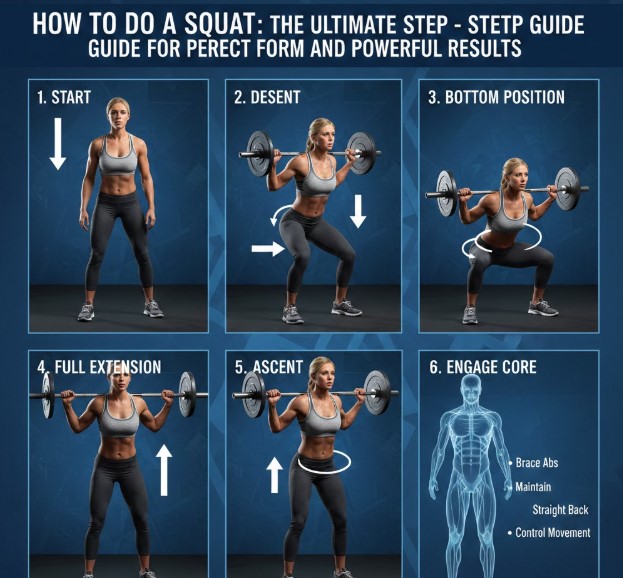
If you’ve ever searched for how to do a squat, you’re already on the path to mastering one of the most powerful, functional, and transformative exercises in fitness. The squat is not just a lower-body movement—it’s a foundational human pattern that strengthens your legs, glutes, core, and even your confidence. Whether you’re training at home, in a commercial gym, or just starting your fitness journey, understanding how to do a squat properly can dramatically improve your results while protecting your joints and spine.
According to the American Council on Exercise, compound exercises like squats engage multiple muscle groups simultaneously, making them highly effective for strength development and calorie burn. Research published in the National Strength and Conditioning Association journals further supports squats as a cornerstone of athletic performance training.
What Is a Squat Exercise and Why Is It So Important?
A squat is a compound lower-body movement where you bend your hips and knees to lower your body toward the ground, then return to standing. While it may look simple, learning how to do a squat correctly requires attention to posture, alignment, breathing, and muscular control. Squats mimic everyday movements like sitting and standing, making them highly functional for daily life and athletic performance.
Understanding how to do a squat exercise properly ensures optimal activation of the quadriceps, gluteus maximus, hamstrings, calves, and core stabilizers. When executed correctly, the squat enhances balance, coordination, and mobility. Poor form, however, can lead to knee strain or lower-back discomfort.
• Full-Body Strength Development
Squats are not just a leg exercise; they recruit your core, spinal erectors, and even upper-back muscles for stabilization. This integrated activation builds functional strength that transfers to sports, lifting, and daily tasks. When you consistently practice how to do a squat properly, your entire kinetic chain becomes more resilient.
• Increased Muscle Mass and Metabolism
Large muscle groups such as the glutes and quadriceps require significant energy to train. By performing squats regularly, you stimulate hypertrophy and increase resting metabolic rate. This is why many strength coaches recommend squats as a primary movement in fat-loss programs.
• Improved Joint Mobility and Stability
When performed through a full range of motion, squats enhance ankle dorsiflexion, hip mobility, and knee stability. This reduces injury risk and improves movement quality in other exercises like lunges and deadlifts.
• Enhanced Core Engagement
Your abdominal and oblique muscles engage to stabilize your torso during squats. Learning how to do a squat correctly teaches you to brace your core effectively, protecting your spine during lifting.
• Hormonal Benefits
Compound lifts like squats stimulate anabolic hormone release, including growth hormone and testosterone. These responses support muscle development and overall strength gains.
• Functional Fitness for Everyday Life
From lifting groceries to standing up from a chair, squats replicate real-world movement patterns. Mastering this exercise improves independence and long-term mobility.
Also Read:- How to Delete Instagram Account: The Complete 2025 Step-by-Step Guide
How to Do a Squat Properly: Step-by-Step Form Guide
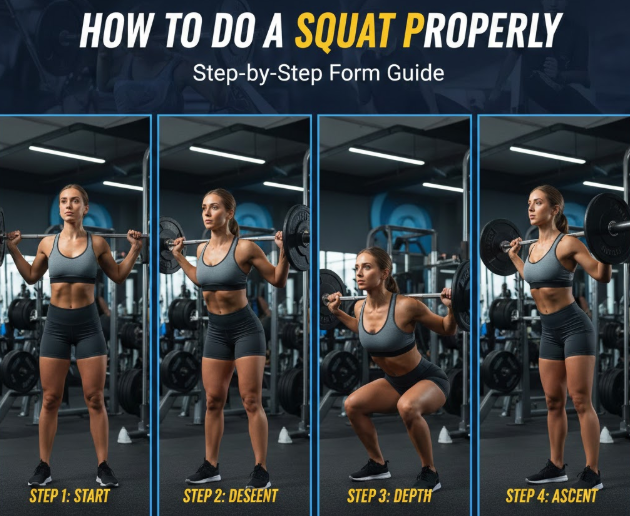
When people ask how to do a squat properly, they’re often concerned about safety and results. Proper form ensures maximum muscle engagement while minimizing stress on joints and ligaments. The following breakdown will help you refine your technique from the ground up.
• Set Your Stance and Foot Position
Stand with your feet shoulder-width apart or slightly wider, toes pointing slightly outward. This alignment allows your hips to open naturally as you descend. Proper stance improves balance and reduces knee stress, especially for beginners learning how to do a squat for the first time.
• Engage Your Core Before Moving
Take a deep breath into your diaphragm and brace your core as if preparing for a gentle punch. This spinal stabilization technique prevents rounding and excessive arching in the lower back. Without proper bracing, even bodyweight squats can place unnecessary strain on your lumbar spine.
• Initiate Movement from the Hips
Push your hips backward before bending your knees. Think of sitting into a chair behind you. This hip hinge pattern distributes load evenly between glutes and quadriceps. Initiating with the knees first often leads to forward knee travel and reduced glute activation.
• Maintain a Neutral Spine Throughout
Keep your chest lifted and shoulders back while avoiding hyperextension. Your gaze should remain forward or slightly downward. Neutral alignment ensures force transfer remains efficient and protects intervertebral discs.
• Descend to Appropriate Depth
Lower until your thighs are at least parallel to the floor or slightly below if mobility allows. Depth depends on flexibility, ankle mobility, and hip structure. Avoid sacrificing spinal alignment for deeper range.
• Drive Through the Heels to Stand
Press through your midfoot and heels as you extend your hips and knees. Squeeze your glutes at the top without locking your knees aggressively. Controlled ascent reinforces strength and muscle activation.
Also Read:- How to Store Potatoes: The Complete Expert Guide for Freshness, Flavor, and Long-Term Storage
How to Do a Squat Correctly: Avoiding Common Mistakes
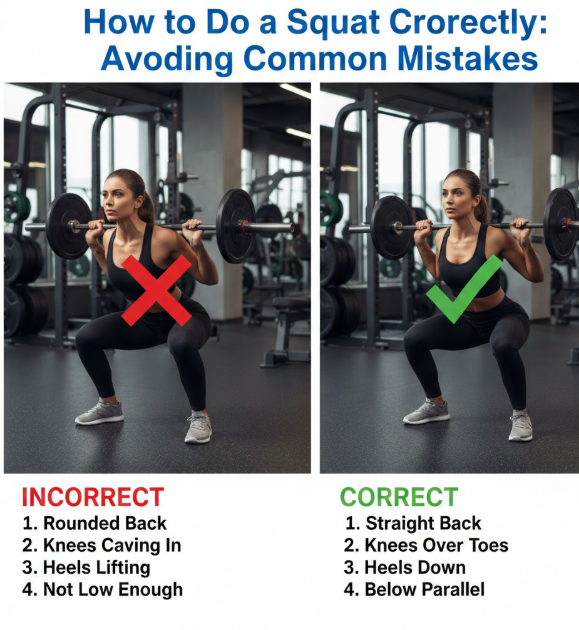
Even experienced lifters sometimes struggle with technical errors. Understanding how to do a squat correctly involves recognizing and correcting these common issues.
• Knees Caving Inward (Valgus Collapse)
This usually results from weak glutes or poor awareness. Strengthening hip abductors and focusing on pushing knees outward can resolve the issue.
• Heels Lifting Off the Floor
Limited ankle mobility often causes this. Practice calf stretches and ensure weight stays centered over midfoot.
• Excessive Forward Lean
While slight forward torso angle is natural, excessive lean can overload the lower back. Strengthen core and upper back muscles to improve posture.
• Rounding the Lower Back (Butt Wink)
Posterior pelvic tilt at the bottom may occur due to mobility restrictions. Adjust depth and work on hip flexibility.
• Incomplete Range of Motion
Half squats reduce effectiveness. Gradually increase depth while maintaining alignment.
• Improper Breathing Patterns
Holding breath too long or exhaling too early can destabilize your spine. Learn to brace and exhale strategically during ascent.
Also Read:- How to Read Palms: Complete Beginner’s Guide to Palm Reading, Lines, and Meanings
How to Do a Squat with Weights
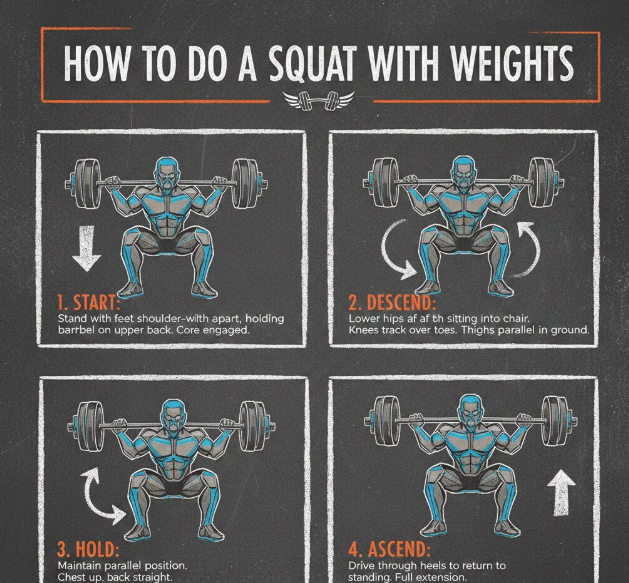
Once bodyweight form is mastered, adding resistance increases strength and hypertrophy.
• Start with Light Dumbbells
Hold weights at your sides or in goblet position. This reinforces upright posture.
• Maintain Core Bracing
Weighted squats increase spinal load. Proper bracing prevents injury.
• Progress Gradually
Increase resistance incrementally to allow connective tissues to adapt.
• Focus on Controlled Tempo
Slow descent builds time under tension and muscle control.
• Avoid Ego Lifting
Prioritize technique over load to sustain long-term progress.
• Track Your Progress
Record reps, sets, and weight to ensure progressive overload.
How to Do a Squat with Bar (Barbell Back Squat)
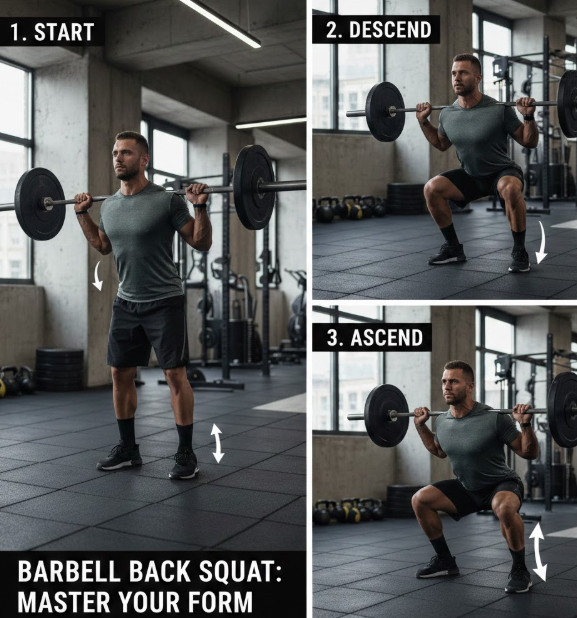
The barbell squat is a foundational strength movement.
• Position the Bar Correctly
Place it across your upper traps (high bar) or rear delts (low bar).
• Grip and Elbow Alignment
Keep elbows angled downward to stabilize upper back.
• Unrack with Stability
Stand tall before stepping back carefully.
• Maintain Midfoot Balance
Distribute weight evenly for control.
• Descend with Control
Avoid bouncing excessively at the bottom.
• Re-Rack Safely
Step forward fully before lowering bar onto hooks.
Also Read:- How to Tie a Tie: The Complete Step-by-Step Expert Guide
How to Do a Squat Jump
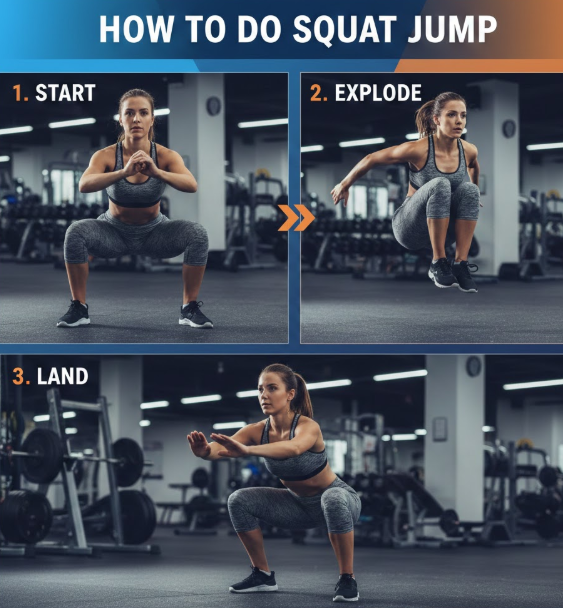
Squat jumps develop explosive power.
• Start with Proper Squat Form
Master bodyweight mechanics first.
• Load the Hips Before Jumping
Use hip hinge to generate force.
• Explode Upward
Extend ankles, knees, and hips simultaneously.
• Land Softly
Absorb impact through bent knees.
• Keep Core Engaged
Prevents excessive forward collapse.
• Limit Repetitions
Focus on quality, not fatigue.
Also Read:- How to Reopen Closed Tabs: The Complete 2026 Expert Guide
How to Do a Squat for Beginners
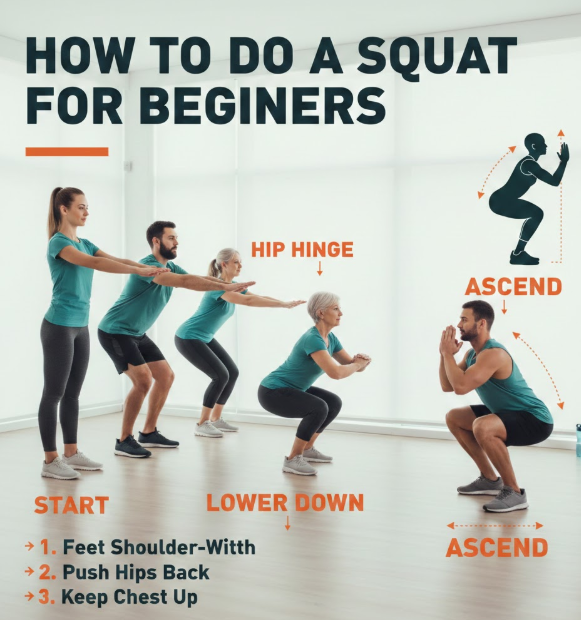
Beginners should prioritize control and consistency.
• Practice Chair Squats
Use a box or bench as depth guide.
• Use Mirrors for Feedback
Check knee and back alignment.
• Start with Bodyweight Only
Build coordination first.
• Perform Mobility Warmups
Loosen hips and ankles before training.
• Keep Repetitions Moderate
Focus on technique rather than exhaustion.
• Seek Professional Guidance
Certified trainers can refine form.
Also Read:- How to Make Sticky Rice: The Complete Authentic Step-by-Step Guide
How to Do a Squat Thrust
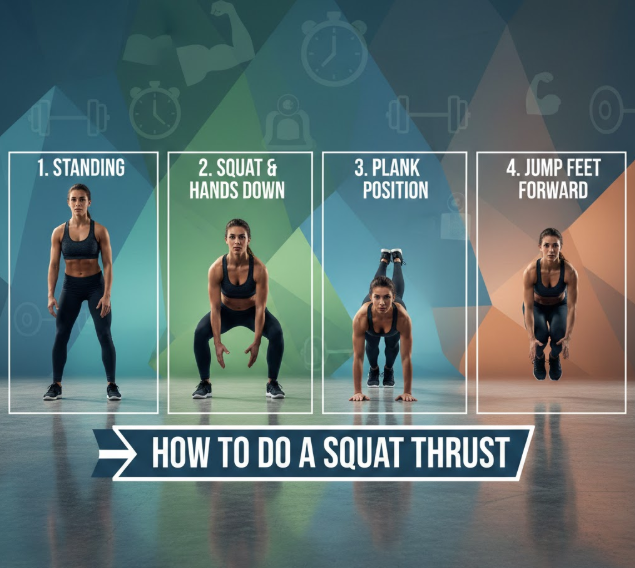
A squat thrust is a conditioning move combining strength and cardio.
• Begin in Standing Position
Feet hip-width apart.
• Drop into Squat and Place Hands Down
Maintain flat back.
• Jump Feet Back into Plank
Keep core tight.
• Return Feet to Squat Position
Avoid sagging hips.
• Stand Explosively
Optional jump for intensity.
• Maintain Rhythm
Consistency improves cardiovascular endurance.
Also Read:- How to Remove Skin Tags at Home: Safe, Natural, and Fast Methods That Work
Conclusion
Learning how to do a squat is one of the smartest investments you can make in your fitness journey. Whether you aim to build muscle, lose fat, enhance athletic performance, or simply move better in daily life, mastering squat mechanics lays a powerful foundation. Focus on form first, progress gradually, and stay consistent. With patience and proper technique, squats can transform your strength, posture, and overall health.
FAQs
How often should I squat each week?
Most beginners benefit from 2–3 sessions weekly with adequate recovery.
Are squats bad for knees?
When performed correctly, squats strengthen the muscles supporting the knees and can improve joint stability.
Should my knees go past my toes?
Slight forward knee travel is natural depending on limb proportions and mobility.
Is deep squatting safe?
For most healthy individuals with proper mobility, deep squats are safe and beneficial.
Can I do squats every day?
Daily bodyweight squats are possible, but heavy weighted sessions require recovery.
For More Updates Visit: Biomagazine
