

Chipmunks may look harmless and even cute, but when they invade your yard, garden, or home, they can quickly become destructive pests. From digging burrows under foundations to chewing wiring in attics and walls, chipmunks cause far more damage than most homeowners realize. If you’re searching for how to get rid of chipmunks, the solution requires understanding their behavior, habitat preferences, and proven control strategies.
According to wildlife control studies, chipmunks can create dozens of burrows in a single property, destabilizing soil, damaging landscaping, and increasing the risk of structural issues. This in-depth guide explains how to get rid of chipmunks naturally, humanely, and effectively, whether they’re in your yard, garden, walls, attic, garage, or under your foundation.
Understanding Chipmunk Behavior Before Removal
Chipmunks are territorial rodents that thrive in areas with cover, food access, and undisturbed soil. They are most active during daylight hours and can enter homes through openings as small as 1.5 inches.
Key behaviors that influence removal:
- Strong homing instincts
- Excellent digging and climbing ability
- Food caching habits
- Seasonal activity peaks (spring and fall)
Successful chipmunk control always starts with habitat modification combined with deterrence or exclusion.
Also Read:- How to Flush Water Heater: A Complete Homeowner’s Maintenance Guide
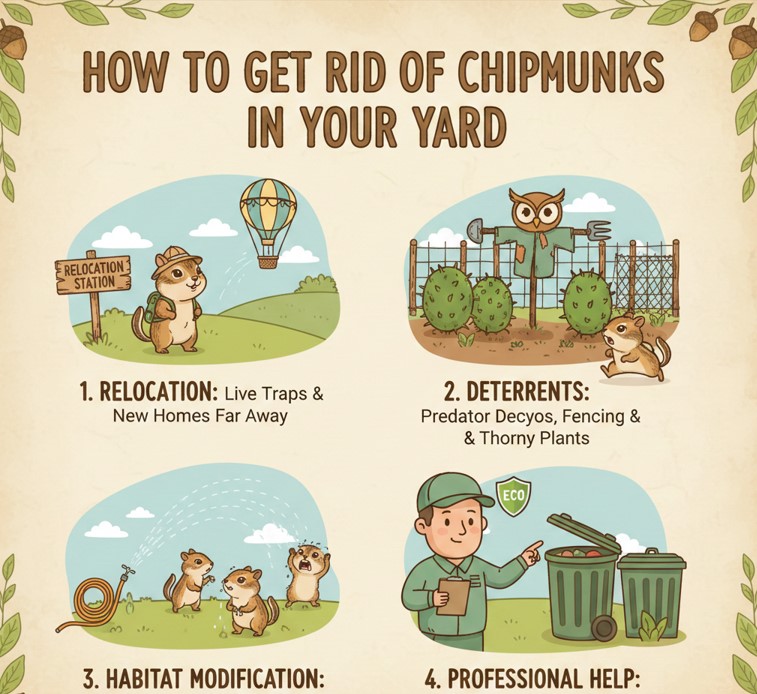
How to Get Rid of Chipmunks in Your Yard
Definition and Scope
Yard infestations are the most common chipmunk problem and often the source of further invasion into homes and structures.
Effective Yard Control Strategies
• Eliminating Food Sources
Chipmunks are attracted to fallen seeds, bird feeders, pet food, and unsecured garbage. Removing or elevating feeders and cleaning debris reduces attraction significantly.
• Reducing Ground Cover
Dense shrubs, woodpiles, and rock walls provide shelter. Thinning vegetation removes hiding places that chipmunks rely on for safety.
• Soil Disturbance Techniques
Chipmunks prefer undisturbed soil. Regular raking and soil disruption near burrow entrances encourages relocation.
• Motion-Activated Deterrents
Water sprayers and ultrasonic devices can discourage chipmunks when used consistently.
• Burrow Identification and Treatment
Locate entry holes and treat them with repellents or exclusion materials like gravel and wire mesh.
• Consistent Yard Maintenance
A tidy yard with trimmed grass and minimal clutter is far less attractive to burrowing rodents.
Also Read:- How to Grow Asparagus: A Complete Step-by-Step Guide for Beginners and Experts
How to Get Rid of Chipmunks in Garden Areas

Definition and Impact
Gardens provide ideal chipmunk habitats due to loose soil, seeds, fruits, and vegetables.
Garden-Specific Solutions
• Raised Bed Protection
Installing hardware cloth beneath soil prevents burrowing into root zones.
• Plant Selection Awareness
Chipmunks favor bulbs, berries, and seeds. Choosing less attractive plants reduces damage.
• Natural Repellents
Garlic, cayenne pepper, and predator urine deter chipmunks when reapplied regularly.
• Netting and Barriers
Covering plants with mesh prevents access to edible portions.
• Soil Compaction Techniques
Firming soil around plants reduces digging.
• Harvest Timing
Prompt harvesting removes food incentives that attract chipmunks.
Also Read :- How to Stop Sneezing: A Complete, Doctor-Reviewed Guide for Instant and Long-Term Relief
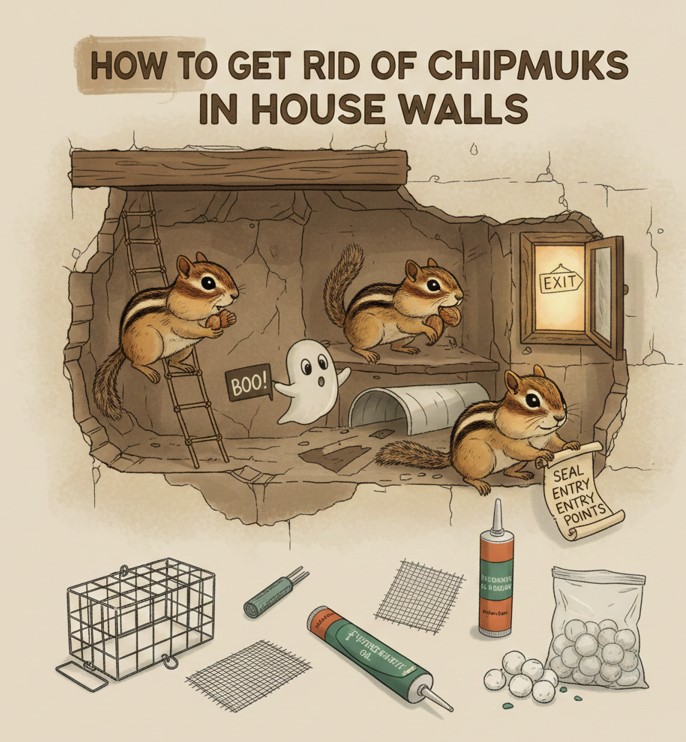
How to Get Rid of Chipmunks in House Walls
Definition and Risks
Chipmunks in walls pose serious fire and structural risks due to chewing on wiring and insulation.
Wall Infestation Control
• Sound and Odor Detection
Scratching noises and musky odors indicate nesting activity.
• Entry Point Identification
Inspect siding, vents, and foundation gaps for access points.
• One-Way Exclusion Doors
Allow chipmunks to exit without re-entry.
• Sealing After Removal
Use metal flashing and concrete patching for permanent closure.
• Insulation Inspection
Damaged insulation should be replaced to prevent odor attraction.
• Professional Evaluation
Wall infestations often require expert wildlife control.
Also Read:- How to Get Rid of Carpenter Bees: The Complete Expert Guide
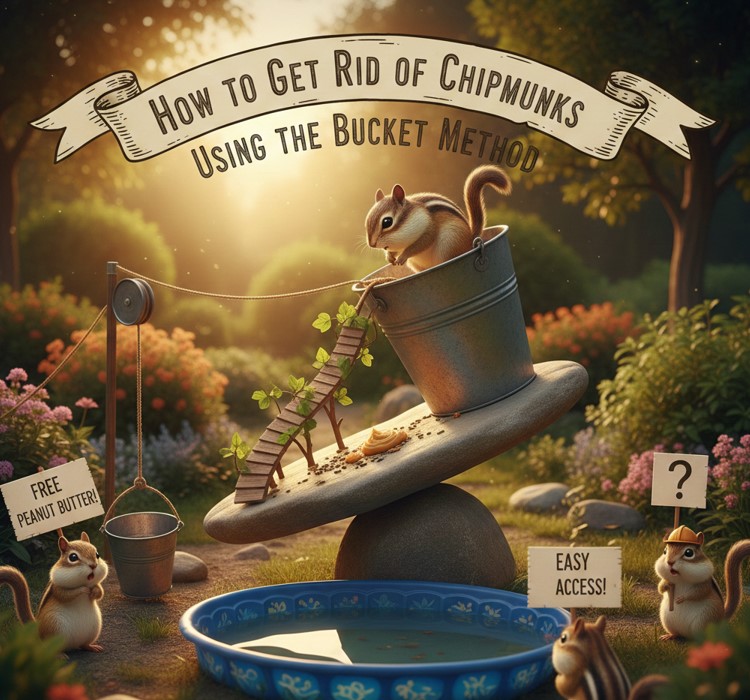
How to Get Rid of Chipmunks Using the Bucket Method
Definition and Method Overview
The bucket method is a DIY trapping technique that can be lethal or non-lethal depending on setup.
Bucket Method Considerations
• Bucket Depth and Stability
A minimum 5-gallon bucket prevents escape.
• Bait Selection
Seeds and peanut butter attract chipmunks effectively.
• Water vs Dry Setup
Water creates a lethal trap; dry setups allow relocation.
• Placement Strategy
Position near active burrows.
• Ethical and Legal Concerns
Local laws may regulate trapping methods.
• Monitoring Frequency
Check traps daily to prevent suffering.
Also Read:- How to Shrink Jeans: A Complete, Expert-Backed Guide for Perfect Fit
How to Get Rid of Chipmunks in the Attic
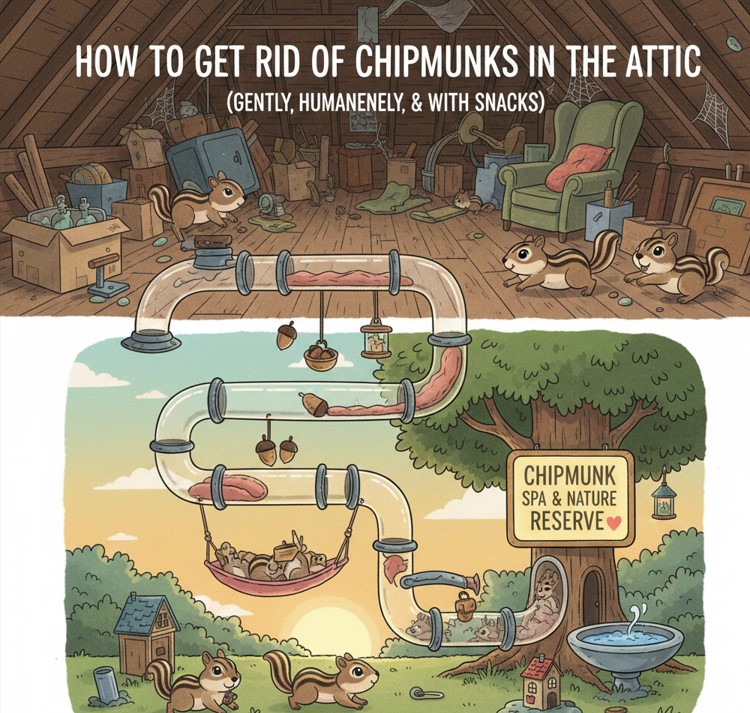
Definition and Damage Potential
Attics offer warmth, insulation, and safety from predators.
Attic Removal Steps
• Noise Confirmation
Daytime movement is typical of chipmunks.
• Entry Sealing
Roofline gaps and soffits are common entry points.
• Live Trapping
Humane traps minimize attic damage.
• Nest Removal
Remove stored food and nesting materials.
• Odor Neutralization
Enzyme cleaners reduce re-attraction.
• Long-Term Exclusion
Install vent covers and chimney caps.
Also Read:- How to Get Oil Stains Out of Clothes Complete Expert Guide
How to Get Rid of Chipmunks Without Killing Them
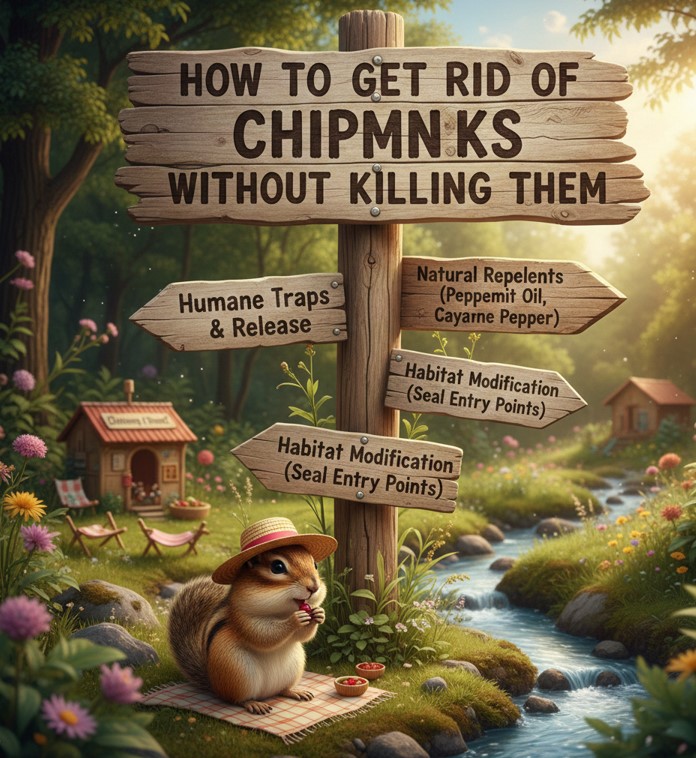
Definition and Humane Focus
Non-lethal methods prioritize relocation and deterrence.
Humane Solutions
• Live Traps
Allow capture and release according to local regulations.
• Habitat Modification
Remove shelter and food access.
• Natural Repellents
Peppermint oil, garlic spray, and predator scents deter chipmunks.
• Ultrasonic Devices
Variable-frequency devices prevent habituation.
• Exclusion Fencing
Buried fencing blocks burrow access.
• Consistency Over Time
Humane methods require persistence.
Also Read:- How to Ripen Bananas: The Ultimate Guide to Fast and Natural Ripening Methods
How to Get Rid of Chipmunks in the Garage

Definition and Risk Areas
Garages provide warmth, stored food, and hiding places.
Garage-Specific Control
• Door Seal Maintenance
Replace worn weather stripping.
• Food Storage Security
Store seeds and pet food in sealed containers.
• Trap Placement
Position along walls where chipmunks travel.
• Clutter Reduction
Remove boxes and debris.
• Scent Deterrents
Ammonia-soaked rags discourage nesting.
• Structural Sealing
Seal wall gaps and utility penetrations.
Also Read: How to Get Rid of Cockroaches: The Complete, Proven Guide for Permanent Control
How to Get Rid of Chipmunks Under the Foundation
Definition and Structural Risk
Burrowing under foundations can cause settling and water intrusion.
Foundation Protection Measures
• Burrow Mapping
Identify tunnel networks.
• Gravel Backfill
Discourages digging.
• Hardware Cloth Installation
Creates underground barriers.
• Soil Compaction
Reduces burrow stability.
• Drainage Improvement
Dry soil is less attractive.
• Professional Assessment
Severe cases may require structural evaluation.
Also Read:- How to Fold a Pocket Square: The Complete Gentleman’s Guide to Timeless Style
How to Get Rid of Chipmunks Naturally
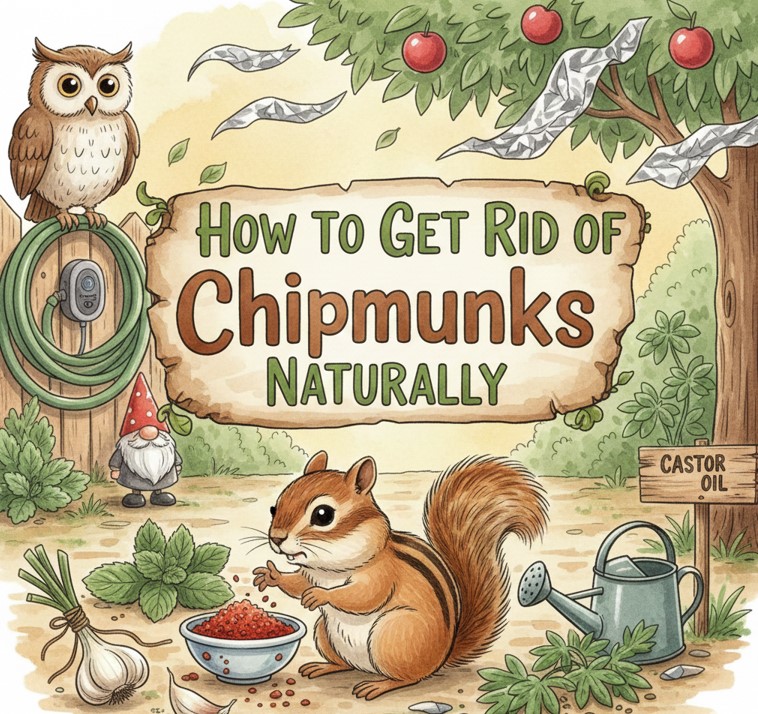
Definition and Eco-Friendly Approach
Natural methods avoid chemicals and lethal control.
Natural Deterrent Options
• Predator Presence
Encourage owls or use decoy predators.
• Plant-Based Repellents
Mint, daffodils, and marigolds deter chipmunks.
• Essential Oils
Peppermint and eucalyptus oils disrupt scent trails.
• Soil Texture Changes
Coarse materials deter digging.
• Noise and Motion Devices
Unpredictable disturbances reduce comfort.
• Long-Term Habitat Changes
Make the environment inhospitable.
Conclusion
Learning how to get rid of chipmunks effectively requires patience, consistency, and an understanding of their habits. Whether they’re in your yard, garden, walls, attic, or under your foundation, the most successful approach combines habitat modification, exclusion, and humane deterrents. By addressing the root cause—not just the symptoms—you can protect your home and landscape without harming wildlife.
FAQs
Are chipmunks dangerous?
They rarely attack humans but can cause structural damage and carry parasites.
Do mothballs repel chipmunks?
No. Mothballs are toxic and unsafe for pets and people.
How long does chipmunk removal take?
Typically 1–3 weeks with consistent effort.
For More Updates Visit: Biomagazine
