

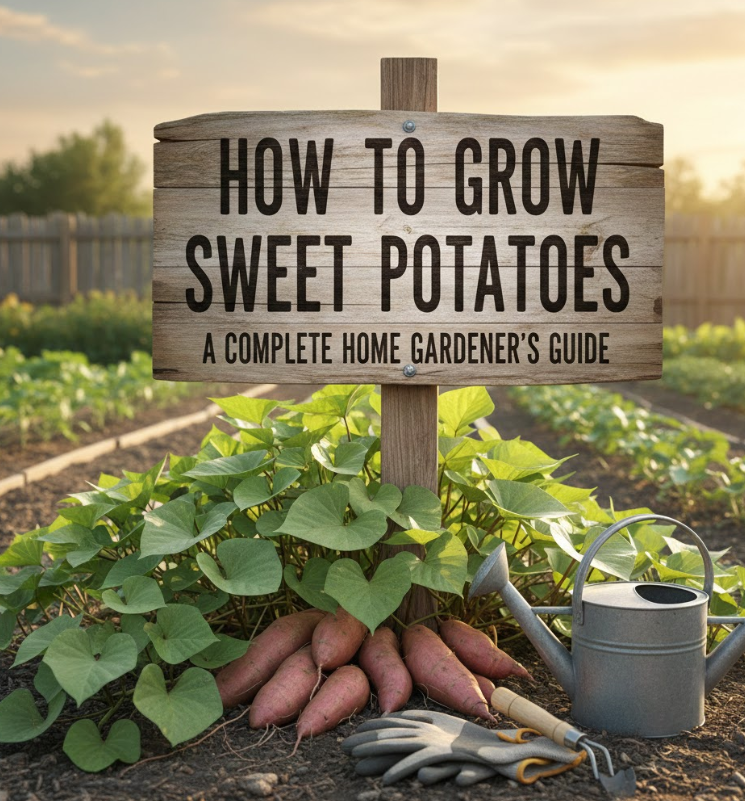
Growing your own vegetables is one of the most rewarding gardening experiences, and learning how to grow sweet potatoes is especially satisfying. Sweet potatoes are nutritious, versatile, and surprisingly easy to grow when you understand their unique needs. Whether you have a backyard garden, a balcony, or even just a sunny window, sweet potatoes can thrive with the right method.
This in-depth guide explains how to grow sweet potatoes in multiple ways, including containers, water, grow bags, and directly at home using store-bought tubers. Each method is explained in detail so you can confidently choose what works best for your space, climate, and experience level.
Why Learn How to Grow Sweet Potatoes at Home
Sweet potatoes are a warm-season crop packed with fiber, antioxidants, and vitamins A and C. According to the USDA, one medium sweet potato provides over 400% of your daily vitamin A needs, making it one of the most nutrient-dense vegetables available. Growing them at home ensures freshness, eliminates pesticide exposure, and significantly reduces grocery costs.
Unlike regular potatoes, sweet potatoes grow from slips, which are vine cuttings. Once established, they require minimal maintenance and reward growers with abundant harvests.
How to Grow Sweet Potatoes in Containers
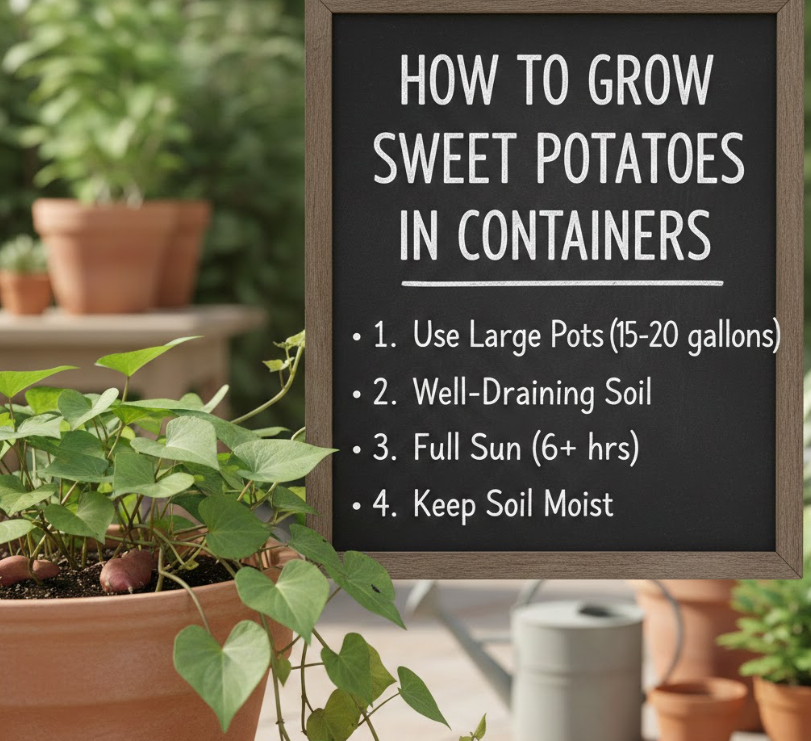
Growing sweet potatoes in containers means cultivating them in pots rather than in-ground soil. This method is ideal for patios, balconies, and small gardens. Containers allow better soil control, drainage, and mobility for optimal sunlight.
Detailed Explanation and Key Practices
• Choosing the right container size
Sweet potatoes develop underground tubers that need space. A container should be at least 12–18 inches deep and wide to allow proper root expansion. Shallow pots restrict growth and reduce yield.
• Selecting loose, well-draining soil
Compact soil prevents tuber formation. A mix of potting soil, compost, and sand improves aeration while retaining enough moisture for consistent growth.
• Planting slips correctly
Plant slips at a slight angle with the roots buried and leaves above soil. Proper spacing prevents overcrowding and allows vines to spread naturally.
• Providing sufficient sunlight
Sweet potatoes need 6–8 hours of direct sunlight daily. Containers make it easy to reposition plants for maximum sun exposure.
• Consistent watering routine
Containers dry out faster than garden beds. Deep, regular watering encourages strong root development without waterlogging.
• Managing vine growth
Vines can be trained around the container or trimmed lightly. This directs energy toward tuber development rather than excessive foliage.
Also Read:- How to Freeze Green Beans: Complete Step-by-Step Guide for Long-Term Freshness
How to Grow Sweet Potatoes in Water
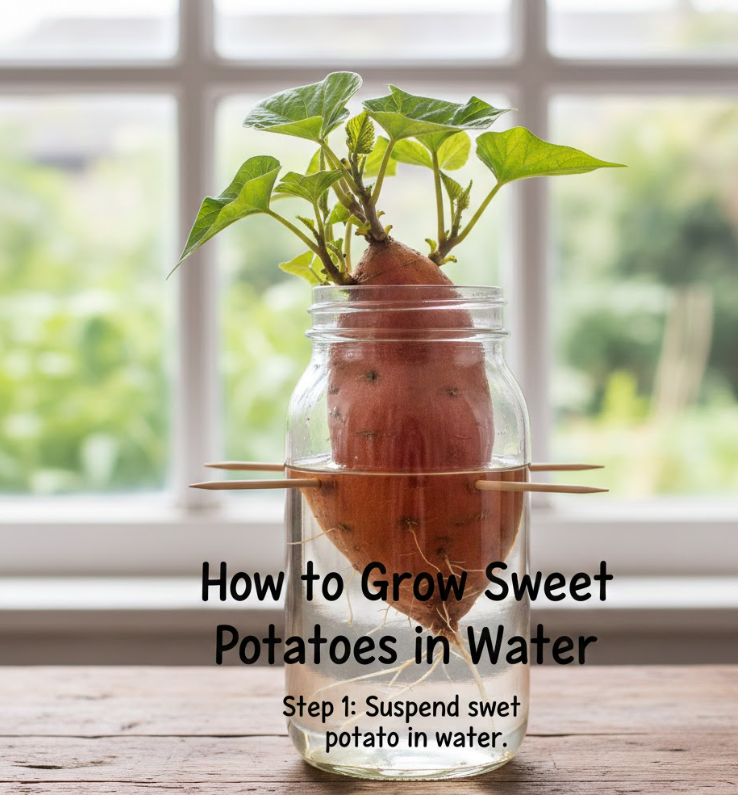
Growing sweet potatoes in water is a propagation method used to produce slips. It involves suspending a sweet potato in water until shoots and roots form. This is often the first step before planting in soil.
Detailed Explanation and Key Practices
• Choosing a healthy sweet potato
Select a firm, organic sweet potato without wax coatings. Store-bought organic varieties sprout more reliably.
• Positioning in water properly
Insert toothpicks into the sides of the potato and suspend it halfway in water. The bottom should stay submerged to stimulate roots.
• Maintaining clean water
Change the water every 2–3 days to prevent bacterial growth. Clean water encourages healthy root development.
• Providing warm temperatures
Sweet potatoes sprout best at temperatures above 70°F (21°C). A warm windowsill accelerates growth.
• Watching for slip development
Within 2–4 weeks, green shoots emerge. These slips are the foundation for growing sweet potatoes successfully.
• Separating slips carefully
Once slips reach 6–8 inches, twist them gently from the potato and place them in water until roots develop.
Also Read:- How to Delete DoorDash Account: Complete Step-by-Step Guide (2026)
How to Grow Sweet Potatoes From Store Bought Tubers
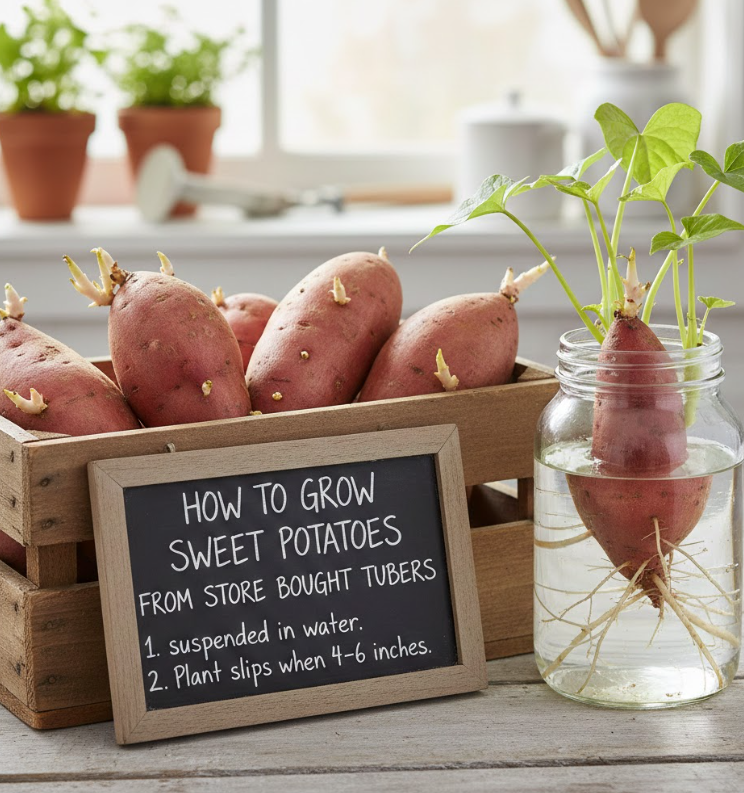
Growing sweet potatoes from store-bought tubers involves sprouting slips from purchased sweet potatoes. This is a cost-effective and beginner-friendly method. Organic varieties yield the best results.
Detailed Explanation and Key Practices
• Selecting organic sweet potatoes
Non-organic tubers are often treated with sprout inhibitors. Organic sweet potatoes are more likely to produce healthy slips.
• Sprouting slips successfully
Use either water or soil to sprout slips. Both methods work when warmth and moisture are consistent.
• Timing the planting season
Sweet potatoes require a long growing season of 90–120 days. Plant slips outdoors only after the last frost.
• Preparing soil for planting
Loose, sandy soil prevents misshapen tubers. Raised beds or mounded soil improve drainage and warmth.
• Spacing slips properly
Plant slips 12–18 inches apart. Proper spacing reduces competition and increases tuber size.
• Monitoring early growth
Young plants need consistent moisture and warmth. Early stress can reduce overall yield.
Also Read:- How to Clean Rust Off Metal: Complete Expert Guide for Home & Tools
How to Grow Sweet Potatoes in Bags
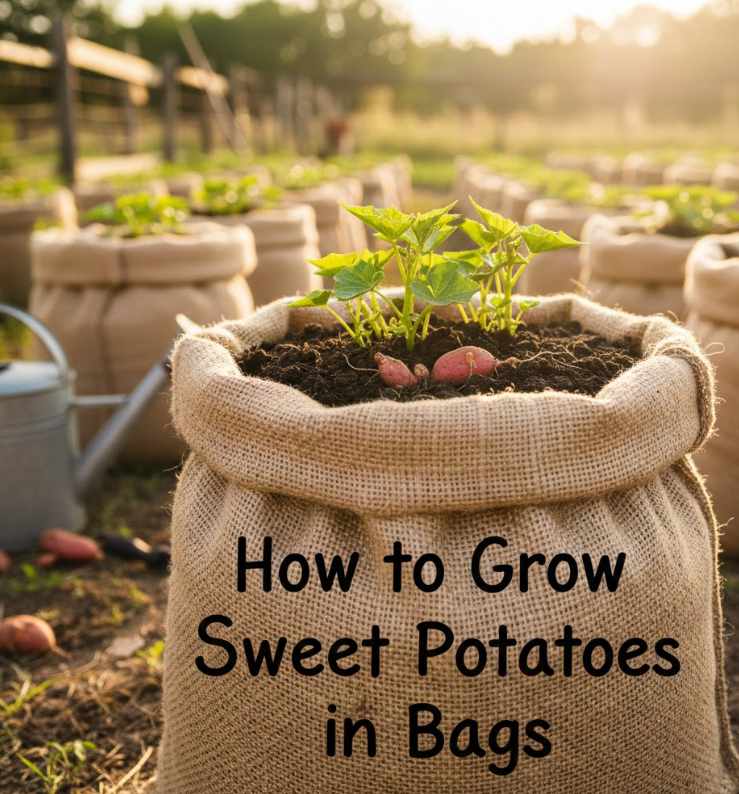
Growing sweet potatoes in bags uses fabric or grow bags instead of pots. These bags improve drainage and air circulation. They are ideal for renters or limited spaces.
Detailed Explanation and Key Practices
• Choosing breathable grow bags
Fabric bags prevent root rot and overheating. They also promote healthy root pruning.
• Filling with quality soil mix
A loose soil blend supports tuber expansion. Compost enriches nutrients naturally.
• Planting slips at correct depth
Cover roots fully while keeping leaves exposed. Proper depth supports strong anchoring.
• Ensuring even moisture
Grow bags dry faster than ground soil. Frequent, deep watering is essential.
• Positioning for sunlight
Place bags where they receive full sun most of the day. Light drives photosynthesis and tuber growth.
• Harvesting with ease
One major benefit of bags is easy harvesting. Simply empty the bag to reveal sweet potatoes without digging.
Also Read:- How to Crochet a Blanket: A Complete Beginner-to-Expert Guide
How to Grow Sweet Potatoes at Home
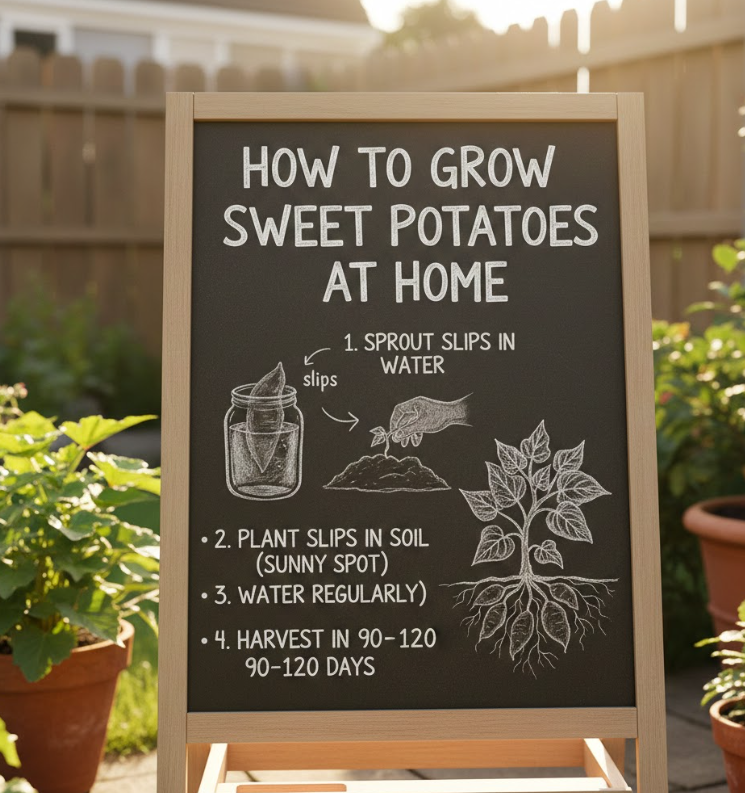
Growing sweet potatoes at home refers to cultivating them in any available space—indoors, balconies, or backyards. This approach adapts methods to household conditions. It focuses on flexibility and accessibility.
Detailed Explanation and Key Practices
• Understanding climate needs
Sweet potatoes thrive in warm conditions. Indoor growing may require supplemental light and heat.
• Using vertical vine management
At home, vines can be trained upward or along trellises to save space.
• Controlling pests naturally
Indoor or home gardens reduce pest exposure. Neem oil and manual inspection prevent infestations.
• Balancing nutrients carefully
Excess nitrogen leads to leafy growth with poor tuber formation. Balanced fertilizer is essential.
• Allowing sufficient growing time
Sweet potatoes need patience. Harvesting too early reduces size and sweetness.
• Curing after harvest
Curing at warm temperatures improves sweetness and shelf life. This step is often overlooked but crucial.
Also Read:- How to Skate: The Complete Step-by-Step Guide for Beginners and Beyond
Common Mistakes When Learning How to Grow Sweet Potatoes
• Planting too early in cold soil
• Using compact or clay-heavy soil
• Overwatering during early growth
• Harvesting before maturity
• Ignoring curing process
Avoiding these mistakes dramatically improves success rates.
Conclusion: Mastering How to Grow Sweet Potatoes
Learning how to grow sweet potatoes empowers you to produce a nutrient-rich, versatile crop at home using multiple methods. Whether grown in containers, water, bags, or from store-bought tubers, sweet potatoes reward patience with abundant harvests. By understanding soil, sunlight, and slip development, even beginners can achieve consistent success.
FAQs
How long does it take to grow sweet potatoes?
Most varieties take 90–120 days from planting slips to harvest.
Can sweet potatoes grow indoors?
Yes, with sufficient light, warmth, and space for vines.
Do sweet potatoes need fertilizer?
Yes, but low-nitrogen fertilizer works best for tuber growth
For More Updates Visit: Biomagazine
