

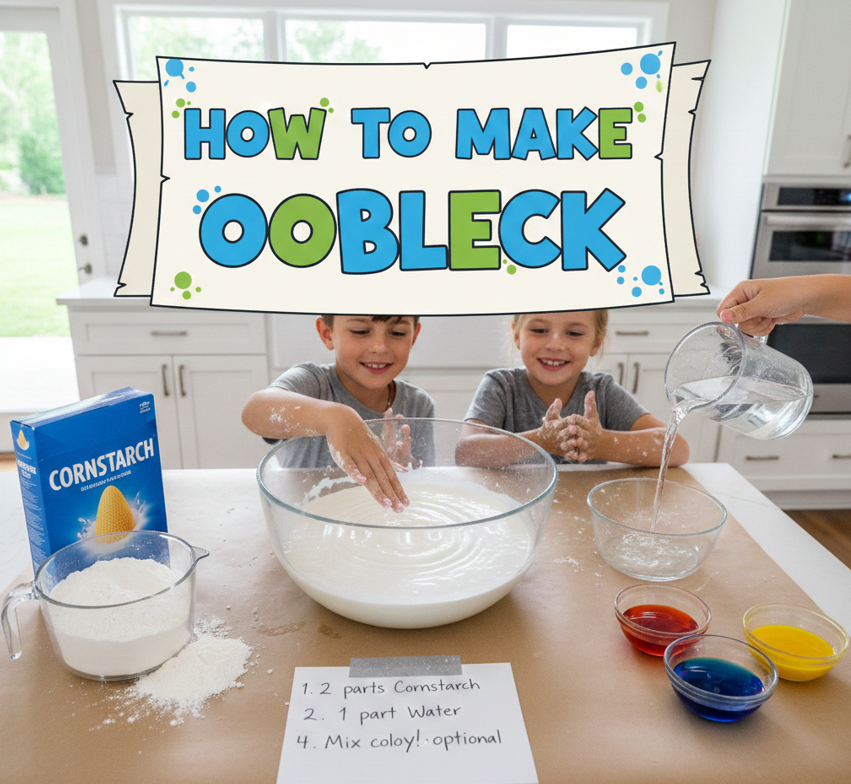
Learning how to make oobleck is more than a simple DIY activity—it is an engaging way to explore science through hands-on play. Oobleck is a non-Newtonian fluid, meaning it behaves like a solid when pressure is applied and flows like a liquid when left alone. This unusual behavior makes it one of the most popular science experiments for kids, classrooms, and curious adults.
The reason oobleck fascinates so many people lies in its ability to break the normal rules of liquids and solids. You can squeeze it into a ball, punch it without sinking, and then watch it slowly melt through your fingers. Because it uses common household ingredients, oobleck is safe, affordable, and easy to customize.
In this guide, you’ll learn how to make oobleck using different ingredients, including cornstarch, flour, baking soda, and kid-friendly variations, while understanding the science behind each method.
What Is Oobleck? (Science Explained Simply)
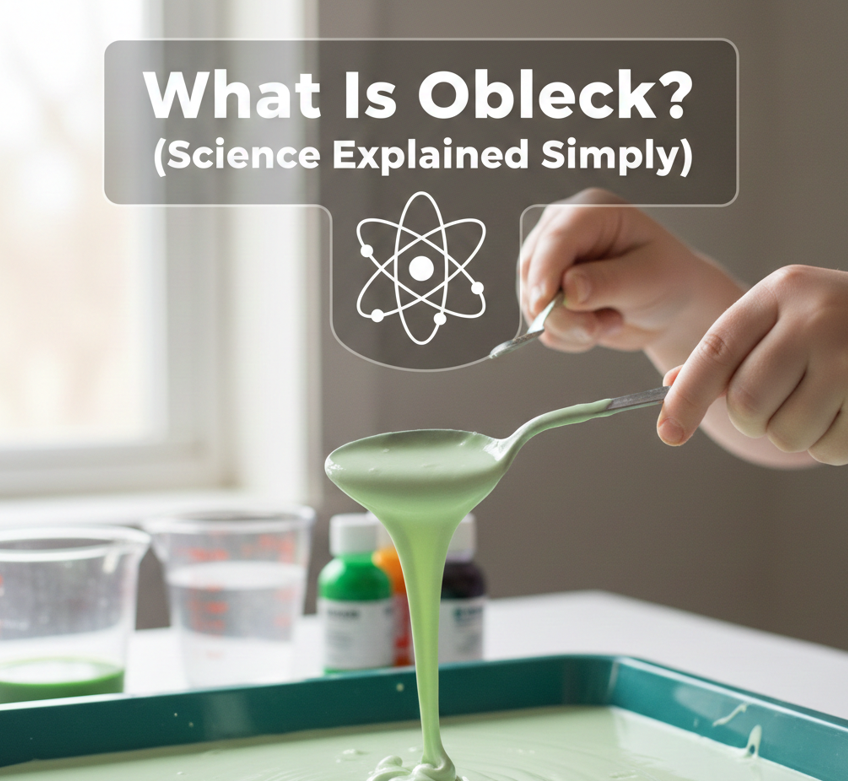
Oobleck is a classic example of a shear-thickening non-Newtonian fluid, meaning its viscosity changes depending on the force applied. Unlike water or oil, oobleck reacts dynamically to pressure.
• Oobleck behaves like a solid when force is applied because the particles lock together temporarily under pressure.
• When pressure stops, the particles loosen, allowing the mixture to flow like a liquid again.
• This behavior happens because solid particles suspend in water without fully dissolving.
• Scientists often use oobleck to demonstrate fluid dynamics in an easy-to-understand way.
• The name “oobleck” comes from a Dr. Seuss book, adding a playful element to learning science.
• Oobleck experiments help children understand physics concepts through sensory play.
Also Read: How to Make Netherite Armor: The Ultimate Minecraft Survival Guide
How to Make Oobleck Ingredients (What You Need and Why They Matter)
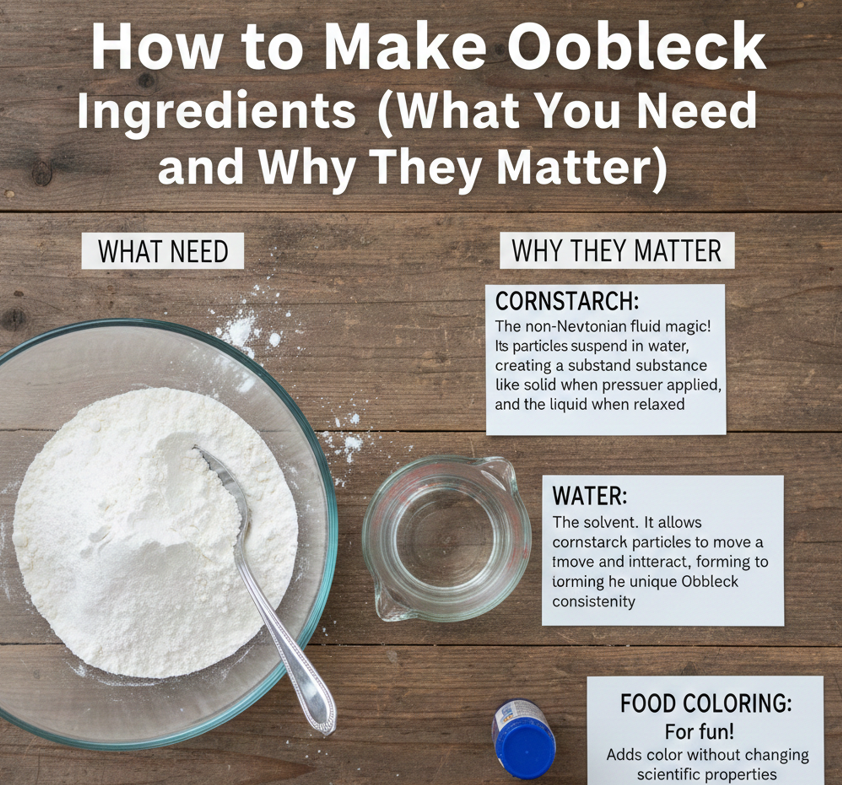
Before learning how to make oobleck, it’s important to understand the role each ingredient plays in creating its unique texture. Ingredient selection affects consistency, safety, and educational value.
• The main ingredient acts as the solid particle base, usually cornstarch or flour.
• Water serves as the liquid medium that allows particles to move and interact.
• Food coloring adds visual engagement, especially for children’s activities.
• Mixing bowls and spoons ensure even blending without clumping.
• Measuring tools help achieve the correct ratios for ideal consistency.
• Optional additives like glitter or scented oils enhance sensory experience safely.
Also Read: How to Check Tire Pressure: A Complete Step-by-Step Guide for Every Driver
How to Make Oobleck With Cornstarch (Classic Method)
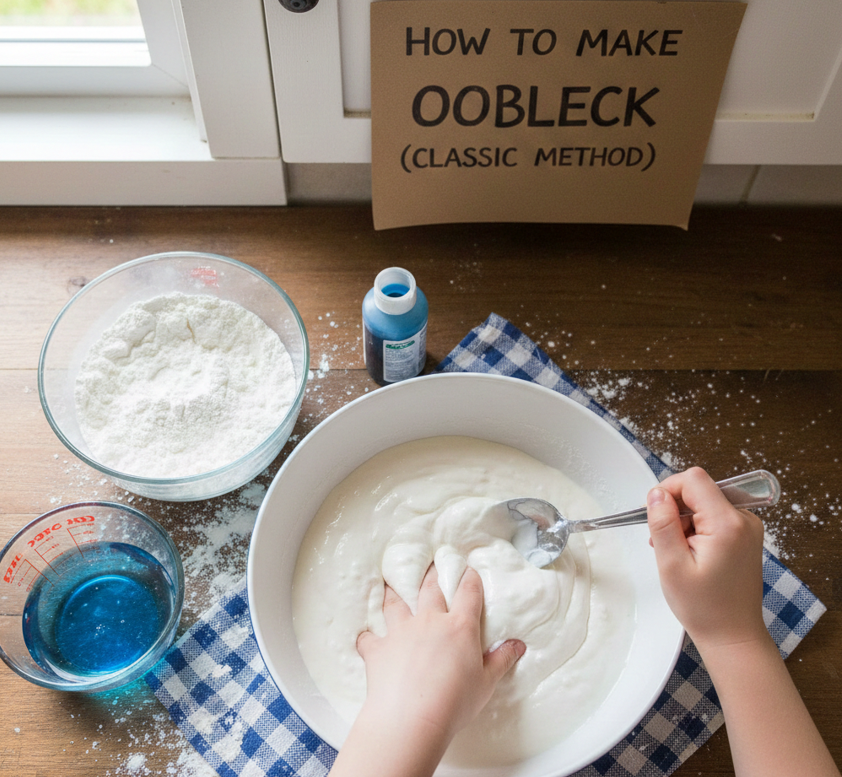
This is the most popular and scientifically accurate method for learning how to make oobleck, as cornstarch creates the strongest non-Newtonian behavior.
• Start by adding cornstarch to a large mixing bowl to form the solid particle base.
• Slowly pour water while mixing to control thickness and prevent over-liquefying.
• Adjust the ratio until the mixture feels solid when squeezed and liquid when released.
• Add food coloring gradually to avoid altering the mixture’s consistency.
• Test the oobleck by tapping or rolling it between your hands.
• Store unused oobleck in an airtight container to extend its usability.
Also Read: How to Make Heavy Cream at Home: Easy, Reliable Methods That Actually Work
How to Make Oobleck Without Cornstarch
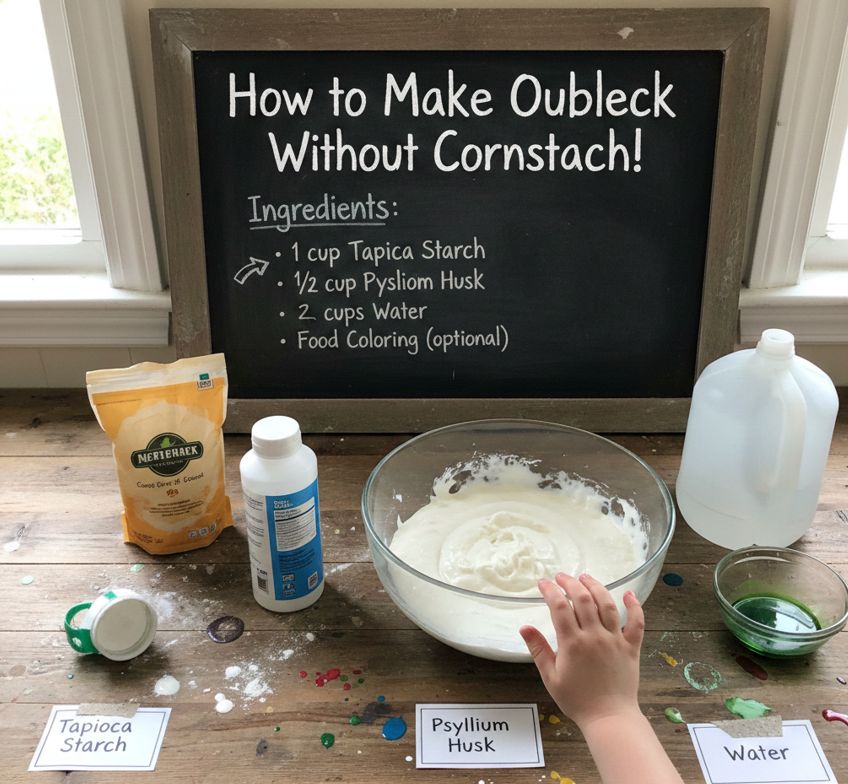
If cornstarch is unavailable, people still search for how to make oobleck without cornstarch using alternative materials, though results vary.
• Flour can partially replicate oobleck’s behavior but produces weaker reactions.
• Potato starch or arrowroot powder work as closer substitutes than flour.
• Alternative starches require careful water control to avoid stickiness.
• The texture may feel more dough-like than true oobleck.
• Non-cornstarch versions still provide educational value for experimentation.
• These substitutes help demonstrate how particle size affects fluid behavior.
Also Read: How to Cut a Watermelon: The Complete Practical Guide for Every Occasion
How to Make Oobleck With Flour
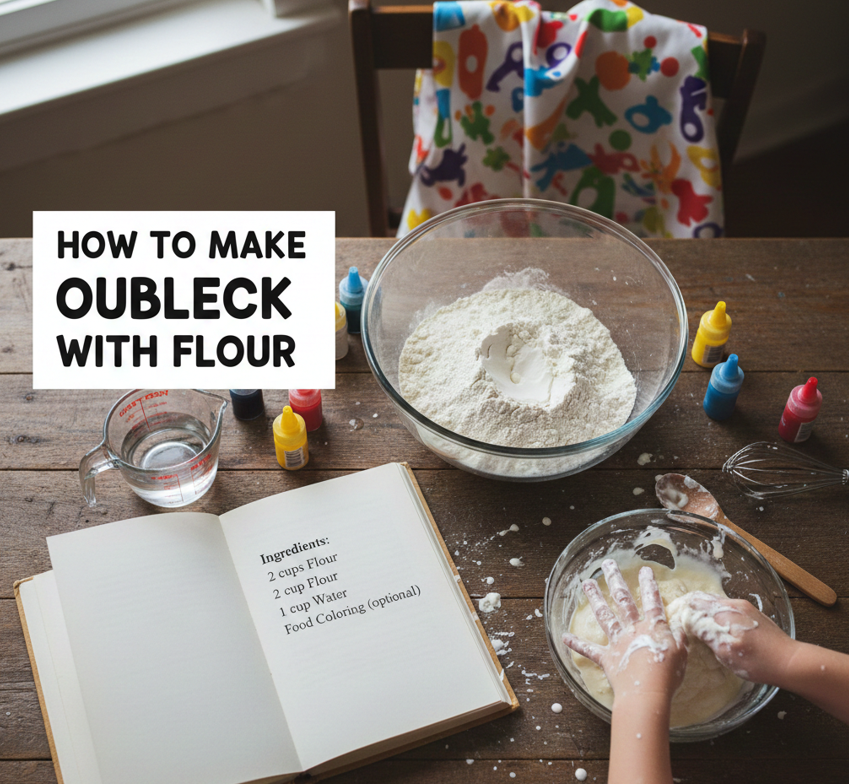
Flour-based oobleck is common in households and is often used for quick science demonstrations.
• Flour particles absorb more water, changing the mixture’s responsiveness.
• The mixture behaves more like thick paste than classic oobleck.
• Mixing requires slower water addition to prevent clumping.
• Flour oobleck dries faster and may crack when left exposed.
• It offers a useful comparison to cornstarch-based oobleck.
• This method teaches why material choice matters in science experiments.
Also Read: How to Get Rid of a Stye Overnight: Proven Remedies That Actually Work
How to Make Oobleck With Baking Soda
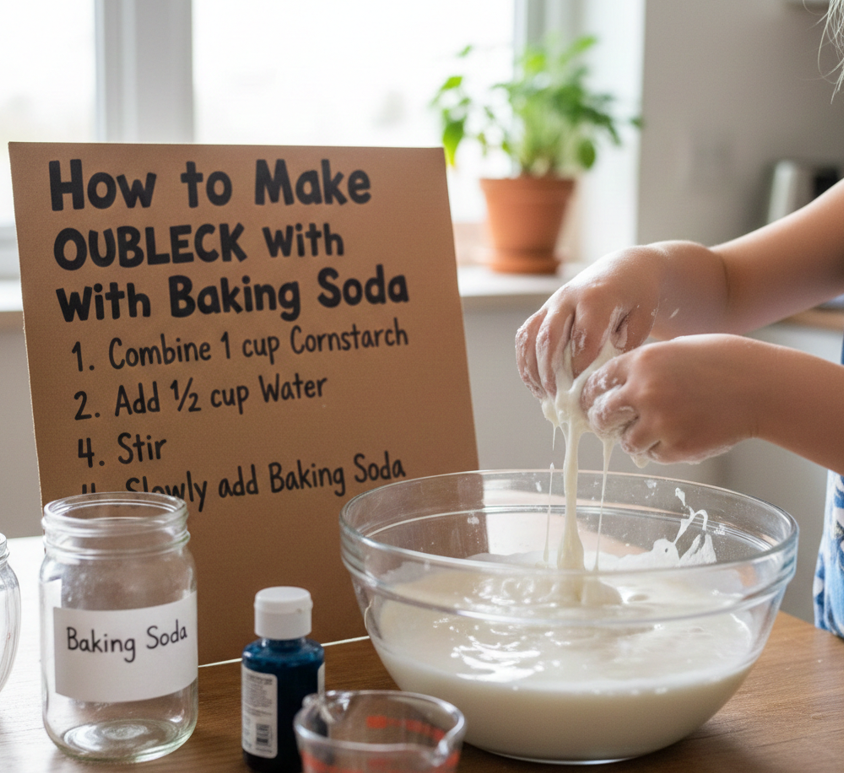
Many people ask how to make oobleck with baking soda, but this ingredient behaves differently than starch.
• Baking soda dissolves in water rather than suspending particles.
• The mixture does not create true non-Newtonian behavior.
• Baking soda versions fizz if acids are introduced.
• This method works better as a chemistry experiment than oobleck.
• It teaches solubility versus suspension concepts clearly.
• Baking soda experiments help explain why starch is essential.
Also Read: How to Make Cold Foam: The Complete Expert Guide for Coffee Lovers
How to Make Oobleck for Kids (Safe and Educational)
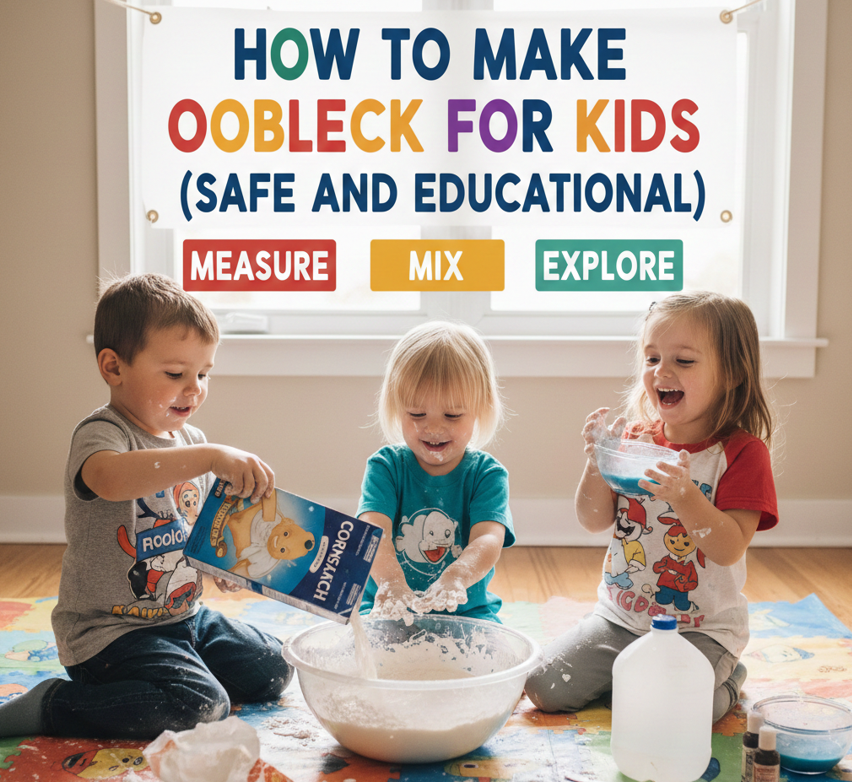
Kid-friendly oobleck focuses on safety, fun, and learning through play while explaining how to make oobleck in simple terms.
• Use non-toxic, food-safe ingredients only.
• Choose bright colors to keep children engaged.
• Allow hands-on exploration under supervision.
• Encourage kids to describe how the mixture feels.
• Turn the activity into a science lesson with simple explanations.
• Clean up easily using warm water before drying occurs.
Also Read:How to Measure Ring Size: The Complete Step-by-Step Guide for Accurate Results
Why Oobleck Behaves Like a Solid and a Liquid
Understanding why oobleck changes states helps reinforce the science behind learning how to make oobleck.
• Pressure forces particles together, restricting movement.
• Lack of pressure allows water to separate particles.
• This temporary bonding causes solid-like behavior.
• The process reverses instantly when force stops.
• Scientists call this shear-thickening behavior.
• Oobleck demonstrates real-world physics principles.
Common Mistakes When Making Oobleck
Avoiding mistakes improves results and ensures the best learning experience.
• Adding too much water too quickly ruins consistency.
• Using the wrong ingredient ratios weakens the effect.
• Letting oobleck dry makes cleanup difficult.
• Expecting baking soda to behave like starch causes confusion.
• Storing improperly leads to mold or hardening.
• Skipping testing steps prevents fine-tuning texture.
Conclusion: Why Learning How to Make Oobleck Is Worth It
Learning how to make oobleck combines fun, creativity, and science into one unforgettable experience. Whether you use cornstarch, flour, or alternative materials, oobleck offers a powerful way to explore physics hands-on. It encourages curiosity, critical thinking, and joyful learning for kids and adults alike.
FAQs
Q: Is oobleck safe for kids?
Yes, when made with food-safe ingredients and supervision.
Q: Can oobleck be reused?
Yes, if stored properly in an airtight container.
Q: Why doesn’t flour oobleck work the same?
Flour particles absorb water differently than starch.
For More Updates Visit: Biomagazine
