

Learning how to make playdough at home is one of the most enjoyable, educational, and cost-effective activities for children and parents alike. Homemade playdough encourages creativity, fine motor skill development, and sensory exploration, while giving adults full control over ingredients, texture, and safety.
This expert-crafted guide explains how to make playdough using multiple proven methods—from classic flour recipes to no-cook versions, slime hybrids, and texture adjustments. Based on hands-on experience, early childhood education practices, and food-safe material standards, this article ensures results that are fun, safe, and long-lasting.
How to Make Playdough at Home
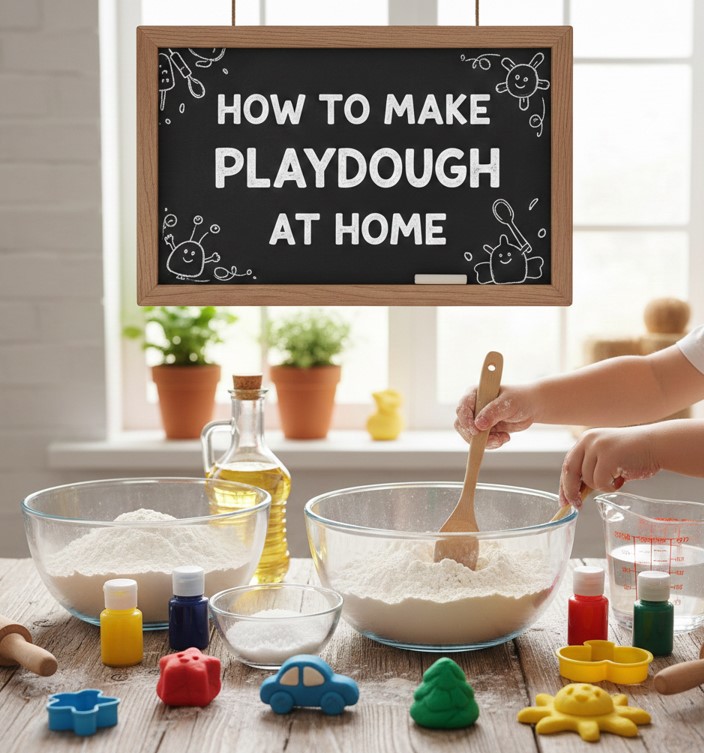
Making playdough at home allows full customization of texture, color, softness, and safety. It also eliminates preservatives and questionable additives found in commercial products.
• Understand why homemade playdough is beneficial
Homemade playdough supports sensory development, strengthens hand muscles, and enhances creativity. Parents also gain peace of mind knowing exactly what materials children are touching or accidentally tasting.
• Choose safe, everyday ingredients
Basic recipes use flour, salt, water, oil, and food coloring—ingredients commonly found in kitchens. This accessibility makes how to make playdough at home practical and affordable.
• Control texture based on age and use
Younger children benefit from softer dough, while older kids enjoy firmer textures for sculpting. Adjusting water and oil ratios allows customization.
• Avoid allergens and harsh chemicals
Homemade playdough can be adapted for gluten-free or dye-free needs, making it inclusive and safe for sensitive users.
• Encourage learning through play
Children practice color mixing, measuring, and following instructions while making playdough—turning the activity into a learning experience.
• Store properly to extend shelf life
Airtight containers and refrigeration can keep homemade playdough usable for weeks, maximizing value and reducing waste.
Also Read:- How to Minimize Pores: A Complete Dermatologist-Backed Guide
How to Make Playdough With Flour
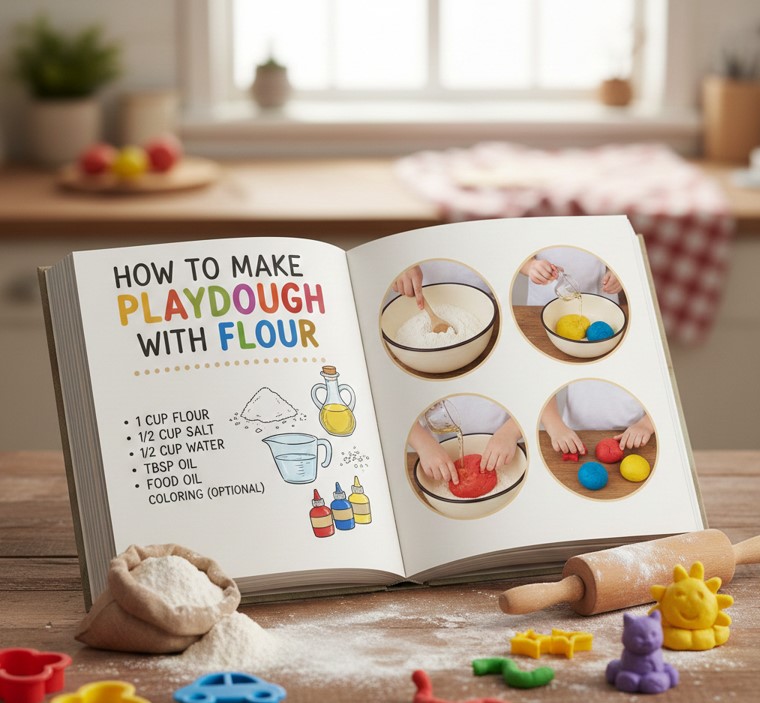
Flour-based playdough is the most classic and reliable method. Understanding how to make playdough with flour creates a foundation for nearly all variations.
• Select the right type of flour
All-purpose flour works best due to its balanced protein content, producing smooth, elastic dough that holds shape well during play.
• Balance salt for structure and preservation
Salt strengthens dough texture and inhibits bacterial growth. The correct ratio ensures durability without excessive stiffness.
• Incorporate oil for elasticity
Vegetable or coconut oil adds flexibility, preventing cracking and dryness. Oil is essential for achieving soft, pliable dough.
• Add water gradually for consistency
Slow water addition allows better control over dough texture, preventing stickiness or lump formation.
• Mix thoroughly for smooth texture
Kneading activates gluten, improving elasticity and play performance.
• Customize color and scent safely
Food coloring and essential oils (child-safe varieties) enhance sensory engagement without compromising safety.
Also Read:- How to Jump Car: The Complete, Safe, Step-by-Step Guide
How to Make Playdough Easy
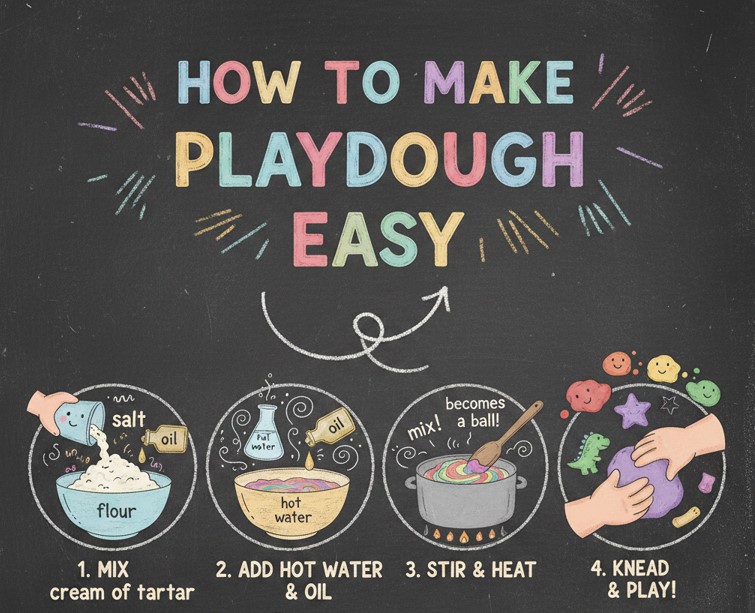
For busy parents and educators, learning how to make playdough easy focuses on speed, simplicity, and minimal cleanup.
• Use pre-measured ingredients
Having ingredients ready reduces preparation time and prevents errors.
• Choose one-bowl mixing methods
Fewer dishes mean faster cleanup and more time for play.
• Skip heating steps
No-cook methods simplify the process and reduce safety concerns.
• Involve children safely
Easy recipes allow kids to help mix and knead, increasing engagement.
• Accept imperfect texture initially
Playdough improves with kneading, so perfection isn’t required at first.
• Repeat consistently for mastery
Regular practice builds confidence and efficiency.
Also Read:- How to Make Matcha Latte: A Complete Beginner-to-Expert Guide
How to Make Playdough No Cook
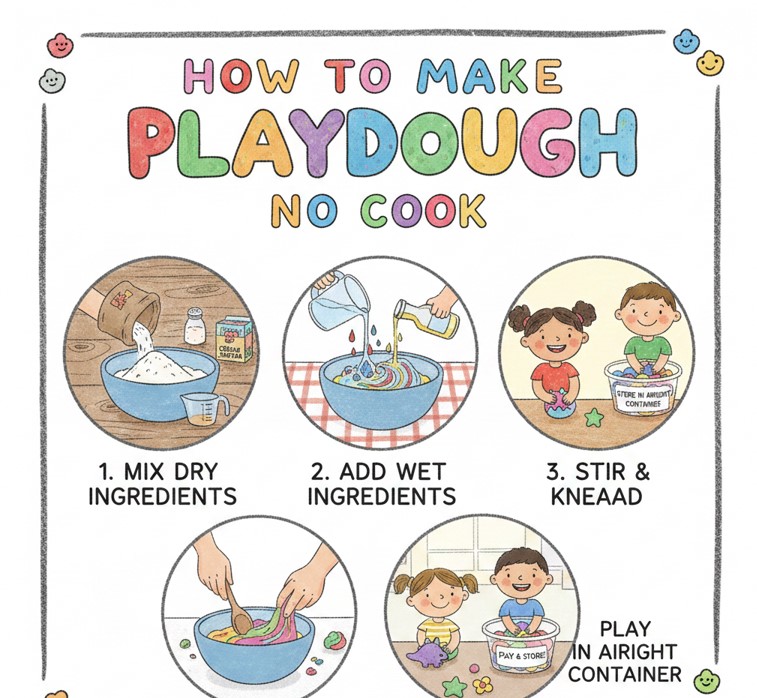
No-cook recipes are ideal for quick projects. Knowing how to make playdough no cook emphasizes convenience and safety.
• Understand why heat is optional
Heat improves longevity but isn’t necessary for short-term use.
• Mix dry ingredients thoroughly first
Even distribution prevents grainy texture.
• Add liquid slowly to avoid stickiness
Gradual mixing ensures smooth consistency.
• Knead extensively to activate elasticity
Manual kneading replaces cooking for texture development.
• Use airtight storage immediately
No-cook dough dries faster and requires careful storage.
• Best suited for short-term play
Ideal for parties, classrooms, or quick crafts.
Also Read:- How to Make a Fortune Teller: A Complete Step-by-Step Paper Origami Guide
How to Make Playdough Soft
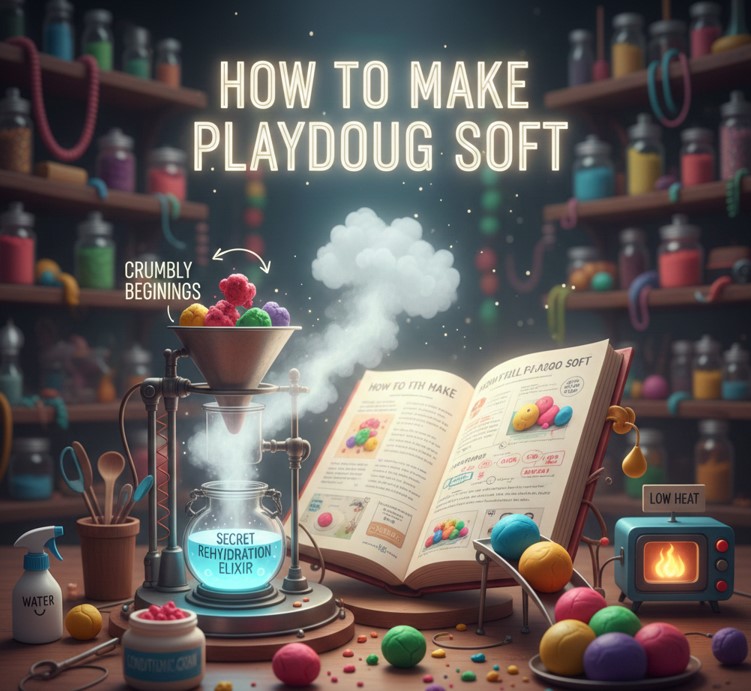
Soft playdough enhances tactile enjoyment. Learning how to make playdough soft involves moisture control and ingredient balance.
• Increase oil content slightly
Oil coats flour particles, improving softness and stretch.
• Use warm water for mixing
Warmth hydrates flour more evenly, improving texture.
• Knead until fully elastic
Kneading distributes moisture consistently.
• Store with humidity control
Moist environments prevent drying.
• Avoid excess flour during kneading
Too much flour stiffens dough quickly.
• Test texture before storage
Adjust softness immediately rather than later.
Also Read:- How to Fix a Zipper: A Complete Step-by-Step Repair Guide for Every Situation
How to Make Playdough Soft Again
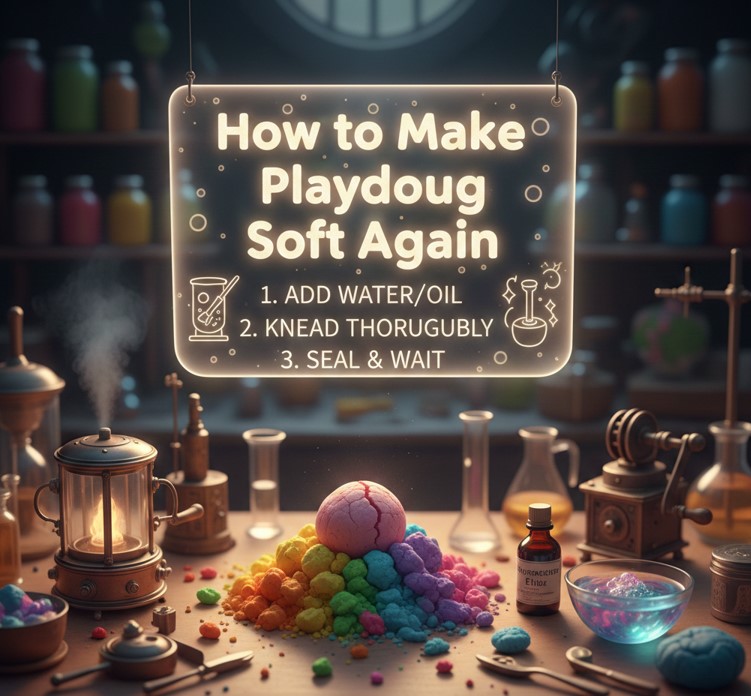
Over time, dough dries out. Knowing how to make playdough soft again extends its usability.
• Add water drop by drop
Slow rehydration prevents stickiness.
• Incorporate oil to restore elasticity
Oil replenishes lost moisture.
• Knead thoroughly after adjustments
Even distribution restores uniform texture.
• Use damp paper towel storage method
This adds gentle humidity overnight.
• Avoid microwaving playdough
Heat damages structure and dries dough further.
• Revive gradually, not aggressively
Patience prevents texture breakdown.
Also Read:- How to Fix a Running Toilet: A Complete DIY Plumbing Guide
How to Make Playdough Into Slime
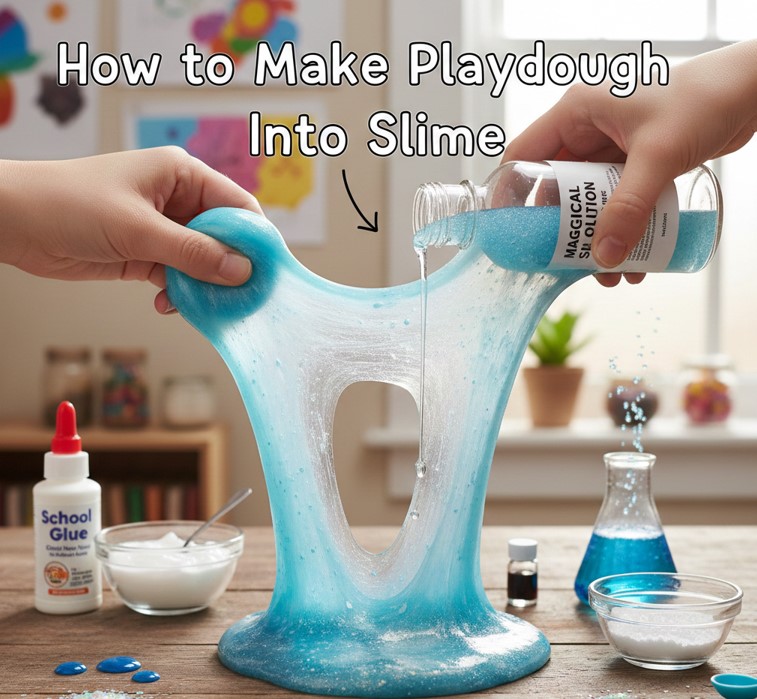
Transforming dough into slime teaches texture science. Learning how to make playdough into slime introduces polymer concepts safely.
• Understand texture differences
Playdough is moldable; slime is elastic and stretchy.
• Use safe activators like glue and saline
Avoid harsh chemicals unsuitable for children.
• Add activators slowly
Gradual changes prevent over-hardening.
• Mix until stretchy but cohesive
Balance is key for slime texture.
• Supervise children closely
Slime ingredients require adult guidance.
• Store separately from playdough
Different materials require different care.
Also Read:- How to Clean a Microwave: The Complete Step-by-Step Guide
How to Make Playdough Hard
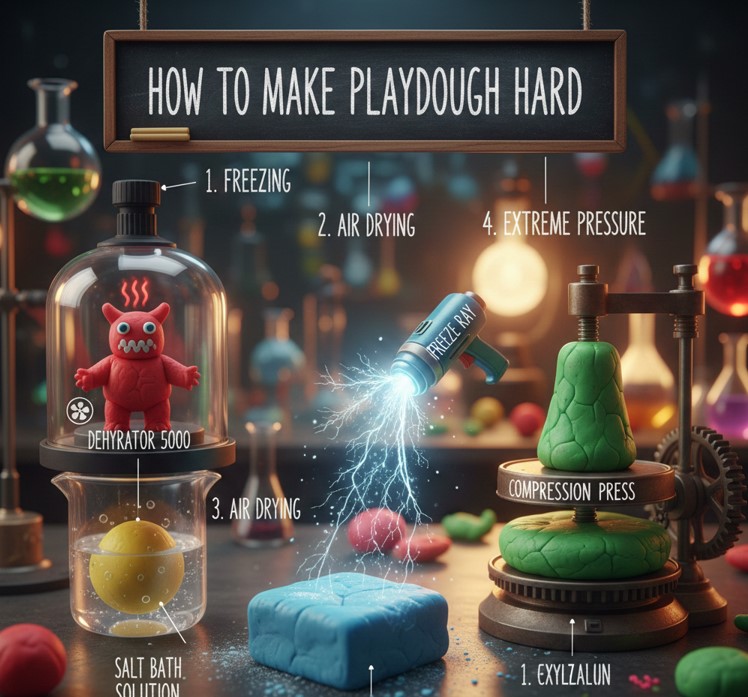
Hardening playdough creates permanent crafts. Knowing how to make playdough hard allows preservation of creations.
• Air-dry naturally over 24–72 hours
Slow drying prevents cracking.
• Use thinner shapes for even drying
Thick pieces trap moisture.
• Avoid sealing until fully dry
Premature sealing causes mold.
• Paint after hardening
Acrylic paint adheres well to dried dough.
• Seal with child-safe varnish
Protects finished projects.
• Best for decorative crafts
Not suitable for reuse afterward.
Also Read:- How to Unsend an Email in Outlook: Complete Guide for All Devices
Conclusion
Learning how to make playdough at home is more than a fun activity—it’s an educational, sensory, and bonding experience. With the right techniques, ingredients, and storage methods, homemade playdough becomes a safe, long-lasting creative tool for children of all ages.
FAQs
Is homemade playdough safe if kids taste it?
Most recipes are non-toxic but not meant for consumption.
How long does homemade playdough last?
Properly stored, it lasts 2–4 weeks.
Can playdough grow mold?
Yes, if exposed to air or moisture—store airtight.
For More Updates Visit: Biomagazine
