

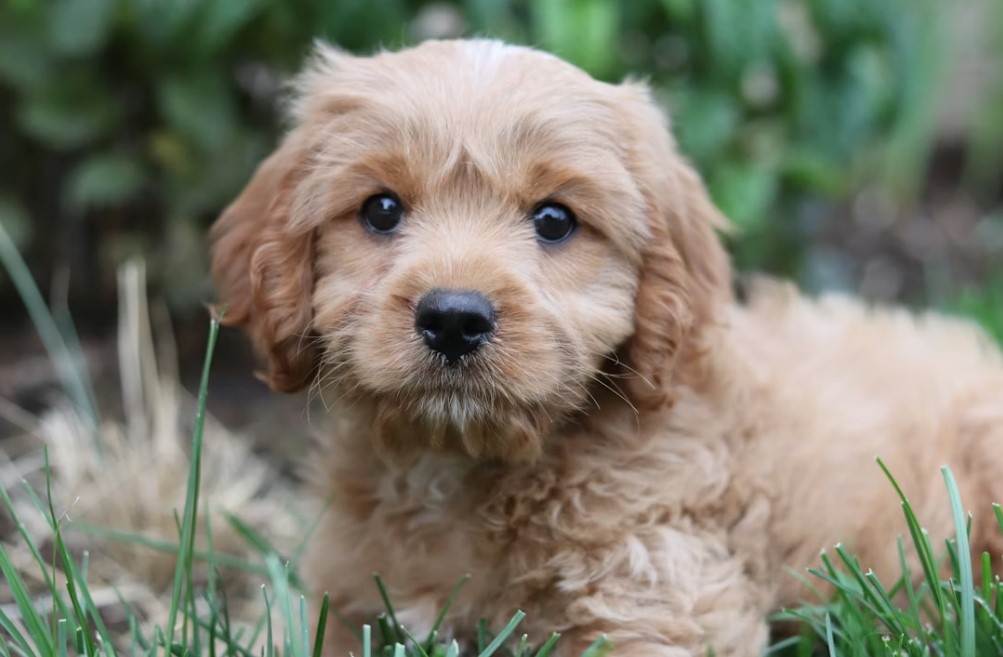
When it comes to raising a happy and healthy puppy, valplekar — Swedish for “puppy play” — is a term every dog owner should know. Puppy play isn’t just fun; it’s a critical part of your dog’s early development. Understanding the significance of valplekar can help you foster social skills, confidence, and physical coordination in your furry friend.
In this article, we’ll explore what valplekar is, why it matters, the types of play, benefits for your puppy, how to organize play sessions, and tips for safe, enriching activities.
What is Valplekar?
The word valplekar comes from the Swedish language:
- Valp = puppy
- Lekar = play or games
Thus, valplekar literally translates to “puppy play.” It describes the interactive, playful behavior puppies exhibit — often seen in littermates or with humans — that helps them learn essential life skills.
These playful interactions can include gentle biting, chasing, tug-of-war, wrestling, and exploring new objects. While it may look chaotic, every movement has a purpose: it teaches puppies boundaries, bite inhibition, communication, and social cues.
Importance of Valplekar in Puppy Development
Valplekar is not just entertainment. It’s a vital stage in a puppy’s growth. Here’s why:
1. Socialization
Through play, puppies learn to interact with other dogs and humans. Puppies that engage in regular valplekar sessions develop better social skills, reducing fear and aggression in adulthood.
2. Physical Development
Puppy play involves running, jumping, and tumbling. These activities strengthen muscles, improve coordination, and enhance overall fitness.
3. Mental Stimulation
Interactive games challenge a puppy’s mind. Solving small “play puzzles,” learning rules, and responding to playmates stimulate their cognitive development.
4. Emotional Well-Being
Valplekar reduces stress and helps puppies express emotions in a safe environment. Puppies that play regularly are generally happier and more adaptable to new experiences.
Types of Valplekar: Exploring Different Puppy Games
There are several types of valplekar, each contributing differently to a puppy’s development.
1. Social Play
Social play includes interactions with littermates, other dogs, or humans. It helps puppies learn social cues like “enough,” “stop,” or gentle biting.
2. Object Play
Puppies explore toys, ropes, balls, or chewables. Object play teaches problem-solving skills and provides an outlet for natural chewing instincts.
3. Chase and Fetch
Chasing games help puppies develop speed, agility, and coordination. Fetch encourages bonding with humans and reinforces recall commands.
4. Tug-of-War
Tug games help teach bite inhibition and muscle development. Supervised tug-of-war also strengthens the human-puppy bond when played safely.
5. Exploration Play
Allowing puppies to explore different textures, surfaces, and objects in a controlled environment teaches curiosity, confidence, and resilience.
Benefits of Regular Valplekar
Regular valplekar offers long-term benefits for both puppies and their owners:
- Improved social skills: Reduces fear, anxiety, and aggression.
- Better physical health: Enhances stamina, coordination, and strength.
- Stronger bonds: Positive play fosters trust and attachment between puppy and owner.
- Mental sharpness: Encourages problem-solving and adaptability.
- Emotional resilience: Puppies learn coping mechanisms in a playful context.
Tips for Safe and Effective Valplekar
While puppy play is natural, safety is crucial. Follow these guidelines:
1. Supervise Play
Always watch puppies during valplekar to prevent injuries and manage overly rough behavior.
2. Choose Appropriate Toys
Use toys suited for a puppy’s size and age. Avoid small items that can be swallowed or pose choking hazards.
3. Encourage Gentle Interaction
Teach bite inhibition by redirecting hard bites to toys. Puppies learn to control their mouths early through gentle correction.
4. Provide Breaks
Puppies tire quickly. Offer rest periods during intense play to prevent exhaustion or overstimulation.
5. Use Positive Reinforcement
Reward good behavior with praise, treats, or affection. This reinforces healthy play habits.
Valplekar Activities You Can Try at Home
Here’s a list of valplekar activities perfect for home or yard:
- Mini Obstacle Course – Use cushions, tunnels, and small barriers for puppies to navigate.
- Hide and Seek – Hide treats or yourself for puppies to find.
- Interactive Toys – Puzzle feeders stimulate the mind and provide reward-based play.
- Gentle Tug-of-War – Build strength and teach controlled biting.
- Fetch with Soft Toys – Encourage retrieval and running in a safe area.
How Valplekar Impacts Adult Dogs
The effects of valplekar are long-lasting. Puppies that experience structured play grow into well-adjusted adult dogs. They are:
- Less anxious in new environments
- Friendlier towards humans and other dogs
- Better at handling stress or unexpected situations
- More confident explorers
In essence, early valplekar shapes not only behavior but also emotional and social intelligence.
Expert Opinions on Valplekar
Veterinarians and animal behaviorists emphasize the value of valplekar. According to Swedish canine expert Dr. Eva Andersson:
“Puppy play is fundamental to learning social rules. A puppy that misses early play opportunities may struggle with bite inhibition and social confidence later in life.”
Similarly, animal psychologists recommend daily short play sessions for optimal development.
Common Mistakes to Avoid During Valplekar
- Overly Rough Play – Can encourage aggression or fear.
- Lack of Supervision – Increases risk of accidents or inappropriate behavior.
- Neglecting Social Exposure – Puppies isolated from play may develop social anxiety.
- Using Unsafe Toys – Small or fragile toys can cause choking or dental injury.
Valplekar and Training
Play and training go hand in hand. Incorporating valplekar into training sessions makes learning enjoyable. For example:
- Use fetch to practice “come” commands.
- Reward correct behavior during tug-of-war.
- Introduce new environments during exploration play to reinforce confidence.
Outdoor vs. Indoor Valplekar
- Indoor Play: Safe and controlled; ideal for puppies with limited outdoor access.
- Outdoor Play: Offers more space, stimulation, and exposure to new smells, textures, and social opportunities. Always supervise outdoor valplekar to prevent accidents.
The Role of Humans in Valplekar
Humans play a crucial role in guiding and facilitating puppy play. Engaging with your puppy through games, gentle handling, and positive reinforcement strengthens your bond and encourages healthy behaviors.
Conclusion
Valplekar is more than just fun—it’s a critical developmental stage that shapes a puppy’s social skills, physical health, mental sharpness, and emotional well-being. By understanding its importance, types, and safe practices, you can ensure your puppy grows into a confident, happy, and well-adjusted adult dog.
Incorporate valplekar into your daily routine and watch your puppy thrive through joyful, purposeful play.
For More Updates Visit: Biomagazine
