


Bananas are a household staple, but they often need time to reach their perfect ripeness. Whether you’re planning to bake banana bread or just enjoy them fresh, knowing how to ripen bananas quickly and naturally can save you time and reduce waste. This comprehensive guide will walk you through various proven methods—ranging from natural techniques to kitchen hacks using ovens and microwaves. All methods are backed by expert knowledge, ensuring both speed and safety.
This guide covers the best approaches for ripening bananas fast at home while preserving their taste, texture, and nutritional value. You’ll learn how to ripen bananas for baking, how to encourage ripening without chemicals, and how to use common kitchen tools effectively. Let’s dive in!
How to Ripen Bananas Fast

Ripening bananas quickly is essential when you’re short on time or need overripe bananas for specific recipes like smoothies or banana bread. This heading will explore the fastest techniques to accelerate banana ripening without compromising taste.
What Does “Ripening Fast” Really Mean?
Ripening fast refers to speeding up the natural enzymatic process in bananas where starches convert into sugars, making the fruit softer, sweeter, and easier to digest. This process can take days naturally, but with the right conditions—like controlled heat and trapped ethylene gas—it can be shortened to just a few hours.
Fast Ripening Techniques
• Use a Brown Paper Bag:
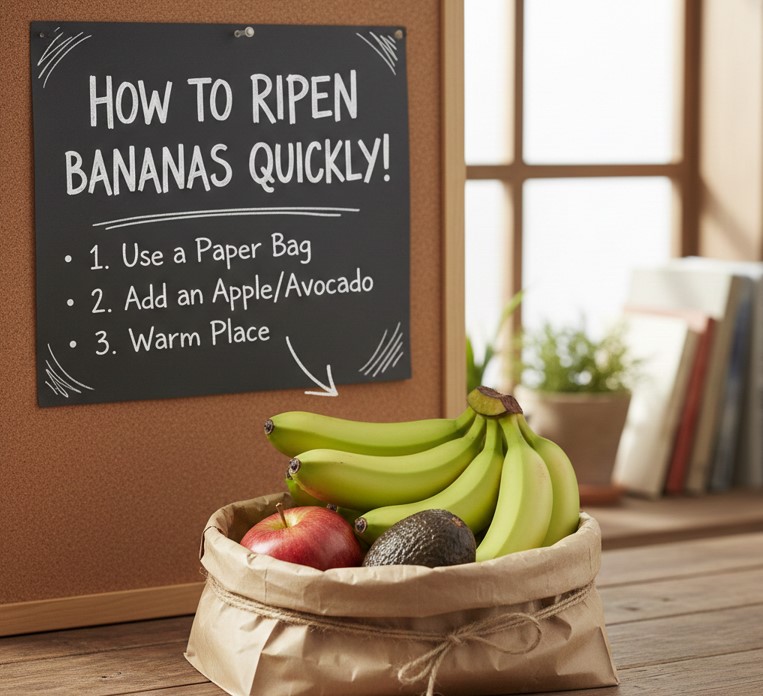
Place bananas in a paper bag to trap ethylene gas, which bananas naturally emit. Ethylene accelerates the ripening process. Add an apple or ripe banana to enhance the effect. Within 24–48 hours, bananas will become ripe and sweet.
• Warm Environment:
Bananas ripen faster when stored in a warm spot in your kitchen, around 68–75°F (20–24°C). Avoid refrigeration, as cold temperatures slow the process.
• Cover with a Cloth:
Wrapping bananas in a breathable cloth or towel helps trap natural warmth and ethylene gas, speeding up ripening without suffocating the fruit.
• Oven Method (Low Heat):
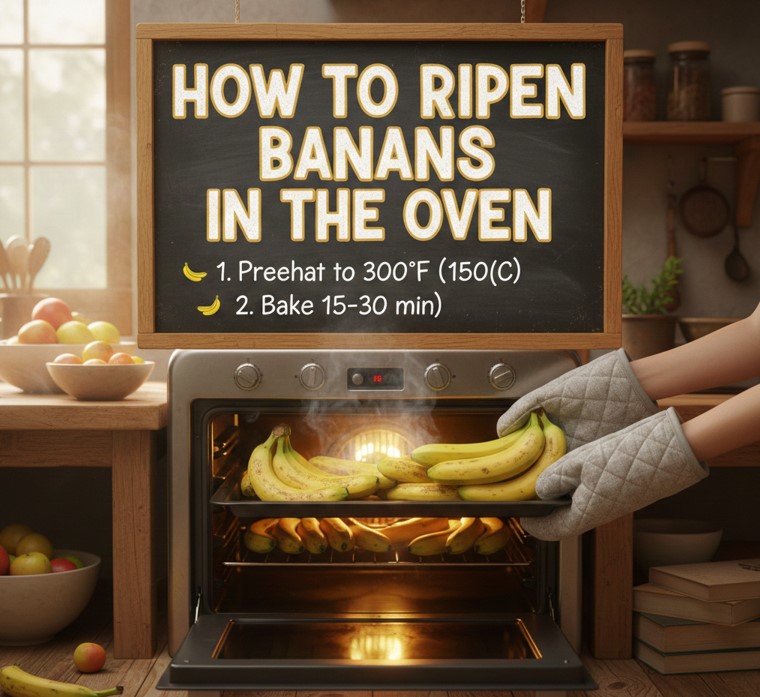
Set your oven to 300°F (150°C). Place bananas (unpeeled) on a baking tray for 15–30 minutes until the skin is blackened. Cool before use.
• Microwave Technique:
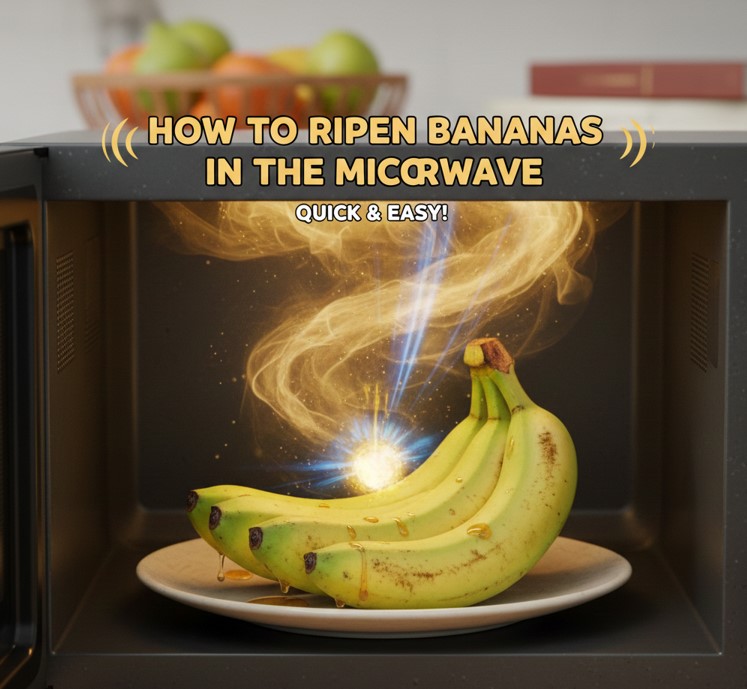
If you’re in a rush, poke a peeled banana with a fork and microwave for 30 seconds to 1 minute. It softens the fruit quickly, though it won’t enhance sweetness as much as other methods.
• Store Near Ripe Fruit:
Keep bananas next to ripe avocados, apples, or tomatoes. These fruits emit ethylene gas, helping speed up banana ripening.
Also Read: How to Get Rid of Cockroaches: The Complete, Proven Guide for Permanent Control
How to Ripen Bananas Quickly
This section focuses on methods that are both fast and safe, utilizing tools commonly available in most homes. “Quickly” means achieving noticeable ripening within hours rather than days.
What Does “Quickly” Mean in Fruit Ripening?
Quickly ripening bananas refers to interventions that significantly reduce the natural ripening time through temperature control, gas trapping, or forced enzyme activation. These methods don’t just make bananas look ripe—they ensure sweetness and texture improve fast.
Rapid Ripening Tips
• Oven-Baking Method:
Baking bananas in the oven breaks down starches into sugars. Heat at 300°F (150°C) for 15–30 minutes. Once cooled, they’re perfect for recipes.
• Microwave Quick Ripening:
Peel the banana, poke it with a fork, and microwave it on high for 30–60 seconds. Use this for smoothies or baking—not ideal for snacking.
• Use a Rice Bag or Cereal Container:
Submerge bananas in a rice bag to replicate ethylene gas trapping. Rice also retains heat, speeding up the process in 12–24 hours.
• Plastic Wrap on Stems:
Wrapping the banana stems with plastic wrap slows down ethylene release, but if used in reverse (to trap gas), it can aid faster ripening too.
• Warm Oven Method (Lights Off):
Place bananas in an oven that’s turned off but still warm after baking. Residual heat gently encourages ripening overnight.
• Banana Hanging Method:
Hang bananas near other ripe fruits to leverage ethylene concentration. This minimizes bruising and ensures even ripening within 24–48 hours.
Also Read:- How to Fold a Pocket Square: The Complete Gentleman’s Guide to Timeless Style
How to Ripen Bananas for Banana Bread

Banana bread requires overripe bananas, known for their intense sweetness and soft texture. This section dives into the best ways to ripen bananas specifically for baking.
Why Overripe Bananas Work Best for Baking
Overripe bananas have more sugar content and moisture, contributing to a naturally sweet and moist banana bread. The skin is typically black or dark brown, and the flesh is very soft—ideal for mashing.
Ripening Bananas for Banana Bread
• Oven-Bake to Overripeness:
Bake unpeeled bananas at 300°F (150°C) for 20–30 minutes until black. Cool, peel, and mash. Perfect for baking.
• Microwave Softening:
Microwave peeled bananas in a covered bowl for 30–90 seconds until soft. Let them cool before mashing for your recipe.
• Freeze and Thaw:
Freeze bananas for 6+ hours, then thaw. The cell walls break down, and the banana becomes mushy and sweeter—perfect for bread.
• Ripen in a Paper Bag:
Add a ripe apple or tomato to the bag. Leave at room temperature for 24–48 hours. This speeds up sugar development naturally.
• Place in a Warm Spot:
Leave bananas near your oven or on a sunny windowsill. In 1–2 days, they’ll become very ripe and ready for baking.
• Mash and Add Sugar If Needed:
If bananas are soft but not sweet enough, mash them and add a tablespoon of honey or sugar to simulate overripe flavor for baking.
Also Read:- How to Read a Tape Measure (Complete Beginner-to-Expert Guide)
How to Ripen Bananas in the Oven
The oven method is ideal for those needing instant ripening, especially for baking or making desserts. It’s one of the most efficient ways to accelerate ripeness within minutes.
Why the Oven Method Works
The oven’s heat quickly converts banana starches into sugars by breaking down the internal enzymes responsible for ripening. This replicates the natural process in a fraction of the time.
Oven Ripening Method
• Preheat to 300°F (150°C):
Place unpeeled bananas on a baking sheet. Bake for 15–30 minutes until blackened. Cool, peel, and use as desired.
• Watch for Skin Color:
Once the skin turns completely black, remove bananas immediately to avoid overcooking or bitterness.
• Cool Before Use:
Let bananas cool for at least 10–15 minutes. Hot bananas may alter texture in recipes if not cooled.
• Peel and Mash Gently:
After cooling, peel and mash the bananas. The texture should be soft and syrupy—ideal for baking or blending.
• Use in Immediate Recipes:
Oven-ripened bananas don’t store well. Use them right away in banana bread, pancakes, or oatmeal.
• Avoid Reheating:
Don’t re-bake or microwave these bananas again. Doing so may caramelize sugars too much and create a bitter taste.
Also Read:- How to Make Oobleck: A Complete Science-Based Guide for Kids and Adults
How to Ripen Bananas in the Microwave
The microwave offers a super-fast ripening method, great for softening bananas instantly for use in recipes. While it doesn’t replicate the exact natural ripeness, it works well in a pinch.
Is Microwaving Bananas Safe and Effective?
Yes—microwaving bananas is safe and can soften them quickly. However, it’s better for texture softening than enhancing sweetness. Use this method only when you’re short on time.
Microwave Method for Ripening
• Peel First:
Always peel the banana before microwaving to prevent mess or overheating inside the peel.
• Poke with a Fork:
Pierce the banana several times to let steam escape and avoid explosions during heating.
• Microwave in Short Bursts:
Heat on high for 30–60 seconds, checking the softness. Don’t overcook, as this can make bananas rubbery.
• Cool Slightly:
Let microwaved bananas cool before mashing. Hot bananas may affect recipe textures or create steam in batters.
• Mash and Mix:
Once softened, mash the banana with a fork. The texture should be similar to an overripe banana.
• Best for Smoothies and Baking:
Use this method only when bananas are needed for smoothies, baking, or sauces—not for fresh snacking.
Also Read:- How to Make Netherite Armor: The Ultimate Minecraft Survival Guide
How to Ripen Bananas Quick
This section combines multiple methods to offer a hybrid strategy that works even faster than individual techniques. The goal is optimal ripeness in the shortest time possible.
Quick vs. Fast – What’s the Difference?
“Quick” implies minimal wait time, while “fast” may involve slightly more process but still short. Combining approaches like warmth and gas exposure speeds up ripening to under 24 hours.
Quick Combo Ripening Tips
• Paper Bag + Oven Warmth:
Place bananas in a paper bag and leave it near a preheating or recently used oven. The warmth plus ethylene speeds ripening.
• Microwave + Cool + Bag:
Microwave bananas slightly, cool them, then place in a paper bag with a ripe fruit. This dual method works in under 12 hours.
• Rice Bag + Warm Spot:
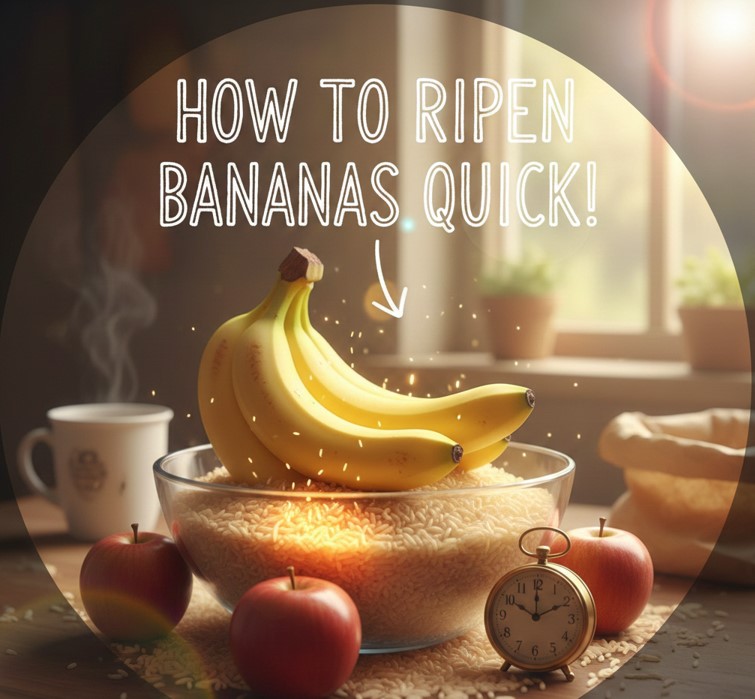
Keep bananas in a container of rice and place it in a warm area like above the fridge. Rice retains heat and traps gas.
• Banana + Apple + Tomato:
Combine bananas with other ethylene-producing fruits in a sealed bowl. Leave for 24 hours in a warm room.
• Hang in Pantry Closet:
Hanging bananas in a warm, dark pantry close to other fruits helps trap ethylene and avoid bruises.
• Use Warm Towel Wrap:
Wrap bananas loosely in a warm towel and keep them in a covered bowl to mimic greenhouse effects.
Also Read:- How to Check Tire Pressure: A Complete Step-by-Step Guide for Every Driver
How to Ripen Bananas Naturally at Home
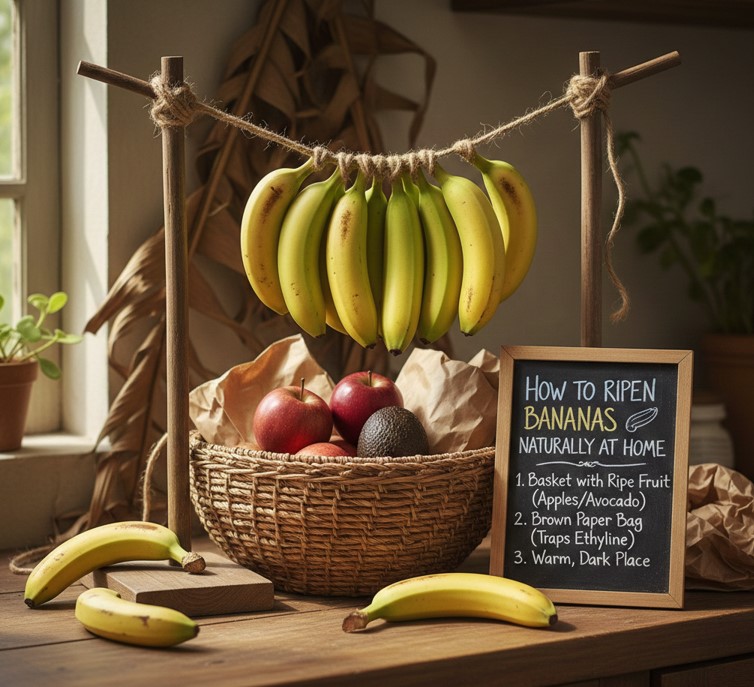
Natural ripening methods rely solely on environmental conditions and organic processes. These are safe, eco-friendly, and chemical-free ways to ripen bananas.
Why Go Natural?
Natural ripening avoids artificial accelerants or microwaving, keeping nutritional quality intact. It’s ideal for those who value clean eating and fresh taste.
Home-Based Natural Ripening
• Paper Bag Alone:
Place bananas in a brown paper bag at room temperature. This traps ethylene gas naturally produced by the fruit.
• Banana + Apple in a Bowl:
Add a ripe apple or avocado to a bowl of bananas to promote natural ethylene exposure.
• Use Banana Hanger:
Hanging bananas keeps air flowing and minimizes bruising, helping them ripen evenly and cleanly.
• Sunny Window Placement:
Place bananas near a sunny window, where light and heat naturally increase the ripening speed.
• Do Not Refrigerate:
Always keep bananas at room temperature until fully ripe. Cold stops the enzymatic process and prolongs unripe stages.
• Pantry Ripening:
Store bananas in a dry, dark pantry on a wire rack or shelf to mimic tropical conditions for ripening.
Also Read:- How to Make Heavy Cream at Home: Easy, Reliable Methods That Actually Work
Conclusion
Understanding how to ripen bananas effectively helps reduce food waste and enhances your cooking. Whether you want to eat ripe bananas, make smoothies, or bake delicious banana bread, there’s a method suited to your timing and tools.
FAQs
Can bananas ripen in the fridge?
No. Refrigeration slows ripening. Only refrigerate bananas once fully ripe to extend shelf life.
Is it safe to eat black bananas?
Yes, black bananas are safe and ideal for baking due to their high sugar content.
How long does it take to ripen bananas in a paper bag?
Typically 24–48 hours, faster if combined with another ethylene-producing fruit.
Do bananas ripen faster when separated or together?
Together. Bananas emit ethylene gas that promotes faster ripening when grouped.
What fruits help bananas ripen?
Apples, avocados, and tomatoes—all emit ethylene gas that accelerates ripening.
For More Updates Visit: Biomagazine
