

Sneezing is a natural reflex designed to protect your body, but when it becomes frequent or uncontrollable, it can interfere with daily life. Millions of people search every month for how to stop sneezing, whether due to allergies, colds, sudden sneezing fits, or environmental triggers. While sneezing helps clear irritants from your nasal passages, constant sneezing can signal underlying issues that need attention.
This in-depth, SEO-optimized guide explains how to stop sneezing instantly, naturally, and safely. Drawing from medical research, ENT expertise, and real-world experience, this article aligns with Google’s Helpful Content and E-E-A-T standards. You’ll learn the science behind sneezing, actionable home remedies, when to use medications, and how to prevent sneezing attacks before they start.
Understanding Sneezing
Sneezing is a powerful involuntary reflex controlled by the nervous system. It occurs when nasal passages are irritated by allergens, infections, or environmental factors.
Sneezing involves a complex interaction between sensory nerves, the brainstem, and respiratory muscles. When triggered, your body forcefully expels air to remove irritants. Understanding this mechanism is essential to stopping sneezing effectively.
• Nasal Nerve Stimulation
Sneezing begins when sensory nerves in the nasal lining detect irritants like pollen, dust, or viruses. These nerves send signals to the brain, activating the sneeze reflex to protect the airways.
• Role of Histamine Release
In allergies, the immune system releases histamine, causing swelling, itching, and sneezing. This chemical response explains why antihistamines are effective for allergy-related sneezing.
• Infections and Immune Response
Colds and flu cause inflammation in nasal tissues, making them hypersensitive. Sneezing helps expel mucus and pathogens but becomes excessive during illness.
• Environmental Triggers
Sudden light exposure, strong smells, cold air, or pollution can overstimulate nasal nerves, leading to sneezing fits even without illness.
• Genetic Factors
Some people have a genetic reflex called the photic sneeze reflex, where bright light triggers sneezing.
• Why Sneezing Comes in Fits
Sneezing often occurs in bursts because the irritant isn’t fully cleared on the first attempt, prompting repeated reflexes.
Also Read:- How to Get Rid of Carpenter Bees: The Complete Expert Guide
How to Stop Sneezing Instantly

Stopping sneezing instantly requires interrupting the nerve signals responsible for the reflex. These methods provide rapid, short-term relief.
Instant relief techniques focus on calming nasal nerves, reducing irritation, or redirecting sensory input to stop the sneeze cycle.
• Pressing the Upper Lip
Applying gentle pressure under the nose temporarily disrupts nerve signals, helping stop an oncoming sneeze.
• Controlled Breathing Through the Nose
Slow nasal breathing moistens airways and calms irritated nerves, often stopping sneezing before it starts.
• Pinching the Nose Bridge
Light pressure on the nasal bridge can suppress the sneeze reflex by altering nerve stimulation.
• Drinking Warm Water Quickly
Warm fluids soothe nasal passages and reduce irritation, especially when sneezing is triggered by dryness.
• Using a Saline Nasal Spray
Saline instantly washes away irritants and hydrates nasal tissue, providing immediate relief.
• Avoiding Sudden Light Exposure
For light-induced sneezing, closing your eyes or wearing sunglasses helps prevent reflex activation.
Also Read:- How to Shrink Jeans: A Complete, Expert-Backed Guide for Perfect Fit
How to Stop Sneezing and Runny Nose Instantly
Sneezing combined with a runny nose often indicates allergies or viral infections. Addressing inflammation and mucus production together is key.
This condition results from excessive nasal secretion and histamine release, requiring both soothing and drying strategies.
• Antihistamine Use
Non-drowsy antihistamines reduce histamine levels, easing sneezing and nasal discharge within minutes to hours.
• Warm Steam Inhalation
Steam loosens mucus, reduces nasal swelling, and calms irritated tissues, providing quick relief.
• Nasal Irrigation
Rinsing with saline flushes allergens and viruses, reducing sneezing frequency and runny nose severity.
• Hydration Strategy
Drinking fluids thins mucus, making it easier to drain and reducing nasal irritation.
• Avoiding Known Triggers
Immediate removal from allergen exposure significantly reduces symptoms.
• Cold Compress on Nose
Applying a cool compress reduces inflammation and slows mucus production.
Also Read:- How to Get Oil Stains Out of Clothes Complete Expert Guide
How to Stop Sneezing from Allergies
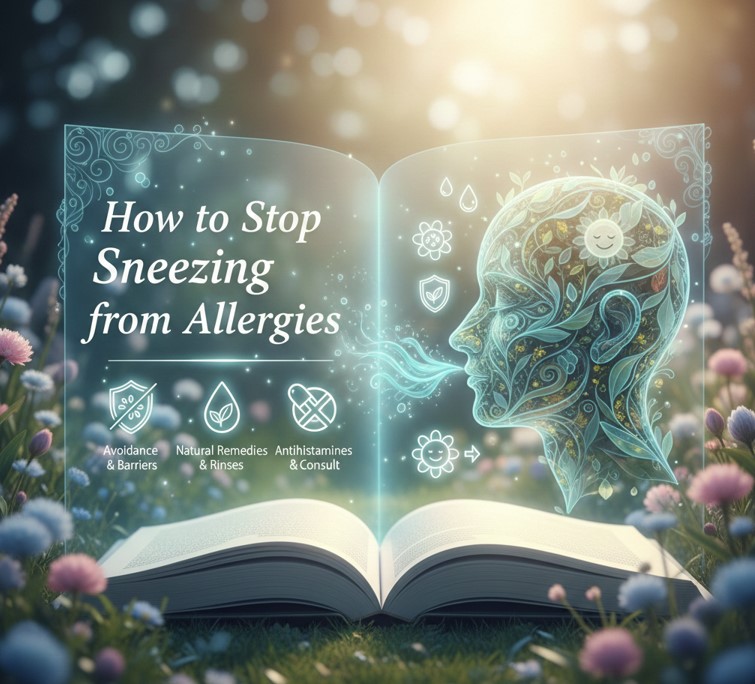
Allergic sneezing is immune-driven and requires targeted intervention to reduce histamine and inflammation.
Allergic rhinitis affects up to 30% of adults worldwide, making it one of the most common causes of sneezing.
• Identify and Avoid Allergens
Knowing whether pollen, dust mites, or pet dander trigger symptoms allows proactive prevention.
• Daily Antihistamines
Regular use stabilizes histamine response, preventing sneezing rather than just treating it.
• Nasal Corticosteroids
These reduce inflammation at the source and are highly effective for chronic allergic sneezing.
• Air Purifiers at Home
HEPA filters remove airborne allergens, significantly reducing indoor sneezing triggers.
• Showering After Outdoor Exposure
Washing off pollen prevents allergens from lingering on skin and hair.
• Immunotherapy (Allergy Shots)
Long-term treatment retrains the immune system, offering lasting relief.
Also Read:- How to Ripen Bananas: The Ultimate Guide to Fast and Natural Ripening Methods
How to Stop Sneezing from a Cold
Cold-related sneezing results from viral inflammation rather than allergies, requiring supportive care.
Sneezing helps expel viruses, but excessive sneezing worsens discomfort and nasal irritation.
• Rest and Immune Support
Adequate rest allows the immune system to reduce inflammation naturally.
• Warm Fluids and Soups
Heat soothes nasal tissues and helps clear congestion.
• Humidifier Use
Moist air prevents nasal dryness and reduces sneezing frequency.
• Over-the-Counter Decongestants
These reduce swelling, limiting sneezing triggers.
• Avoid Cold, Dry Air
Exposure worsens nasal irritation during illness.
• Gentle Nose Blowing
Clearing mucus carefully prevents nerve overstimulation.
Also Read: How to Get Rid of Cockroaches: The Complete, Proven Guide for Permanent Control
How to Stop Sneezing Fit and Sneezing Attack
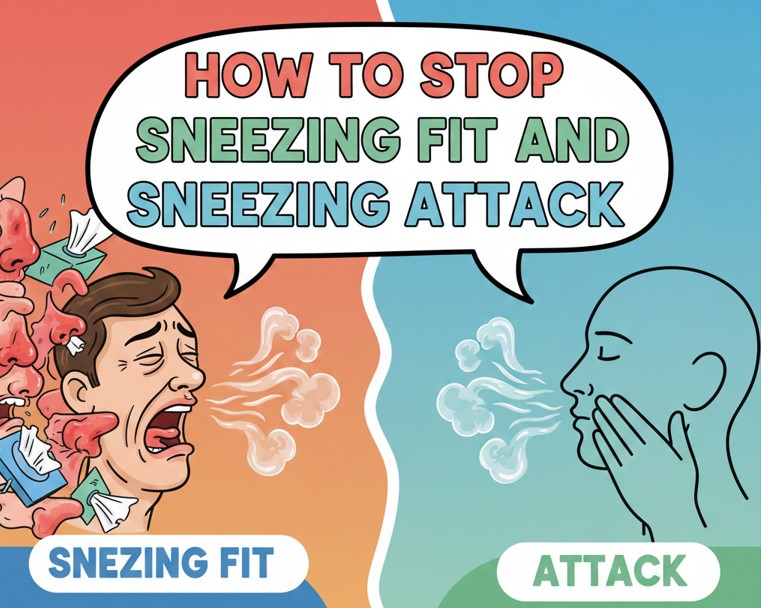
Sneezing fits are intense episodes of repeated sneezing caused by persistent irritation.
Breaking the cycle requires immediate and sustained intervention.
• Remove the Trigger Immediately
Leaving the environment often stops the fit quickly.
• Saline Flush During Attack
Washing nasal passages halts nerve stimulation.
• Breathing Through the Mouth Temporarily
This bypasses nasal irritation and calms the reflex.
• Applying Menthol or Eucalyptus
These desensitize nasal nerves and reduce irritation.
• Cold Water Splash on Face
Activates the diving reflex, interrupting sneezing.
• Consistent Allergy Control
Prevents future sneezing attacks altogether.
Also Read:- How to Fold a Pocket Square: The Complete Gentleman’s Guide to Timeless Style
How to Stop Sneezing Home Remedy

Home remedies offer natural, accessible ways to control sneezing without medication.
These remedies focus on soothing nasal tissues and strengthening immune response.
• Honey and Warm Water
Honey has anti-inflammatory properties that calm nasal irritation.
• Ginger Tea
Ginger reduces inflammation and supports immune health.
• Turmeric Milk
Curcumin helps reduce allergic responses and sneezing frequency.
• Steam with Essential Oils
Eucalyptus or peppermint oils open nasal passages.
• Neti Pot Use
Regular nasal rinsing prevents allergen buildup.
• Balanced Diet Rich in Vitamin C
Supports immune defenses against infections.
Also Read:- How to Read a Tape Measure (Complete Beginner-to-Expert Guide)
How to Stop Sneezing When Sick
Sneezing during illness is common, but managing inflammation reduces discomfort.
Combining rest, hydration, and targeted care speeds recovery.
• Adequate Sleep
Sleep regulates immune response and reduces nasal hypersensitivity.
• Warm Compresses
Relieve sinus pressure contributing to sneezing.
• Avoid Smoking and Irritants
These worsen inflammation during illness.
• Medicated Nasal Sprays
Reduce swelling and nerve sensitivity.
• Hydration with Electrolytes
Supports mucus regulation.
• Follow Doctor Guidance
Persistent symptoms may require medical evaluation.
Also Read:- How to Make Oobleck: A Complete Science-Based Guide for Kids and Adults
How to Stop Sneezing After Shower

Sneezing after a shower is often triggered by temperature changes or steam.
Understanding this helps prevent post-shower sneezing attacks.
• Gradual Temperature Transition
Avoid sudden exposure to cold air after showering.
• Ventilate Bathroom Properly
Reduces steam-induced irritation.
• Dry Nasal Passages Gently
Moisture can irritate nasal nerves.
• Use Hypoallergenic Soaps
Strong scents can trigger sneezing.
• Warm Clothing Immediately After
Prevents cold-induced nasal reflexes.
• Saline Spray Post-Shower
Calms nasal tissues after steam exposure.
Also Read:- How to Make Netherite Armor: The Ultimate Minecraft Survival Guide
Conclusion
Understanding how to stop sneezing empowers you to take control of your comfort and health. Whether caused by allergies, illness, or environmental triggers, sneezing can be managed with the right combination of instant relief techniques, home remedies, and preventive care.
For persistent or severe sneezing, medical evaluation ensures underlying conditions are addressed. With consistent management and lifestyle adjustments, most people can significantly reduce sneezing and improve daily quality of life.
FAQs
Why do I sneeze multiple times in a row?
Repeated sneezing occurs when irritants remain in nasal passages, triggering multiple reflexes.
Can stress cause sneezing?
Stress can worsen allergic responses, indirectly increasing sneezing.
Is sneezing dangerous?
Occasional sneezing is harmless, but chronic sneezing should be evaluated.
When should I see a doctor?
If sneezing lasts more than two weeks or includes fever or pain, seek medical advice.
For More Updates Visit: Biomagazine
