

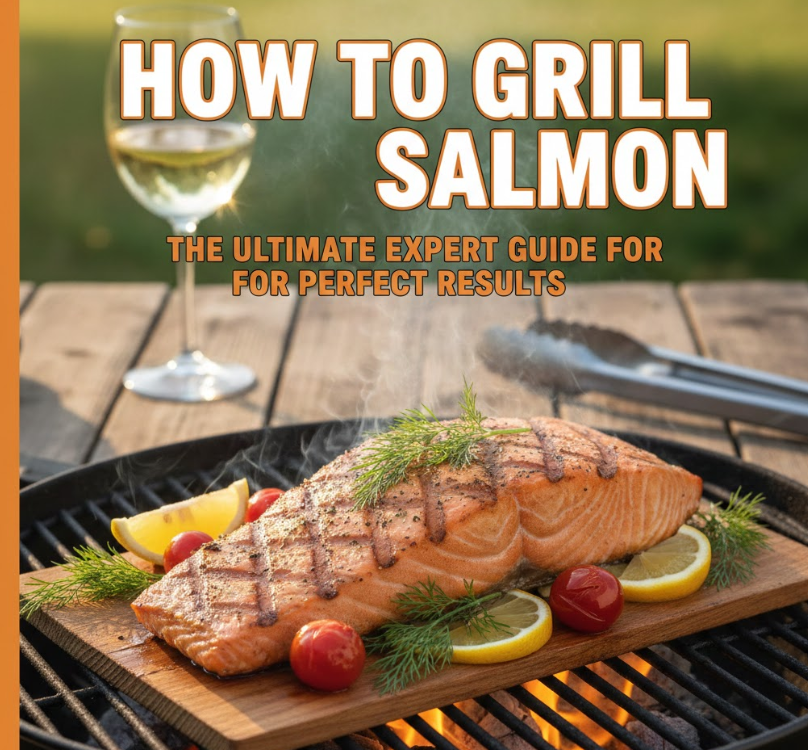
Grilling salmon is one of the healthiest and most flavorful ways to prepare fish, but many home cooks struggle to get it right. If you’re searching for how to grill salmon, you’re likely looking for a method that delivers tender flesh, crispy edges, and rich smoky flavor—without sticking, drying out, or falling apart.
This comprehensive guide is built on culinary experience, food science, and professional grilling techniques. You’ll learn how to grill salmon using different methods, including gas grills, charcoal grills, foil packets, ovens, and skin-on fillets. Every section explains not just what to do, but why it works, so you can grill salmon confidently every time.
Why Grilled Salmon Is a Healthy and Flavorful Choice
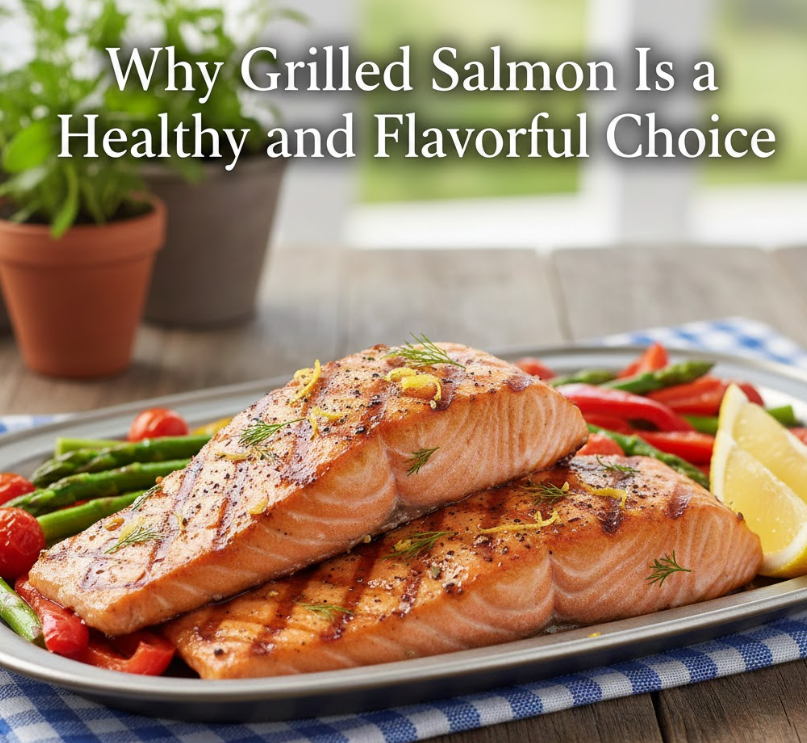
Grilled salmon is widely recommended by nutritionists and chefs because it combines high-quality protein, omega-3 fatty acids, and natural flavor enhancement through grilling. Unlike frying, grilling preserves nutrients while adding depth through caramelization.
• Salmon is rich in heart-healthy omega-3 fatty acids
• Grilling reduces excess fat while enhancing natural oils
• High heat creates Maillard browning for deeper flavor
• Salmon cooks quickly, preventing nutrient loss
• Smoke adds complexity without extra calories
• Ideal for balanced, protein-rich meals
According to the American Heart Association, eating fatty fish like salmon at least twice a week supports cardiovascular health, making grilled salmon both delicious and beneficial.
Also Read :- How to Stop Sneezing: A Complete, Doctor-Reviewed Guide for Instant and Long-Term Relief
Choosing the Best Salmon for Grilling
Before learning how to grill salmon, selecting the right type of salmon is essential. Different varieties behave differently on the grill due to fat content and texture.
• Wild-caught salmon has firmer texture and deeper flavor
• Farm-raised salmon contains more fat and stays moist
• Sockeye salmon grills well due to dense flesh
• King salmon offers rich flavor and high oil content
• Fresh salmon should smell clean, not fishy
• Uniform thickness ensures even cooking
Choosing quality salmon improves grilling success more than any seasoning or sauce.
How to Grill Salmon with Skin
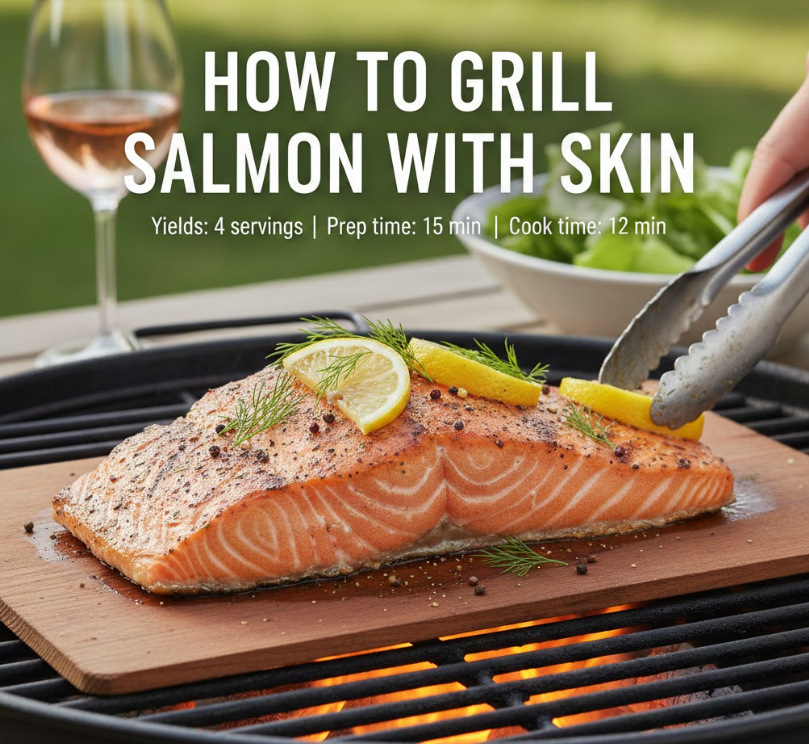
Learning how to grill salmon with skin is crucial for preventing sticking and achieving moist, flaky flesh. The skin acts as a natural barrier between the fish and the grill grates.
Skin-on salmon is preferred by professional chefs because it protects the delicate flesh from direct heat.
• Skin insulates salmon from intense grill heat
• Helps retain moisture during cooking
• Creates crispy texture when grilled properly
• Prevents fillets from falling apart
• Adds flavor when seasoned correctly
• Makes flipping safer and easier
To grill salmon with skin, start skin-side down over medium heat and avoid flipping too early. The skin will naturally release when properly cooked.
Also Read:- How to Get Rid of Carpenter Bees: The Complete Expert Guide
How to Grill Salmon on a Gas Grill
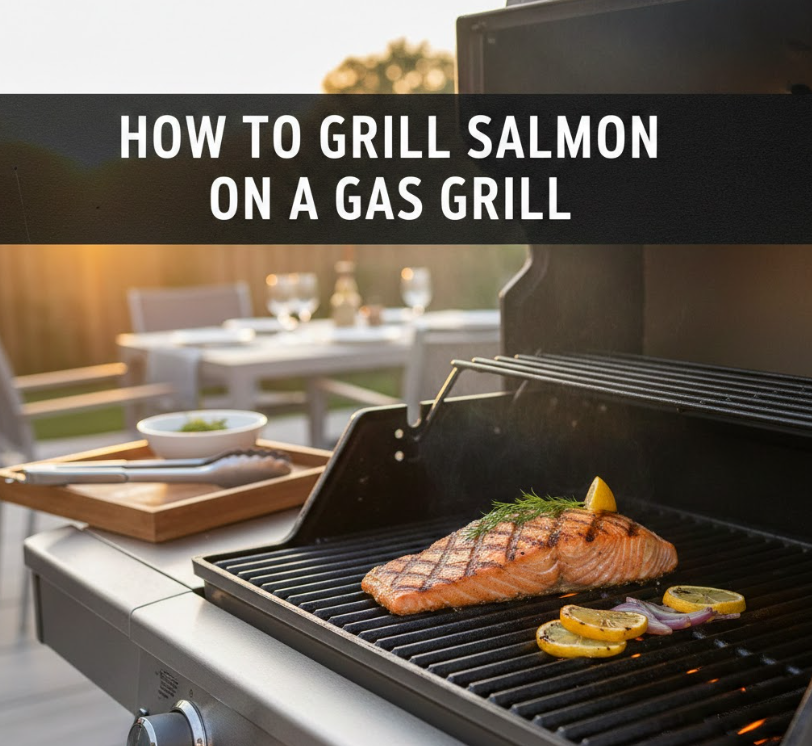
Understanding how to grill salmon on a gas grill allows for precise temperature control and consistent results. Gas grills are ideal for beginners and experienced cooks alike.
• Preheat grill to medium-high heat
• Clean and oil grates to prevent sticking
• Use indirect heat for thicker fillets
• Close lid to maintain even temperature
• Monitor internal temperature closely
• Rest salmon before serving
Gas grills provide steady heat, making them perfect for evenly cooked salmon with minimal flare-ups.
Also Read:- How to Shrink Jeans: A Complete, Expert-Backed Guide for Perfect Fit
How to Grill Salmon on a Charcoal Grill
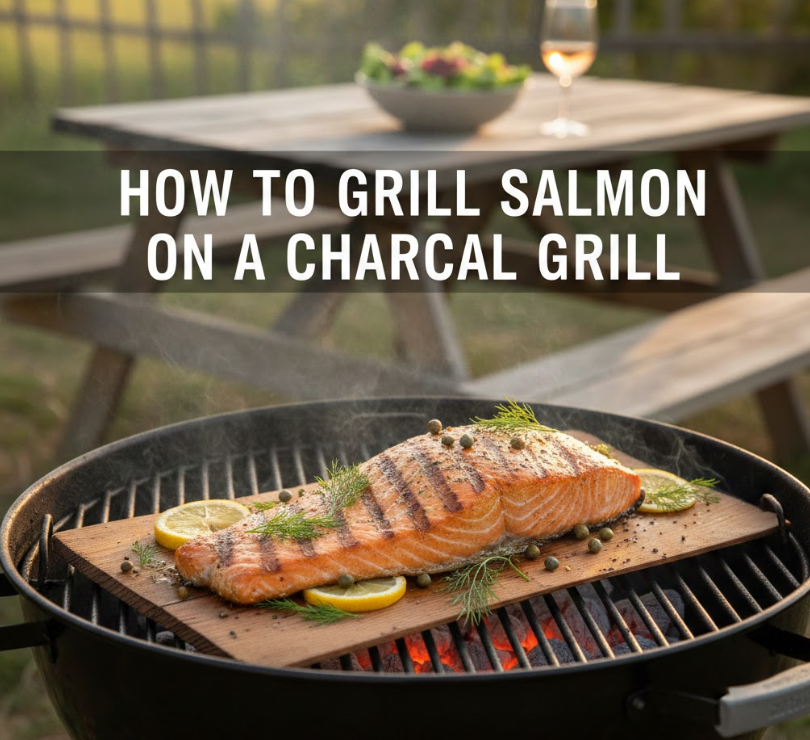
If you want bold, smoky flavor, learning how to grill salmon on a charcoal grill is essential. Charcoal grilling adds depth that gas grills cannot replicate.
• Use hardwood charcoal for cleaner smoke
• Create two-zone heat for control
• Allow charcoal to ash over before cooking
• Grill salmon away from direct flames
• Add soaked wood chips for aroma
• Watch closely to avoid overcooking
Charcoal grills require more attention but reward you with restaurant-quality flavor.
Grill Salmon in Foil
Learning how to grill salmon in foil is perfect for beginners or those who want a mess-free method. Foil packets trap moisture and flavor while preventing sticking.
• Foil creates a steaming effect
• Locks in juices and aromatics
• Prevents flare-ups from oils
• Allows easy flavor customization
• Ideal for vegetables and salmon together
• Reduces risk of overcooking
Foil grilling is excellent for delicate marinades and herb-infused salmon dishes.
Also Read:- How to Get Oil Stains Out of Clothes Complete Expert Guide
How to Grill Salmon Fillets
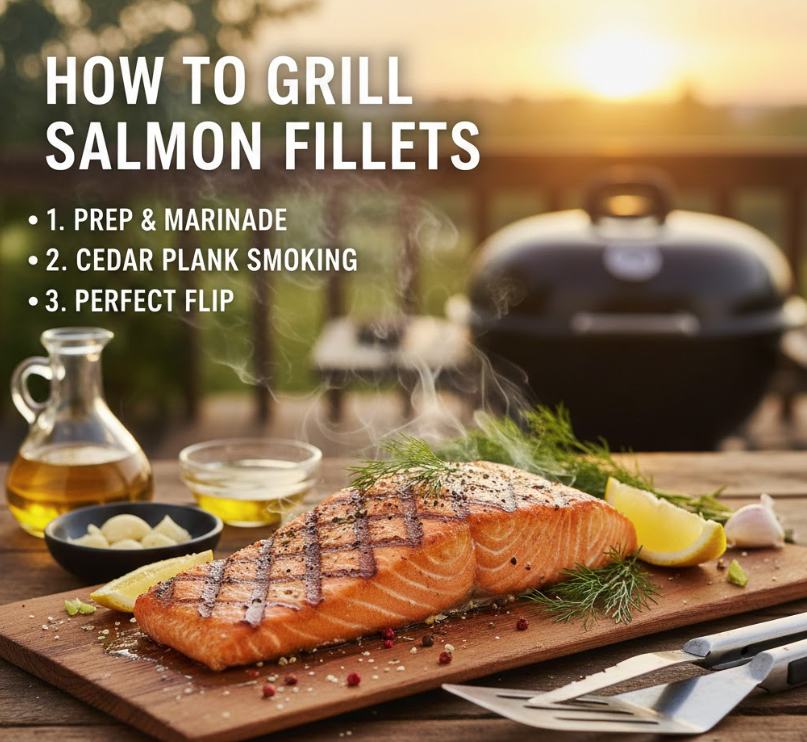
Knowing how to grill salmon fillets properly ensures even cooking and attractive presentation. Fillets require attention to thickness and placement.
• Pat fillets dry before seasoning
• Use uniform-sized cuts
• Season just before grilling
• Place flesh-side down first (if skinless)
• Flip gently using wide spatula
• Remove at 125–130°F internal temperature
Proper handling prevents breaking and preserves the salmon’s natural texture.
Also Read:- How to Ripen Bananas: The Ultimate Guide to Fast and Natural Ripening Methods
How to Grill Salmon in the Oven
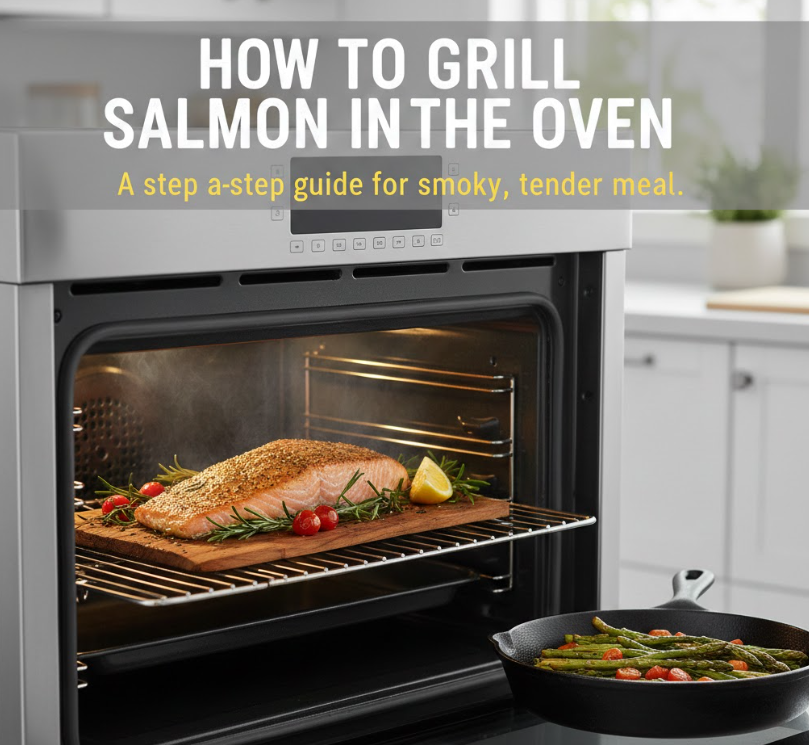
For those without outdoor grills, learning how to grill salmon in the oven offers a convenient alternative. Broiling mimics grill heat effectively.
• Use high broil setting
• Place salmon on lined baking sheet
• Position rack close to heating element
• Watch closely to prevent burning
• Finish with quick rest period
• Optional broiler pan for airflow
Oven grilling delivers caramelized edges and moist interiors with minimal effort.
Also Read: How to Get Rid of Cockroaches: The Complete, Proven Guide for Permanent Control
Seasoning and Marinades for Grilled Salmon
Seasoning enhances salmon’s natural richness without overpowering it. Balance is key.
• Salt enhances flavor and texture
• Citrus brightens fatty fish
• Herbs add aroma and freshness
• Garlic deepens savory notes
• Honey balances smoky bitterness
• Oil prevents sticking and drying
Simple seasoning often produces the best results.
Common Mistakes When Grilling Salmon
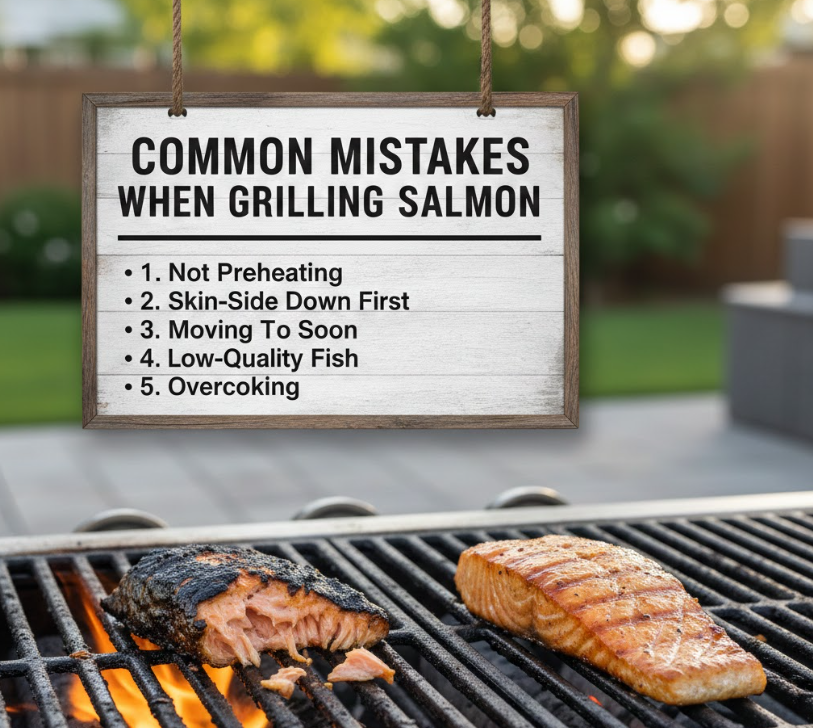
Avoiding mistakes is just as important as technique.
• Overcooking dries out salmon
• Flipping too early causes sticking
• High heat burns exterior
• Skipping oil leads to tearing
• Using cold salmon causes uneven cooking
• Ignoring rest time loses juices
Professional chefs emphasize patience and temperature control.
Also Read:- How to Fold a Pocket Square: The Complete Gentleman’s Guide to Timeless Style
Conclusion:
Learning how to grill salmon is a skill that combines technique, timing, and understanding of heat. Whether you’re using a gas grill, charcoal grill, foil, oven, or skin-on fillets, the right approach guarantees flavorful, moist, and perfectly cooked salmon.
With practice and the expert methods shared in this guide, you can confidently grill salmon that rivals restaurant quality—every single time.
FAQs
Q1: How long should salmon be grilled?
Typically 8–12 minutes depending on thickness.
Q2: Should salmon be flipped on the grill?
Only once, and only when it releases naturally.
Q3: Is skin-on salmon better for grilling?
Yes, it prevents sticking and retains moisture.
Q4: What temperature is grilled salmon done?
125–130°F for medium, 145°F for well-done.
For More Updates Visit: Biomagazine
