


Learning how to clean clams properly is one of the most important skills for anyone who enjoys cooking fresh seafood. Clams are delicious, nutritious, and widely used in cuisines around the world—but because they live buried in sand and filter seawater, they often contain grit, debris, and impurities that must be removed before cooking.
This long-form guide is written using food safety standards, professional culinary practices, and real kitchen experience. It explains how to clean clams before cooking, how to clean clams from sand, how to clean clams by soaking, how to clean clams with cornmeal, and how to clean clams in the shell. You’ll also learn how to clean clams before steaming and how the process compares when cleaning clams and mussels together.
Understanding Clams and Why Proper Cleaning Is Essential
Clams are bivalve shellfish that live partially buried in sand or mud, filtering water to feed on microscopic organisms. As part of this natural process, they accumulate sand, grit, and sometimes bacteria inside their shells.
According to food safety research from the FDA, improperly cleaned shellfish is one of the leading causes of unpleasant texture issues and foodborne illness in home-cooked seafood. Proper cleaning improves both safety and eating quality.
Why Cleaning Clams Matters
. Removes Sand and Grit
Nothing ruins a dish faster than biting into sand-filled clams.
. Improves Food Safety
Cleaning reduces bacteria and surface contaminants.
. Enhances Flavor and Texture
Clean clams taste sweeter and more tender.
. Prevents Cloudy Broths
Sand and debris muddy sauces and soups.
. Identifies Dead or Unsafe Clams
Cleaning helps spot clams that should be discarded.
. Ensures Even Cooking
Clean shells open properly during steaming or boiling.
Also Read:- How to Love Yourself: A Complete Guide to Confidence, Healing, and Inner Peace
How to Clean Clams Properly (Core Principles)
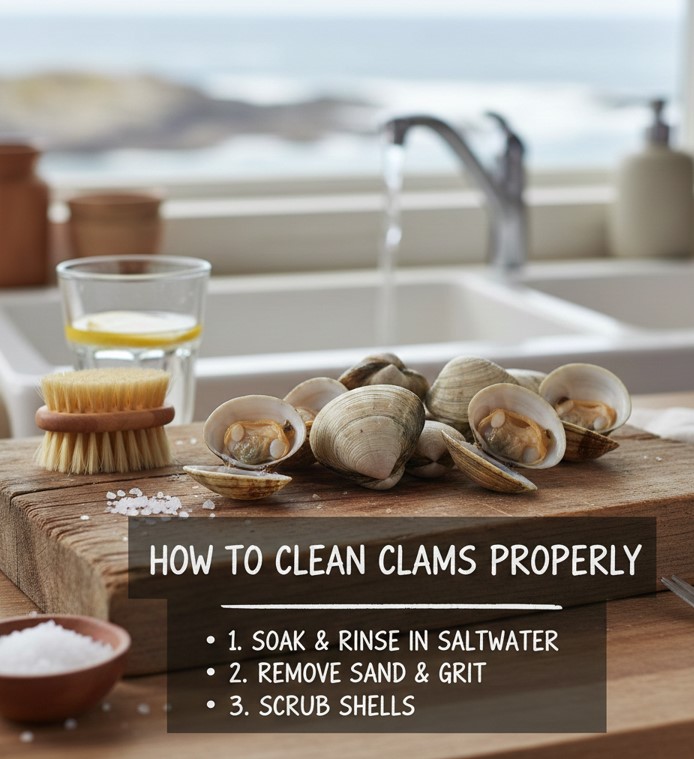
Understanding how to clean clams properly begins with respecting the clam’s biology. The goal is not to scrub aggressively inside the shell but to encourage the clam to naturally expel sand and impurities.
Core Rules for Cleaning Clams
. Keep Clams Alive Until Cooking
Live clams clean themselves; dead ones do not.
. Use Cold, Salted Water Only
Freshwater can kill clams prematurely.
. Avoid Soaking Too Long
Extended soaking weakens the clams.
. Handle Gently to Avoid Cracking Shells
Cracks allow contamination.
. Discard Clams That Don’t Close
Open clams that won’t shut are unsafe.
. Clean Just Before Cooking
Cleaning too early reduces freshness.
Also Read:- How to Clean Baby Ears: A Complete, Safe, and Parent-Approved Guide
How to Clean Clams in the Shell (Initial Cleaning)

Before soaking or purging, clams must be cleaned externally to remove surface dirt and debris.
Shell Cleaning Explained
. Rinse Under Cold Running Water
Removes loose sand and mud.
. Scrub Shells With a Stiff Brush
Focus on hinges and ridges.
. Remove Barnacles or Debris
Use a knife carefully if needed.
. Avoid Soap or Chemicals
Shellfish absorb contaminants easily.
. Inspect for Cracks or Damage
Discard broken shells immediately.
. Keep Clams Cold During Cleaning
Maintains freshness and safety.
Also Read:- How Long Do Duck Eggs Take to Hatch? A Complete, Science-Based Guide
How to Clean Clams Before Cooking
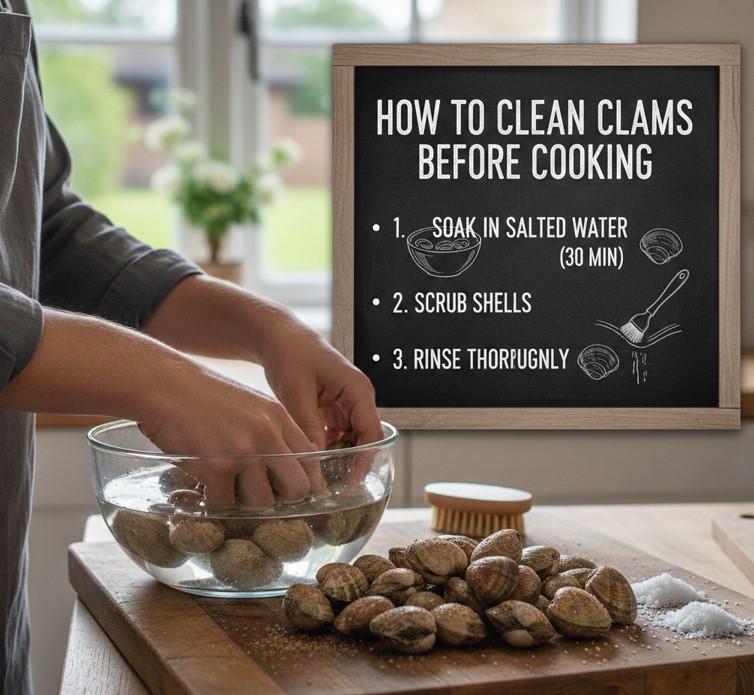
Cleaning clams before cooking ensures they’re safe and enjoyable, regardless of the cooking method used.
Pre-Cooking Cleaning Process
. Sort Clams Carefully
Separate tightly closed clams from damaged ones.
. Rinse Thoroughly After Scrubbing
Remove loosened debris.
. Prepare a Saltwater Soak
Mimics the clam’s natural environment.
. Allow Time for Purging
Clams expel sand naturally.
. Change Water if It Becomes Cloudy
Reduces reabsorption of grit.
. Cook Immediately After Cleaning
Preserves freshness.
Also Read:- How to Run Faster: A Complete Guide for All Runners
How to Clean Clams From Sand (Purging Method)
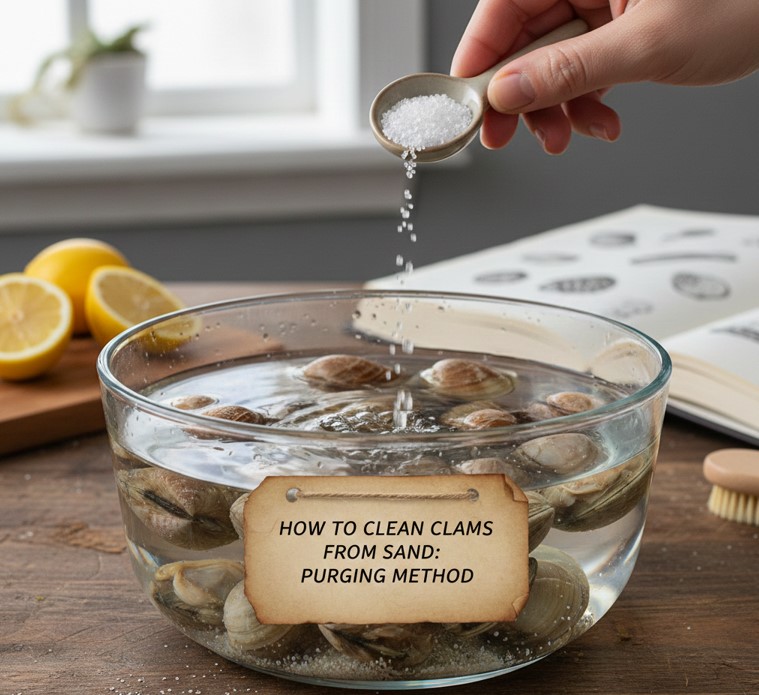
Removing sand is the most critical step in cleaning clams.
Sand Removal Explained
. Mix Cold Water With Salt
Use 1/3 cup salt per gallon of water.
. Submerge Clams Fully
They must remain underwater.
. Keep the Bowl Cold
Refrigeration slows spoilage.
. Soak for 20–30 Minutes
This triggers natural filtering.
. Lift Clams Out, Don’t Pour
Sand settles at the bottom.
. Repeat if Necessary
Very sandy clams may need multiple soaks.
Also Read:- How to Reset AirPods Pro: The Complete Expert Guide
How to Clean Clams by Soaking (Standard Technique)
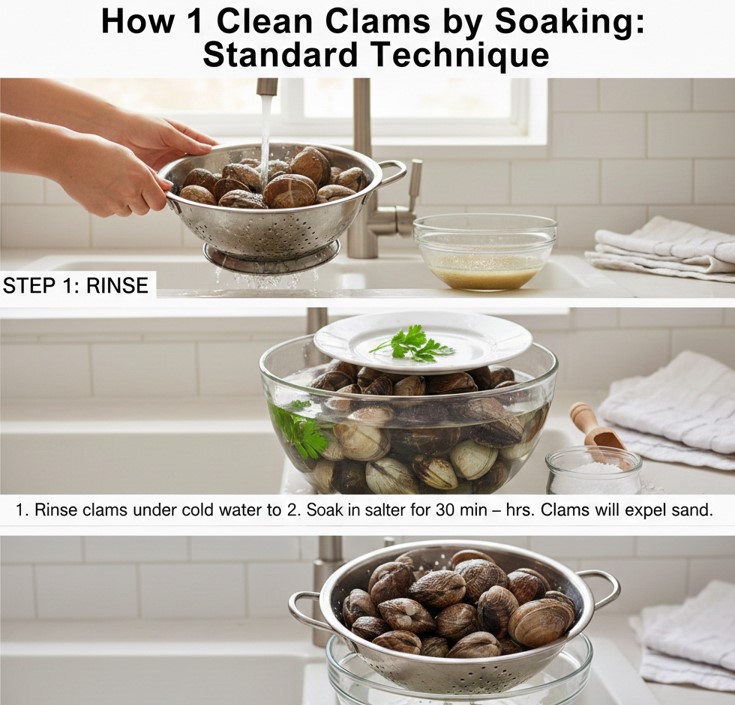
Soaking is the most widely recommended and effective clam-cleaning method.
Soaking Method Explained
. Use a Large, Non-Metal Bowl
Metal can affect flavor.
. Saltwater Should Taste Like the Ocean
Correct salinity is essential.
. Cover Lightly, Don’t Seal
Allows oxygen flow.
. Avoid Stirring During Soak
Disturbs expelled sand.
. Lift Clams Carefully After Soaking
Prevents recontamination.
. Rinse Briefly Before Cooking
Final clean step.
Also Read:- How to Remove Gel X Nails: A Complete Expert Guide
How to Clean Clams With Cornmeal (Traditional Method)

Using cornmeal is an old-school technique believed to encourage clams to purge faster.
Cornmeal Cleaning Explained
. Add Cornmeal to Saltwater
1–2 tablespoons per bowl.
. Submerge Clams Completely
They feed on the cornmeal.
. Allow 30–60 Minutes of Soaking
Cornmeal stimulates filtering.
. Do Not Over-Soak
Excess feeding weakens clams.
. Lift Clams Out Carefully
Avoid stirring sediment.
. Rinse Thoroughly Before Cooking
Removes cornmeal residue.
Also Read:- How to Reset CMOS: A Complete Beginner-to-Advanced Guide
How to Clean Clams Before Steaming
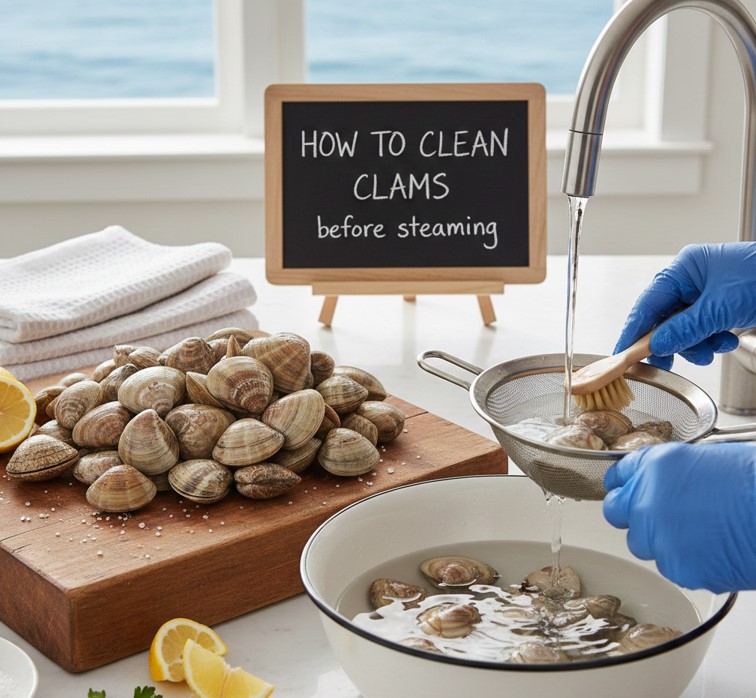
Steamed clams are especially sensitive to grit because the cooking liquid becomes part of the dish.
Steaming Preparation Explained
. Clean Shells Thoroughly First
Surface dirt affects broth clarity.
. Purge Sand Completely
Steaming does not remove grit.
. Inspect Clams One Final Time
Discard any open or damaged ones.
. Do Not Salt During Steaming
Clams are naturally salty.
. Steam Immediately After Cleaning
Freshness matters most.
. Discard Unopened Clams After Cooking
They are unsafe to eat.
Also Read:- How to Replace a Kitchen Faucet: A Complete Step-by-Step DIY Guide
How to Clean Clams and Mussels Together
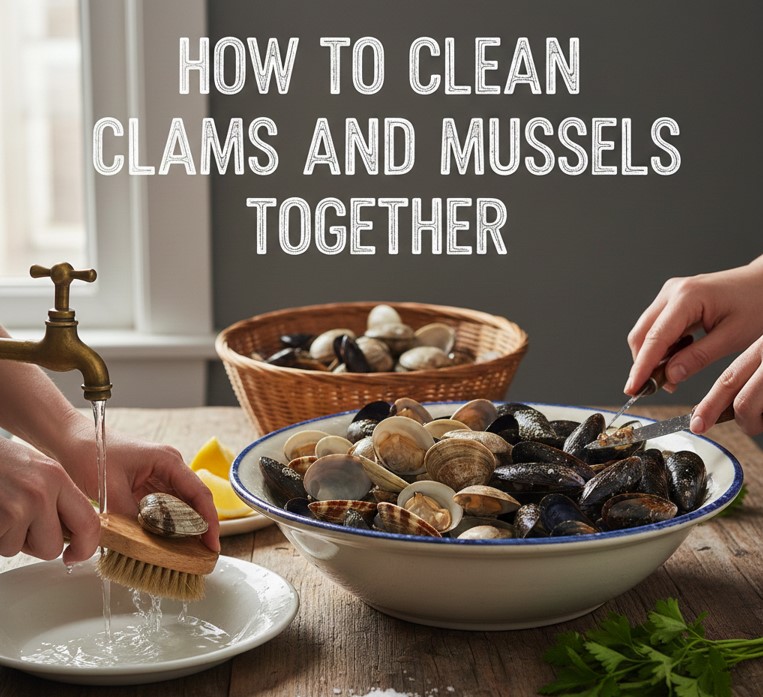
Clams and mussels can be cleaned similarly but have slight differences.
Cleaning Mixed Shellfish
. Separate and Inspect Individually
Different species show spoilage differently.
. Scrub Mussels More Aggressively
They often have beards.
. Remove Mussel Beards Before Soaking
Pull firmly toward hinge.
. Soak Both in Saltwater Together
They purge similarly.
. Monitor Soaking Time Carefully
Mussels purge faster than clams.
. Rinse Both Before Cooking
Final safety step.
Also Read:- How to Get Rid of Gnats: The Complete Expert Guide for Home, Plants, and Outdoors
Common Mistakes When Cleaning Clams
Avoiding these mistakes ensures safety and quality.
Clam Cleaning Mistakes
. Using Freshwater Only
Kills clams and prevents purging.
. Over-Soaking
Weakens and kills shellfish.
. Pouring Clams and Water Together
Reintroduces sand.
. Skipping Shell Scrubbing
Surface dirt contaminates food.
. Cooking Dead Clams
Major food safety risk.
. Cleaning Too Far in Advance
Reduces freshness.
Food Safety Tips for Handling Clams
Safe handling is as important as cleaning.
Clam Safety Best Practices
. Store Clams Cold and Covered With Damp Cloth
Never seal airtight.
. Use Within 24 Hours of Purchase
Freshness declines quickly.
. Wash Hands and Tools Thoroughly
Prevents cross-contamination.
. Keep Raw Clams Separate From Other Foods
Especially ready-to-eat items.
. Cook to Proper Temperature
Shells should open fully.
. Discard Any Clams With Strong Odor
Fresh clams smell like the sea.
Also Read:- How to Clear Cache on iPhone: A Complete, Expert-Backed Guide
Conclusion
Knowing how to clean clams properly is essential for safe, delicious seafood cooking. By understanding clam biology, using correct saltwater soaking techniques, and handling shellfish gently, you can remove sand, improve flavor, and protect your health.
FAQs
How long should clams be soaked to remove sand?
Typically 20–30 minutes, repeated if needed.
Is cornmeal necessary to clean clams?
No, it’s optional; saltwater alone works well.
Can I clean clams the night before cooking?
It’s best to clean them just before cooking.
Should clams be opened before cleaning?
No, clams should always be cleaned in the shell.
For More Updates Visit: Biomagazine
