


Learning how to make hot honey is one of the simplest yet most rewarding kitchen skills you can master. This bold combination of natural sweetness and controlled heat has transformed modern cooking, becoming a favorite drizzle for pizza, fried chicken, biscuits, wings, and even roasted vegetables. Hot honey is not just a trend—it is a flavor enhancer that balances spice and sweetness in a way few condiments can.
In this in-depth guide, you will learn how to make hot honey at home using safe, flexible methods backed by culinary expertise. You will also discover specialized variations for sauces, pizza, chicken, and wings, along with storage tips, ingredient science, and serving ideas.
What Is Hot Honey and Why Is It So Popular?
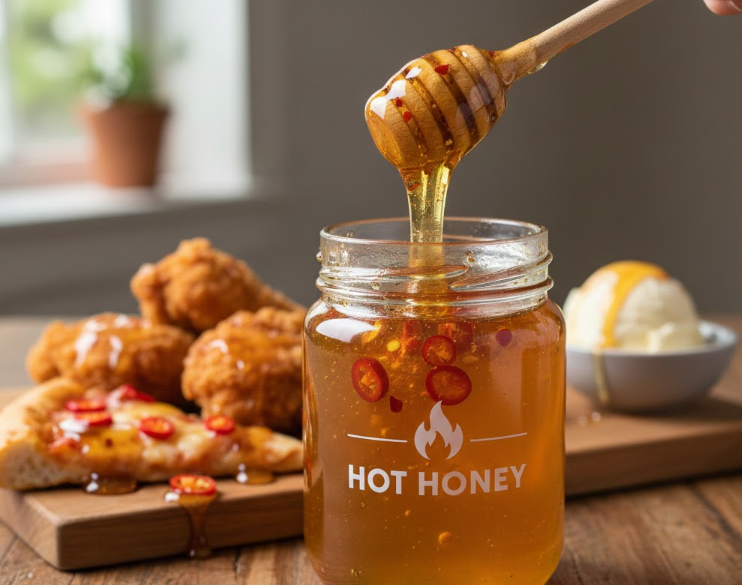
Hot honey is a sweet-and-spicy infused honey made by gently warming honey with chili peppers or chili flakes. The heat infuses slowly, allowing the natural floral notes of honey to remain intact while absorbing controlled spice. This balance makes it versatile across cuisines.
The popularity of hot honey has surged due to its simplicity, clean ingredient list, and ability to elevate everyday meals without overpowering them. Restaurants and home cooks alike appreciate how easily it adapts to different heat levels.
Why Hot Honey Works So Well
• Natural flavor balance
The complex sugars and floral undertones in honey naturally soften the sharp bite of chili heat. This contrast reduces bitterness while creating a smooth, enjoyable warmth on the palate.
• Versatile culinary use
Across many dishes, hot honey adapts effortlessly to savory, sweet, and salty flavors. As a result, it works beautifully as a drizzle, glaze, or dipping sauce.
• Clean-label ingredients
With only two or three simple components, most homemade hot honey recipes align with today’s preference for minimal, transparent ingredients. This simplicity also makes it easy to prepare at home.
• Customizable heat levels
By adjusting the amount and type of chili used, the spice level can be tailored precisely. This flexibility allows hot honey to suit both mild tastes and heat-loving palates.
• Shelf stability
When stored properly, hot honey remains fresh for months without the need for preservatives. Its long shelf life makes it a convenient staple for everyday cooking.
• Cultural adaptability
From Italian and Southern American cuisine to Asian-inspired fusion dishes, hot honey blends seamlessly across food traditions. Its balance of sweetness and heat enhances a wide range of flavors.
Also Read:- How to Clean Clams: The Complete, Safe, and Expert Seafood Guide
How to Make Hot Honey at Home

Understanding how to make hot honey at home begins with respecting the ingredients. Honey is sensitive to high heat, so gentle warming—not boiling—is essential to preserve nutrients and flavor integrity.
This method focuses on infusion rather than cooking, ensuring a smooth, well-rounded condiment that maintains honey’s natural character.
Core Method for Homemade Hot Honey
• Choose high-quality honey
Raw or local honey offers better flavor depth. Light-colored honeys produce milder results, while darker varieties add complexity.
• Select your heat source carefully
Crushed red pepper flakes are most common, but dried chilies, jalapeños, or habaneros offer different heat profiles.
• Warm gently, never boil
Heat honey slowly over low heat. Excessive temperatures destroy aroma compounds and can cause bitterness.
• Control infusion time
Longer infusion equals stronger heat. Taste periodically to avoid overpowering spice.
• Strain for smooth texture
Removing pepper solids creates a clean drizzle suitable for finishing dishes.
• Store properly for longevity
Use airtight glass jars to preserve freshness and prevent crystallization.
Also Read:- How to Love Yourself: A Complete Guide to Confidence, Healing, and Inner Peace
How to Make Hot Honey Sauce

Learning how to make hot honey sauce means transforming basic hot honey into a pourable, flavor-packed condiment. Sauce variations typically include acidic or savory components to add depth.
This version works well as a dipping sauce, glaze, or drizzle over grilled foods.
Building a Balanced Hot Honey Sauce
• Add acidity for contrast
To prevent the sauce from tasting overly sweet, apple cider vinegar or fresh lemon juice introduces a bright, balancing note. This touch of acidity sharpens overall flavor complexity.
• Incorporate umami elements
For added depth, ingredients like soy sauce or lightly sautéed garlic bring savory richness. These elements enhance the sauce without masking the natural sweetness of honey.
• Adjust viscosity intentionally
Depending on the desired texture, small amounts of water or melted butter help thin the sauce. This adjustment makes it easier to pour, drizzle, or evenly coat food.
• Balance salt carefully
Used in moderation, salt amplifies both sweetness and heat. Proper seasoning ties all the flavors together without making the sauce taste harsh.
• Use low heat for blending
Gentle heat allows ingredients to combine smoothly while preserving honey’s delicate flavor. Higher temperatures may cause separation or unwanted bitterness.
• Taste and refine gradually
Rather than making drastic changes, small adjustments create better balance. Tasting as you go ensures the final sauce remains smooth and well-rounded.
Also Read:- How to Clean Baby Ears: A Complete, Safe, and Parent-Approved Guide
How to Make Hot Honey for Pizza

Understanding how to make hot honey for pizza requires focusing on flavor restraint. Pizza already contains salt, fat, and acidity, so the honey must enhance rather than dominate.
This variation emphasizes subtle heat and clean sweetness that melts into the cheese.
Pizza-Specific Hot Honey Tips
• Use mild chili flakes
Choosing a gentler chili variety keeps the heat from overwhelming the cheese and tomato sauce. This approach allows the sweetness to shine without masking other flavors.
• Keep texture thin and drizzly
For best results, a lighter consistency helps the honey spread evenly across each slice. Even distribution prevents sticky pockets and uneven sweetness.
• Apply after baking
Adding hot honey once the pizza comes out of the oven protects its delicate flavor. This timing also prevents burning and bitterness.
• Pair with salty toppings
Ingredients like pepperoni, sausage, or olives create a satisfying contrast with sweet heat. The saltiness enhances balance and depth.
• Avoid excessive garlic infusion
Too much garlic can compete with tomato acidity and spice. Using it sparingly keeps the flavor profile harmonious.
• Serve warm, not hot
Allowing the honey to warm slightly releases aroma while preserving texture. Extreme heat may thin it too much or mute subtle notes.
Also Read:- How Long Do Duck Eggs Take to Hatch? A Complete, Science-Based Guide
How to Make Hot Honey Chicken

Learning how to make hot honey chicken involves understanding caramelization and heat balance. Chicken benefits from sweetness that crisps during cooking while spice adds depth.
Hot honey can be used as a glaze, marinade, or finishing drizzle.
Hot Honey Chicken Techniques
• Apply glaze near the end of cooking
Because honey burns quickly, adding the glaze later helps prevent bitterness. This timing also preserves the sauce’s natural sweetness.
• Use butter or oil as a buffer
Incorporating fat slows down caramelization and protects the honey from scorching. The result is a smooth, glossy coating on the chicken.
• Balance with acidity
A small splash of vinegar cuts through excess sweetness and sharpens overall flavor. This contrast keeps the dish from tasting heavy.
• Choose the cooking method wisely
Different techniques such as frying, baking, or grilling influence texture and flavor. Selecting the right method ensures the hot honey complements the chicken properly.
• Rest the chicken before serving
Allowing the meat to rest helps the glaze set and prevents juices from escaping. Flavors become more stable and pronounced during this short pause.
• Finish with fresh herbs
Adding herbs at the end introduces brightness and color. This final touch enhances both presentation and taste.
Also Read:- How to Run Faster: A Complete Guide for All Runners
How to Make Hot Honey Sauce for Wings
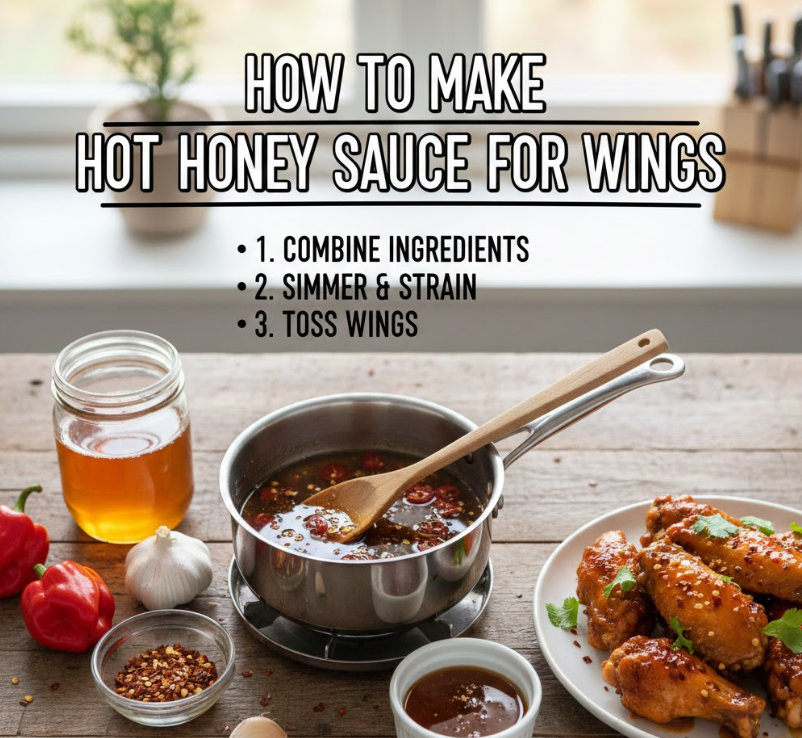
Mastering how to make hot honey sauce for wings requires bold flavor concentration. Wings need stronger seasoning to cut through fried or baked textures.
This sauce combines sweetness, spice, fat, and acidity for full coverage.
Wing Sauce Flavor Strategy
• Increase chili intensity slightly
Compared to pizza or bread, chicken wings can tolerate a bolder level of heat. A modest increase in chili intensity helps the sauce stand up to fried or baked textures.
• Incorporate butter for richness
Adding butter softens sharp spice and creates a smoother mouthfeel. This richness also helps the sauce coat wings more evenly.
• Add vinegar for tang
A touch of acidity brightens the flavor and keeps the sauce from feeling heavy. Tangy notes also prevent palate fatigue during eating.
• Toss wings while hot
Coating the wings immediately after cooking allows the sauce to cling properly. Residual heat improves absorption without making the wings soggy.
• Avoid excessive sweetness
Overusing honey can overpower both spice and salt. Maintaining balance ensures the sauce remains bold rather than cloying.
• Serve immediately for best texture
Freshly sauced wings retain their crisp exterior and vibrant flavor. Waiting too long allows moisture to soften the coating.
Also Read:- How to Reset AirPods Pro: The Complete Expert Guide
Ingredient Science Behind Hot Honey
Understanding ingredient interaction strengthens your results when learning how to make hot honey. Capsaicin, the compound responsible for heat, dissolves slowly in warm honey, creating a gradual infusion.
Honey’s natural acidity and sugar content stabilize flavor and inhibit spoilage.
Why the Ingredients Work Together
• Capsaicin infusion process
During warming, heat transfers slowly into the honey, allowing spice to build without sharp or aggressive peaks. This gradual infusion keeps the flavor smooth and controlled.
• Sugar acts as a flavor carrier
Because of its natural sugars, honey distributes spice evenly across the palate. This mechanism creates a consistent sweet-heat experience in every bite.
• Low moisture reduces spoilage risk
With minimal water content, properly prepared hot honey discourages microbial growth. This natural characteristic helps extend shelf life safely.
• Floral compounds enhance aroma
When warmed gently, honey retains its delicate floral notes. These volatile compounds contribute depth and fragrance to the final condiment.
• Fat compatibility
Paired with fatty foods, hot honey creates balance by cutting through richness. The contrast improves mouthfeel and overall flavor harmony.
• pH stability
Thanks to its natural acidity, honey remains stable over time. This acidity plays a key role in preserving freshness and quality.
Also Read:- How to Remove Gel X Nails: A Complete Expert Guide
Conclusion: Why Hot Honey Belongs in Your Kitchen
Learning how to make hot honey empowers you to create a versatile, clean, and customizable condiment that elevates everyday meals. Whether drizzled over pizza, brushed onto chicken, or tossed with wings, hot honey adds depth without complexity.
By mastering simple techniques and understanding ingredient balance, you can confidently create hot honey variations that suit your taste and cooking style. Once you make it at home, store-bought versions rarely compare.
FAQs
How long does homemade hot honey last?
Up to three months when stored in an airtight glass container.
Can hot honey ferment?
Rarely, if moisture is introduced. Always use dry utensils.
Is hot honey very spicy?
Heat level is fully adjustable based on chili quantity.
For More Updates Visit: Biomagazine
