

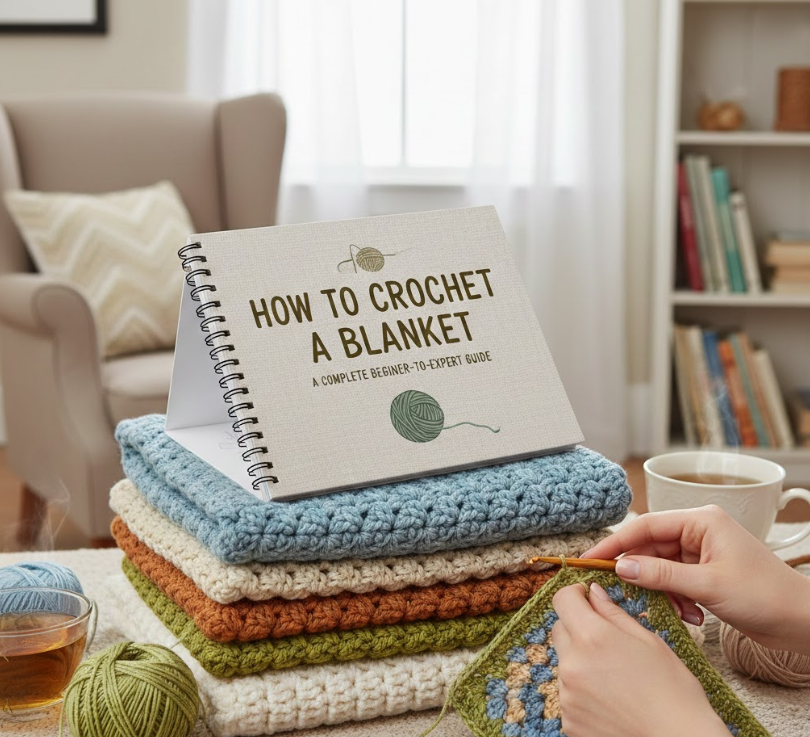
Learning how to crochet a blanket is one of the most rewarding skills in the world of yarn crafts. A handmade blanket is not only warm and practical but also deeply personal, making it a favorite project for beginners and experienced crocheters alike. Whether you want a cozy throw for your sofa, a baby blanket, or a chunky winter cover, crocheting allows endless creativity. This guide walks you through everything you need to know, from tools and yarn selection to advanced techniques, using clear explanations and practical advice.
Understanding the Basics of Crocheting a Blanket
Before starting your first blanket, it is important to understand what crochet actually involves and how a blanket project differs from smaller items. Crochet is a technique where yarn is looped using a hook to create fabric, and blankets are essentially larger versions of these fabric panels. Unlike scarves or hats, blankets require consistency, patience, and planning to maintain even edges and uniform stitches across a wide surface.
• Crochet fundamentals and fabric structure
A crochet blanket is built from repeated stitches arranged in rows or rounds. Understanding how stitches connect helps prevent uneven tension and curling edges. When you learn how loops interlock, you gain control over texture and thickness.
• Why blankets are ideal learning projects
Blankets allow repetition, which helps beginners master muscle memory. Mistakes are easier to fix, and patterns are forgiving. This repetition builds confidence and skill without overwhelming complexity.
• Choosing between rows and continuous designs
Some blankets are crocheted back and forth in rows, while others are made in one continuous spiral or joined motifs. Each approach affects appearance, size control, and finishing methods.
• Understanding gauge and tension
Gauge refers to stitch size and spacing. Maintaining consistent tension ensures your blanket lays flat and fits the intended dimensions without warping or shrinking.
• Time commitment and project planning
Crocheting a blanket is a long-term project. Breaking it into manageable sessions helps avoid fatigue and keeps motivation high throughout the process.
• Setting realistic expectations for beginners
Your first blanket may not be perfect, and that is completely normal. Focus on learning techniques rather than flawless results.
Also Read:- How to Smoke Chicken: A Comprehensive Guide for Tender, Flavorful Results
Essential Tools and Materials for Crocheting a Blanket
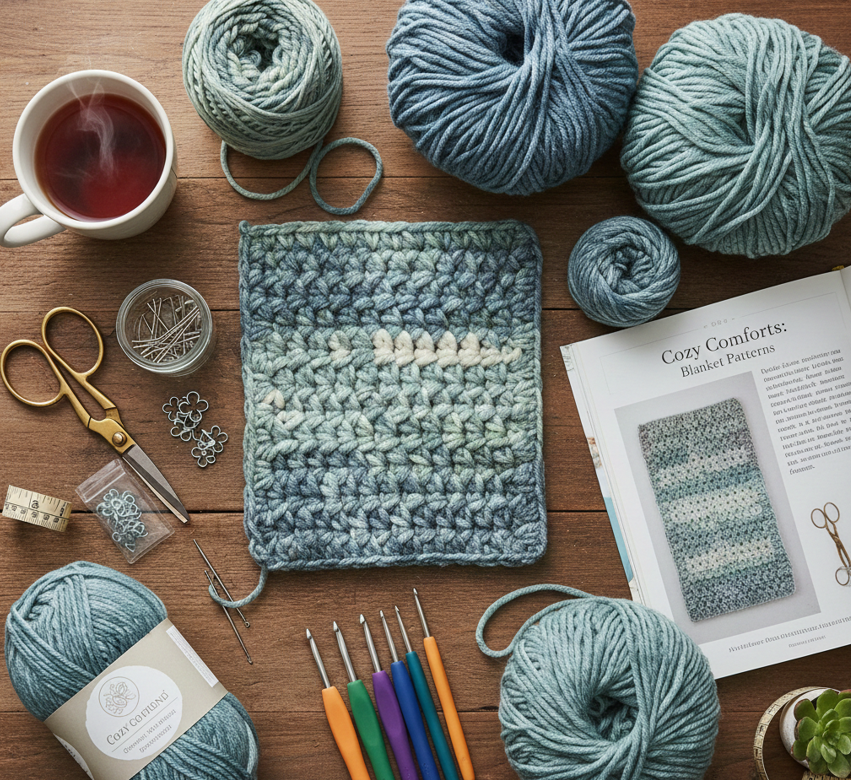
Choosing the right tools can make or break your crocheting experience. Comfort, yarn compatibility, and hook size all influence how enjoyable and successful your blanket project will be. Investing in basic, quality supplies ensures smoother stitches and less hand strain over time.
• Selecting the right crochet hook
Hooks come in aluminum, plastic, bamboo, and ergonomic styles. Beginners often benefit from medium-sized hooks that provide control without slowing progress.
• Understanding yarn types and fibers
Acrylic, cotton, wool, and blended yarns each behave differently. Acrylic is beginner-friendly, while wool provides warmth and elasticity for blankets.
• Yarn weight and its effect on blankets
Yarn weight determines thickness. Bulky yarns create fast, cozy blankets, while lighter yarns produce delicate, breathable designs.
• Additional tools that simplify work
Stitch markers, yarn needles, and measuring tape help track progress, join pieces neatly, and maintain accurate sizing.
• Choosing colors and textures
Solid colors highlight stitch definition, while variegated yarns create visual interest. Beginners often find light colors easier to work with.
• Preparing your workspace
Good lighting, comfortable seating, and organized materials reduce strain and improve focus during long crocheting sessions.
Also Read:- How to Skate: The Complete Step-by-Step Guide for Beginners and Beyond
How to Crochet a Blanket for Beginners
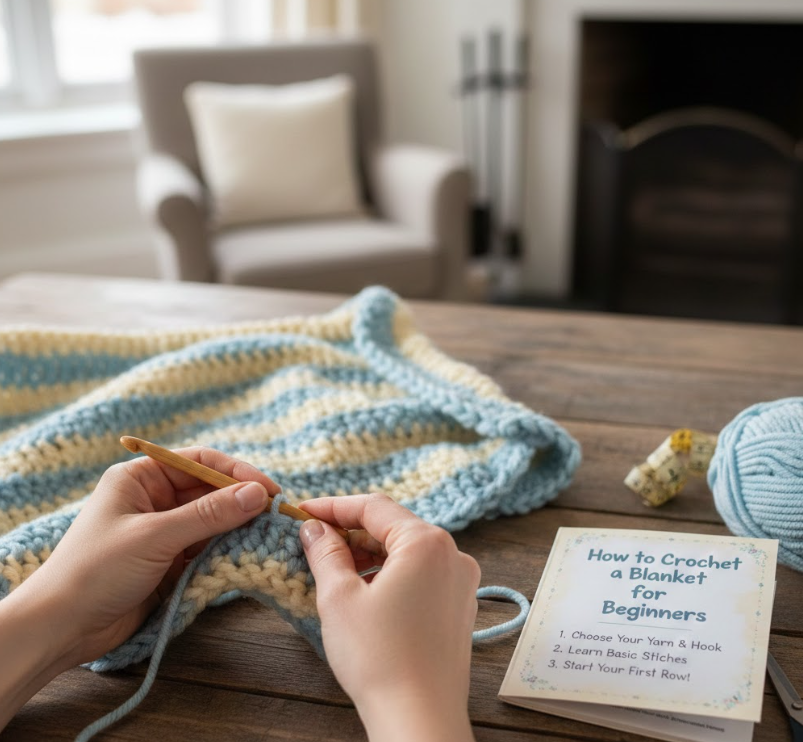
For beginners, learning how to crochet a blanket for beginners should focus on simplicity, consistency, and confidence. Starting with basic stitches and straightforward patterns allows new crocheters to complete a project without frustration. This approach builds a strong foundation for future, more complex designs.
• Starting with a simple foundation chain
The foundation chain sets the width of your blanket. Counting stitches carefully ensures straight edges and even rows from the beginning.
• Mastering basic crochet stitches
Single crochet, half-double crochet, and double crochet are beginner-friendly stitches commonly used in blankets. These stitches are easy to memorize and repeat.
• Maintaining straight edges
Turning chains and proper stitch placement prevent edges from narrowing or widening unintentionally, which is a common beginner issue.
• Choosing beginner-friendly patterns
Simple striped or solid blankets reduce complexity while still looking polished and attractive.
• Fixing mistakes without panic
Unraveling stitches is part of learning. Recognizing errors early saves time and prevents frustration later.
• Building confidence through repetition
The more rows you complete, the more comfortable your hands and eyes become, making progress faster and smoother.
Also Read:- How to Read Tabs: A Complete Beginner-to-Advanced Guide
How to Crochet a Blanket Step by Step
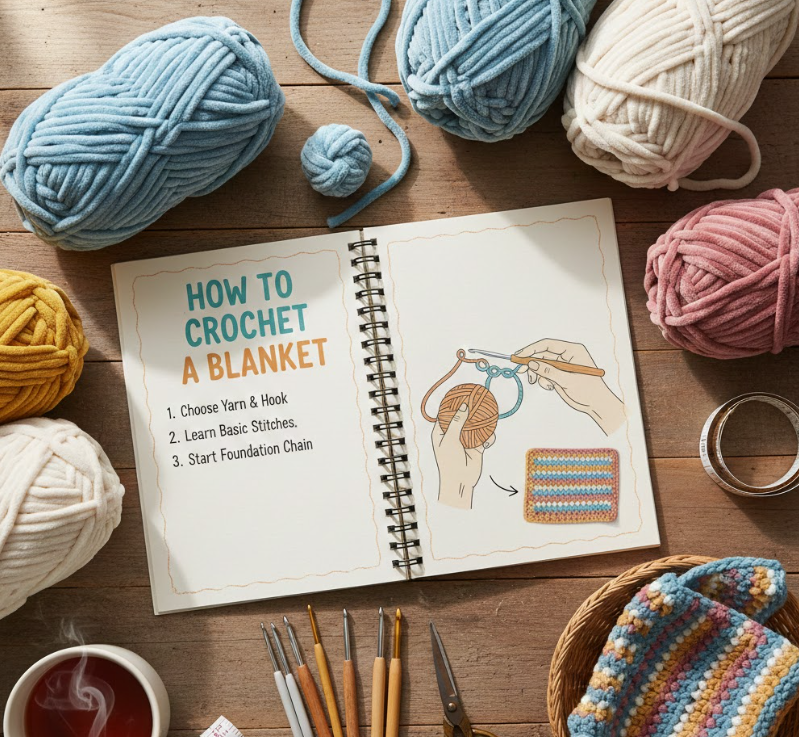
Understanding how to crochet a blanket step by step helps eliminate guesswork and keeps the process organized. A structured approach ensures steady progress and prevents common beginner mistakes that can affect the final result.
• Step one: Creating the foundation
Begin with a slip knot and foundation chain sized to your desired blanket width. This step determines the overall scale of your project.
• Step two: Establishing the stitch pattern
The first few rows define the pattern and rhythm. Working slowly here ensures accuracy and confidence moving forward.
• Step three: Repeating rows consistently
Consistency is key when crocheting blankets. Repeating the same stitch pattern creates a cohesive fabric.
• Step four: Monitoring size and shape
Periodically measure your blanket to ensure it remains proportional and meets your intended dimensions.
• Step five: Adding finishing touches
Borders and edging enhance durability and appearance, giving the blanket a professional finish.
• Step six: Weaving in loose ends
Securing yarn ends properly prevents unraveling and improves the overall look and longevity of your blanket.
Also Read:- How to Clean Clams: The Complete, Safe, and Expert Seafood Guide
How to Crochet a Blanket with Thick Yarn
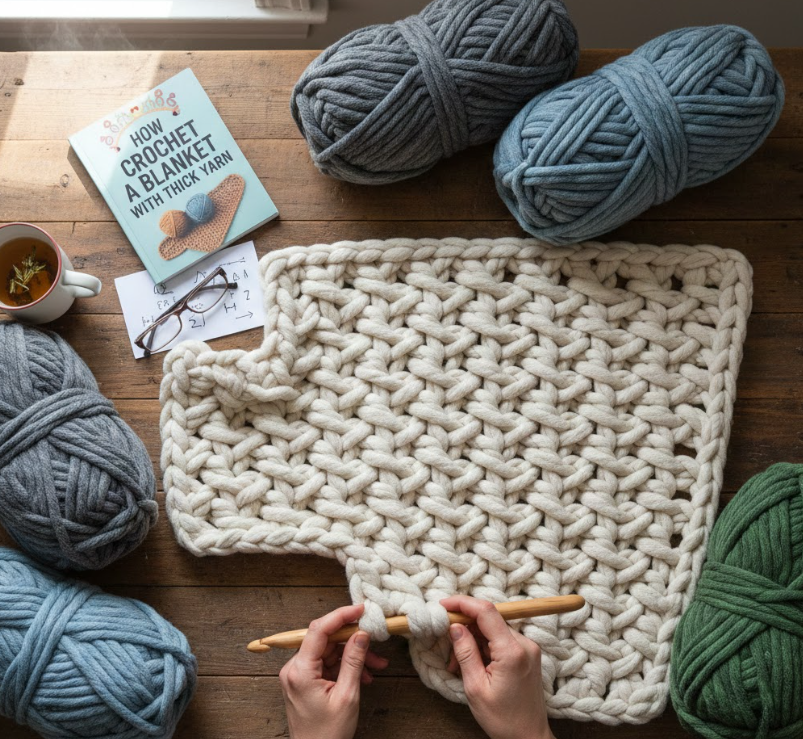
Learning how to crochet a blanket with thick yarn is ideal for those seeking fast results and maximum coziness. Thick yarn creates bold textures and warm blankets perfect for colder climates or decorative throws.
• Benefits of thick yarn blankets
Chunky blankets work up quickly, making them satisfying projects with visible progress after each session.
• Choosing the correct hook size
Thick yarn requires larger hooks to prevent stiffness and allow stitches to breathe.
• Managing hand fatigue
Because thick yarn is heavier, taking breaks and using ergonomic hooks helps reduce strain.
• Creating texture with simple stitches
Basic stitches appear more dramatic when worked with bulky yarn, enhancing visual appeal.
• Avoiding overly tight tension
Loose tension keeps the blanket soft and flexible instead of stiff and uncomfortable.
• Ideal uses for chunky blankets
Thick yarn blankets are perfect for couches, beds, and decorative layering.
Also Read:- How to Love Yourself: A Complete Guide to Confidence, Healing, and Inner Peace
How to Crochet a Blanket with Thin Yarn for Beginners
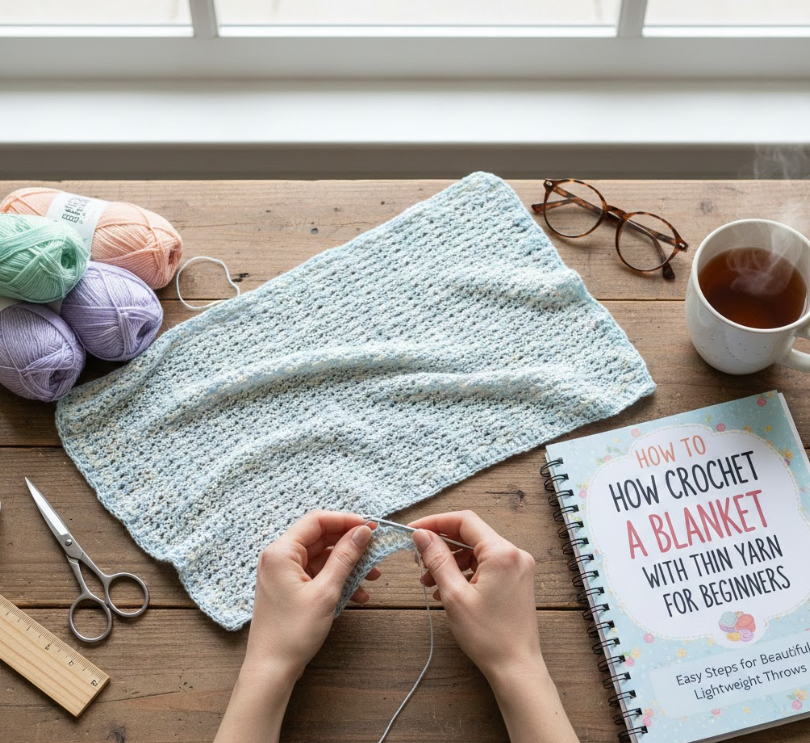
Although thin yarn requires more patience, learning how to crochet a blanket with thin yarn for beginners offers beautiful, lightweight results. These blankets are ideal for warmer climates or intricate designs.
• Understanding the challenges of thin yarn
Thin yarn takes longer to work up, but the finished product often looks more refined and detailed.
• Using the right hook for precision
Smaller hooks provide control, helping maintain even stitches and clean lines.
• Maintaining focus and consistency
Because progress is slower, consistency and patience are essential to avoid uneven sections.
• Choosing simple stitch patterns
Simple stitches prevent visual clutter and allow the yarn’s texture to shine.
• Creating breathable and lightweight blankets
Thin yarn produces blankets suitable for summer use or layering.
• Developing advanced skills naturally
Working with thin yarn improves stitch accuracy and tension control over time.
Also Read:- How to Clean Baby Ears: A Complete, Safe, and Parent-Approved Guide
Common Mistakes to Avoid When Crocheting a Blanket
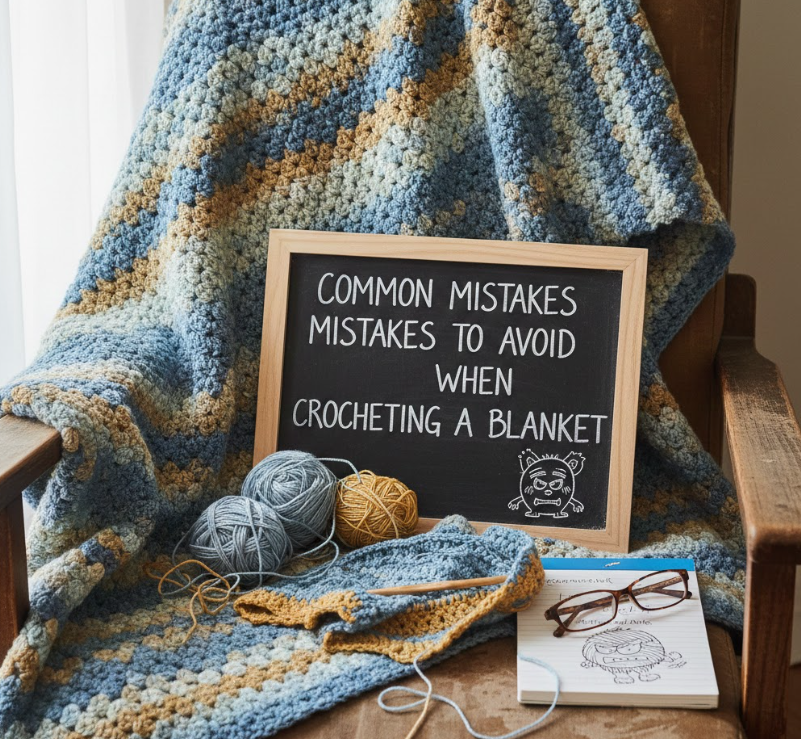
Even experienced crocheters encounter challenges. Being aware of common mistakes helps beginners save time and produce better results when learning how to crochet a blanket.
• Skipping or adding stitches unintentionally
Careful counting prevents uneven edges and distorted shapes.
• Ignoring gauge checks
Skipping gauge tests can result in blankets that are too small or too large.
• Using unsuitable yarn and hook combinations
Mismatched tools affect drape, comfort, and appearance.
• Rushing the learning process
Taking time to master basics leads to higher-quality work.
• Neglecting hand comfort
Stretching and breaks prevent strain during long sessions.
• Overcomplicating first projects
Simple designs allow skills to develop naturally without frustration.
Also Read:- How Long Do Duck Eggs Take to Hatch? A Complete, Science-Based Guide
Caring for and Maintaining Your Crochet Blanket
Once your blanket is complete, proper care ensures it lasts for years. Understanding how to wash and store crochet blankets preserves their shape, softness, and color.
• Reading yarn care labels
Different fibers require different washing methods to avoid damage.
• Washing techniques for handmade blankets
Gentle washing prevents stretching and fiber breakdown.
• Drying methods that maintain shape
Air drying flat keeps blankets from warping or shrinking.
• Proper storage practices
Storing blankets in breathable containers prevents moisture buildup.
• Repairing minor damage early
Fixing loose stitches early prevents larger issues later.
• Preserving sentimental value
Handmade blankets often hold emotional significance, making proper care essential.
Conclusion: Mastering How to Crochet a Blanket
Learning how to crochet a blanket is a journey that blends creativity, patience, and skill. Whether you choose thick yarn for speed, thin yarn for elegance, or beginner-friendly patterns for confidence, every blanket tells a story through its stitches. With the right tools, techniques, and mindset, anyone can create a beautiful handmade blanket that offers warmth, comfort, and lasting pride.
FAQs
How long does it take to crochet a blanket?
The time depends on yarn thickness, stitch pattern, and experience, ranging from a few days to several weeks.
What is the best stitch for a beginner blanket?
Single crochet and double crochet are popular choices due to their simplicity and versatility.
Can beginners crochet a large blanket?
Yes, starting with simple patterns and thicker yarn makes large blankets manageable for beginners.
For More Updates Visit: Biomagazine
