


Understanding how to lower body fat percentage is one of the most common fitness and health goals worldwide, yet it is also one of the most misunderstood. Many people confuse weight loss with fat loss, chase quick fixes, or follow extreme diets that harm long-term health. Body fat percentage refers to the proportion of fat mass compared to total body weight, and lowering it requires a strategic, sustainable, and science-based approach.
This guide is designed to help you reduce body fat efficiently while preserving muscle, energy levels, and metabolic health. Whether your goal is aesthetic improvement, athletic performance, or disease prevention, lowering body fat percentage can dramatically improve insulin sensitivity, hormonal balance, cardiovascular health, and overall quality of life.
By combining evidence-based nutrition, resistance training, cardio strategies, recovery protocols, and mindset shifts, this article provides a complete roadmap. It also includes gender-specific considerations, muscle-preserving techniques, and fast but safe fat-loss methods. Everything is written for humans first—clear, practical, and actionable.
What Does Body Fat Percentage Mean and Why It Matters
Body fat percentage is a more accurate health indicator than body weight alone because it distinguishes fat mass from lean tissue. Two people can weigh the same but have drastically different health outcomes depending on their fat distribution and muscle mass.
Why Body Fat Percentage Is More Important Than Weight
• Body fat percentage reflects metabolic health more accurately than BMI or scale weight, especially for active individuals with higher muscle mass.
• Excess body fat—particularly visceral fat—increases the risk of heart disease, type 2 diabetes, hormonal imbalance, and chronic inflammation.
• Lowering body fat percentage improves insulin sensitivity, nutrient partitioning, and energy utilization.
• Athletes and fitness enthusiasts track body fat percentage to optimize performance, strength-to-weight ratio, and recovery.
• Healthy body fat ranges differ by age and gender, making individualized goals essential.
• Monitoring body fat helps prevent muscle loss during fat-loss phases.
Also Read:- How to Increase Ferritin Levels: A Complete, Evidence-Based Guide
How to Lower Body Fat Percentage Through Nutrition Fundamentals
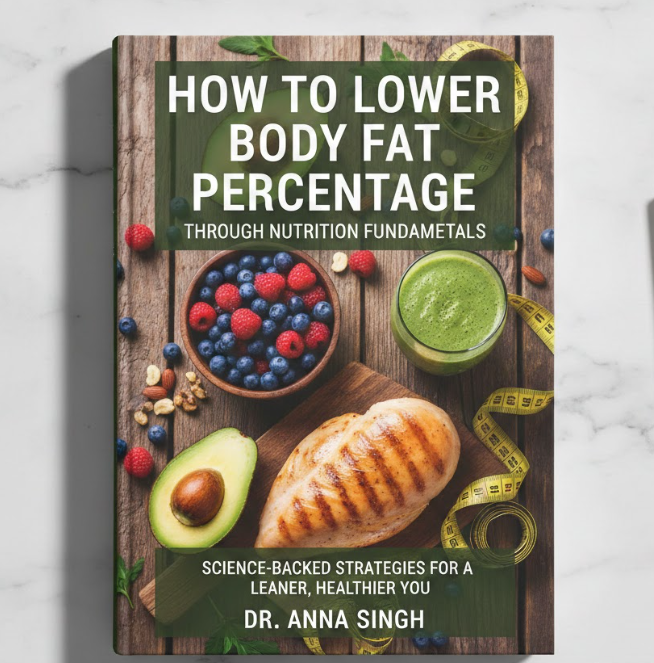
Nutrition is the foundation of fat loss. Without proper dietary structure, even the best training program will fail to deliver sustainable results.
Creating a Sustainable Caloric Deficit
• A moderate caloric deficit encourages fat loss while preserving muscle and hormonal balance over time.
• Extreme calorie cuts slow metabolism, increase cortisol, and raise the risk of muscle breakdown.
• Consistency matters more than perfection; small deficits maintained long-term outperform crash diets.
• Tracking intake using food logs or apps improves awareness and adherence.
• Periodic diet breaks can help maintain metabolic rate and mental well-being.
• Personalized calorie targets should consider activity level, age, and body composition.
Optimizing Macronutrient Balance
• Protein intake supports muscle retention, satiety, and thermogenesis during fat loss.
• Carbohydrates fuel workouts and regulate thyroid and leptin hormones when consumed strategically.
• Healthy fats support hormone production, brain health, and nutrient absorption.
• Macronutrient timing can enhance training performance and recovery.
• High-fiber foods improve digestion and appetite control.
• Whole, minimally processed foods improve nutrient density and metabolic health.
Also Read:- How to Cook Plantains: A Complete, Step-by-Step Expert Guide
How to Lower Body Fat Percentage Without Losing Muscle
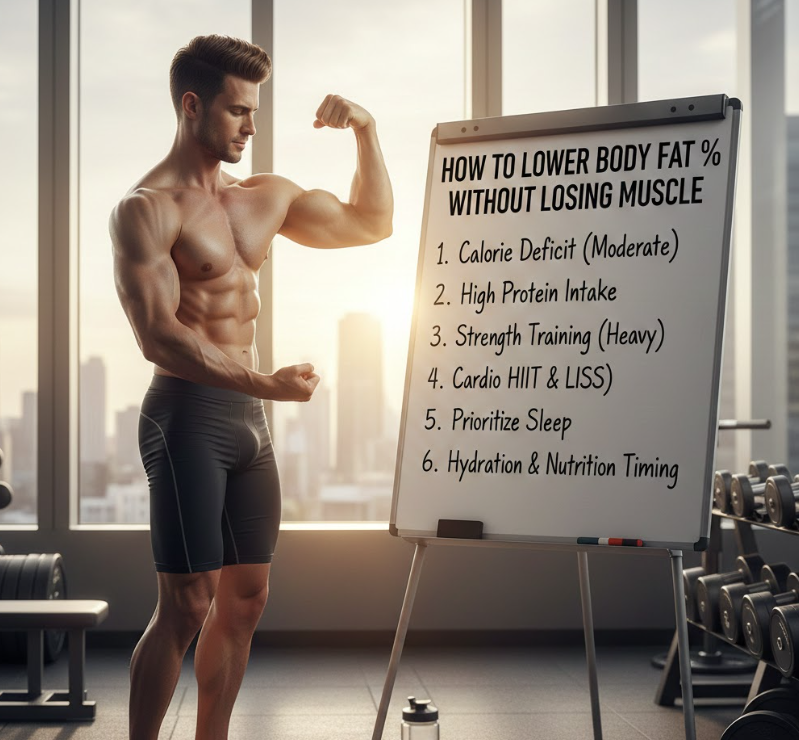
Preserving muscle mass is critical for metabolism, strength, and long-term fat-loss success.
Resistance Training as the Primary Driver
• Progressive overload signals the body to retain lean muscle during caloric restriction.
• Compound lifts stimulate multiple muscle groups and maximize hormonal response.
• Strength training improves insulin sensitivity and resting metabolic rate.
• Training frequency should be balanced to avoid overtraining.
• Proper form reduces injury risk and improves muscle activation.
• Recovery between sessions supports muscle protein synthesis.
Protein Intake and Recovery Strategies
• Adequate daily protein reduces muscle breakdown during fat loss.
• Even protein distribution throughout the day supports muscle maintenance.
• Sleep quality directly influences muscle recovery and fat metabolism.
• Active recovery reduces inflammation and improves training consistency.
• Hydration supports cellular function and nutrient transport.
• Stress management lowers cortisol-related muscle loss.
Also Read:- How to Clean a Pizza Stone Properly: The Complete Expert Guide
How to Lower Body Fat Percentage Without Losing Weight

Recomposition—losing fat while maintaining scale weight—is achievable with the right approach.
Understanding Body Recomposition
• Body recomposition focuses on fat loss while gaining or preserving lean mass.
• Scale weight may remain stable while body composition improves visibly.
• Resistance training is essential for recomposition success.
• Adequate calories support muscle growth alongside fat loss.
• Beginners and returning trainees experience recomposition more easily.
• Progress should be tracked using measurements and photos, not just weight.
Strategic Nutrition for Recomposition
• Protein intake remains high to support muscle growth.
• Carbohydrates are prioritized around workouts.
• Calories are adjusted based on training days and rest days.
• Nutrient timing improves body composition outcomes.
• Micronutrients support hormonal and metabolic health.
• Consistency over months yields visible transformation.
Also Read:- How to Wash Pillows: The Complete Expert Guide for Clean, Fresh, and Fluffy Pillows
How to Lower Body Fat Percentage Female: Hormone-Smart Strategies
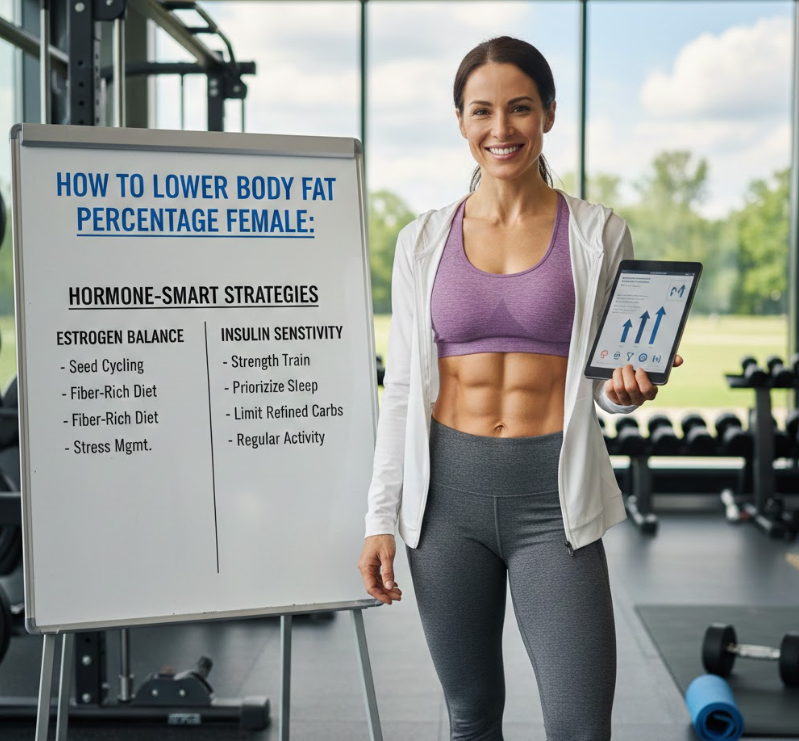
Women face unique hormonal considerations when reducing body fat percentage.
Female Hormonal Considerations
• Estrogen affects fat distribution and storage patterns.
• Extremely low body fat can disrupt menstrual cycles.
• Stress management is critical for cortisol control.
• Adequate dietary fat supports hormone production.
• Training intensity should align with energy availability.
• Recovery and sleep are especially important for women.
Training and Nutrition for Women
• Resistance training improves muscle tone and metabolic rate.
• Excessive cardio may increase muscle loss and fatigue.
• Protein supports lean mass without bulking.
• Cycle-based training can improve performance and fat loss.
• Strength training enhances bone density.
• Sustainable approaches outperform extreme dieting.
Also Read:- How to Remove Sticker Residue: The Complete Safe & Effective Guide
How to Lower Body Fat Percentage Male: Optimizing Testosterone and Performance
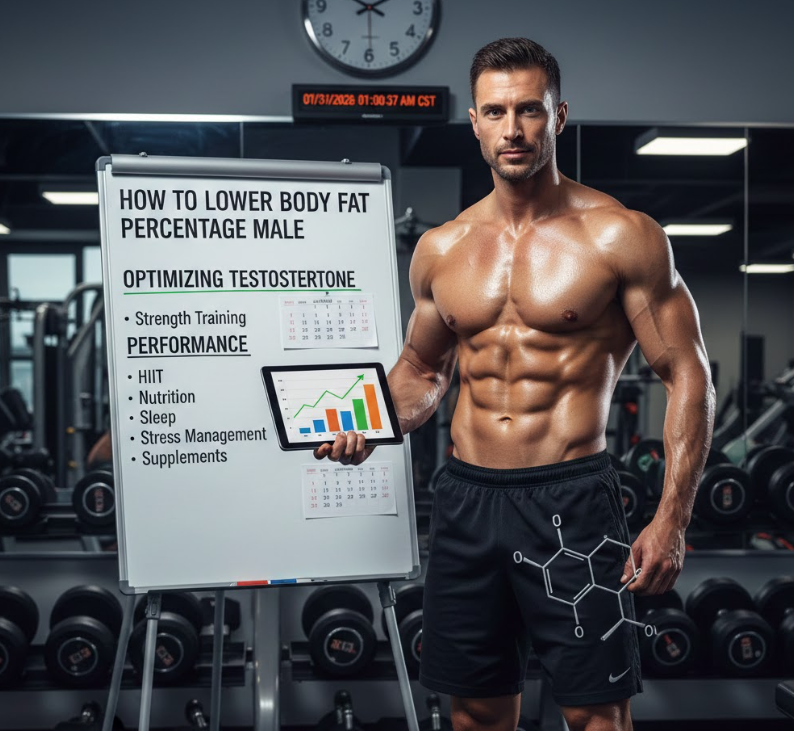
Men typically lose fat faster but still require structure and discipline.
Male Physiology and Fat Loss
• Testosterone supports muscle mass and fat oxidation.
• Visceral fat reduction improves hormonal health.
• Strength training preserves testosterone levels.
• Sleep deprivation reduces fat-loss efficiency.
• Alcohol intake negatively affects fat metabolism.
• Nutrient timing enhances workout performance.
Effective Male Fat-Loss Strategies
• Compound lifts maximize calorie burn and muscle retention.
• High-protein diets improve satiety and body composition.
• Strategic cardio enhances fat oxidation.
• Recovery prevents overtraining and hormonal suppression.
• Stress reduction supports consistent progress.
• Long-term habits outperform short-term cuts.
Also Read:- How to Drag Click: The Complete Step-by-Step Guide for Any Mouse
How to Lower Body Fat Percentage Fast (Safely and Sustainably)
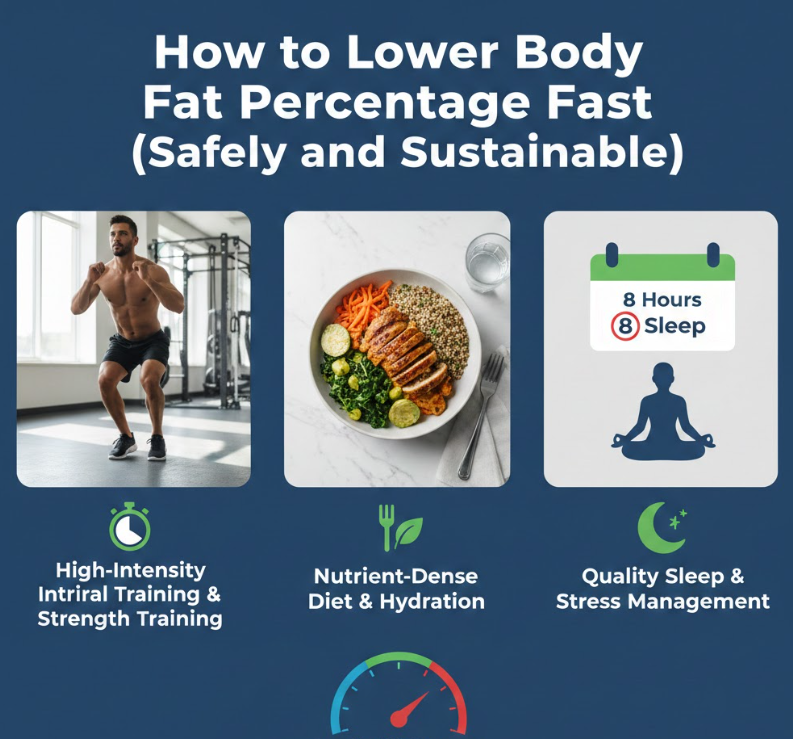
Fast fat loss must still prioritize health and muscle preservation.
Accelerated Fat-Loss Principles
• Aggressive deficits should be short-term and planned.
• Protein intake increases during rapid fat loss.
• Training intensity remains high to protect muscle.
• Hydration prevents performance decline.
• Sleep quality becomes non-negotiable.
• Monitoring biomarkers ensures safety.
Avoiding Common Mistakes
• Starvation diets lead to muscle loss and rebound fat gain.
• Excessive cardio increases injury risk.
• Neglecting recovery slows progress.
• Poor nutrient quality affects hormones.
• Unrealistic timelines cause burnout.
• Sustainable strategies ensure lasting results.
Lifestyle Factors That Influence Body Fat Percentage
Fat loss is not just diet and exercise—it’s a lifestyle equation.
Sleep, Stress, and Daily Movement
• Poor sleep disrupts hunger hormones.
• Chronic stress increases fat storage.
• Daily steps improve calorie expenditure.
• Mindfulness improves adherence.
• Consistent routines build momentum.
• Environmental cues influence eating behavior.
Conclusion: The Sustainable Way to Lower Body Fat Percentage
Learning how to lower body fat percentage is not about extremes—it’s about intelligent strategy, consistency, and respect for your body. When nutrition, training, recovery, and lifestyle align, fat loss becomes predictable and sustainable. Whether you are male or female, aiming for fast results or long-term transformation, the principles remain the same: protect muscle, fuel performance, manage stress, and stay patient.
FAQs
Q: How long does it take to lower body fat percentage?
Results vary, but noticeable changes typically occur within 8–12 weeks.
Q: Is body fat percentage more important than weight?
Yes, it better reflects health, fitness, and body composition.
Q: Can supplements help lower body fat?
They may support results, but fundamentals matter most.
For More Updates Visit: Biomagazine
