


Peaches are one of summer’s sweetest treasures—juicy, fragrant, and bursting with flavor. But knowing how to store peaches correctly can make the difference between enjoying perfectly ripe fruit and tossing out mushy, moldy produce. Whether you’ve picked them fresh from the orchard, bought them from a local farmers’ market, or grabbed a basket at the grocery store, proper storage preserves taste, texture, and nutrients.
In this comprehensive guide, you’ll learn how to store peaches in fridge, how to store peaches in the freezer, how to store peaches long term, and the science behind keeping them fresh. Drawing on USDA food safety guidance and post-harvest fruit handling best practices, this article offers actionable, research-backed advice to help you maximize freshness and reduce food waste.
Understanding Peach Ripeness Before Storage
Peaches are climacteric fruits, meaning they continue ripening after harvest due to ethylene production. Knowing their ripeness stage is essential before deciding how to store peaches in refrigerator or freezer. Storing unripe peaches improperly can halt flavor development, while storing overripe peaches too long can lead to spoilage.
A ripe peach should feel slightly soft near the stem, smell sweet, and have vibrant color. According to post-harvest studies, room temperature ripening enhances sugar conversion and aroma compounds before refrigeration.
How Ripeness Affects Storage Decisions
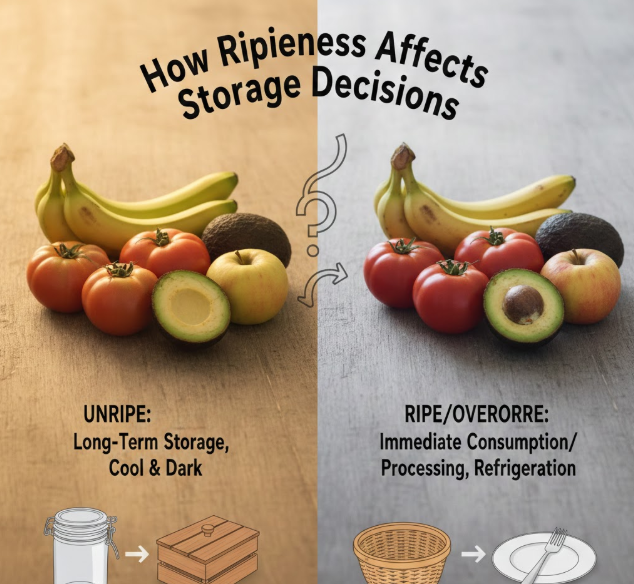
• Unripe peaches need room temperature first.
Unripe peaches stored immediately in the fridge may fail to develop full sweetness. Keep them on the counter in a single layer for 1–3 days until slightly soft. Proper airflow prevents moisture buildup, reducing mold risk and preserving natural ripening enzymes.
• Ripe peaches require prompt cooling.
Once ripe, refrigeration slows respiration and ethylene release. Storing peaches in the fridge at 32–40°F (0–4°C) can extend freshness by 3–5 days. This method maintains juiciness while preventing rapid texture breakdown.
• Overripe peaches demand quick use or freezing.
If peaches feel very soft or show bruising, use them within 24 hours or learn how to store peaches in freezer to prevent waste. Freezing preserves nutrients and flavor compounds effectively.
• Avoid washing before storage.
Moisture accelerates mold growth. Wash peaches only before eating or preserving. Keeping skin dry significantly extends shelf life.
• Handle gently to prevent bruising.
Peach flesh bruises easily due to its delicate cellular structure. Bruised areas deteriorate faster, leading to spoilage.
• Separate from ethylene-sensitive produce.
Peaches emit ethylene gas, which speeds ripening of nearby fruits and vegetables. Store separately from leafy greens and cucumbers.
Also Read:- How to Make a Paper Airplane: The Ultimate Step-by-Step Guide for Distance, Speed, and Fun
How to Store Peaches at Room Temperature
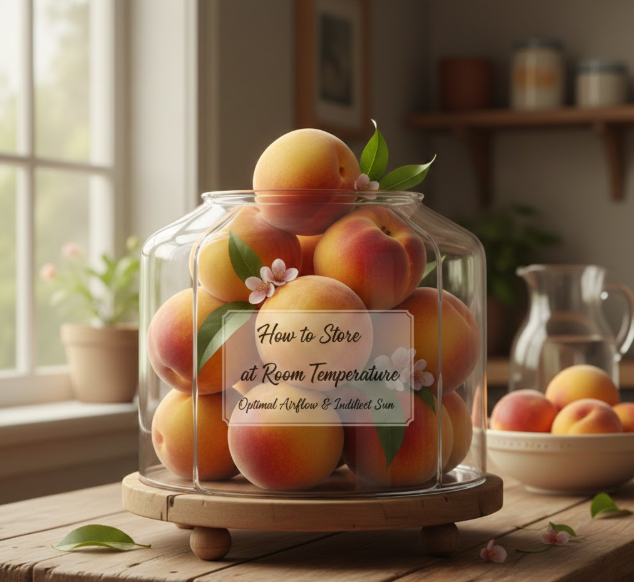
Understanding short-term countertop storage is foundational when learning how to store peaches properly. Room temperature storage supports natural ripening, especially for firm peaches.
Best Practices for Countertop Storage
• Place peaches stem-side down.
This reduces pressure points and prevents bruising on the softest part of the fruit. A breathable surface such as a paper towel allows airflow.
• Keep in a single layer.
Stacking peaches traps moisture and increases pressure damage. Even minor compression can cause internal browning.
• Avoid direct sunlight.
Heat accelerates ripening unevenly and can cause shriveling. A cool, shaded kitchen area works best.
• Use a paper bag to speed ripening.
If peaches are firm, place them in a loosely folded paper bag. This traps ethylene gas, accelerating ripening within 24–48 hours.
• Check daily for softness.
Gently press near the stem to monitor readiness. Timely refrigeration prevents overripening.
• Consume within 2–3 days.
Room temperature peaches have limited shelf life. Once ripe, transfer to refrigerator storage for longevity.
Also Read:- How to Cut a Mango: The Complete Step-by-Step Guide for Perfect Slices and Cubes
How to Store Peaches in Fridge

Learning how to store peaches in fridge correctly helps preserve flavor without causing chilling injury. Refrigeration slows enzymatic activity and microbial growth.
Peaches should be placed in the crisper drawer, ideally in a breathable produce bag. The ideal temperature is between 32–40°F (0–4°C).
Step-by-Step Guide for Refrigerator Storage
• Refrigerate only ripe peaches.
Cold temperatures stop flavor development in unripe fruit. Always ripen first at room temperature.
• Use the crisper drawer.
Humidity-controlled drawers maintain optimal moisture balance. This prevents shriveling and water loss.
• Store unwashed and dry.
Moisture promotes mold. Pat peaches dry if condensation forms before placing in fridge.
• Keep away from strong odors.
Peaches absorb refrigerator smells. Store separately from onions or garlic.
• Avoid airtight plastic containers.
Lack of airflow traps moisture, accelerating decay. Use perforated produce bags instead.
• Consume within 3–5 days.
While refrigeration extends freshness, peaches gradually lose texture after several days.
Also Read:- How to Meditate Properly: The Complete Beginner-to-Advanced Guide
How to Store Peaches in Refrigerator Without Losing Flavor
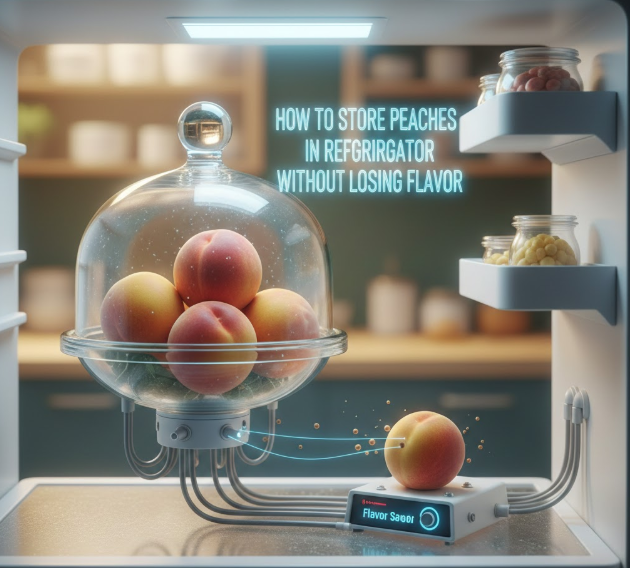
When discussing how to store peaches in refrigerator, flavor preservation is crucial. Studies show cold storage may reduce volatile aroma compounds if peaches are kept too long.
Flavor-Preserving Refrigerator Tips
• Bring peaches to room temperature before eating.
Cold dulls sweetness perception. Allow peaches to sit out for 30 minutes before serving.
• Avoid extended refrigeration beyond five days.
Prolonged chilling can cause mealiness due to cell wall breakdown.
• Use breathable storage materials.
Airflow reduces condensation and fungal growth.
• Inspect daily for soft spots.
Remove damaged peaches to prevent cross-contamination.
• Maintain stable temperature.
Frequent fridge opening fluctuates temperature, impacting quality.
• Label storage date.
Tracking time ensures peaches are consumed at peak freshness.
Also Read:- How to Do a Squat: The Ultimate Step-by-Step Guide for Perfect Form and Powerful Results
How to Store Peaches in the Freezer
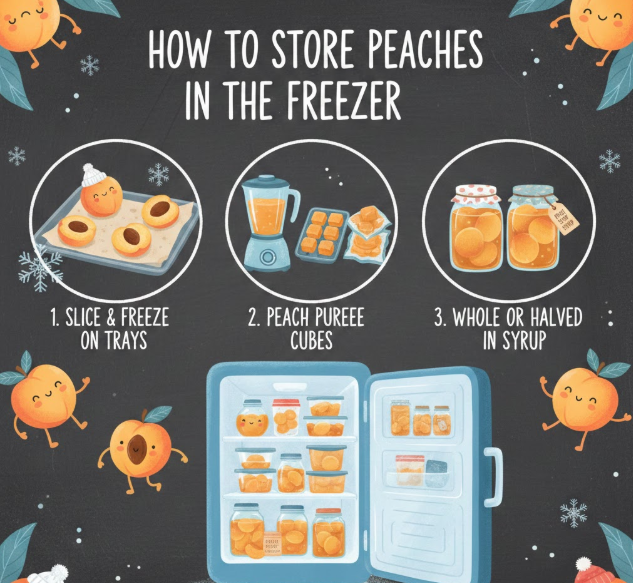
Freezing is ideal when learning how to store peaches long term. Proper freezing retains nutrients, including vitamin C and antioxidants.
According to food preservation research, frozen peaches can last 8–12 months without significant nutrient loss when sealed properly.
Step-by-Step Freezing Instructions
• Wash and dry thoroughly.
Clean fruit before freezing to remove bacteria and dirt.
• Blanch or peel if desired.
Blanching loosens skin and prevents enzymatic browning.
• Slice uniformly.
Even slices freeze more consistently and are easier to portion later.
• Prevent browning with lemon juice.
Toss slices in lemon juice or ascorbic acid solution to preserve color.
• Flash freeze on baking sheet.
Freeze slices separately before transferring to freezer bags. This prevents clumping.
• Use airtight freezer-safe bags.
Remove excess air to prevent freezer burn and oxidation.
Also Read:- How to Delete Instagram Account: The Complete 2025 Step-by-Step Guide
How to Store Peaches in Freezer for Long-Term Use

If your goal is extended preservation, understanding how to store peaches in freezer properly ensures flavor integrity.
Long-Term Freezer Storage Strategies
• Vacuum seal for maximum freshness.
Reducing oxygen exposure prevents freezer burn and flavor loss.
• Label with date and portion size.
Helps manage rotation and reduce waste.
• Store at 0°F (-18°C) or lower.
Consistent freezing temperature prevents ice crystal damage.
• Freeze in syrup or sugar pack.
Sugar protects cell structure and improves texture after thawing.
• Avoid refreezing thawed peaches.
Repeated freezing damages texture and promotes bacterial growth.
• Thaw slowly in refrigerator.
Gradual thawing preserves structure and prevents mushiness.
Also Read:- How to Store Potatoes: The Complete Expert Guide for Freshness, Flavor, and Long-Term Storage
How to Store Peaches Long Term
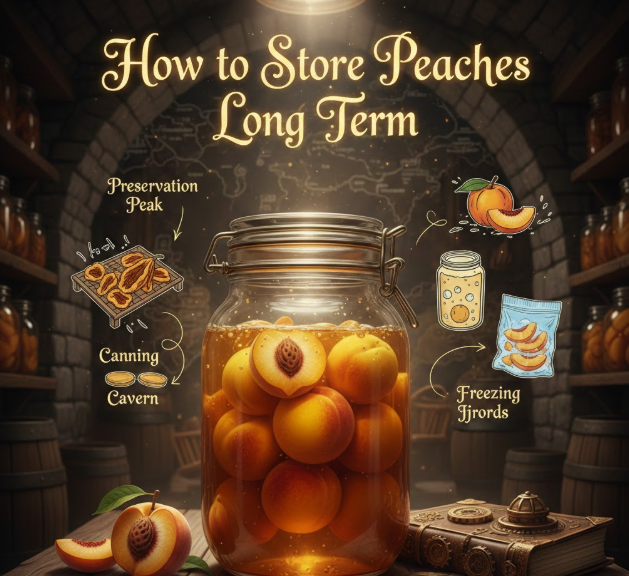
When harvest season brings abundance, mastering how to store peaches long term is essential. Freezing, canning, dehydrating, and preserving in jams are effective methods.
Long-Term Preservation Options
• Canning in light syrup.
Home canning extends shelf life up to 12–18 months when processed correctly.
• Dehydrating for snacks.
Dried peaches last months in airtight containers and retain fiber.
• Making peach preserves.
High sugar concentration prevents microbial growth.
• Freezing puree for smoothies.
Blended peaches freeze efficiently in portioned containers.
• Storing in controlled-atmosphere storage.
Commercial methods use oxygen reduction for extended freshness.
• Monitoring for spoilage signs.
Discard peaches showing mold, off-odor, or unusual texture.
Also Read:- How to Read Palms: Complete Beginner’s Guide to Palm Reading, Lines, and Meanings
Common Mistakes When Storing Peaches
Improper handling reduces quality and shelf life.
Avoid These Errors
• Storing unripe peaches in fridge too early
• Washing before refrigeration
• Sealing in airtight plastic with moisture
• Ignoring bruised fruit
• Keeping near ethylene-sensitive vegetables
• Forgetting to rotate stock
Also Read:- How to Tie a Tie: The Complete Step-by-Step Expert Guide
Conclusion
Learning how to store peaches properly ensures you enjoy their sweetness at peak quality. Whether you choose room temperature ripening, refrigeration for short-term storage, or freezing for long-term preservation, each method plays a vital role in maintaining freshness.
By following expert-backed strategies, monitoring ripeness, and preventing moisture buildup, you can confidently reduce waste and extend shelf life. With the right approach, peaches remain juicy, flavorful, and ready for smoothies, desserts, or healthy snacking all year long.
FAQs
How long do peaches last in the fridge?
Ripe peaches last about 3–5 days in the refrigerator when stored properly.
Can you freeze peaches without blanching?
Yes. Peaches can be frozen raw, though blanching helps preserve texture.
Should peaches be stored in plastic bags?
Use perforated or breathable produce bags to allow airflow.
What is the best way to store peaches long term?
Freezing, canning, or dehydrating are effective long-term methods.
How do you keep peaches from turning brown?
Use lemon juice or ascorbic acid before freezing or slicing.
For More Updates Visit: Biomagazine
