

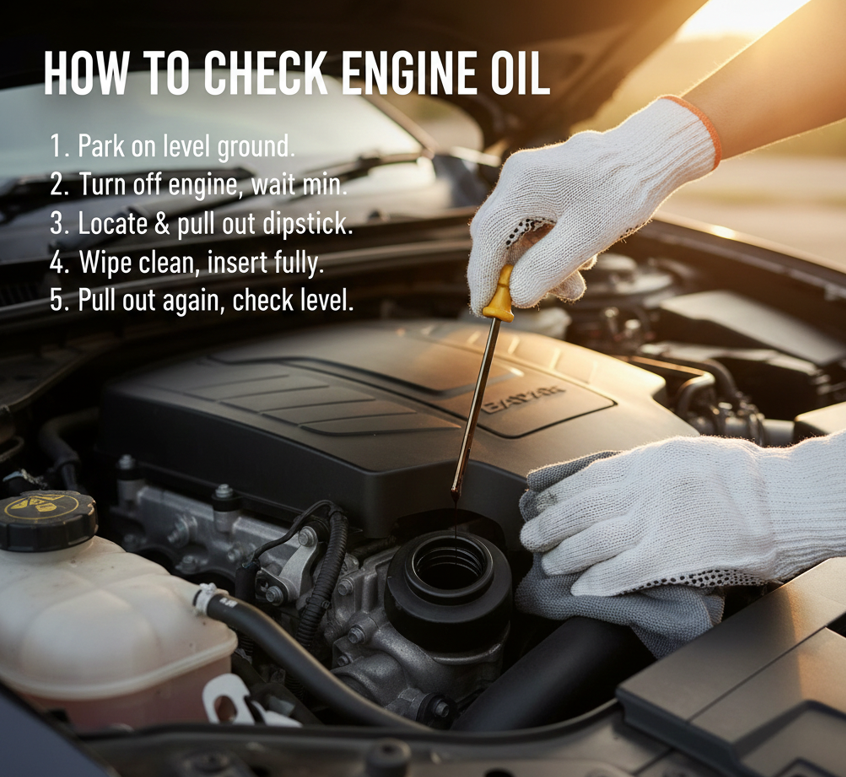
Engine oil is the lifeblood of your car’s engine. Without proper oil, your engine can overheat, seize, or suffer long-term damage. Yet, many car owners overlook one of the simplest and most crucial maintenance tasks: checking engine oil. Knowing how to check engine oil properly can extend your engine’s life, improve fuel efficiency, and save you costly repairs.
In this comprehensive guide, we’ll cover everything from how to check engine oil in a car, including dipstick usage, oil quality inspection, pressure monitoring, and understanding oil types. Whether you are a beginner or a seasoned driver, this guide ensures you do it safely and accurately.
Why Checking Engine Oil is Important
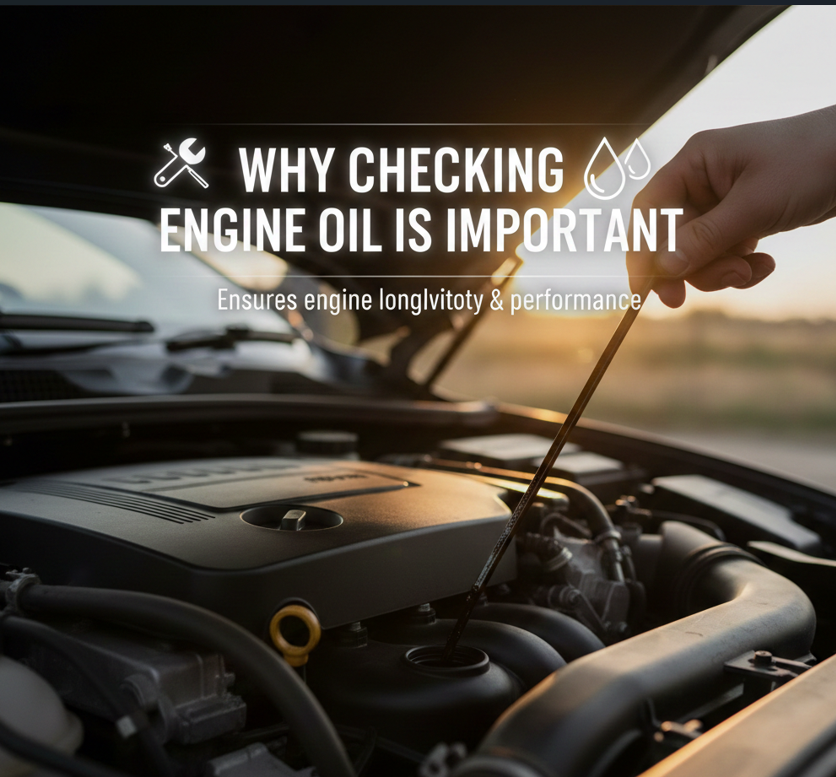
Engine oil lubricates your engine’s moving parts, reduces friction, absorbs heat, and helps prevent corrosion. Neglecting oil checks can lead to:
- Lubricates Engine Components: Engine oil reduces friction between moving parts, preventing excessive wear and tear. Without proper lubrication, engine parts can overheat and get damaged.
- Prevents Engine Overheating: Oil helps carry heat away from the engine. Low or dirty oil can cause the engine to run hotter than normal, increasing the risk of overheating.
- Removes Dirt and Debris: Engine oil picks up dirt, metal particles, and other contaminants, keeping the engine clean. Regularly checking oil ensures it’s not too dirty to protect the engine effectively.
- Ensures Engine Efficiency: Clean and sufficient oil allows the engine to run smoothly. Low oil levels can reduce performance, fuel efficiency, and responsiveness.
- Prevents Costly Repairs: Ignoring oil levels or condition can lead to engine damage like seized pistons or worn-out bearings, which are expensive to fix.
- Maintains Engine Longevity: Consistently monitoring and maintaining proper oil levels extends the life of your engine, keeping your vehicle reliable over time.
- Detects Potential Problems Early: Checking oil regularly can reveal issues such as leaks, unusual color (burnt or milky oil), or metal shavings, which may indicate bigger engine problems.
- Supports Warranty Compliance: Many vehicle warranties require regular oil checks and changes. Maintaining proper oil levels helps ensure your warranty remains valid.
Also Read: How to Delete Instagram Account: Complete Step-by-Step Guide
Tools You Need to Check Engine Oil
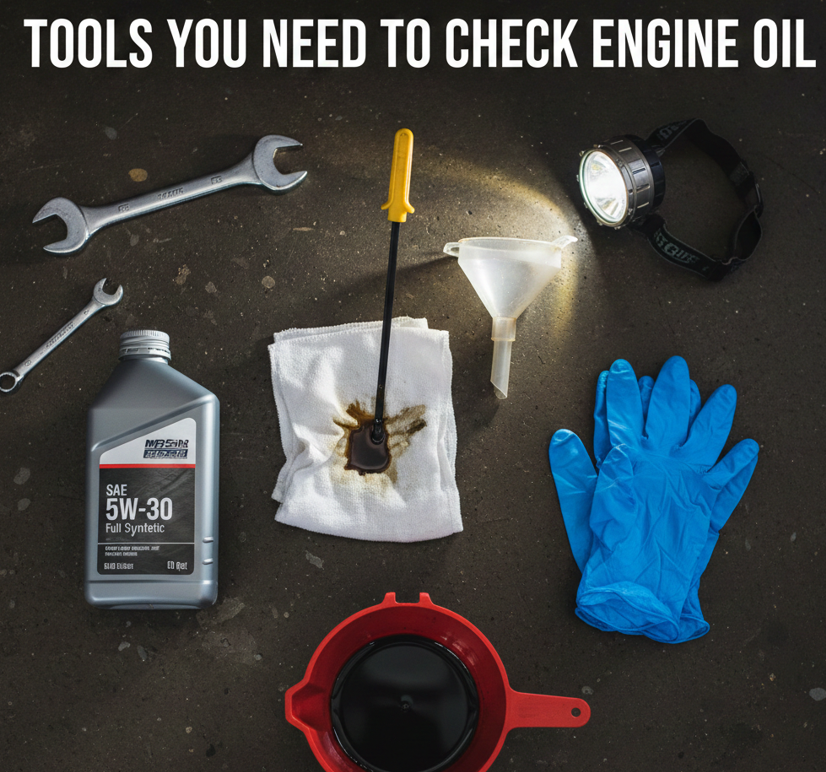
Before you start, ensure you have:
- Engine Oil Dipstick
- Every car comes with a dipstick, usually with a brightly colored handle.
- Used to measure the oil level and check its condition.
- Clean Rag or Paper Towel
- Necessary to wipe the dipstick clean before taking an accurate reading.
- Helps to inspect the oil for color, texture, and contaminants.
- Gloves (Optional but Recommended)
- Protects your hands from getting dirty or oily.
- Useful if the engine is slightly hot or if you want to avoid skin irritation.
- Flashlight (Optional)
- Helps to see the dipstick and engine components clearly, especially in dimly lit areas.
- Funnel (Optional)
- Used if you need to add oil after checking the level.
- Prevents spills and ensures oil goes directly into the engine.
- Owner’s Manual
- Shows the correct type of oil for your engine.
- Provides instructions on checking oil level accurately.
Also Read: How to Change a Tire: The Complete Step-by-Step Guide
How to Check Engine Oil Level in Car (Step-by-Step)
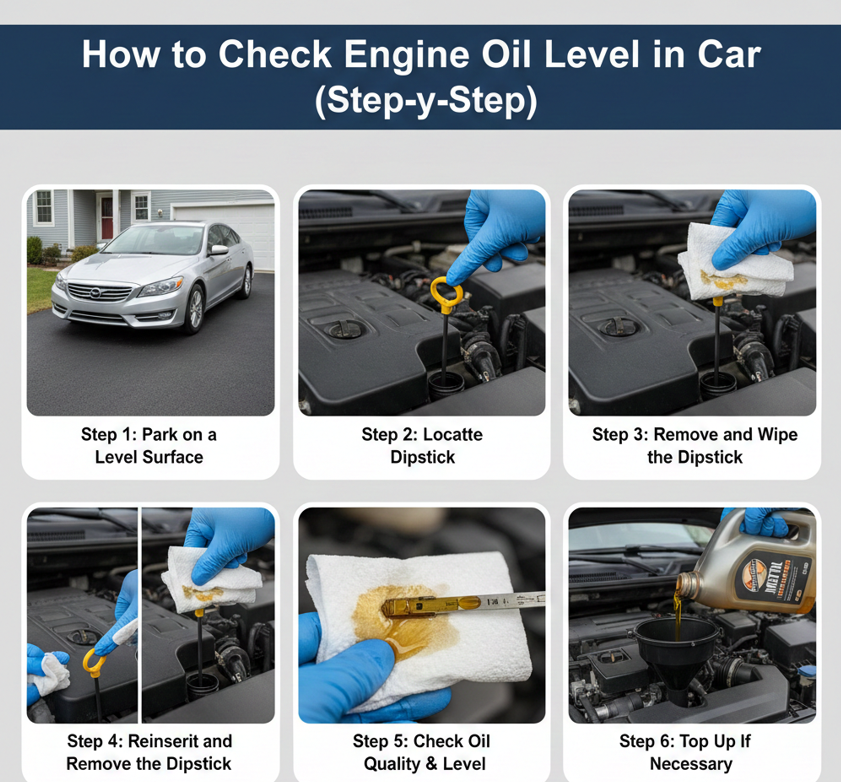
Knowing how to check engine oil level in car ensures your engine receives the proper lubrication. Follow these steps:
Step 1: Park on a Level Surface
Always park your car on a flat, stable surface. This ensures accurate oil level readings. Turn off the engine and let it cool for 5–10 minutes if it was running. This allows the oil to settle.
Step 2: Locate the Dipstick
Open your car’s hood and find the engine oil dipstick, usually marked with a bright handle (yellow, orange, or red). If your car doesn’t have a dipstick, refer to the owner’s manual for sensor-based checks.
Step 3: Remove and Wipe the Dipstick
Pull the dipstick out and wipe it clean with a rag or paper towel. This step removes old oil and allows for an accurate reading.
Step 4: Reinsert and Remove the Dipstick
Fully insert the dipstick back into its tube, then remove it again. Observe the oil level, which should be between the minimum and maximum marks. If the oil is below the minimum, it needs topping up.
Step 5: Check Oil Quality
Look at the oil’s color and consistency. Healthy engine oil is usually amber or light brown. Dark, gritty, or milky oil may indicate contamination or engine problems. This is an important step in checking engine oil quality.
Step 6: Top Up If Necessary
If the oil level is low, use a funnel to add the correct type of oil gradually. Recheck the level after a few minutes to avoid overfilling.
Tip: Always check oil hot or cold depending on your car’s manual. Some cars require the engine to be warm for accurate readings.
Also Read:How to Get Blood Out of Carpet: Expert Methods for Quick & Effective Stain Removal
How to Check Engine Oil Without Dipstick
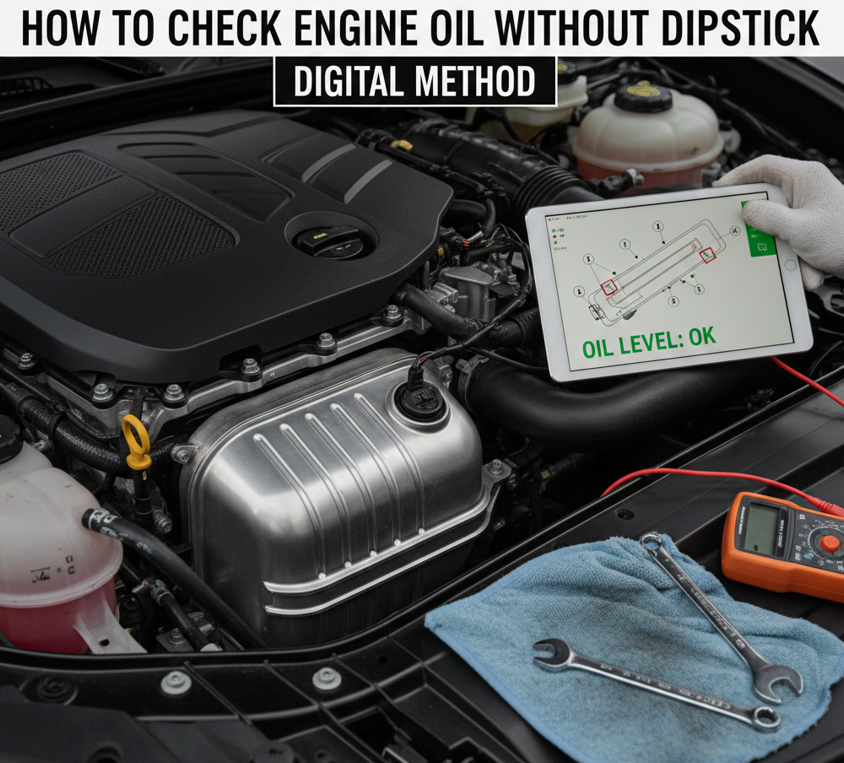
Modern vehicles may have an electronic oil monitoring system. To check engine oil level without dipstick:
1. Understand why some cars don’t have a dipstick
- Many modern vehicles, especially newer models, use an electronic oil level sensor instead of a traditional dipstick.
- The engine’s computer monitors oil level and sends readings to the dashboard.
2. Start the car correctly
- Ensure the car is parked on level ground to get an accurate reading.
- Some vehicles require the engine to be warm before checking oil digitally, while others require it to be off and cold.
- Refer to the vehicle’s owner manual for specific instructions.
3. Access the digital oil check through the dashboard
- Most cars allow you to check oil via the infotainment system, instrument cluster, or multi-function display.
- Navigate to the menu:
- Settings → Vehicle → Oil Level (may vary by brand).
- Some vehicles display oil level as a gauge or percentage.
4. Follow the on-screen instructions
- Many digital systems will ask you to:
- Turn off the engine for a few minutes.
- Press and hold a button to start the oil measurement.
- Wait for the system to calculate the accurate oil level.
5. Interpret the digital reading
- Normal range: Usually a green indicator or “OK” message.
- Low oil: Warning light or message appears (may also show the exact amount needed).
- High oil: Some sensors detect overfilling, which should be corrected.
6. Refill or adjust oil if necessary
- Use the recommended oil type and quantity specified in your owner’s manual.
- Digital systems often reset automatically after oil adjustment.
7. Advantages of digital method
- More precise than traditional dipstick.
- Alerts you to oil quality and service intervals.
- Reduces human error in measurement.
8. Limitations
- Some systems can fail or give inaccurate readings if the sensor is dirty or malfunctioning.
- Always check manual guidance before relying solely on digital readings.
Also Read: How to Avoid Dry Socket After Wisdom Teeth Removal
How to Check Engine Oil Pressure
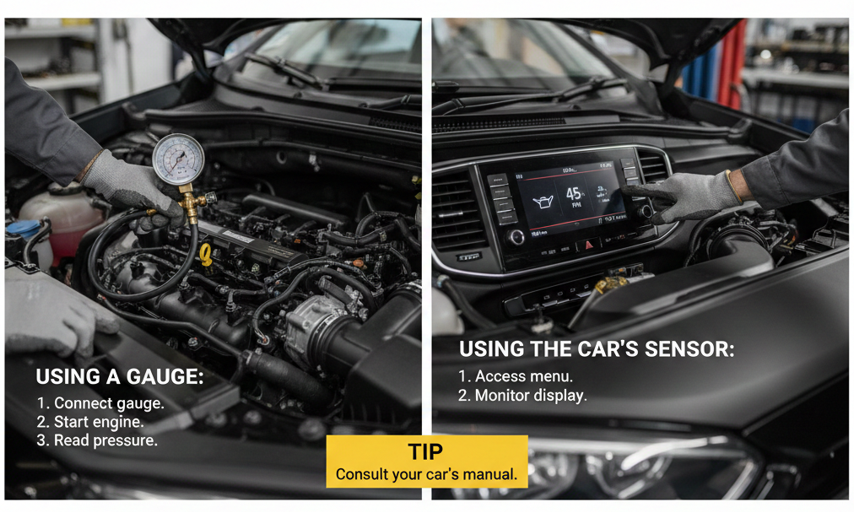
Oil pressure ensures the engine is being lubricated correctly. Low pressure can indicate leaks, worn bearings, or clogged filters.
Using a Gauge:
- Locate the Oil Pressure Port: Most engines have a designated port where a mechanical or digital oil pressure gauge can be attached.
- Attach the Gauge: Remove the oil pressure sending unit (sensor) and connect the gauge in its place.
- Start the Engine: Run the engine at idle and then at higher RPMs.
- Read the Pressure: Check the gauge reading. Typical engine oil pressure at idle is usually 20–30 psi, and around 40–70 psi at higher RPMs (varies by engine).
- Compare with Manufacturer Specs: Refer to your vehicle manual to confirm if the readings are normal.
- Safety Tip: Avoid touching hot engine parts while checking pressure
Using the Car’s Sensor:
- Check Dashboard Warning Light: Most modern cars have an oil pressure warning light or message.
- Use an OBD-II Scanner (Optional): Connect a scanner to read live oil pressure data if your car supports it.
- Interpret the Reading: Low pressure may indicate worn engine bearings, low oil level, or a failing oil pump.
- Regular Monitoring: Keep an eye on fluctuating pressure readings as they may warn of potential engine problems.
Tip: Frequent pressure drops are a warning sign. Visit a certified mechanic for a thorough inspection.
Also Read: How to Smoke a Cigar: A Complete Guide for Beginners
How to Check Engine Oil Condition
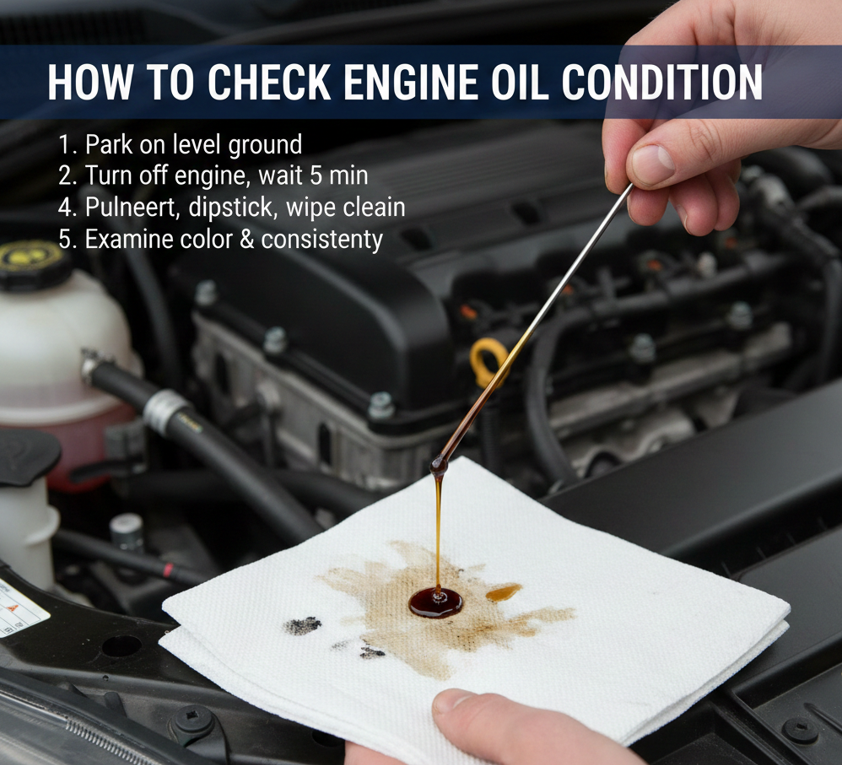
Checking oil condition helps determine if it’s time for an oil change. Signs your oil needs changing:
- Park and Prepare
- Park on level ground, turn off the engine, and let it cool for a few minutes.
- 2. Locate and Clean Dipstick
- Find the engine oil dipstick, pull it out, and wipe it clean with a cloth.
- 3. Check Oil Level
- Reinsert the dipstick, remove it again, and ensure oil is between “Min” and “Max” marks.
- 4. Inspect Oil Condition
- Healthy oil: amber and clear.
- Dirty, dark, milky, or gritty oil indicates it’s time for a change or inspection.
- 5. Take Action
- Top up if low or replace if oil is degraded, and note maintenance for future reference
Some car owners also use a dipstick color test: a healthy oil is amber, while old oil appears black or very dark brown.
Also Read: How to Clean a Bong: A Complete Guide to Bong Maintenance
Understanding Oil Viscosity and Expiry Date
How to Check Engine Oil Viscosity
Viscosity refers to how thick or thin the oil is. Engine oil viscosity is indicated on the bottle (e.g., 5W-30). To check:
- Observe oil behavior on the dipstick.
- Thin, watery oil may indicate incorrect viscosity or contamination.
- Thick oil may suggest old oil or overheating.
How to Check Engine Oil Expiry Date
- Most engine oils have a shelf life of 2–5 years.
- Check the manufacturing date or expiration date on the container.
- Always use fresh oil to maintain engine performance.
How to Check Engine Oil Temperature
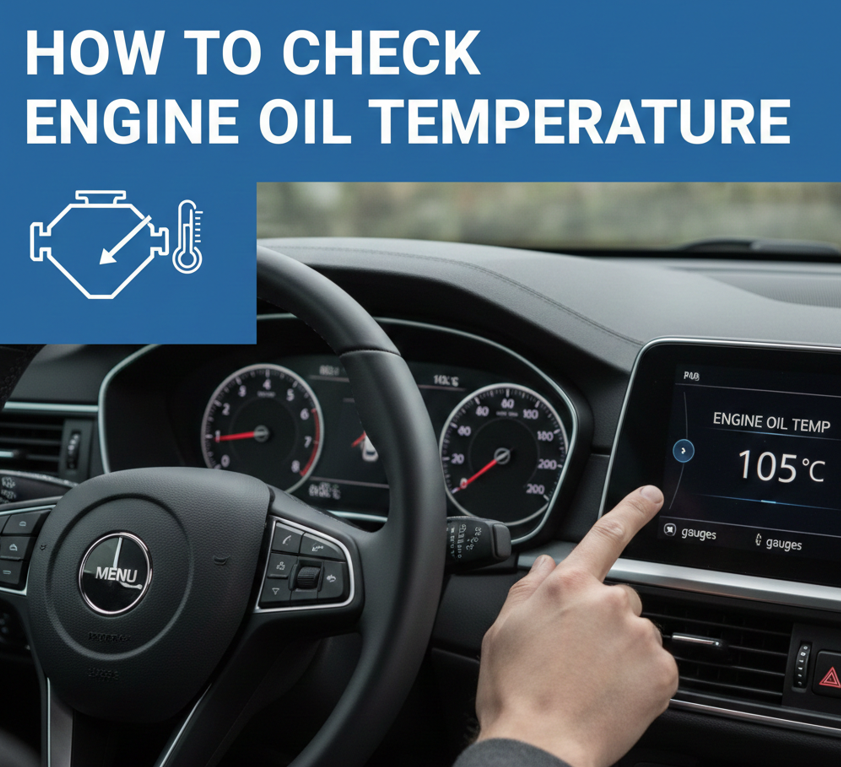
Oil temperature affects engine performance and efficiency. To measure:
- Understand Its Importance – Oil temperature affects engine lubrication and performance; too hot or too cold can cause damage.
- Check the Dashboard Gauge – Many modern cars have an oil temperature gauge; normal range is usually 180–220°F (82–104°C).
- Use an OBD-II Scanner – Connect a scanner to read real-time engine oil temperature from the vehicle’s sensors.
- Install an Aftermarket Gauge – For cars without a gauge, a sensor-based gauge gives accurate temperature readings.
- Infrared Thermometer (Optional) – Can measure oil pan or filter temperature, but less accurate and must be used safely.
- Maintain Proper Oil – Use the recommended oil grade, maintain correct levels, and replace oil and filter regularly.
Tips for Accurate Engine Oil Checks
- Check When Engine is Cool
- For the most accurate reading, check the oil when the engine is cool or has been off for at least 5–10 minutes.
- Hot engine oil can give a false low or high reading due to expansion.
- Park on a Level Surface
- Ensure the car is on a flat, level surface.
- An incline can cause oil to pool unevenly in the engine, leading to inaccurate measurement.
- Use the Correct Dipstick
- Always use the dipstick designed for your vehicle’s engine.
- Some vehicles have multiple dipsticks for different fluids; using the wrong one can cause errors.
- Clean the Dipstick Before Measuring
- Wipe the dipstick with a clean cloth or paper towel before reinserting it.
- This removes residual oil and ensures a fresh, precise reading.
- Insert Fully and Remove Slowly
- Push the dipstick all the way in and then pull it out slowly.
- Quick removal can cause oil to cling incorrectly, giving a misleading reading.
- Read Between Min and Max Marks
- Check where the oil level falls between the “MIN” and “MAX” marks.
- Ideally, the oil should be closer to the MAX mark but not overfilled.
- Check Oil Condition
- Look at the oil’s color and texture.
- Clean oil is amber or golden; dark, gritty oil may indicate it’s time for a change.
- Repeat for Accuracy
- For precise measurement, repeat the dipstick check once or twice.
- This ensures consistency and avoids misreading due to oil splashes or uneven coating.
- Follow Manufacturer’s Guidelines
- Always refer to your car manual for specific oil type, checking intervals, and measurement procedures.
- Different engines may have unique requirements
Common Mistakes When Checking Engine Oil
- Checking on an Uneven Surface – Oil readings can be inaccurate if the car isn’t on level ground.
- Checking Immediately After Driving – Hot oil circulates in the engine, giving a falsely high reading.
- Not Using the Dipstick Correctly – Failing to wipe, fully insert, and recheck can cause errors.
- Ignoring Oil Appearance – Only checking the level and not the color or consistency can miss contamination or engine problems.
- Overfilling or Using Wrong Oil – Adding too much or the wrong type of oil can damage the engine
Avoiding these mistakes ensures long engine life and smoother driving.
Conclusion
Regularly checking engine oil is essential for maintaining your car’s health. Whether using a dipstick or a modern sensor system, knowing how to check engine oil levels, pressure, and quality ensures optimal engine performance and longevity. Remember to observe oil color, consistency, and viscosity while following manufacturer guidelines.
Proper oil maintenance can prevent engine damage, enhance fuel efficiency, and save you money on repairs. Make checking engine oil a part of your routine car care, and your vehicle will thank you with years of reliable performance.
FAQs About Checking Engine Oil
Q1: How often should I check engine oil?
Check at least once a month or before long trips.
Q2: Can I drive if my oil is low?
It’s risky. Low oil can cause engine damage quickly. Add oil immediately.
Q3: Can engine oil be too high?
Yes. Overfilling can increase pressure and damage engine seals.
Q4: Does synthetic oil require different checks?
No, the process is the same, but synthetic oil often lasts longer before changing.
Q5: What if my car has no dipstick?
Use the electronic monitoring system and follow the dashboard prompts.
For More Updates Visit: Biomagazine
