

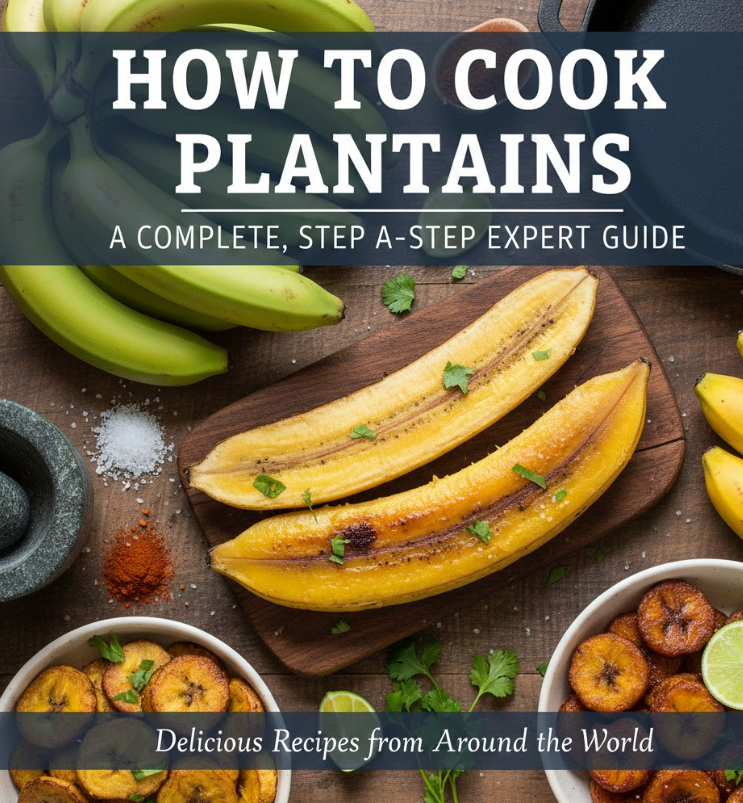
Understanding how to cook plantains opens the door to one of the most versatile and globally loved ingredients in tropical cooking. Plantains look similar to bananas, but their higher starch content and lower sugar levels make them ideal for savory and sweet dishes alike. From Caribbean kitchens to African stews and Latin American street food, plantains are cooked in countless ways—fried, baked, roasted, air-fried, and sautéed.
Many home cooks struggle with plantains because they cook them like bananas or potatoes, which leads to mushy texture or bland flavor. The key to mastering how to cook plantains properly lies in choosing the right ripeness, applying the correct heat method, and pairing them with complementary ingredients. Green plantains are starchy and firm, while ripe plantains are sweet and caramelize beautifully.
This in-depth guide explores multiple cooking techniques, nutritional considerations, and cultural styles so you can confidently prepare plantains at home—crispy, tender, or caramelized—every time.
Understanding Plantain Ripeness Before Cooking
Plantain ripeness determines texture, flavor, and ideal cooking method.
Green plantains are firm, savory, and best for frying or boiling. Yellow plantains are mildly sweet and versatile. Black plantains are very sweet and perfect for baking or caramelizing. Choosing the wrong ripeness can ruin the dish, no matter how good the technique is.
How to Cook Plantains on Stove (Traditional and Versatile Method)
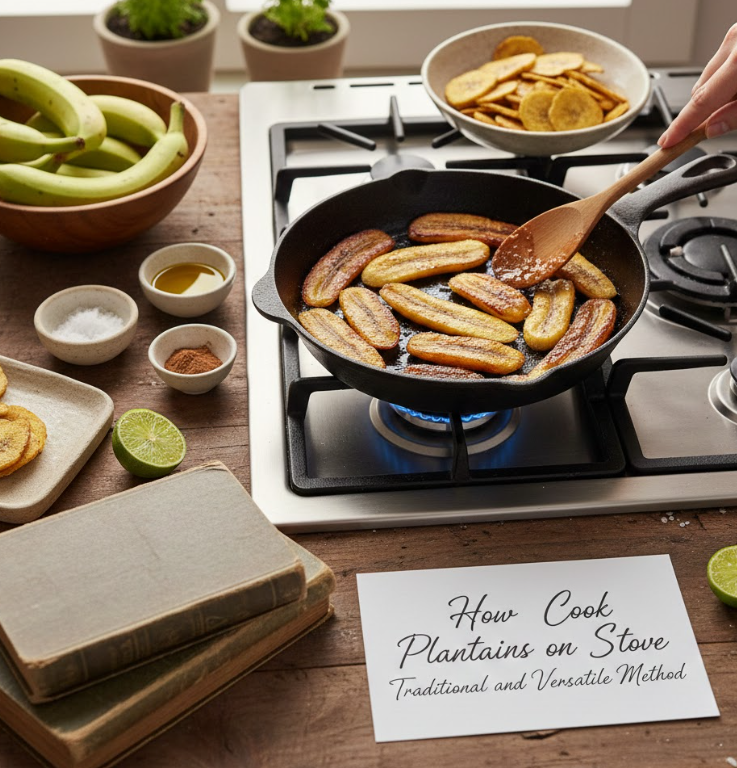
Cooking plantains on the stove is the most traditional and widely used method across cultures. This approach allows for precise control over heat, texture, and browning, making it ideal for beginners and experienced cooks alike.
Why Stovetop Cooking Works Best
Stovetop cooking allows plantains to develop crisp edges while staying tender inside. It also enables seasoning adjustments throughout the cooking process.
Step-by-Step Guide and Key Techniques
• Choosing the right ripeness for stovetop cooking
Green plantains are ideal for savory frying, while ripe plantains caramelize better. Selecting the correct stage ensures proper texture and flavor development during cooking.
• Proper peeling and slicing techniques
Plantains require scoring the peel before removal. Slicing thickness determines crispness—thin slices fry faster, thick slices stay soft inside.
• Oil selection and heat control
Neutral oils like avocado or vegetable oil prevent overpowering flavor. Medium heat prevents burning while allowing even cooking.
• Seasoning during and after cooking
Salt, garlic, paprika, or cinnamon should be added strategically to enhance flavor without masking the natural taste.
• Flipping and cooking evenly
Turning plantains carefully ensures even browning on both sides without breaking them apart.
• Draining and serving correctly
Removing excess oil improves texture and makes the dish lighter and more digestible.
Stovetop plantains are commonly served as side dishes, breakfast items, or street food snacks.
Also Read:- How to Clean a Pizza Stone Properly: The Complete Expert Guide
How to Cook Plantains in Air Fryer (Modern and Low-Oil Method)

Air frying has become a popular method for cooking plantains due to its reduced oil usage and consistent results.
Why Air Fryers Are Ideal for Plantains
Air fryers circulate hot air evenly, allowing plantains to crisp without deep frying. This method is especially appealing for health-conscious cooks.
Air Fryer Cooking Process Explained
• Preparing plantains for air frying
Light oil coating helps achieve crisp texture while preventing dryness. Uniform slicing ensures even cooking.
• Temperature and timing control
Most plantains cook best between 375°F–400°F, allowing caramelization without burning.
• Avoiding overcrowding
Spacing slices allows air circulation, producing evenly cooked plantains.
• Midway flipping or shaking
Turning plantains halfway ensures balanced browning on all sides.
• Seasoning options for air-fried plantains
Sweet or savory seasonings can be added before or after cooking.
• Texture comparison to deep frying
Air-fried plantains are lighter, less greasy, and easier to digest.
This method is ideal for quick meals and healthy snacking.
Also Read:- How to Wash Pillows: The Complete Expert Guide for Clean, Fresh, and Fluffy Pillows
How to Cook Plantains Healthy (Nutrition-Focused Techniques)
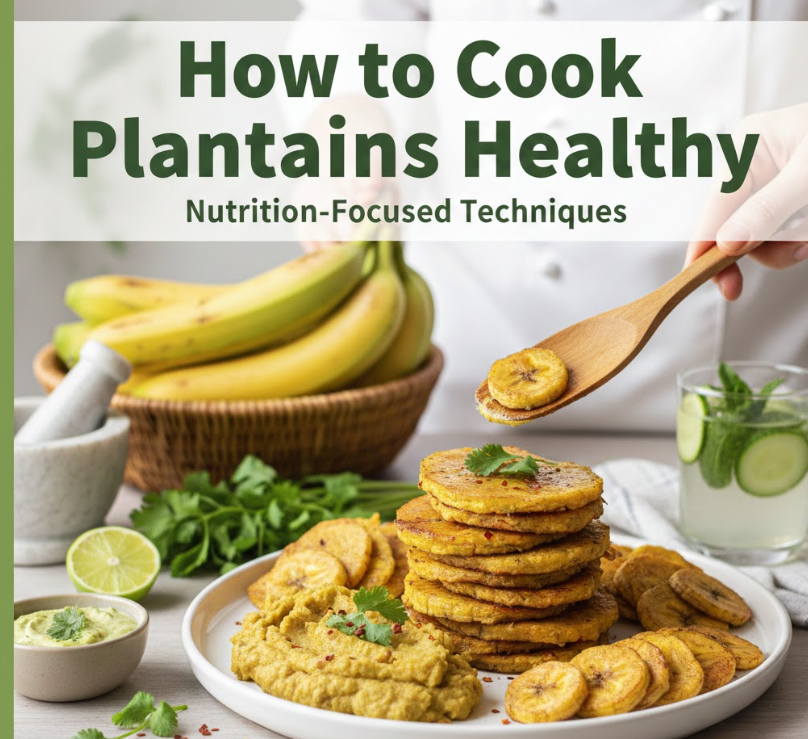
Cooking plantains in a healthy way focuses on minimizing added fats while preserving nutrients.
Nutritional Value of Plantains
Plantains are rich in fiber, potassium, vitamin C, and complex carbohydrates. Cooking method greatly affects calorie content.
Healthy Cooking Strategies
• Choosing baking, boiling, or air frying
These methods reduce oil while retaining nutrients.
• Portion control and serving size
Balanced servings prevent excessive calorie intake.
• Pairing plantains with protein and vegetables
This improves blood sugar balance and satiety.
• Using healthy fats sparingly
Olive oil or avocado oil supports heart health.
• Avoiding added sugars
Ripe plantains are naturally sweet and need no sugar.
• Understanding glycemic impact
Green plantains have lower glycemic index than ripe ones.
Healthy plantain dishes fit well into balanced diets.
Also Read:- How to Remove Sticker Residue: The Complete Safe & Effective Guide
How to Cook Plantains Jamaican Style (Cultural and Flavor-Rich Method)
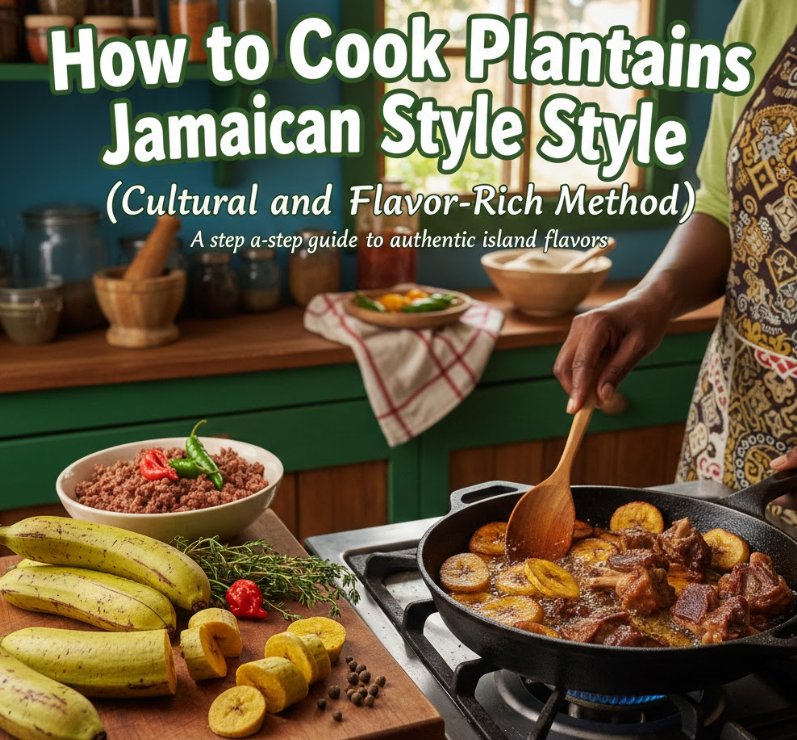
Jamaican plantains reflect Caribbean culinary traditions—bold flavors, simple ingredients, and careful frying.
Jamaican Approach to Plantains
Plantains are often served as a breakfast or side dish alongside ackee, saltfish, or jerk meats.
Traditional Jamaican Cooking Method
• Using very ripe plantains
Black-spotted plantains provide deep sweetness.
• Slicing diagonally for caramelization
This increases surface area for browning.
• Shallow frying in neutral oil
This enhances flavor without greasiness.
• Minimal seasoning
Salt alone allows natural sweetness to shine.
• Controlled heat for caramel color
Medium heat prevents bitterness.
• Serving fresh and hot
Freshly fried plantains have superior texture.
This method emphasizes simplicity and natural flavor.
Also Read:- How to Drag Click: The Complete Step-by-Step Guide for Any Mouse
How to Cook Plantains in the Oven (Hands-Off and Even Cooking)
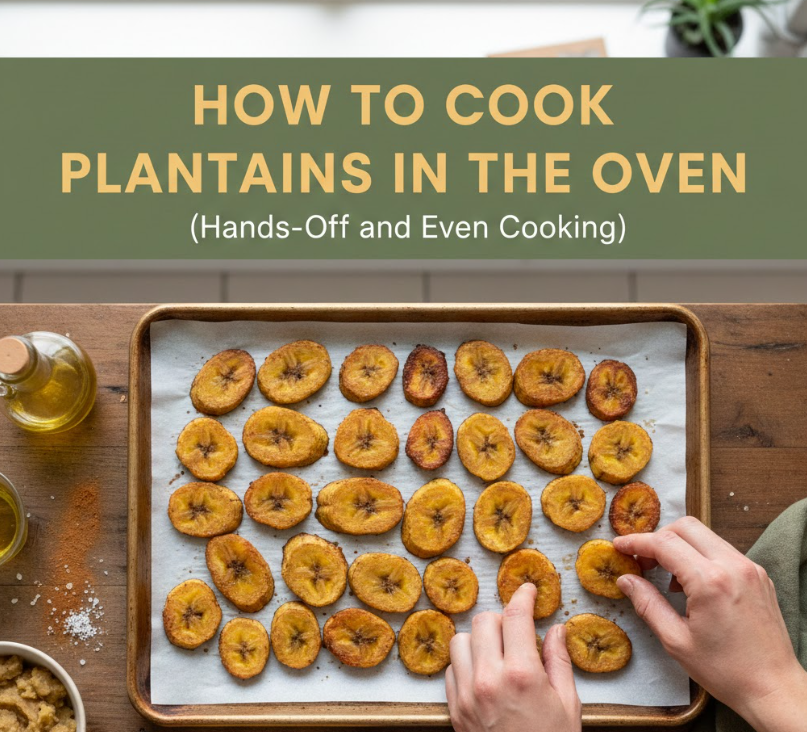
Oven-baked plantains are perfect for meal prep and family servings.
Benefits of Oven Cooking
Baking allows even cooking, minimal oil use, and large batch preparation.
Oven Cooking Process
• Preheating the oven properly
High heat promotes caramelization.
• Lining trays for easy cleanup
Parchment paper prevents sticking.
• Light oil brushing
Prevents dryness while keeping calories low.
• Single-layer arrangement
Ensures even heat exposure.
• Midway flipping for consistency
Improves browning on both sides.
• Resting after baking
Allows sugars to settle and flavors to deepen.
Oven plantains are excellent for healthy meals and gatherings.
Also Read:- How to Hem Jeans: A Complete Step-by-Step Guide for a Professional Finish
Common Mistakes to Avoid When Cooking Plantains
Many plantain failures come from simple misunderstandings.
• Cooking at too high heat
• Using unripe plantains for sweet recipes
• Overcrowding cooking surfaces
• Over-seasoning
• Skipping oil entirely when frying
• Not allowing plantains to rest
Avoiding these mistakes ensures consistent results.
Conclusion: Mastering How to Cook Plantains at Home
Learning how to cook plantains is about understanding ripeness, choosing the right cooking method, and respecting cultural traditions. Whether you fry them on the stove, air-fry for health, bake them in the oven, or prepare them Jamaican style, plantains offer unmatched versatility and flavor.
By applying proper techniques and avoiding common mistakes, you can transform this humble ingredient into dishes that are comforting, nutritious, and globally inspired. Plantains are not just food—they’re a foundation of culinary heritage.
FAQs: How to Cook Plantains
Are plantains healthier than bananas?
They contain more fiber and complex carbohydrates.
Can you eat plantains raw?
No, plantains should always be cooked.
Are green or ripe plantains better?
Both are good—depending on the recipe.
For More Updates Visit: Biomagazine
