

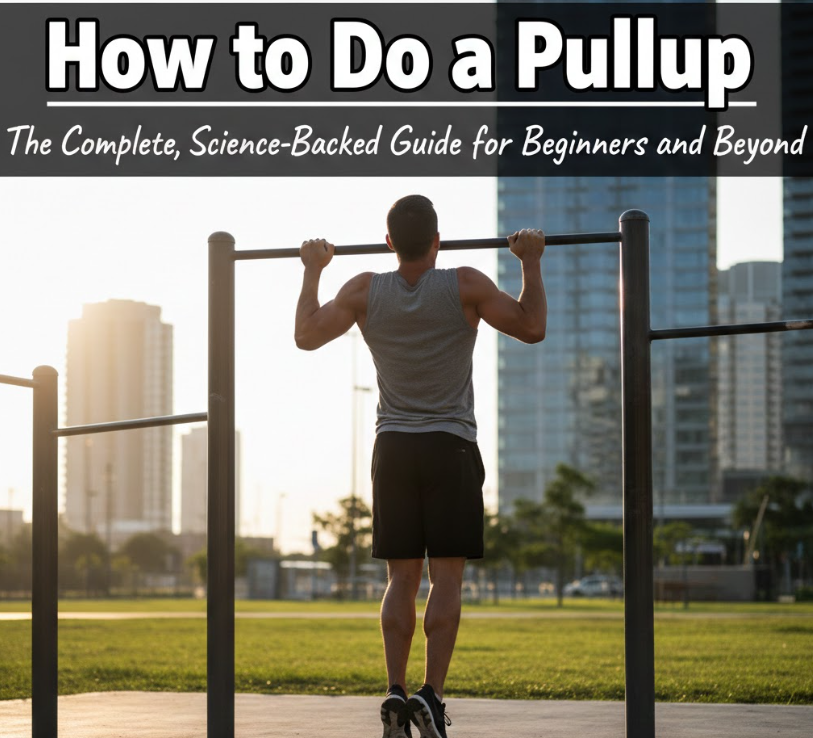
Learning how to do a pullup is a rite of passage in strength training. It’s a simple movement on paper—hang from a bar and pull yourself up—but it’s also one of the most honest tests of upper-body and core strength. If you’ve ever struggled to get your chin over the bar or wondered how others make it look effortless, you’re not alone. This guide breaks down the pullup from every angle: biomechanics, progression, common mistakes, and realistic timelines—so you can build confidence and results safely.
Drawing on evidence-based training principles, coaching experience, and practical cues used by athletes and physical therapists, this article shows how to do a pullup step by step, how to learn it as a beginner, how to clean up your form, how to progress in 30 days, and how to train even without a bar. Along the way, you’ll find actionable drills, programming tips, and recovery advice to keep you progressing.
Why Pullups Matter (Benefits, Muscles, and Carryover)
Pullups are a compound, closed-chain movement that trains multiple muscle groups simultaneously. They primarily target the latissimus dorsi (lats), but also recruit the biceps, brachialis, rear delts, rhomboids, lower traps, forearms, and deep core stabilizers. Because your body moves through space rather than a weight moving toward you, pullups build functional strength that carries over to sports, posture, and daily life.
Research consistently shows that compound pulling movements improve scapular stability and shoulder health when performed with proper technique. Pullups also develop grip strength and relative strength—your ability to move your own bodyweight—which is strongly associated with athletic performance and injury resilience.
Biomechanics in Plain English
A strict pullup is a coordinated sequence of scapular depression and retraction followed by elbow flexion. You initiate the movement by setting your shoulders (pulling them down and back), then drive your elbows toward your ribs while maintaining a neutral spine and braced core. The chin clears the bar as a result of efficient pulling—not neck craning or momentum.
Understanding this sequence matters because most beginners fail not from weak arms, but from poor scapular control and core tension. Fix those pieces, and progress accelerates.
How to Do a Pullup for Beginners
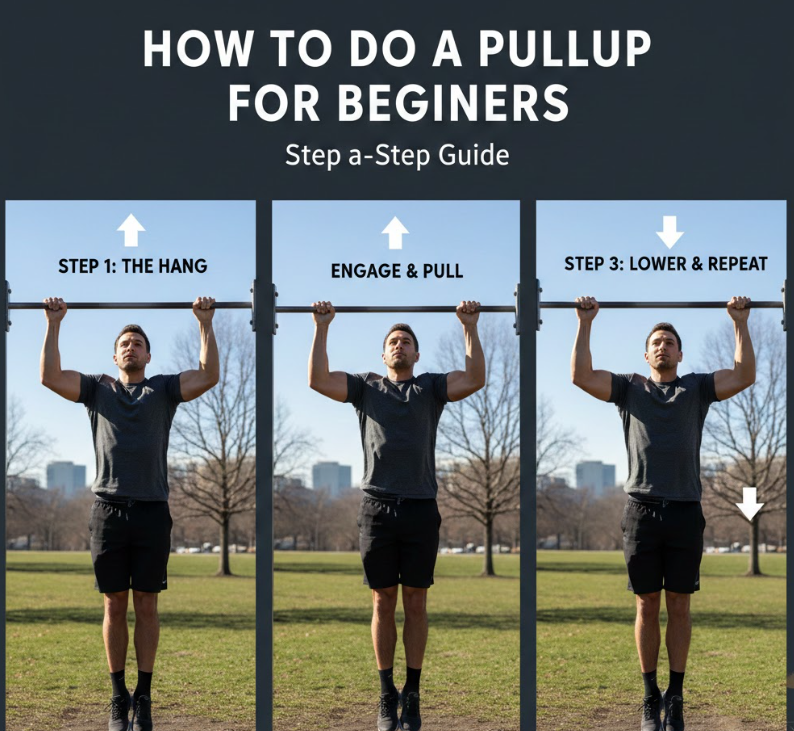
Learning how to do a pullup for beginners means building foundational strength, coordination, and confidence before attempting full repetitions. Beginners benefit most from regressions that teach proper muscle activation. The goal is consistency and quality, not rushing to the first rep.
For beginners, the pullup should be treated as a skill you practice, not a test you fail. The biggest mistake is jumping straight to max attempts and reinforcing poor movement patterns. Instead, you’ll build strength progressively with assisted variations and isometric holds that teach your nervous system how to coordinate the pull.
Progress for beginners is rarely linear. Some days you’ll feel strong; other days, not so much. That’s normal. What matters is a consistent weekly structure that exposes you to pulling patterns two to three times per week. Recovery—sleep, nutrition, and rest days—plays a major role in how fast you adapt.
Below are six beginner-friendly focus points that create a reliable path to your first pullup.
• Active Hang Mastery
An active hang teaches shoulder control by engaging the lats and lower traps while hanging. Instead of passively dangling, you gently pull your shoulders down and away from your ears. This builds the foundation for every successful pullup and protects the shoulder joint from excessive strain.
• Assisted Pullups (Bands or Machine)
Assistance allows you to practice full range of motion with proper mechanics. Choose a level of assistance that lets you complete controlled reps without swinging. Over time, reduce assistance gradually to ensure progressive overload without form breakdown.
• Negative (Eccentric) Pullups
Negatives build strength efficiently by emphasizing the lowering phase. Start at the top position and lower yourself slowly for 5–10 seconds. This trains the exact muscles needed for a strict pullup and accelerates strength gains for beginners.
• Scapular Pulls
Scapular pulls isolate the first phase of the movement—shoulder depression and retraction. Hanging from the bar, pull your shoulders down without bending your elbows. This drill rewires proper initiation mechanics and improves lat activation.
• Grip Strength Development
Grip is often the limiting factor for beginners. Farmer’s carries, dead hangs, and towel hangs strengthen the forearms and hands, allowing you to focus on pulling mechanics rather than slipping off the bar.
• Consistency Over Intensity
Short, frequent sessions outperform sporadic all-out efforts. Practicing 10–15 quality minutes several times per week builds neural efficiency and muscle memory without overwhelming recovery capacity.
Also Read:- How to Cook Rice: The Complete Expert Guide for Perfect Results Every Time
How to Do a Pullup Correctly
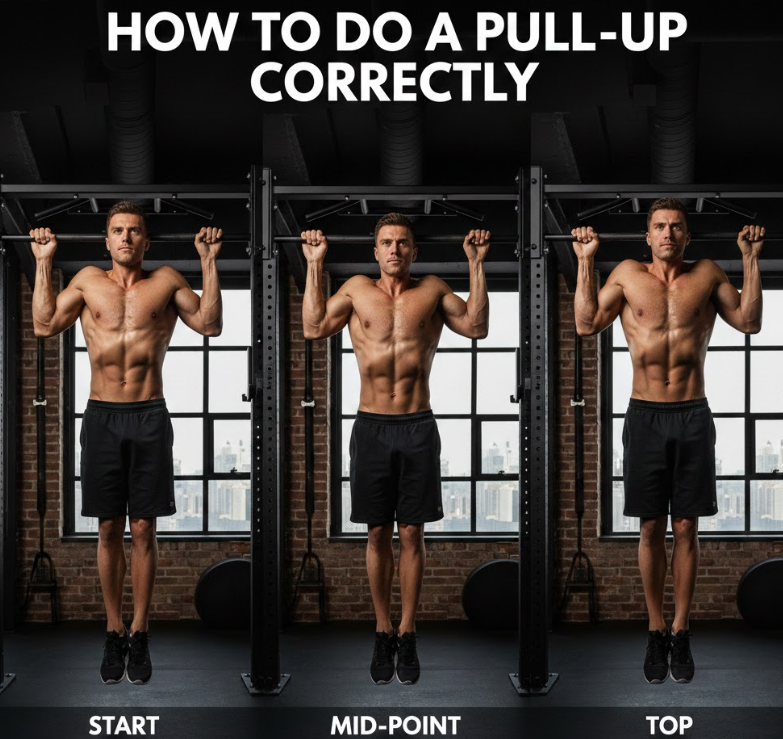
Understanding how to do a pullup correctly means executing each phase with proper alignment, muscle engagement, and control. Correct form maximizes strength gains while minimizing injury risk. It prioritizes quality over quantity.
Correct pullup technique starts before you even move. Your grip, shoulder position, and core tension determine whether the rep is efficient or energy-leaking. A correct pullup looks smooth and controlled, with no excessive swinging, kicking, or neck jutting.
Many athletes fail to reach their potential because they rush reps or sacrifice range of motion. A correct pullup always starts from a dead hang and ends with the chin clearly above the bar. Anything less limits strength development and increases compensation patterns.
Below are six technical points that define a correct pullup.
• Grip and Hand Placement
A full grip with the thumb wrapped around the bar improves stability and strength output. Neutral wrists reduce strain and allow better force transfer through the forearms into the lats.
• Scapular Initiation
The shoulders move first, not the arms. Pulling the shoulder blades down and together activates the lats and sets a stable pulling platform, preventing excessive biceps dominance.
• Elbow Path Control
Driving elbows toward the ribs rather than flaring outward increases lat engagement. This path is biomechanically efficient and reduces stress on the shoulder joint.
• Core and Lower Body Tension
A braced core prevents swinging and energy leaks. Light glute engagement and pointed toes help maintain a straight body line, making the pull more powerful and controlled.
• Full Range of Motion
Starting from a dead hang and finishing with the chin above the bar ensures maximal muscle recruitment. Partial reps limit strength carryover and stall progress.
• Controlled Tempo
A smooth, controlled ascent and descent improves time under tension. Avoid jerking or kipping unless training specifically for advanced variations like CrossFit kipping pullups.
Also Read:- How to Bake a Cake: A Complete Expert Guide for Beginners and Home Bakers
How to Learn How to Do a Pullup
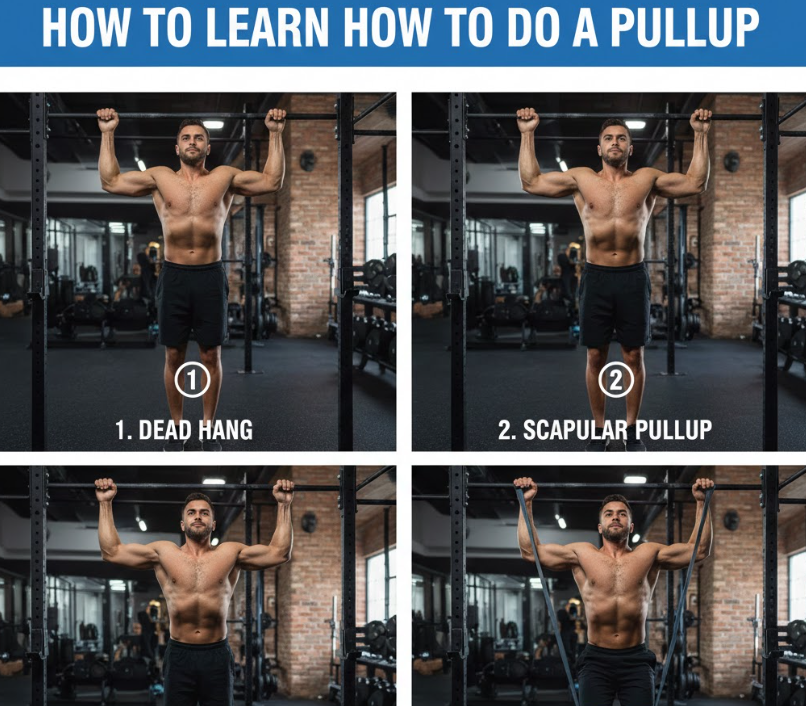
Learning how to learn how to do a pullup is about structured progression and patience. It combines strength training, motor learning, and recovery strategies. Mastery comes from intentional practice.
Skill acquisition matters as much as strength when learning pullups. The nervous system must learn how to coordinate multiple muscle groups in a precise sequence. This is why random exercises without a plan often fail.
Psychology also plays a role. Many learners develop a mental block after repeated failures. Reframing training as practice rather than testing removes pressure and improves consistency.
Here are six learning-focused strategies that accelerate progress.
• Skill-First Programming
Treat pullups as a skill practiced when fresh. Performing them early in a workout ensures better motor learning and reduces compensations caused by fatigue.
• Accessory Strength Work
Exercises like lat pulldowns, inverted rows, and straight-arm pulldowns build the specific strength needed for pullups while reinforcing similar movement patterns.
• Feedback Loops
Using mirrors, video, or coaching cues helps identify errors in elbow path, scapular control, or body tension. Immediate feedback shortens the learning curve.
• Progressive Overload Planning
Gradually increasing reps, reducing assistance, or slowing tempo ensures continuous adaptation. Random workouts without progression stall learning.
• Recovery and Adaptation
Muscle and neural adaptations occur during rest. Adequate sleep and nutrition are non-negotiable for consistent improvement.
• Mindset and Patience
Progress may take weeks or months depending on bodyweight and training history. Staying patient and process-focused prevents burnout and frustration.
Also Read:- How to Pack a Suitcase: The Ultimate Step-by-Step Expert Guide
How to Do a Pullup in 30 Days
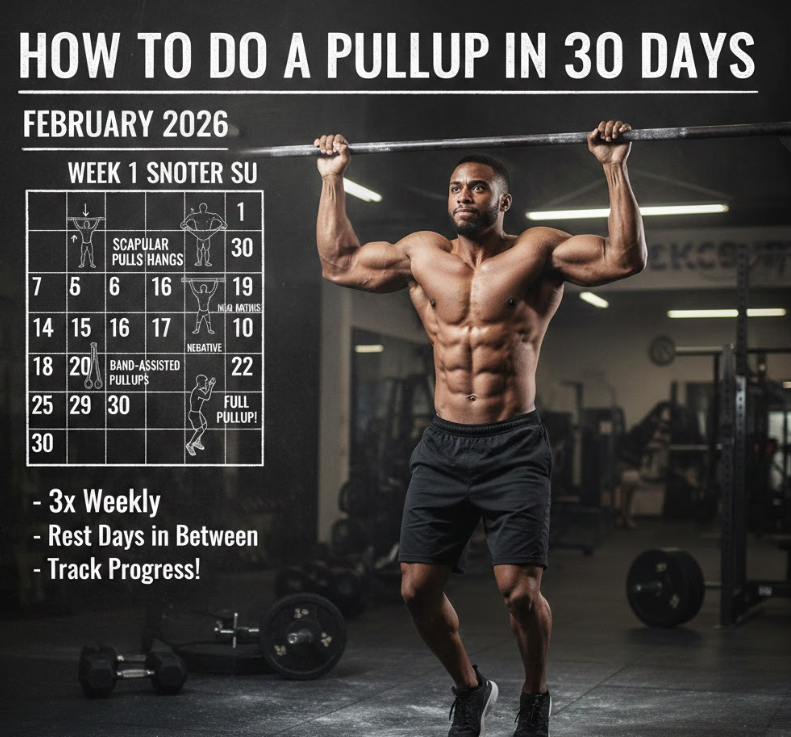
Learning how to do a pullup in 30 days focuses on accelerated but realistic progress. It requires consistent practice, recovery discipline, and smart regressions. Results vary, but measurable gains are common.
A 30-day pullup plan won’t guarantee everyone a full strict rep, but it can dramatically improve strength and technique. The key is frequency over volume—exposing your body to pulling patterns often without excessive fatigue.
Below are six principles that make a 30-day pullup challenge effective.
• High-Frequency Practice
Training pullups 4–6 days per week builds neural efficiency. Sessions stay short, focusing on quality rather than exhaustion.
• Accessory Balance
Supporting muscles—core, rear delts, and grip—are trained to remove weak links that limit pullup performance.
• Recovery Integration
Deload days prevent overuse injuries and ensure continued progress throughout the 30-day window.
Also Read:- How to Pack a Suitcase: The Ultimate Step-by-Step Expert Guide
How to Do a Pullup Without a Bar
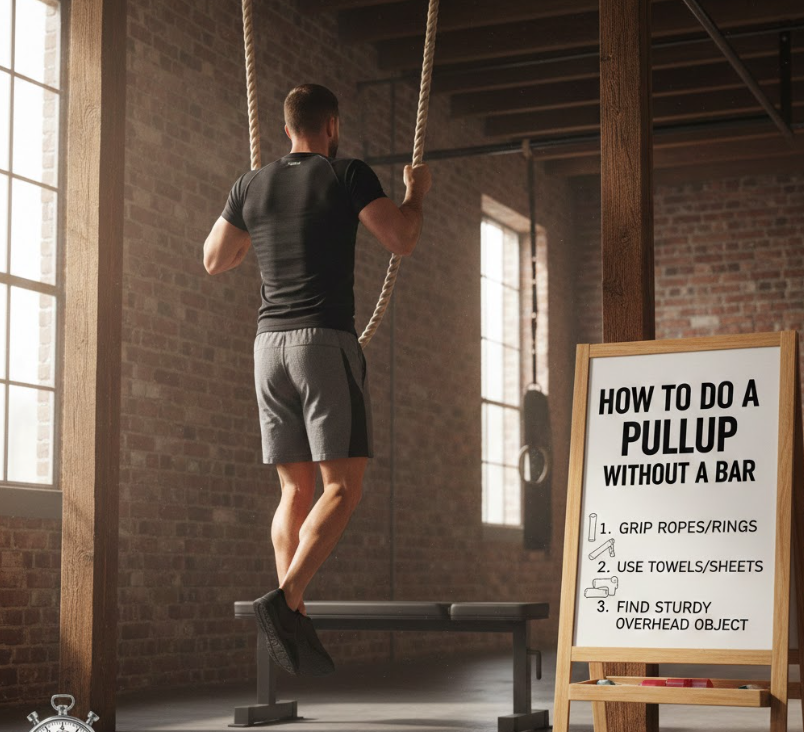
Learning how to do a pullup without a bar involves creative alternatives that replicate pulling mechanics. These methods build transferable strength. They are ideal for home or travel training.
The goal is to replicate vertical or angled pulling while maintaining proper scapular mechanics. Consistency matters more than equipment. With intention and creativity, you can build pullup strength anywhere.
Here are six effective no-bar strategies.
• Inverted Rows Under a Table
Bodyweight rows mimic pullups with adjustable difficulty. Elevating the feet increases resistance and lat engagement.
• Resistance Band Pulldowns
Bands simulate vertical pulling and allow variable resistance. Slow tempo increases effectiveness.
• Towel Rows in a Doorway
A sturdy door and towel can create a safe pulling setup. Maintaining body tension ensures proper muscle activation.
Also Read:- How to Make a Degree Symbol: A Complete Guide for All Devices and Platforms
Conclusion
Mastering how to do a pullup is a journey that blends strength, skill, and patience. Whether you’re starting as a beginner, refining your form, aiming for a 30-day milestone, or training without a bar, the principles remain the same: quality movement, progressive overload, and consistent practice. By following the structured guidance in this article, you’ll not only achieve your first pullup but build a foundation for long-term strength and shoulder health.
FAQs
Q: How long does it take to learn how to do a pullup?
A: Most beginners see measurable progress within 4–8 weeks with consistent training.
Q: Are chin-ups easier than pullups?
A: Yes, chin-ups typically engage the biceps more and are easier for most beginners.
Q: Can overweight individuals learn pullups?
A: Absolutely. Progress may take longer, but relative strength improves with smart training and consistency
For More Updates Visit: Biomagazine
