

Understanding how to increase ferritin levels is essential for anyone experiencing fatigue, hair loss, dizziness, weakness, or poor exercise tolerance. Ferritin is a protein that stores iron in your body, and low ferritin levels often signal depleted iron reserves—even when hemoglobin levels appear normal. This is why many people feel unwell despite being told they are “not anemic.”
Ferritin plays a critical role in oxygen transport, cellular energy production, immune health, cognitive performance, and hair follicle growth. According to clinical studies, low ferritin is one of the most common nutritional deficiencies worldwide, particularly among women, vegetarians, endurance athletes, and individuals with digestive disorders.
This in-depth guide explains how to increase ferritin levels naturally, with supplements, for hair growth, and more quickly when medically necessary. You will learn practical strategies, dietary science, absorption optimization, timelines, and safety considerations—all grounded in trusted medical research.
What Are Ferritin Levels and Why They Matter
Ferritin reflects how much iron your body has stored for future use. Unlike serum iron, which fluctuates daily, ferritin provides a long-term view of iron status.
Normal ferritin ranges vary by lab, but many experts agree that optimal health—especially for hair growth and energy—often requires higher ferritin than the minimum reference range.
Low ferritin may occur even without anemia and can significantly impact quality of life.
Common Causes of Low Ferritin Levels
Low ferritin is rarely caused by one factor alone. Understanding the root cause improves treatment success.
• Inadequate dietary iron intake
• Poor iron absorption due to gut issues
• Chronic inflammation or infections
• Heavy menstrual bleeding
• Pregnancy and postpartum depletion
• Endurance training and frequent blood donation
Addressing the cause is as important as increasing intake.
Also Read:- How to Cook Plantains: A Complete, Step-by-Step Expert Guide
How to Increase Ferritin Levels Naturally
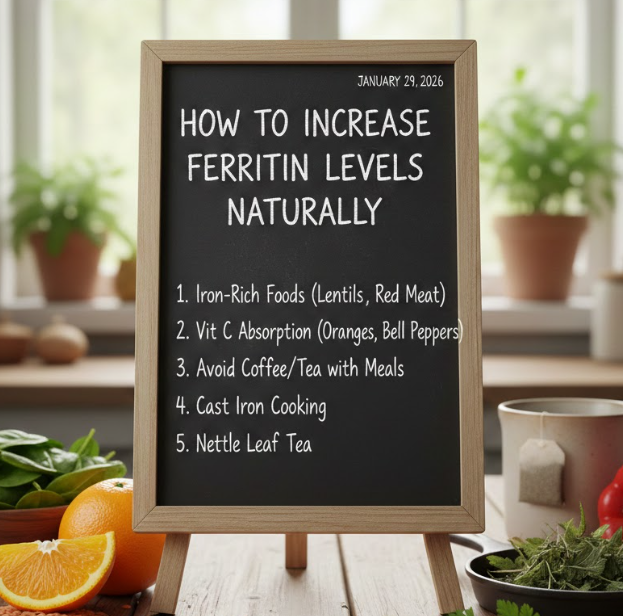
Increasing ferritin levels naturally focuses on food-based iron sources, absorption optimization, and reducing factors that block iron uptake. This approach is sustainable, safer for long-term health, and often recommended as the first step.
Natural strategies work gradually but effectively when followed consistently and correctly.
Food-First Approach to Raising Ferritin
• Consuming iron-rich whole foods daily
Heme iron from animal sources such as red meat, liver, poultry, and fish is absorbed more efficiently than plant iron. Including these foods several times per week significantly improves iron stores over time.
• Optimizing plant-based iron sources
Lentils, beans, spinach, pumpkin seeds, and fortified grains provide non-heme iron. While absorption is lower, pairing them with vitamin C dramatically increases uptake.
• Enhancing iron absorption with vitamin C
Vitamin C converts iron into a more absorbable form. Adding citrus fruits, bell peppers, strawberries, or tomatoes to meals improves ferritin response.
• Reducing iron absorption inhibitors
Coffee, tea, calcium, and phytates can block iron absorption. Separating them from iron-rich meals by at least two hours is critical.
• Supporting gut health for better absorption
Healthy stomach acid and intestinal lining are necessary for iron uptake. Addressing digestive issues improves ferritin naturally.
• Maintaining consistent dietary patterns
Ferritin increases slowly. Regular daily intake matters more than occasional high-iron meals.
Natural approaches often raise ferritin by 10–30 ng/mL over several months when followed properly.
Also Read:- How to Clean a Pizza Stone Properly: The Complete Expert Guide
How to Increase Ferritin Levels with Supplements
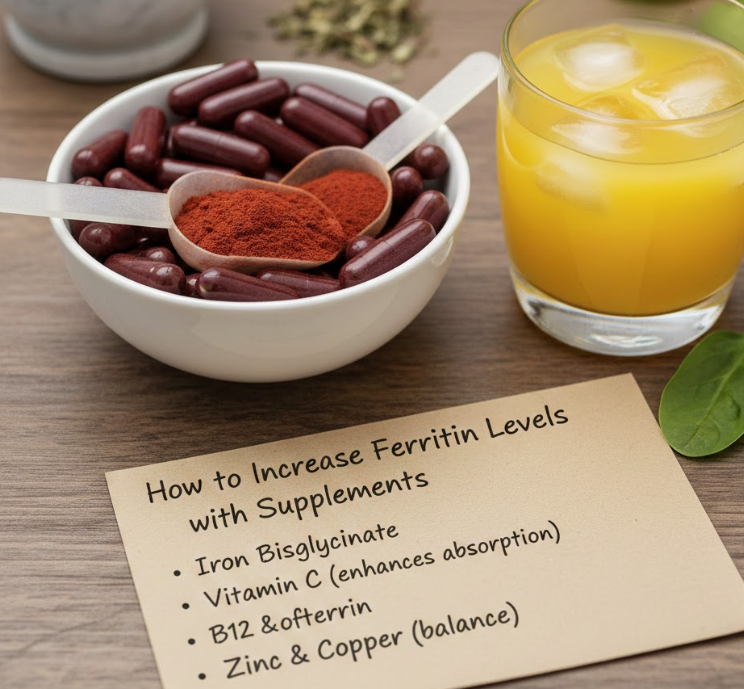
Iron supplementation is often required when dietary changes alone are insufficient. This method should always be guided by lab testing and professional supervision.
Understanding Iron Supplementation
Supplements replenish iron stores more rapidly but require careful dosing to avoid side effects or toxicity.
Evidence-Based Supplement Strategies
• Choosing the right form of iron
Ferrous bisglycinate and ferrous sulfate are commonly prescribed. Chelated forms are gentler on digestion and better tolerated.
• Correct dosing based on deficiency severity
Typical doses range from 18–65 mg elemental iron daily. Severe deficiencies may require higher doses under medical supervision.
• Timing supplements for maximum absorption
Iron is best absorbed on an empty stomach but may be taken with food to reduce stomach upset. Vitamin C improves effectiveness.
• Avoiding interactions that reduce absorption
Calcium, magnesium, zinc, antacids, coffee, and tea interfere with iron absorption and should be taken separately.
• Managing side effects safely
Constipation, nausea, and dark stools are common. Adjusting dose, timing, or form can improve tolerance.
• Monitoring ferritin levels regularly
Blood tests every 8–12 weeks ensure ferritin rises safely without exceeding healthy levels.
Supplementation can increase ferritin more quickly than diet alone but must be individualized.
Also Read:- How to Wash Pillows: The Complete Expert Guide for Clean, Fresh, and Fluffy Pillows
How to Increase Ferritin Levels for Hair Growth
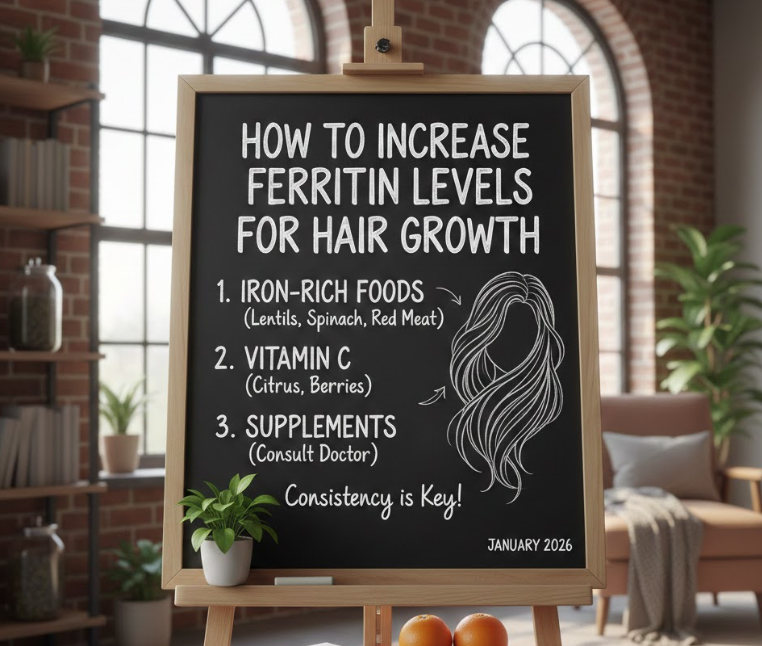
Ferritin plays a crucial role in hair follicle cycling and scalp oxygenation. Low ferritin is strongly associated with chronic hair shedding and telogen effluvium.
Ferritin and Hair Health Connection
Research indicates that ferritin plays a direct role in hair follicle cycling and oxygen delivery to the scalp. When ferritin levels fall below approximately 40–60 ng/mL, hair growth may slow or shift prematurely into the shedding phase, even if hemoglobin values remain within normal ranges. For this reason, low ferritin is frequently observed in individuals experiencing diffuse hair thinning or telogen effluvium.
Hair-Focused Ferritin Improvement Strategies
• Targeting higher ferritin thresholds for regrowth
For optimal hair recovery, many dermatologists aim for ferritin levels above 70 ng/mL. This higher threshold supports active hair follicles and improves the likelihood of sustained regrowth rather than temporary shedding reduction.
• Pairing iron with complementary nutrients
Nutrients such as zinc, biotin, vitamin D, and vitamin B12 contribute to keratin production and follicle strength. When these nutrients are deficient, iron alone may not fully correct hair-related symptoms.
• Managing inflammation and chronic stress load
Ongoing inflammation and elevated stress hormones can interfere with iron utilization. Reducing stress through lifestyle changes helps improve ferritin effectiveness at the cellular level.
For many individuals, restoring adequate ferritin levels represents a foundational step toward reversing chronic hair thinning and improving long-term scalp health.
Also Read:- How to Remove Sticker Residue: The Complete Safe & Effective Guide
How to Increase Ferritin Levels Quickly (When Time Matters)
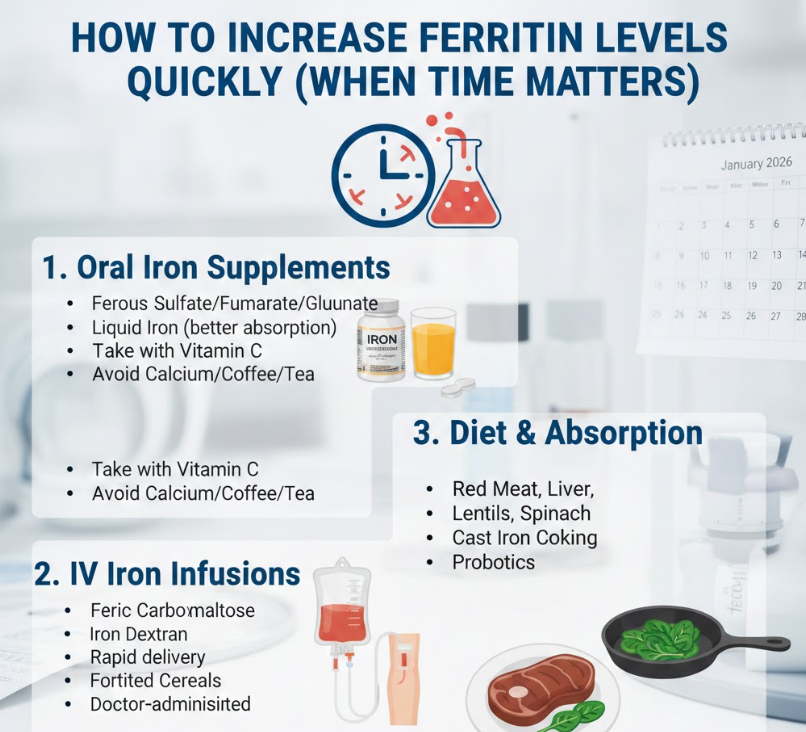
In certain cases—such as surgery preparation, severe symptoms, or advanced deficiency—ferritin levels must be increased more rapidly.
When Faster Intervention Is Necessary
Situations such as severe deficiency, upcoming surgery, or debilitating symptoms may require a faster approach to restoring iron stores. In these cases, accelerated strategies can be used under appropriate medical supervision to raise ferritin more efficiently while minimizing risk.
Methods Used for Faster Ferritin Correction
• Using higher-dose oral iron with oversight
When ferritin depletion is significant, clinicians may recommend temporarily increasing oral iron dosage. This approach can speed recovery, but careful monitoring is essential to reduce the risk of gastrointestinal discomfort or excessive iron accumulation.
• Maximizing absorption through strict timing
Iron absorption improves substantially when supplements are taken on an empty stomach alongside vitamin C. At the same time, spacing iron away from calcium, coffee, and tea helps prevent absorption interference.
• Stopping active iron loss as early as possible
Persistent blood loss—whether from heavy menstruation, gastrointestinal bleeding, or frequent blood donation—can stall ferritin recovery. Addressing these sources allows iron stores to rebuild more effectively.
• Treating medical conditions that impair absorption
Certain health conditions, including celiac disease, Helicobacter pylori infection, and chronic inflammatory disorders, reduce iron uptake. Without treating these underlying issues, ferritin levels may remain low despite supplementation.
• Evaluating intravenous iron when oral therapy fails
For individuals who cannot tolerate oral iron or absorb it adequately, intravenous iron may be recommended. This method bypasses the digestive system and can restore ferritin levels more rapidly under clinical supervision.
• Balancing speed with safety considerations
Rapid ferritin correction requires ongoing blood testing to ensure iron levels remain within a safe range. Excess iron can accumulate silently and cause organ damage if not carefully monitored.
Even when faster correction strategies are necessary, long-term success depends on transitioning to sustainable maintenance habits that preserve healthy ferritin levels over time.
Also Read:- How to Drag Click: The Complete Step-by-Step Guide for Any Mouse
Does It Take to Increase Ferritin Levels?
Ferritin improvement depends on deficiency severity, absorption, and consistency.
• Mild deficiency: 2–3 months
• Moderate deficiency: 3–6 months
• Severe depletion: 6–12 months
Even after normalization, maintenance is necessary.
Common Mistakes That Prevent Ferritin From Increasing
• Taking iron with coffee or calcium
• Inconsistent supplementation
• Ignoring digestive health
• Stopping too early
• Treating symptoms without labs
• Self-supplementing excessively
Avoiding these errors improves success.
Conclusion: The Smart Way to Increase Ferritin Levels
Learning how to increase ferritin levels requires more than simply taking iron—it demands understanding absorption, nutrition, underlying causes, and safe timelines. Whether you are improving ferritin naturally, using supplements, supporting hair growth, or correcting deficiency more quickly, the key is consistency, monitoring, and professional guidance.
Ferritin is not just a lab number—it reflects your body’s ability to fuel energy, growth, and healing. With the right approach, restoring healthy ferritin levels can dramatically improve how you feel and function.
FAQs: How to Increase Ferritin Levels
What is a good ferritin level for women?
Many experts suggest 50–100 ng/mL for optimal health.
Can ferritin be low without anemia?
Yes, very commonly.
Is too much ferritin dangerous?
Yes. Excess iron can damage organs and must be avoided.
For More Updates Visit: Biomagazine
