

Learning how to love yourself is not a luxury or a trendy self-help idea—it is a fundamental life skill. When you understand how to value yourself, you create healthier relationships, make better decisions, and build emotional resilience that lasts a lifetime. Self-love is not selfishness; it is the foundation of mental wellness, confidence, and long-term happiness.
In this in-depth guide, you will discover practical, research-backed strategies for learning how to love yourself, even during difficult emotional periods. This article blends psychological insight, lived experience, and actionable habits to help you cultivate authentic self-worth from the inside out.
What Does It Really Mean to Love Yourself?
Loving yourself means accepting who you are without conditions while actively caring for your emotional, mental, and physical well-being. It is the practice of treating yourself with the same compassion, patience, and respect you would offer someone you deeply care about. True self-love is not ego or arrogance; it is inner stability.
At its core, how to love yourself involves awareness, responsibility, and consistent self-respect. It requires unlearning harmful beliefs, setting healthy boundaries, and choosing growth over self-punishment.
Core Foundations of Self-Love
• Self-acceptance without denial
Accepting yourself does not mean ignoring flaws or avoiding growth. It means acknowledging your strengths and weaknesses honestly, without harsh judgment. This balanced awareness reduces internal conflict and builds emotional safety within yourself.
• Compassion during failure
When mistakes happen, self-love replaces self-criticism with understanding. Instead of asking “What’s wrong with me?”, you ask “What can this teach me?”. This shift reduces anxiety and supports long-term resilience.
• Responsibility for your well-being
Loving yourself means taking responsibility for your mental and emotional health. You stop waiting for others to validate or rescue you and begin showing up for yourself consistently.
• Healthy emotional boundaries
Self-love teaches you when to say no, when to walk away, and when to protect your peace. Boundaries are not walls—they are filters that preserve emotional energy.
• Respecting your needs and limits
Listening to your body, mind, and emotions is a form of self-respect. Ignoring exhaustion, stress, or emotional pain erodes self-worth over time.
• Choosing growth over comfort
True self-love often requires uncomfortable choices. Growth-oriented decisions may feel difficult initially, but they lead to deeper confidence and long-term fulfillment.
Also Read:- How to Clean Baby Ears: A Complete, Safe, and Parent-Approved Guide
How to Love Yourself More
Learning how to love yourself more is a gradual process built through daily intentional actions rather than dramatic transformations. Small habits, practiced consistently, reshape your self-image over time and reinforce a positive internal dialogue.
This stage focuses on strengthening your relationship with yourself through awareness, kindness, and purposeful behavior.
Practical Ways to Deepen Self-Love
• Practice mindful self-talk
Your internal dialogue shapes your reality. Becoming aware of negative self-talk allows you to gently replace it with constructive language that supports emotional well-being and confidence.
• Celebrate small personal wins
Acknowledging progress—no matter how minor—reinforces self-trust. Celebrations do not require achievements; showing up for yourself is enough.
• Prioritize emotional rest
Mental exhaustion weakens self-compassion. Allowing yourself rest without guilt strengthens emotional regulation and improves overall mental health.
• Reconnect with personal values
Understanding what truly matters to you reduces comparison and external validation dependency. Values act as an internal compass for self-respect.
• Invest time in solitude
Intentional alone time helps you reconnect with your thoughts and emotions. Solitude fosters clarity, creativity, and emotional grounding.
• Forgive your past self
Holding onto regret blocks self-love. Forgiveness acknowledges growth and allows you to move forward without emotional baggage.
Also Read:- How Long Do Duck Eggs Take to Hatch? A Complete, Science-Based Guide
How to Love Yourself and Be Confident
Confidence naturally grows when self-love becomes stable. Knowing how to love yourself and be confident means building trust in your abilities while maintaining humility and emotional balance. Confidence is not loud—it is calm self-assurance.
When self-love is present, confidence becomes internal rather than dependent on approval.
Building Confidence Through Self-Love
• Detach confidence from external validation
True confidence comes from internal approval. When you stop relying on praise, your self-worth becomes more resilient and consistent.
• Develop competence through action
Confidence increases through skill development and experience. Taking small, intentional actions reinforces self-belief over time.
• Embrace imperfection publicly
Allowing yourself to be imperfect removes fear of judgment. Authenticity strengthens confidence more than perfection ever could.
• Strengthen body awareness
Posture, breathing, and movement influence confidence. Physical self-respect reinforces mental self-belief.
• Set realistic personal standards
Unrealistic expectations sabotage confidence. Healthy standards encourage growth without emotional burnout.
• Speak kindly to yourself under pressure
Stress reveals your relationship with yourself. Supportive inner dialogue builds emotional security and confidence simultaneously.
Also Read:- How to Run Faster: A Complete Guide for All Runners
How to Love Yourself When Depressed

Understanding how to love yourself when depressed requires patience, gentleness, and professional awareness. Depression often distorts self-perception, making self-love feel unreachable. During these times, self-love looks different—it becomes survival, not self-improvement.
Self-love during depression means meeting yourself where you are, not where you think you should be.
Self-Love Practices During Depression
• Lower expectations without self-judgment
Productivity does not define worth. Adjusting expectations protects emotional energy during mental health struggles.
• Seek professional support without shame
Therapy and counseling are acts of self-respect. Asking for help reflects strength, not weakness.
• Focus on basic self-care routines
Simple actions like hydration, nutrition, and sleep stabilize emotional health during depressive episodes.
• Limit self-comparison
Depression amplifies comparison distortions. Reducing social media exposure helps protect fragile self-esteem.
• Acknowledge pain without identity attachment
You are experiencing depression—you are not depression. Separating identity from symptoms preserves self-worth.
• Celebrate survival, not success
On difficult days, simply getting through is an achievement. Recognition reinforces self-compassion.
External Reference:
National Institute of Mental Health – Depression Resources
American Psychological Association – Self-Compassion Research
Also Read:- How to Reset AirPods Pro: The Complete Expert Guide
Learning How to Love Yourself

Learning how to love yourself is an evolving journey rather than a final destination. Growth brings new challenges, requiring renewed self-understanding and adaptability. Self-love matures with life experience.
This learning phase focuses on awareness, emotional intelligence, and intentional self-development.
Long-Term Self-Love Development
• Build emotional literacy
Understanding your emotions prevents emotional suppression and improves self-communication.
• Reflect regularly through journaling
Writing helps process experiences and recognize emotional patterns.
• Learn from emotional triggers
Triggers highlight unmet needs. Awareness transforms emotional reactions into growth opportunities.
• Redefine success personally
Creating your own definition of success protects self-worth from societal pressure.
• Surround yourself with supportive influences
Healthy relationships reinforce self-respect and emotional safety.
• Commit to lifelong self-growth
Self-love evolves as you grow. Curiosity and openness strengthen long-term emotional health.
Also Read:- How to Remove Gel X Nails: A Complete Expert Guide
How to Love Yourself Quotes (Inspiration & Reflection)
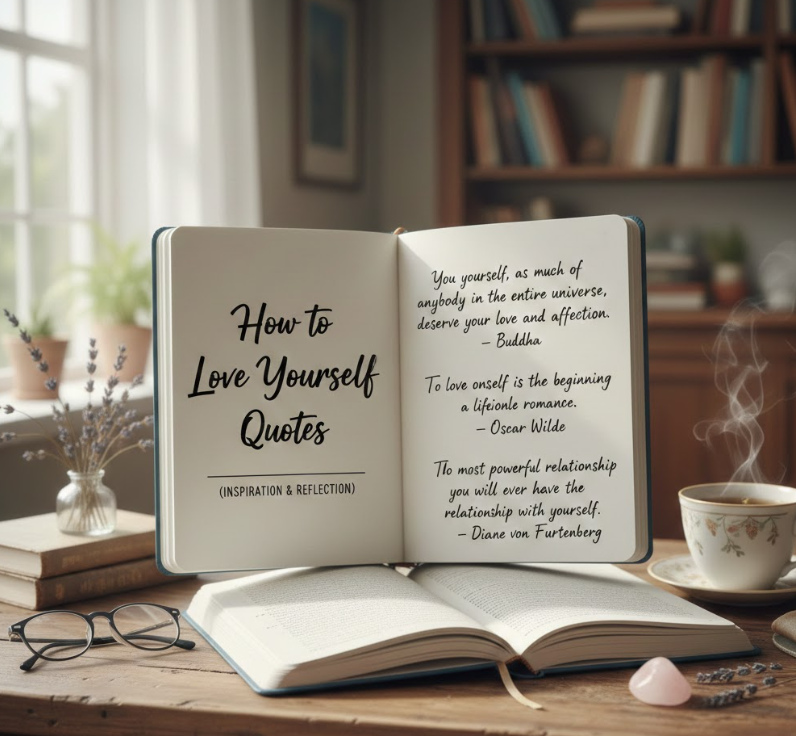
How to love yourself quotes serve as emotional anchors during moments of doubt. They remind you that self-worth is a universal human need, not a personal flaw.
Meaningful Self-Love Quotes
• “You yourself, as much as anybody in the entire universe, deserve your love and affection.” — Buddha
• “Owning our story and loving ourselves through that process is the bravest thing we’ll ever do.” — Brené Brown
• “Self-love is not selfish; you cannot truly love another until you know how to love yourself.”
• “Talk to yourself like someone you love.”
• “Your relationship with yourself sets the tone for every other relationship.”
• “Healing begins when self-judgment ends.”
Also Read:- How to Reset CMOS: A Complete Beginner-to-Advanced Guide
Conclusion: The Power of Choosing Yourself
Learning how to love yourself is one of the most transformative decisions you can make. It improves mental health, strengthens relationships, and builds emotional resilience that lasts a lifetime. Self-love is not about perfection—it is about presence, patience, and intentional self-respect.
When you choose yourself daily, confidence grows naturally, healing becomes possible, and life feels more aligned. Self-love is not a destination—it is a practice that shapes every part of your life.
FAQs
Is self-love selfish?
No. Self-love improves emotional health and strengthens relationships.
How long does it take to learn self-love?
It is a lifelong process, but meaningful changes can begin within weeks.
Can self-love help with anxiety and depression?
Yes. Research shows self-compassion reduces anxiety and depressive symptoms.
For More Updates Visit: Biomagazine
