

Learning how to sing is one of the most rewarding skills you can develop. Singing allows you to express emotions, build confidence, and improve your vocal strength. Whether you dream of performing professionally or simply want to improve your voice for personal enjoyment, mastering proper singing techniques is essential. Singing involves more than just producing sound—it requires breath control, pitch accuracy, vocal technique, posture, and consistent practice.
According to the National Association of Teachers of Singing, proper vocal training improves tone quality, range, and vocal health. Singing correctly prevents vocal strain and enhances long-term vocal performance. Even world-renowned singers like Freddie Mercury and Whitney Houston relied on breath control, diaphragm support, and structured vocal training to achieve their iconic voices.
This complete guide explains exactly how to sing better, how to sing opera as a beginner, how to sing from your diaphragm, and how to sing higher safely. These proven techniques will help you improve vocal power, tone clarity, and confidence.
Understanding How to Sing: Definition, Science, and Vocal Fundamentals
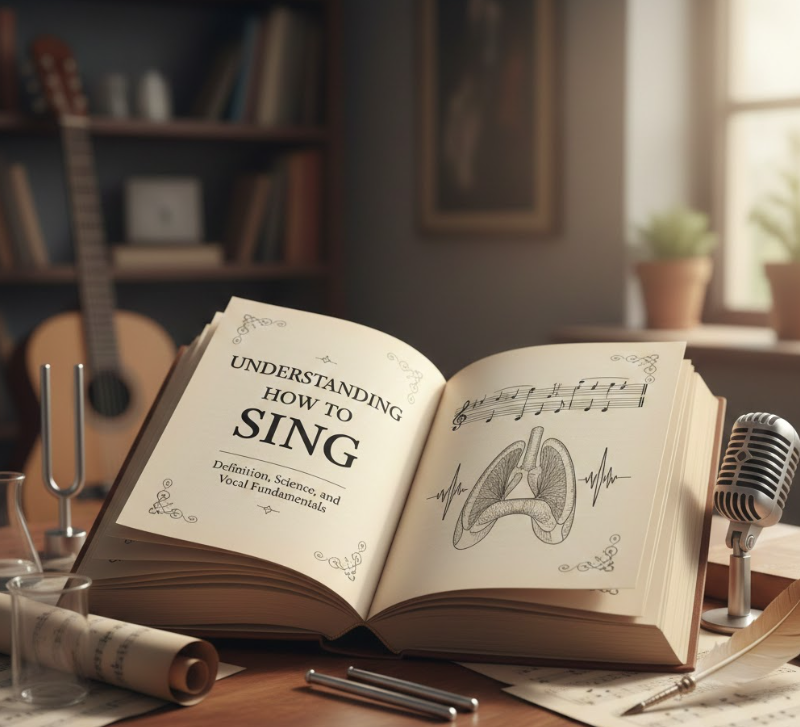
Singing is the process of producing musical sounds using your voice by controlling pitch, tone, breath, and resonance. It involves coordination between your lungs, vocal cords, diaphragm, and resonating chambers.
Proper singing requires controlled airflow, vocal cord vibration, and resonance amplification. When done correctly, singing produces clear, powerful, and stable sound without strain or damage.
Core Elements of Singing Explained
• Breath Control Is the Foundation of Singing
Breath control powers your voice. Air from your lungs passes through vocal cords, causing vibration. Controlled airflow ensures stable sound production. Without proper breath control, your voice becomes weak, unstable, or strained. Professional singers develop strong breath support to maintain vocal stability. Breath control also helps sustain long notes and improves tone consistency.
• Pitch Accuracy Determines Musical Quality
Pitch refers to how high or low a note sounds. Accurate pitch ensures your singing sounds musical and pleasant. Training your ear improves pitch recognition. Practicing scales strengthens pitch control. Accurate pitch allows singers to match instruments and melodies.
• Resonance Enhances Vocal Power and Tone
Resonance amplifies your voice naturally. Sound vibrations travel through your chest, mouth, and nasal cavities. Proper resonance creates fuller, richer sound. Resonance improves projection without forcing your voice.
• Posture Supports Vocal Performance
Standing upright improves airflow. Good posture allows lungs to expand fully. Proper alignment improves vocal stability.
• Vocal Cord Health Protects Your Voice
Healthy vocal cords produce clear sound. Hydration and rest protect vocal health.
• Practice Improves Singing Skills Over Time
Consistent practice strengthens vocal muscles and improves technique.
Also Read:- How to Use Shower Oil: The Complete Expert Guide for Silky, Hydrated Skin
How to Sing Better: Proven Techniques to Improve Your Voice
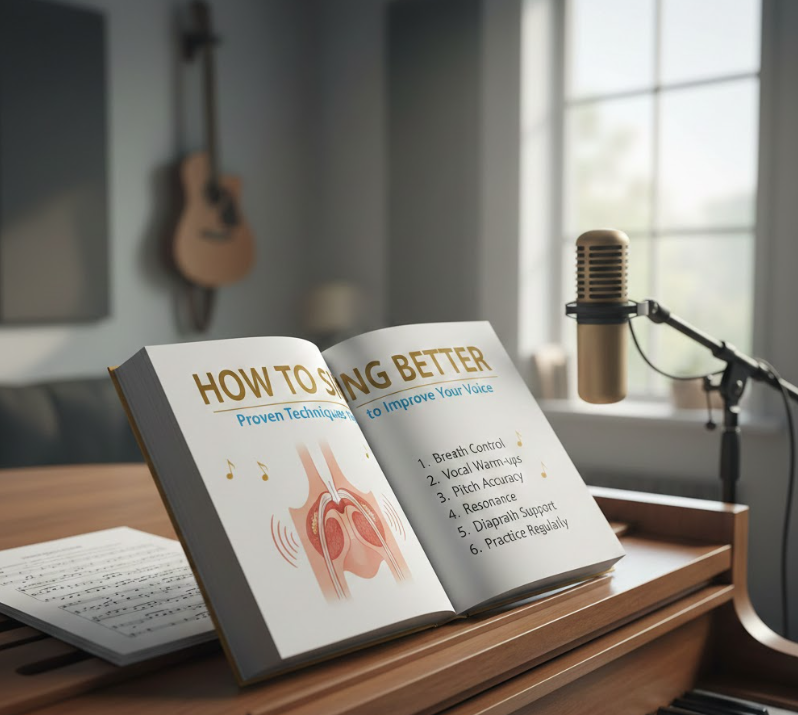
Learning how to sing better requires structured practice, proper breathing, and vocal control. Improvement comes from training both your voice and body.
Definition and Overview
Singing better means producing clearer, stronger, and more controlled sound while maintaining vocal health and accuracy.
Essential Techniques to Sing Better
• Practice Breathing Exercises Daily
Breathing exercises strengthen your vocal support system. Deep breathing improves airflow control. Proper breath support allows longer and stronger notes. Daily breathing exercises increase lung capacity and vocal endurance. Controlled breathing also reduces vocal strain.
• Warm Up Your Voice Before Singing
Vocal warmups prepare your vocal cords. Warmups improve flexibility and prevent injury. Exercises like humming and lip trills increase vocal readiness. Warmups improve tone quality and range.
• Maintain Proper Posture While Singing
Good posture improves airflow and sound quality. Standing upright allows better breath support. Proper posture improves vocal projection.
• Practice Pitch Matching Exercises
Matching pitch improves musical accuracy. Use piano or apps for guidance.
• Record Your Voice for Self-Evaluation
Recording helps identify mistakes and improvements.
• Practice Consistently for Long-Term Improvement
Consistency strengthens vocal muscles.
Also Read:- How to Pop Your Ears: Complete Guide to Safe Ear Pressure Relief
How to Sing Opera as a Beginner

Opera singing requires powerful breath control, resonance, and vocal projection. Learning how to sing opera as a beginner involves specialized vocal techniques.
Definition and Overview
Opera singing uses classical techniques to produce powerful, resonant sound without microphones.
Opera Singing Techniques
• Develop Strong Breath Support First
Opera requires powerful airflow. Breath support allows sustained notes. Proper breathing improves vocal strength.
• Focus on Vocal Resonance Development
Resonance amplifies sound naturally.
• Practice Classical Vocal Exercises Daily
Exercises improve tone and flexibility.
• Learn Proper Pronunciation and Diction
Opera requires clear pronunciation.
• Strengthen Vocal Projection Safely
Projection improves performance.
• Work with Professional Vocal Training
Professional guidance improves technique.
Opera legends like Luciano Pavarotti mastered breath control and resonance to achieve powerful sound.
Also Read:- How to Carve a Turkey: The Complete Step-by-Step Expert Guide
How to Sing from Your Diaphragm

Learning how to sing from your diaphragm improves vocal strength, control, and endurance.
Definition and Overview
Diaphragm singing uses deep abdominal muscles to control airflow instead of shallow chest breathing.
Diaphragm Singing Techniques
• Understand Diaphragm Function First
The diaphragm controls breathing. Proper use improves vocal support.
• Practice Deep Breathing Exercises Daily
Deep breathing strengthens diaphragm control.
• Use Abdominal Support While Singing
Abdominal muscles stabilize airflow.
• Avoid Chest-Only Breathing
Chest breathing weakens vocal power.
• Practice Sustained Note Exercises
Sustained notes strengthen diaphragm.
• Train Muscle Memory Through Practice
Practice improves diaphragm control.
Also Read:- How to Sell Pokémon Cards: The Complete Expert Guide to Maximizing Value
How to Sing Higher Safely and Effectively

Learning how to sing higher expands your vocal range safely.
Definition and Overview
Singing higher involves controlled vocal cord stretching and proper breath support.
Techniques to Sing Higher
• Warm Up Your Voice Properly First
Warmups prepare vocal cords.
• Strengthen Head Voice Register
Head voice improves higher notes.
• Use Proper Breath Support Always
Breath support stabilizes high notes.
• Avoid Straining Your Voice
Straining damages vocal cords.
• Practice Vocal Scales Regularly
Scales expand vocal range.
• Stay Relaxed While Singing Higher Notes
Relaxation improves control.
Also Read:- How to Sell Gold: The Complete Expert Guide to Getting the Best Value
Conclusion: Mastering How to Sing Successfully
Learning how to sing requires proper breathing, posture, pitch control, and consistent practice. Developing diaphragm support, vocal strength, and resonance improves sound quality significantly. With dedication and correct technique, anyone can become a confident singer.
Consistent practice, proper vocal care, and professional training help achieve long-term vocal success.
Frequently Asked Questions
Can anyone learn how to sing?
Yes, singing is a learnable skill with practice.
How long does it take to improve singing?
Improvement can occur within weeks with regular practice.
Is diaphragm singing important?
Yes, it improves vocal strength and control.
How can I sing higher notes safely?
Practice scales, warmups, and breath support.
For More Updates Visit: Biomagazine
