

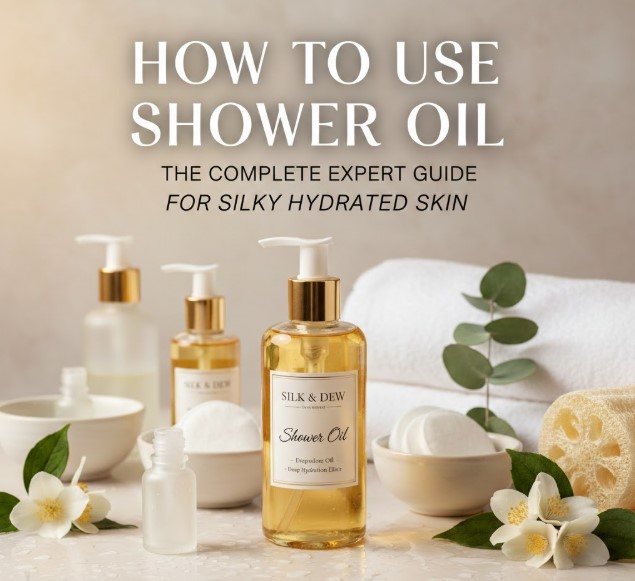
If you’ve ever stepped out of the shower only to feel tight, dry, or irritated skin, you’re not alone. Many traditional body washes strip away natural oils, leaving your skin compromised. That’s why more people are searching for how to use shower oil as a gentler, moisture-rich alternative.
Shower oil is a luxurious yet practical skincare product that cleanses while nourishing your skin barrier. Unlike typical soaps, it transforms into a silky emulsion when mixed with water, removing impurities without stripping essential lipids. In this in-depth guide, you’ll learn exactly how to use shower oil correctly, which brands offer the best options, and how to maximize its hydrating power.
What Is Shower Oil and Why Is It Different?
Shower oil is a cleansing product formulated with plant-based oils, emulsifiers, and mild surfactants. When applied to wet skin, it transforms into a lightweight milky texture that cleans without disrupting your skin barrier.
Shower oil is a lipid-rich body cleanser designed to hydrate while washing.
It emulsifies upon contact with water, creating a gentle cleansing milk.
It protects the skin’s natural moisture barrier instead of stripping it.
• It Preserves the Skin Barrier
Traditional soaps often contain harsh surfactants that remove dirt—but also strip away natural lipids. Dermatological research shows that maintaining the skin barrier reduces transepidermal water loss (TEWL), which prevents dryness and irritation.
Shower oil works differently. It replenishes lipids while cleansing, making it ideal for sensitive, dry, or eczema-prone skin.
• It Hydrates While Cleansing
Unlike gel-based washes, shower oil contains nourishing ingredients like almond oil, jojoba oil, or sunflower oil. These ingredients bind to moisture in the skin rather than pulling it away.
This dual-action effect cleanses without leaving the tight, squeaky feeling associated with soap-based products.
• It’s Ideal for Cold Climates
In dry or winter climates, skin tends to lose moisture rapidly. Shower oil provides a protective cushion of hydration, especially beneficial in heated indoor environments.
People living in colder regions often report less flaking and itching after switching.
• It’s Suitable for Sensitive Skin
Because it avoids aggressive detergents, shower oil is often recommended by dermatologists for reactive or post-treatment skin.
Many formulas are sulfate-free, fragrance-light, and pH-balanced.
• It Can Replace Multiple Products
A good shower oil can function as:
- Cleanser
- Light moisturizer
- Shaving lubricant
This makes it a minimalistic skincare solution.
• It Enhances the Luxury Shower Experience
Beyond function, shower oils provide aromatherapeutic benefits. Ingredients like lavender, almond, and rose create a spa-like environment at home.
Also Read:- How to Pop Your Ears: Complete Guide to Safe Ear Pressure Relief
How to Use Shower Oil Correctly (Step-by-Step Method)
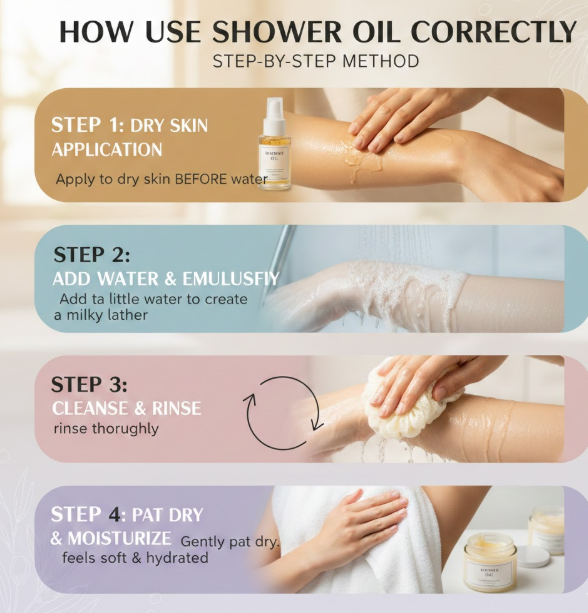
Understanding how to use shower oil with water properly is essential for maximizing its benefits.
Using shower oil involves applying it to wet skin.
The oil emulsifies into a milky texture upon contact with water.
Proper technique ensures cleansing without residue.
Wet Your Skin Thoroughly
Start by stepping into warm—not hot—water. Warm water helps open pores slightly, allowing better cleansing.
Avoid excessively hot showers, as heat can compromise the skin barrier and counteract the hydrating benefits of shower oil.
Dispense a Small Amount
Shower oil is concentrated. Usually, one or two pumps are sufficient.
Using too much can lead to unnecessary buildup. Start small—you can always add more.
Massage Directly Onto Skin
Apply the oil directly to wet skin. As you massage, it transforms into a milky emulsion.
Focus on dry areas like elbows, knees, and shoulders.
Add More Water to Activate Emulsification
If you’re wondering how to use shower oil with water, this is key: allow water to mix with the oil while massaging.
This step activates the cleansing agents and ensures it rinses clean.
Rinse Gently
Rinse with lukewarm water. Proper emulsification prevents a greasy residue.
Your skin should feel soft—not slippery.
Pat Dry, Don’t Rub
After showering, gently pat your skin dry with a towel. Rubbing can disrupt the moisture layer you just created.
You may find you need less body lotion afterward.
Also Read:- How to Carve a Turkey: The Complete Step-by-Step Expert Guide
How to Use Shower Oil L’Occitane (Almond Shower Oil Guide)
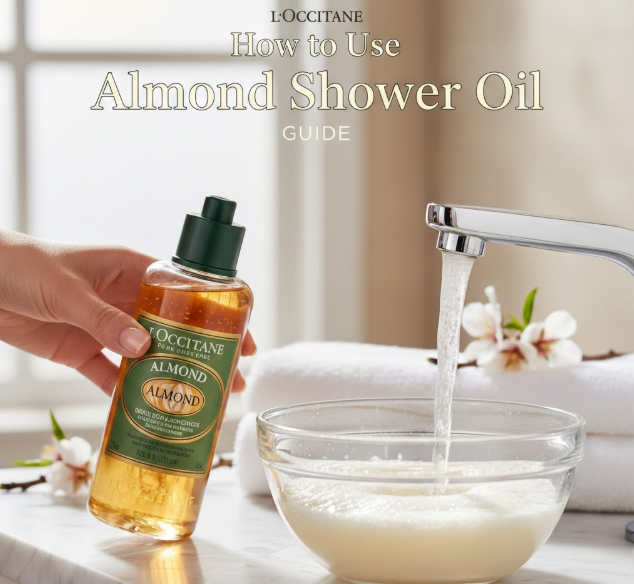
One of the most searched variations is how to use shower oil l’occitane, referring to the iconic product from L’Occitane en Provence.
L’Occitane Almond Shower Oil is a cult-favorite cleansing oil.
It contains sweet almond oil for nourishment.
It transforms into a delicate foam on contact with water.
• Use on Damp Skin for Best Results
Apply directly to damp skin, not dry. The almond oil activates beautifully with water.
This ensures proper emulsification and a luxurious milky lather.
• Focus on Gentle Circular Motions
Massage in slow, circular motions to stimulate circulation.
This enhances absorption and creates a spa-like ritual.
• It Doubles as a Shaving Oil
Many users on platforms discussing how to use shower oil reddit report using it for shaving.
Its slip reduces razor drag and irritation.
• Rinse Thoroughly
Despite being oil-based, it rinses clean when used correctly.
If residue remains, add more water while massaging.
• Ideal for Post-Sun Skin
Almond oil helps calm skin after sun exposure.
Its nourishing properties restore suppleness.
• Pair with Matching Body Cream
For maximum hydration, follow with L’Occitane Almond Milk Concentrate.
This layering method enhances long-term moisture retention.
Also Read:- How to Sell Pokémon Cards: The Complete Expert Guide to Maximizing Value
How to Use Shower Oil Rituals
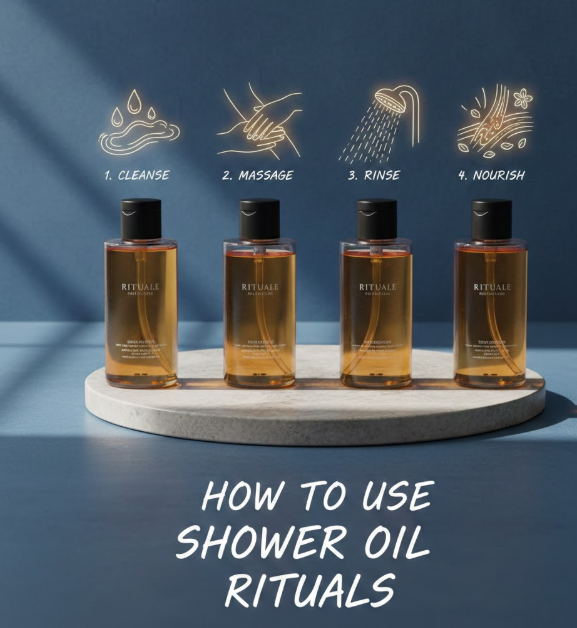
Rituals offers foaming shower oils infused with Eastern-inspired fragrances.
Rituals shower oil combines aromatherapy with cleansing.
It turns from oil to foam when mixed with water.
It enhances relaxation during showers.
• Apply to Wet Skin Only
This formula foams instantly with water.
Applying to dry skin may reduce lather performance.
• Enjoy the Aromatherapy Benefits
Breathe deeply while massaging.
Essential oils like sakura or eucalyptus create calming effects.
• Use as a Nighttime Ritual
Evening showers with aromatic oils promote relaxation.
This can improve sleep quality.
• Avoid Overuse
Two pumps are sufficient.
Over-application does not increase benefits.
• Rinse Before Exiting
Ensure your shower floor is not slippery.
Oil-based products can create slick surfaces.
• Follow with Body Cream
Layering enhances hydration and fragrance longevity.
Also Read:- How to Sell Gold: The Complete Expert Guide to Getting the Best Value
How to Use Shower Oil Jo Malone
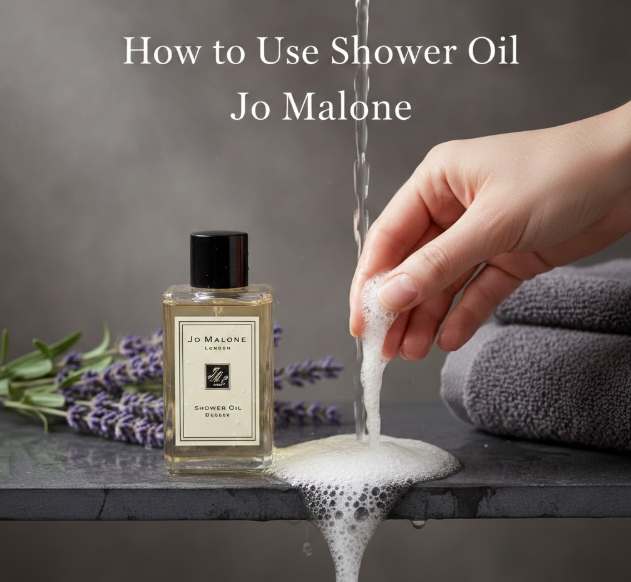
Jo Malone London offers luxurious bath oils.
Jo Malone shower oils focus on fragrance layering.
They combine cleansing with scent diffusion.
They are designed for indulgent bath experiences.
• Use Minimal Product
High-quality formulas require small amounts.
Luxury oils are concentrated.
• Layer with Matching Cologne
Fragrance layering extends scent life.
This is a signature Jo Malone technique.
• Best for Evening Showers
The scent experience is calming and elegant.
It transforms your routine into a ritual.
• Rinse Carefully
Luxury oils emulsify well but require water activation.
Always ensure full rinse.
• Store Properly
Keep away from humidity.
Preserves fragrance integrity.
• Ideal for Special Occasions
Use before events to subtly scent skin.
Also Read:- How to Store Peaches: The Complete Expert Guide to Keeping Peaches Fresh Longer
How to Use Shower Oil Buff City Soap
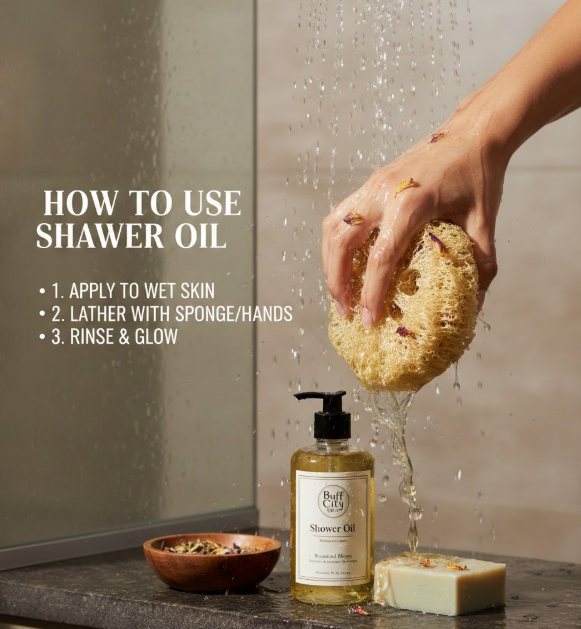
Buff City Soap produces handcrafted shower oils.
Buff City Soap shower oils are handmade.
They emphasize natural ingredients.
They cleanse gently without sulfates.
• Shake Before Use
Natural oils may separate.
Mixing ensures even consistency.
• Apply Generously to Damp Skin
Handmade formulas may be lighter.
Adjust amount as needed.
• Rinse Thoroughly
Natural oils still require emulsification.
Add water during massage.
• Store Away from Heat
Preserves natural ingredients.
Extends product life.
• Ideal for Sensitive Skin
Free from harsh chemicals.
Gentler alternative to soap bars.
• Follow With Lotion If Needed
Dry climates may still require additional hydration.
Also Read:- How to Make a Paper Airplane: The Ultimate Step-by-Step Guide for Distance, Speed, and Fun
Common Mistakes When Learning How to Use Shower Oil
Mistakes reduce effectiveness.
Improper use can cause residue.
Correct technique maximizes benefits.
• Applying to Dry Skin
• Using Too Much Product
• Skipping Emulsification
• Rinsing Too Quickly
• Using Hot Water
• Not Cleaning Shower Floor
(Each mistake typically leads to buildup or reduced hydration.)
Conclusion
Learning how to use shower oil correctly can transform your skincare routine. From preserving your skin barrier to providing deep hydration, shower oil offers both functional and sensory benefits.
Whether you’re using L’Occitane, Rituals, Jo Malone, or Buff City Soap, the key principles remain the same:
- Apply to wet skin
- Emulsify with water
- Rinse gently
- Pat dry
With proper technique, your skin will feel softer, smoother, and more resilient.
Also Read:- How to Cut a Mango: The Complete Step-by-Step Guide for Perfect Slices and Cubes
FAQs
Is shower oil better than body wash?
For dry or sensitive skin, yes. It preserves moisture better.
Can I use shower oil daily?
Yes, especially if formulated for sensitive skin.
Does shower oil leave residue?
Not if properly emulsified with water.
Can men use shower oil?
Absolutely. Skin hydration is universal.
Should I moisturize after?
Optional, but beneficial in dry climates.
For More Updates Visit: Biomagazine
