

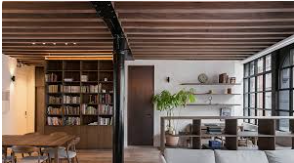
Standing in my empty loft, it looked huge. Acres of space, or so it seemed. I was ready to plan a big bedroom and an ensuite and maybe even a study corner. Then the architect held a tape measure to the ridge and brought me back to earth. The loft conversion people imagine and the ones the roof actually allows are often very different, and I had been fooled by an empty space that promised more than it could give.
The trouble with an empty loft is that it looks enormous. No furniture, no walls, just open space under the rafters. Your eye fills it with possibilities. Mine certainly did. I had mentally moved in before anyone measured a thing.
The architect gently explained that the usable space is far smaller than the empty volume suggests. The slopes, the headroom rules, the structure all shrink it. What looks like a generous room is often a modest one once reality is applied.
Why an Empty Loft Deceives You
An empty loft shows you the full volume, right up into the peak of the roof and out to the lowest edges. Your brain reads all of that as usable, because it is all visible and open.
But you can’t use the space where you can’t stand. The areas under the low slopes, near the eaves, are effectively lost for anything but storage. The peak might be tall, but the usable footprint is narrower than the floor you are standing on.
So the loft that looks like it could hold a huge room actually offers a much smaller usable area. The empty volume lies to you, and it is easy to believe it until someone measures properly.
The Measurement That Reset My Expectations
The architect measured the ridge height and the point where the headroom dropped below usable. The honest usable area was a fraction of what my eye had promised me.
It was still a good room, just not the vast suite I had imagined. The slopes claimed the edges, the staircase would take a bite, and the genuinely usable bit was sensible rather than enormous.
I was a little deflated, but grateful. Better to learn the real size on day one than to design a fantasy and watch it shrink during the build. The tape measure saved me from disappointment later.
How the Slopes Steal the Space
Under a sloping roof, the height drops as you move toward the edges. Regulations need a minimum headroom for a room to count as habitable, and the stairs need clearance too.
That means a band around the edges of the loft, where the roof is low, simply doesn’t count as usable room. It becomes built in storage at best. The usable space is the middle, where you can actually stand.
The architect showed me exactly where that line fell in my loft. Seeing it drawn made the real room obvious. The empty space had hidden how much the slopes were taking.
Why Realistic Planning Beats Optimism
Once I understood the true usable area, we designed a room that fit it well rather than fighting it. A comfortable bedroom that used the central full height space, with clever storage tucked under the slopes.
That honest approach gave me a room that worked beautifully, because it was designed for the space that actually existed, not the imaginary one. Nothing felt cramped because nothing was forced.
Had I insisted on my original fantasy, the room would have felt squeezed and awkward, with a bed shoved under a slope and no real sense of space. Realism delivered a better result than optimism would have.
Why an Experienced Eye Matters Here
Anyone can be fooled by an empty loft. It takes experience to look at raw roof space and see the real usable room hiding inside it. An architect who does lofts reads it instantly.
They know how the slopes, the headroom rules, and the structure will carve up the volume. They see the honest room where you see endless potential. That realism is exactly what stops you designing something that won’t fit.
The firm I used had assessed countless lofts and knew the trap of the deceiving empty space. A reliable London architectural practice gives you the honest usable area upfront, so you plan a room that works rather than one that disappoints.
What to Remember Before You Plan
Don’t trust how big an empty loft looks. The usable space is always smaller than the open volume, because the slopes and headroom rules claim the edges.
Get an architect to measure the true usable area before you plan anything. Design for the room that actually exists, and it will work far better than chasing the bigger one your eye imagines.
Five to seven months from that reality check to a finished loft that fit its real space perfectly. I nearly planned a room the roof could never hold. The tape measure showed me the truth, and the honest design gave me a room I love. An empty loft always looks bigger than it is.