

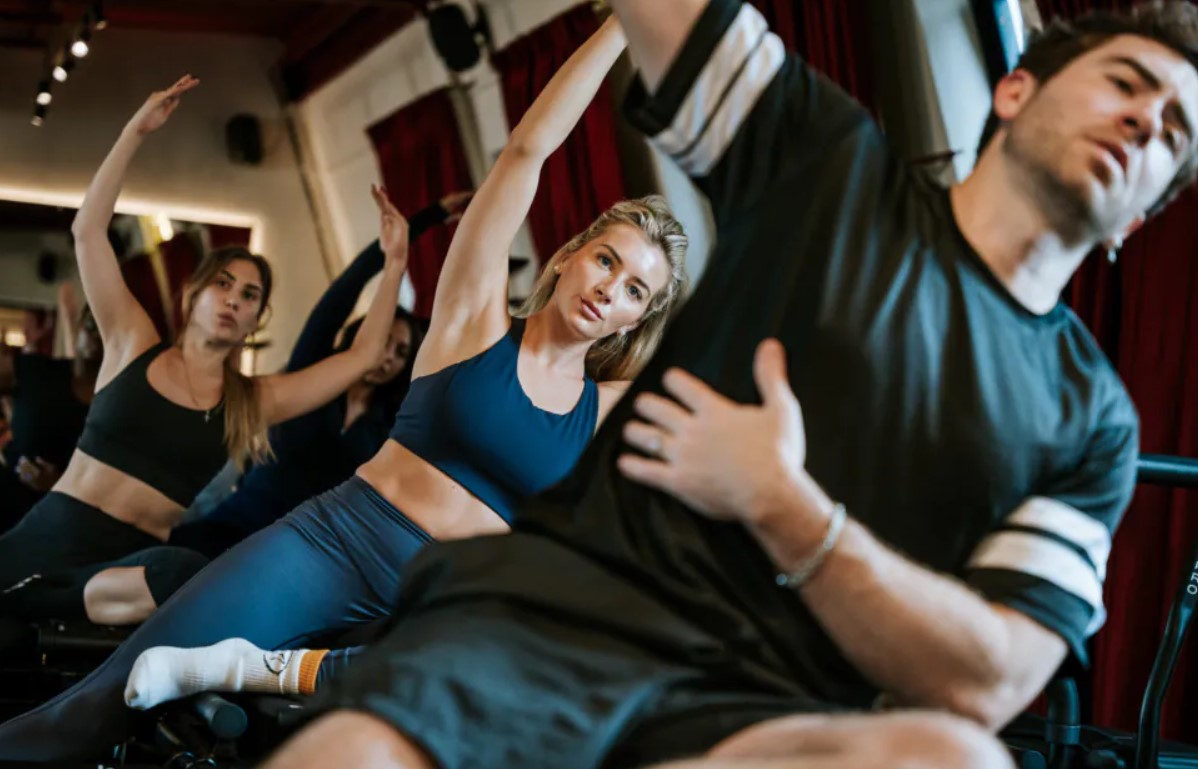
For years, the fitness industry was dominated by a singular, often intimidating ethos: no pain, no gain. High-intensity interval training (HIIT), heavy weightlifting, and grueling endurance sports were celebrated as the most efficient paths to a sculpted physique. Gyms echoed with the clang of iron and the exhausted gasps of athletes pushing their bodies to the absolute limit. But a significant cultural shift is underway. The modern fitness enthusiast is no longer solely focused on how much they can lift or how fast they can run. Instead, there is a growing demand for workouts that are sustainable, joint-friendly, and holistic—methods that build strength without sacrificing long-term physical well-being. At the forefront of this movement is a unique modality known as lagree training, a method that has quietly built a cult following by proving that you do not need to pound your joints into submission to achieve a powerful, lean, and resilient physique.
A New Fitness Philosophy
Moving Beyond the “No Pain, No Gain” Mentality
To understand the rise of low-impact workouts, it is essential to look at the physical toll of previous fitness trends. A decade ago, the typical CrossFit box or boot camp class was worn as a badge of honor, often leaving participants with aching knees, strained shoulders, and chronic inflammation. While these high-intensity methods are effective for building work capacity and mental grit, they often come with a high rate of injury. As the fitness population ages—and as younger athletes become more educated about long-term joint health—the desire for a safer alternative has skyrocketed.
Redefining Intensity
Low-impact does not mean low-intensity. This is a critical distinction that has fueled the popularity of methods like Pilates, barre, and other controlled resistance modalities. People have realized that time under tension and eccentric loading—lengthening the muscle while under weight—can be far more effective for muscle hypertrophy and metabolic stress than simply moving heavy weight quickly using momentum. The focus has shifted from how many repetitions you can complete to the quality of each movement. This approach preserves the joints while delivering the kind of muscular fatigue that actually changes the shape of the body.
The Science Behind Low-Impact, High-Intensity Training
Protecting the Joints While Maximizing Output
The effectiveness of this new wave of fitness lies in biomechanics. Traditional high-impact workouts rely on plyometric movements—jumping, landing, and rapid directional changes—which generate significant force through the knees, hips, and spine. Over time, this repetitive stress can lead to overuse injuries, especially for individuals who train multiple times per week.
Low-impact workouts eliminate the landing force entirely. By keeping at least one foot on the ground or maintaining contact with a machine, the skeleton is spared from the jarring impact of gravity. Instead of relying on explosive power, these workouts emphasize constant tension. Muscles are placed under load for extended periods, often two to three minutes per exercise, which creates a profound metabolic disturbance. This leads to a phenomenon known as the afterburn effect, where the body continues to burn calories at an elevated rate for hours after the session ends.
The Role of Time Under Tension
One of the key physiological principles driving this training style is time under tension. Traditional weightlifting often involves short bursts of effort followed by rest. In contrast, low-impact, high-intensity workouts keep the muscles working continuously. This prolonged tension recruits deep stabilizing muscles that are often neglected in standard gym routines, resulting in a leaner, more sculpted physique without the bulk that can sometimes accompany heavy lifting.
Inside the Method: What Makes It Unique
The Megaformer: A Machine Like No Other
Central to this particular style of training is a piece of equipment that sets it apart from traditional Pilates or gym machines. Known as the Megaformer, this apparatus resembles a Pilates reformer but is engineered for a completely different purpose. While a reformer focuses on spinal articulation, flexibility, and rehabilitation with lighter spring tension, the Megaformer is built for resistance and instability. It features a moving carriage, adjustable spring loads, front and back platforms, and straps that allow for a nearly infinite variety of exercises.
The machine creates an unstable environment. When you perform a lunge or a plank on the Megaformer, you are not simply fighting gravity; you are also fighting the lateral movement of the carriage. This forces the core, stabilizer muscles, and smaller connective tissues to engage in ways that free weights and traditional machines cannot replicate.
Slow Movements, Explosive Results
Because the movements are performed at a slow, deliberate pace—often taking four counts to go down and four counts to come up—there is no opportunity to use momentum to cheat. Every repetition is intentional, which maximizes muscle fiber recruitment while minimizing the risk of strain or improper form. The result is a workout that feels deceptively difficult; what looks like a simple lunge becomes an all-consuming muscular challenge within seconds.
Who Is Embracing This Workout?
From Professional Athletes to Postnatal Mothers
One of the most fascinating aspects of the current fitness landscape is the diversity of people flocking to these studios. It is no longer just the realm of supermodels and actors preparing for a film role. The reason lagree training resonates with such a wide audience lies in its scalability and its undeniable results.
For the seasoned athlete, this method offers a way to cross-train without adding additional impact to joints already stressed by running, cycling, or competitive sports. Many professional athletes have adopted it as their primary off-season conditioning tool, noting improvements in core stability and muscular endurance that translate directly to their performance.
For the postnatal mother or someone recovering from a joint injury, the controlled environment provides a safe space to rebuild strength. The ability to adjust spring tension on the Megaformer allows for progressive overload without ever needing to lift a heavy barbell or perform a box jump. This accessibility lowers the barrier to entry for individuals who may have felt alienated by the intimidating culture of traditional gyms.
A Sustainable Choice for Long-Term Health
Additionally, the demographic of fitness consumers has shifted. People in their thirties, forties, and beyond are looking for workouts they can maintain for decades. The appeal of a session that leaves you trembling with exhaustion but does not leave your knees throbbing the next morning is immense. This method delivers a high-end aesthetic result—long, lean muscles and deep core definition—without the wear and tear that often accompanies more aggressive fitness pursuits.
More Than Just a Physical Workout
The Meditative Quality of Controlled Movement
Beyond the physical mechanics, there is a psychological element driving the popularity of low-impact, high-intensity workouts. Traditional gym culture can sometimes feel disconnected, with individuals wearing headphones and moving through sets in isolation. In contrast, group classes built around this equipment foster a sense of shared struggle. The slow, synchronized pace of the movements creates a meditative quality. When an entire room is holding a plank on a moving carriage for three minutes, there is a collective mental fortitude that develops.
Building Mind-Body Connection
This format also encourages mindfulness. Because the movements are slow and controlled, participants must stay mentally present throughout the entire session. There is no autopilot mode; losing focus for even a moment can compromise form or cause the carriage to shift unexpectedly. This mental engagement turns the workout into a form of moving meditation, which appeals to individuals seeking stress relief alongside physical transformation. The combination of neuromuscular control, breath work, and sustained muscular tension creates a holistic experience that addresses both mental and physical health.
Real Results That Keep People Coming Back
Visible Physical Transformation
Ultimately, the rapid expansion of this fitness style comes down to results. Participants consistently report changes in their bodies that they did not achieve through running, weightlifting, or traditional Pilates. The emphasis on eccentric loading—the lengthening phase of a movement—creates micro-tears in the muscle fibers that lead to noticeable hypertrophy and definition. Because the workouts target slow-twitch muscle fibers, which are typically harder to fatigue, the body develops a dense, sculpted appearance rather than a bulky one.
Metabolic and Functional Benefits
Metabolically, the impact is significant. A standard 50-minute session on the Megaformer can burn between 400 and 700 calories, but the real benefit lies in the hormonal response. The combination of resistance and instability triggers the release of human growth hormone, which aids in fat burning and muscle repair. Participants often find that their posture improves dramatically, back pain diminishes, and their functional strength—the kind used in everyday activities like carrying groceries or playing with children—increases substantially.
The Future of Fitness
A Shift Toward Sustainability
As the fitness industry continues to evolve, the trend toward sustainability shows no signs of reversing. People are investing in their long-term health rather than chasing short-term aesthetic goals that lead to burnout and injury. The success of lagree training has inspired a wave of similar modalities that blend resistance, controlled movement, and low-impact mechanics. Studios dedicated to this method are opening in cities and suburbs alike, signaling that this is not a passing fad but a fundamental shift in how people approach exercise.
Why This Movement Is Here to Stay
The modern consumer is more informed than ever about the importance of joint health, recovery, and movement quality. They understand that a workout should enhance their life, not leave them unable to walk up stairs for three days afterward. By prioritizing efficiency over intensity and control over chaos, this approach to fitness has carved out a permanent place in the wellness landscape.
Conclusion
The rise of low-impact workouts represents a maturation of the fitness industry. It reflects a collective realization that true strength is not measured by how much punishment the body can endure, but by how gracefully it can move, function, and recover over a lifetime. The method at the heart of this movement offers a compelling solution for anyone seeking a challenging, effective, and sustainable path to physical fitness. By combining innovative equipment, intentional movement, and a philosophy rooted in longevity, it has captured the attention of athletes, celebrities, and everyday individuals alike. As more people discover that they can achieve their strongest, most resilient body without sacrificing their joints to the process, this style of training will undoubtedly continue to shape the future of how we exercise.
