

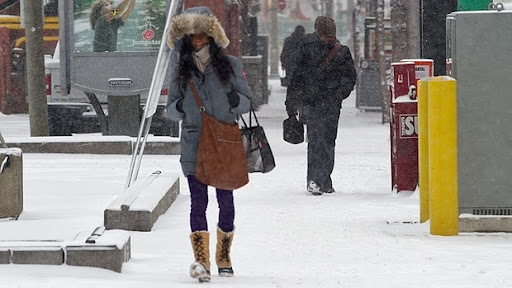
When temperatures drop, getting dressed can feel like a daily challenge. You want to stay warm, but you also want to look put together. The good news is that cold-weather fashion does not have to be bulky, boring, or uncomfortable. With the right choices, you can enjoy outfits that feel cozy while still reflecting your personal style.
This guide walks you through practical, stylish ways to dress for colder days without sacrificing comfort.
Understanding the Balance Between Warmth and Style
Cold-weather fashion works best when function and fashion meet. The goal is to trap heat while allowing freedom of movement and visual appeal. That balance comes from choosing the right fabrics, layering smartly, and investing in versatile pieces.
Instead of chasing trends, focus on items that serve a purpose. Clothes that fit well and feel good will always look stylish, regardless of the season.
Layering the Smart Way
Layering is the foundation of winter dressing. It helps regulate body temperature and allows flexibility throughout the day.
Start with these essential layers:
- Base layer: Lightweight and breathable fabrics like cotton blends or thermal knits
- Middle layer: Sweaters, cardigans, or fleece that add insulation
- Outer layer: Structured pieces that protect against wind and cold
The key is to avoid overly thick layers that restrict movement. Slim, well-fitted layers create warmth without adding unnecessary bulk.
Choosing Outerwear That Complements Your Look
Outerwear often defines your entire outfit during colder months. It is the first thing people notice, so choosing wisely matters.
In the middle of winter styling, investing in quality jackets for women can make a noticeable difference. A well-designed jacket adds warmth while enhancing your overall silhouette. Neutral colors like beige, black, or navy work well for everyday wear, while textured fabrics add depth and interest.
Look for designs that combine insulation with clean lines. These pieces blend seamlessly into both casual and dressed-up outfits.
Fabrics That Feel Good All Day
Comfort starts with fabric choice. Some materials keep you warm but feel heavy, while others provide warmth with a lighter touch.
Cold-weather friendly fabrics include:
- Wool blends that regulate temperature
- Knitted cotton for softness and breathability
- Fleece-lined materials for added warmth
- Corduroy and tweed for texture and durability
Avoid fabrics that feel stiff or itchy, as discomfort can ruin even the best-looking outfit.
Footwear That Supports Style and Stability
Cold weather often means wet sidewalks and chilly mornings. Your footwear should offer warmth and grip without looking overly rugged.
Consider options like:
- Ankle boots with cushioned soles
- Flat boots with soft inner lining
- Low-heeled styles that provide balance and comfort
Choose shoes that support long wear while still matching your outfit. Neutral tones work best for versatility.
Accessories That Add Warmth Without Overdoing It
Accessories play a huge role in winter fashion. They offer warmth while letting you personalize your look.
Simple additions can make a big impact:
- Scarves for texture and layering
- Knit hats for warmth and casual charm
- Gloves that allow easy movement
Stick to one or two accessories at a time to avoid overwhelming your outfit.
Creating Everyday Winter Outfits
Putting everything together is easier when you think in terms of complete outfits rather than individual pieces.
A few easy combinations include:
- Sweater with fitted pants and ankle boots
- Long-sleeve top layered under a cardigan
- Neutral outerwear paired with textured accessories
These looks work well for daily errands, casual meetings, or relaxed outings.
Dressing for Different Cold-Weather Occasions
Cold-weather fashion should adapt to your lifestyle. What works for a casual day may not suit an evening event.
For casual settings, focus on soft layers and relaxed fits. For formal occasions, choose structured pieces, clean lines, and minimal accessories. Adjusting fabrics and fits helps you stay warm while matching the moment.
Conclusion
Cold-weather fashion does not have to feel restrictive or dull. With thoughtful layering, comfortable fabrics, and versatile outerwear, you can create outfits that feel as good as they look. Focus on balance, practicality, and personal style. When comfort leads the way, confidence naturally follows in every winter outfit.