

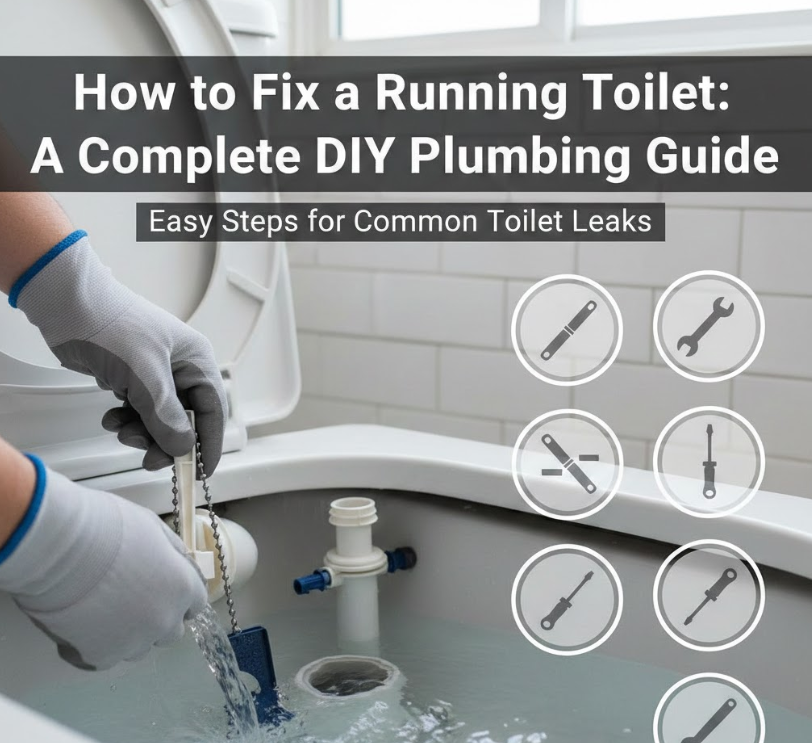
A constantly running toilet is more than just an annoying household issue—it can waste hundreds of gallons of water every day and significantly increase your water bill. Many homeowners search for how to fix a running toilet because the problem seems complicated, but in reality, most causes are simple, affordable, and fixable without calling a plumber.
Understanding how a toilet works is the first step toward solving the issue. A running toilet usually means that water is continuously flowing from the tank into the bowl due to faulty internal components. This guide explains how to fix a running toilet in multiple real-world scenarios, including button flush systems, fill valves, ball floats, and modern toilets without traditional floats.
How to Fix a Running Toilet with a Button Flush
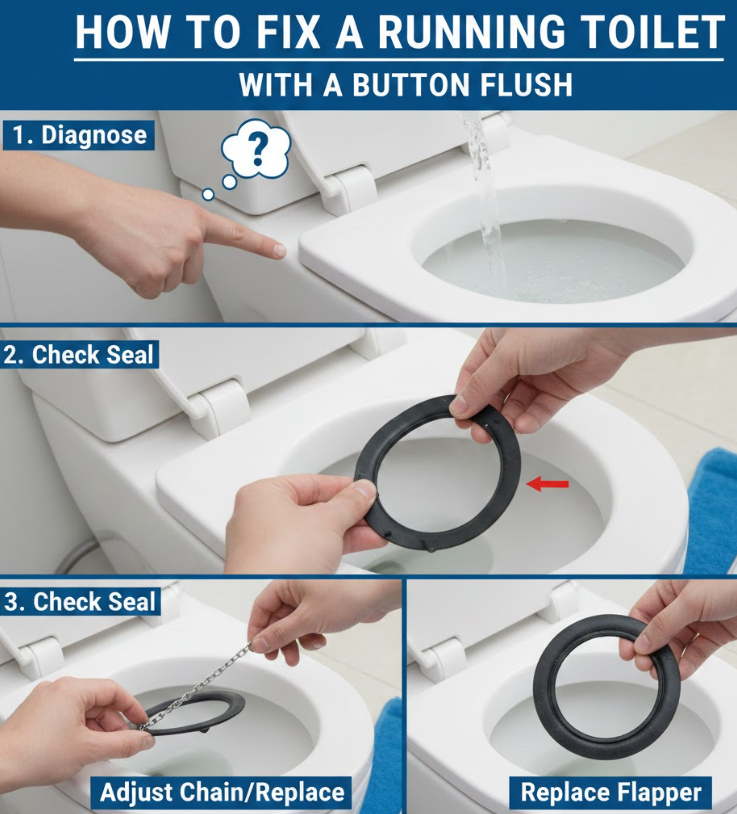
Button flush toilets are common in modern bathrooms and dual-flush systems. While they look sleek, they can run continuously if internal seals, flush mechanisms, or button alignments fail. Knowing how to fix a running toilet with a button flush requires understanding how pressure and seals control water flow.
Button flush toilets rely on vertical flushing mechanisms rather than traditional levers, making diagnosis slightly different but still manageable.
Practical Ways to Fix a Button Flush Running Toilet
• Check button alignment and sticking issues
Flush buttons can stick due to mineral buildup or misalignment. When buttons fail to return fully, the flush valve remains open, allowing water to run continuously. Removing the lid and realigning the button mechanism often resolves the issue without replacing parts.
• Inspect the flush valve seal
Button flush toilets use rubber seals that degrade over time. A worn seal allows water to leak from the tank into the bowl. Replacing the seal is inexpensive and restores proper flushing pressure.
• Adjust the flush rod height
If the flush rods are too long, they prevent the valve from closing completely. Adjusting rod height ensures the valve seals properly after flushing.
• Clean internal components
Limescale and debris can interfere with smooth operation. Cleaning components with vinegar restores movement and prevents leaks.
• Examine dual-flush mechanisms
Dual-flush systems have separate valves for partial and full flushes. If one valve sticks, water will keep flowing. Proper reseating fixes this issue.
• Test after reassembly
Always test multiple flush cycles after repair. Consistent stopping confirms the problem is resolved.
Also Read:- How to Clean a Microwave: The Complete Step-by-Step Guide
How to Fix a Running Toilet Tank
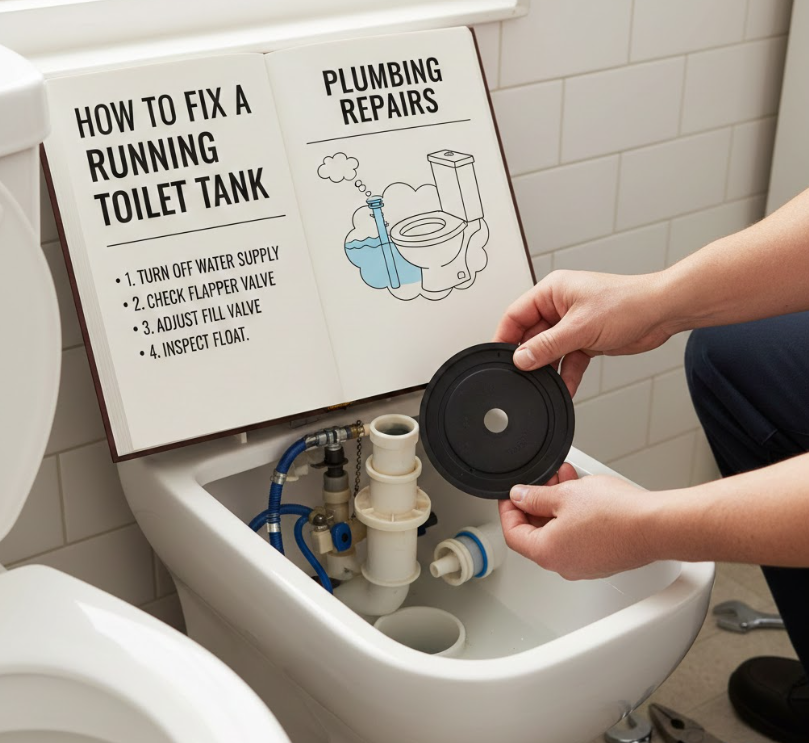
The toilet tank controls water storage and release. When internal components fail, the tank refills repeatedly, causing constant running. Learning how to fix a running toilet tank helps prevent wasted water and mechanical wear.
Tank issues often stem from flapper problems, incorrect water levels, or damaged valves.
Effective Solutions for Toilet Tank Problems
• Inspect the flapper for leaks
A damaged or warped flapper allows water to seep into the bowl continuously. Replacing the flapper often fixes the problem instantly.
• Check chain length and positioning
Chains that are too short hold the flapper open, while overly long chains get stuck. Proper slack ensures correct sealing.
• Adjust the water level
If water rises above the overflow tube, it drains continuously. Adjusting the fill valve float prevents overflow.
• Examine the overflow tube
Cracks or improper height can cause silent leaks. Ensuring correct tube placement stabilizes water levels.
• Clean mineral buildup
Hard water deposits prevent seals from closing tightly. Gentle cleaning restores proper function.
• Replace worn tank components
Older toilets benefit from tank repair kits that replace multiple worn parts at once.
Also Read:- How to Attract Birds: A Complete Guide for Feeders, Yards, Gardens, and Bird Baths
How to Fix a Running Toilet Without a Ball Float
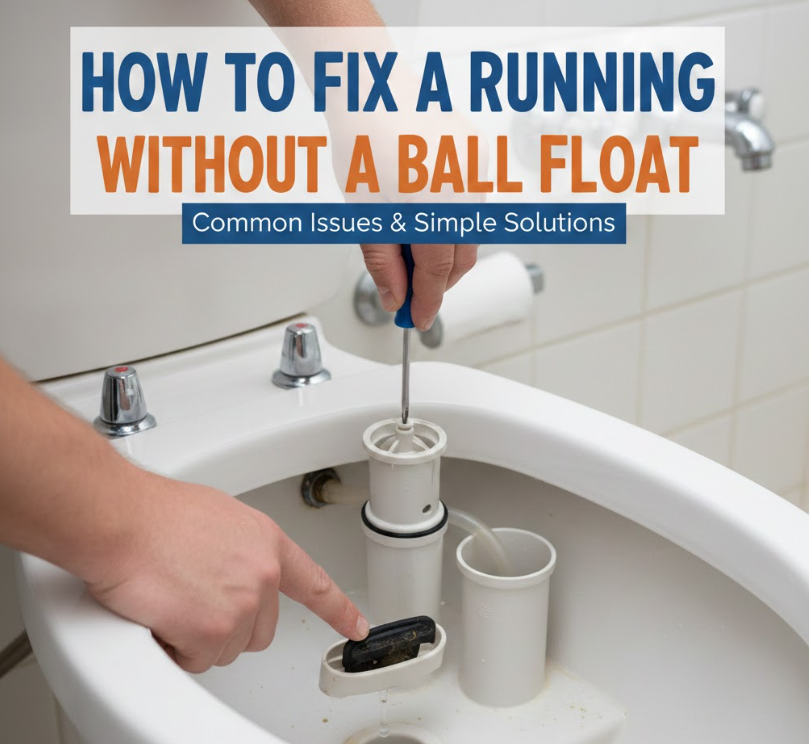
Modern toilets often use float cups or pressure-assisted systems instead of traditional ball floats. Fixing a running toilet without a ball float involves inspecting newer mechanisms that control water intake.
These systems are efficient but sensitive to debris and wear.
Fixing Float Cup and Modern Toilet Systems
• Inspect the float cup movement
Float cups slide vertically on the fill valve shaft. If they stick, water keeps flowing. Cleaning restores smooth motion.
• Adjust float height properly
Improper float height causes overfilling. Adjusting the clip or screw ensures correct water shutoff.
• Check fill valve seals
Internal seals wear out over time, allowing constant refill. Replacement restores water control.
• Flush debris from the valve
Sediment blocks proper sealing. Flushing the valve clears obstructions.
• Confirm correct water pressure
Excess pressure strains valves. Installing a pressure regulator prevents repeated failures.
• Test with repeated flushes
Multiple test flushes ensure consistent stopping behavior.
Also Read:- How to Cut a Dragon Fruit: Complete Step-by-Step Guide for All Varieties
How to Fix a Running Toilet Fill Valve
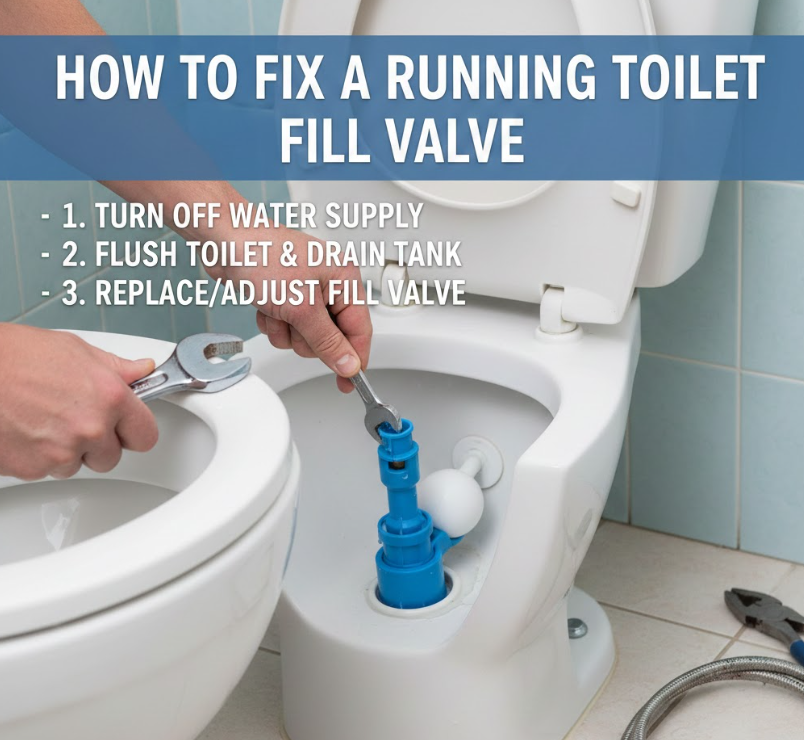
The fill valve controls how water enters the tank. A faulty fill valve is one of the most common causes of running toilets. Learning how to fix a running toilet fill valve saves time and money.
Fill valves wear out gradually, often producing hissing or refilling noises.
Fill Valve Repair and Replacement Methods
• Identify signs of valve failure
Constant hissing or delayed shutoff indicates valve wear. Early detection prevents water waste.
• Clean the valve diaphragm
Mineral buildup disrupts sealing. Cleaning restores proper function temporarily.
• Adjust float mechanism
Incorrect float settings cause continuous filling. Proper adjustment stops excess flow.
• Replace the fill valve if needed
Replacement is affordable and easy. New valves improve efficiency and reliability.
• Ensure proper installation height
Incorrect height leads to overflow issues. Proper alignment ensures correct operation.
• Verify leak-free connections
Tightening connections prevents slow leaks that mimic running behavior.
Also Read:- How to Call No Caller ID: Complete Guide to Identify, Call Back, and Manage Hidden Numbers
How to Fix a Running Toilet with a Ball Float
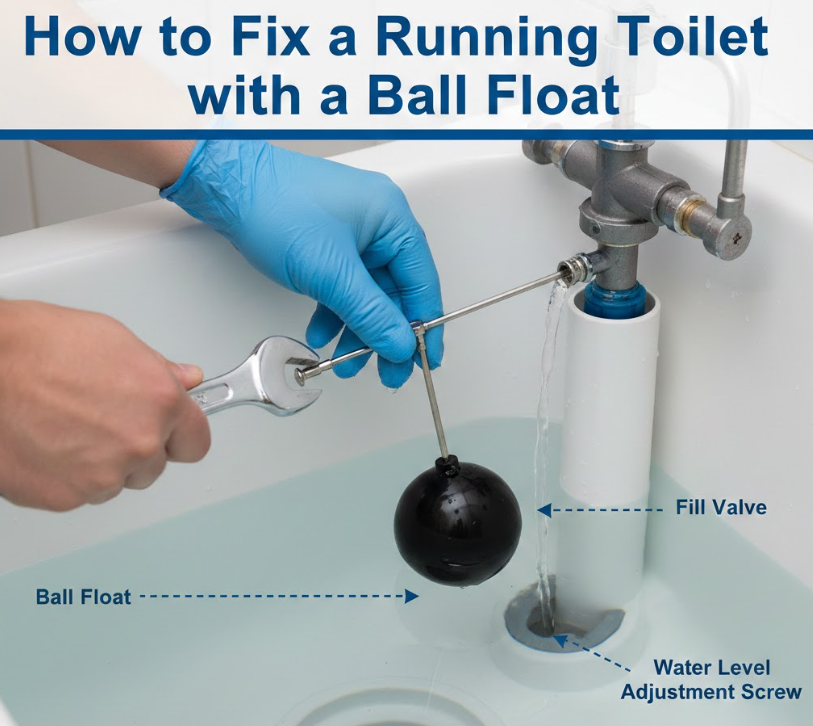
Ball float toilets are older but still common. Fixing a running toilet with a ball float usually involves adjusting or replacing this simple mechanical component.
Ball floats regulate water levels using buoyancy.
Ball Float Toilet Repair Techniques
• Adjust the float arm position
Bending the arm downward lowers water level, preventing overflow into the tube.
• Inspect float for waterlogging
Cracked floats fill with water and lose buoyancy. Replacement is necessary.
• Check valve seating
Poor seating causes slow leaks. Proper alignment restores sealing.
• Replace worn washers
Internal washers deteriorate, allowing leaks. New washers fix the issue.
• Clean sediment buildup
Debris interferes with movement. Cleaning improves reliability.
• Test water shutoff function
Confirm float stops filling at correct level.
Also Read:- How to Unsend an Email in Outlook: Complete Guide for All Devices
How to Fix a Running Toilet (YouTube Learning Considerations)
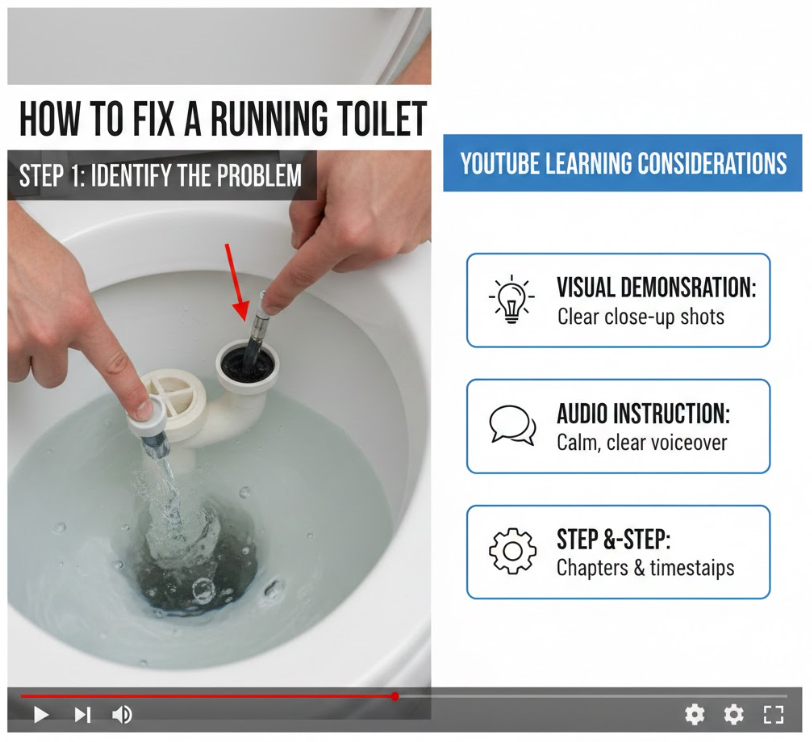
Many homeowners search how to fix a running toilet YouTube to visualize repairs. While videos are helpful, understanding the process ensures safe and correct fixes.
Using video guidance effectively requires preparation.
Using Video Tutorials the Right Way
• Choose reputable plumbing channels
Licensed plumbers provide accurate demonstrations.
• Match video to your toilet type
Different toilets require different repairs.
• Pause and follow step-by-step
Avoid rushing through steps.
• Read comments for common mistakes
Viewer feedback highlights pitfalls.
• Combine video with written guides
Written instructions clarify measurements and parts.
• Always shut off water before repairs
Safety and flood prevention come first.
Also Read:-How to Get Rid of Chipmunks: A Complete, Humane & Effective Guide
Conclusion: Fixing a Running Toilet the Smart Way
Learning how to fix a running toilet empowers homeowners to save water, reduce utility costs, and prevent long-term damage. Most running toilet issues stem from simple mechanical failures that can be fixed with basic tools and minimal expense. Whether your toilet uses a button flush, fill valve, or ball float, timely maintenance ensures efficiency and peace of mind.
A silent, efficient toilet isn’t just convenient—it’s responsible homeownership.
FAQs
How much water does a running toilet waste?
A running toilet can waste up to 200 gallons per day.
Is it safe to fix a toilet yourself?
Yes, most fixes are simple and safe if water is shut off first.
When should I call a plumber?
If leaks persist after replacing parts, professional inspection is recommended.
For More Updates Visit: Biomagazine
