

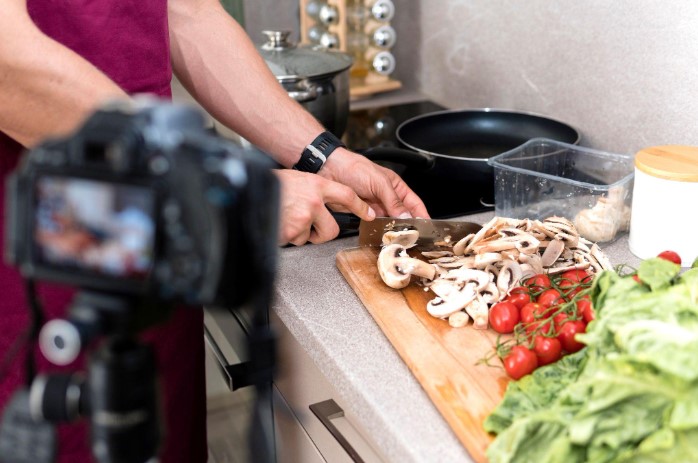
The cooking show has always done something other genres of television find difficult: it gives viewers a clear basis for judgment. You do not need to understand a contestant’s emotional backstory to know whether a soufflé has collapsed or a sauce is overseasoned. The visual and conceptual language of food is accessible in a way that, say, the technical demands of a dance competition or the strategic complexity of a business reality show are not. When a MasterChef contestant plates a dish that looks wrong, viewers know it looks wrong, even if they could not explain exactly why. That shared competence is the engine behind the genre’s growth, and it has fundamentally changed what audiences expect from themselves when they sit down to watch.
The scale of culinary television is worth appreciating before examining what it has done to viewers. The MasterChef franchise alone has been adapted into more than 60 countries and, according to Guinness World Records, holds the title of the most successful cookery television format in history. The Great British Bake Off drew 14.8 million viewers for its 2016 finale in the UK, a figure that rivals major sporting events. In Australia, MasterChef has generated some of the highest non-sporting ratings in the country’s television history, with finales drawing audiences that sustained water-cooler conversation for days afterward. The Food Network averages around one million primetime viewers in the US alone. These are not niche numbers. Culinary television has become one of the most broadly consumed genres on the planet.
What makes this growth interesting is not simply the size of the audience but the quality of its engagement. Viewers of cooking shows do not watch passively. They evaluate, predict, and disagree. The mystery box challenge produces arguments about ingredient combinations. The pressure test produces disagreements about time management. The elimination decision produces appeals. This phenomenon has been covered by some of our journalists, who have explored how television chefs like Si King of the Hairy Bikers built their audiences not through passive instruction but through a sense of shared participation, with viewers feeling invested in outcomes rather than simply entertained by them. That participatory quality, once considered a feature of sport rather than food television, is now central to how the genre is produced and consumed.
The shift has a structural explanation. The competition format, pioneered in its modern form by the original MasterChef and refined through dozens of iterations, introduced narrative stakes that instructional cooking shows had never needed. When a contestant faces elimination, the viewer becomes a judge: would I have saved this person? Was that dish really worse than the other one? The judging panel on screen articulates one verdict, but every viewer reaches their own simultaneously. Repeated across multiple episodes and seasons, this process trains viewers to hold opinions about cooking with the same conviction they might hold about a refereeing decision in rugby. The result is an audience that is not only larger but more opinionated, more literate, and more engaged than food television had ever produced before.
When cooking became something to bet on
The competitive intensity that culinary television generates has extended into territory that might once have seemed unlikely. Sport has always been the natural home of wagering, precisely because it offers defined outcomes, measurable stakes, and an audience invested enough to care about the result. Cooking competition shows have developed all three of those qualities over the past two decades. The question of can you bet on MasterChef is now a practical one with a practical answer: novelty betting markets for reality television, including cooking competitions, are offered by a range of Australian bookmakers, reflecting the same viewer investment that makes sport betting viable. An audience that spends twelve weeks forming strong opinions about which contestant deserves to win has already done the emotional work that makes a bet feel meaningful.
This development is not incidental. It reflects something genuine about how culinary television has repositioned itself in the broader entertainment landscape. The Great British Bake Off is now as much a national conversation as a Premier League match weekend in the UK: people who have never baked a scone discuss the technical challenge as if they have been practising all week. MasterChef Australia finales attract live-tweeting volumes that rival major sporting fixtures. The contestants are known by first name, their eliminations discussed with the same mix of outrage and resignation that follows a sporting result that did not go your way. The mechanics of fandom that the sports industry spent a century developing have been replicated, largely organically, by food television.
What culinary television accomplished, across three decades of refinement, was the democratisation of expert judgment. Cooking is something almost everyone does at some level, which means almost everyone has a baseline of competence from which to evaluate what they are watching. Unlike a gymnastics routine or a chess match, where the viewer’s ability to judge is limited by the technical depth of the discipline, a cooking competition offers constant access points. The overcooked protein, the underseasoned sauce, the beautiful plating: these are legible to most viewers without requiring specialised knowledge. The shows understood this and built their formats around it, training audiences to trust their own assessments, season after season, until the average viewer of a cooking show genuinely believes their opinion about the elimination decision is as valid as the judges’ own. In most cases, they are probably right.
