

Outsourced opinions are convenient, but they always answer someone else’s question. A rating tells you how the crowd felt or how a platform scored a service — not whether it meets the standards you personally care about. The most durable protection a consumer can build is a checklist of their own: a short, explicit set of criteria you apply consistently, every time, regardless of how loud the marketing or how shiny the badge. Building one is simple, and once you have it, you’ll never read a rating the same way again.
Why a Personal Checklist Beats a Borrowed Score
The strength of your own checklist is that it reflects your priorities, weighted your way. A published score might rank a service highly for popularity while quietly ignoring the refund policy that happens to matter enormously to you. When you carry your own criteria, you evaluate rather than absorb. You become harder to sway with atmosphere and easier to satisfy with substance. A checklist also makes you consistent — you stop judging one service generously because you’re in a good mood and another harshly because an ad annoyed you. Consistency is what turns scattered impressions into a real assessment.
The Core Categories to Include
A useful checklist covers a handful of dimensions. Start with transparency of cost: can you see the full price before committing, including how per-minute or per-session charges add up, or is the real cost hidden until you’re already invested? Murky pricing is one of the most reliable warning signs in the entire field, because a service confident in its value rarely needs to obscure what that value costs. The harder it is to find a straight answer about money, the more likely the answer is one you wouldn’t have liked.
Next, freedom to disengage: can you end a session whenever you want without guilt-trips, pressure, or escalating warnings about what you’ll miss? A service that respects your right to stop respects you. One that fights your exit is optimizing for revenue over your wellbeing.
Then honesty about limits: does the service make clear what it offers and refrain from absolute promises about the future, health, or money? Responsible providers acknowledge uncertainty. The ones declaring guaranteed outcomes are telling you something important about their relationship with the truth.
Add refund and dispute terms: are they written plainly, and are they actually honored according to other people’s reports? A generous policy that nobody can ever invoke is theater. Finally, include boundary and pressure behavior: does the experience push you toward longer sessions, repeat purchases, or fear-based add-ons? Pressure is the single most common complaint pattern, and it’s worth its own line on your list.
Turn Criteria Into Yes-or-No Questions
Vague values are hard to apply, so convert each category into a concrete, answerable question. Not “is it transparent?” but “could I see the total cost before paying?” Not “is it ethical?” but “did it avoid promising specific outcomes?” Binary questions force honesty. They’re also far harder to rationalize away when you’re tempted by something appealing but flawed. A list of crisp yes-or-no items gives you a score you computed yourself — the only score that fully reflects what you actually need.
Weight What Matters Most to You
Not every item deserves equal influence. Decide which of your questions are dealbreakers and which are merely nice-to-haves. For one person, the ability to stop a session freely might be absolute, while a slightly opaque pricing page is tolerable. For another, the reverse. By marking your non-negotiables, you prevent a service from passing on points — racking up minor positives while failing the one thing you cannot compromise on. A dealbreaker failed is a fail, no matter how many smaller boxes get ticked.
Test the Checklist Against Reality
A checklist is a hypothesis until you use it. Run it against a real interaction — a trial, a small first purchase, a single question — and see how the service behaves under actual conditions. Did the price match the page? Could you leave when you wanted? Was the language honest or hedged with grand claims? Lived experience either confirms your paper assessment or reveals the gap between the promise and the practice. Update your checklist as you learn; the items you didn’t think to include are usually the ones a bad experience teaches you.
Use External Ratings as Raw Material, Not Conclusions
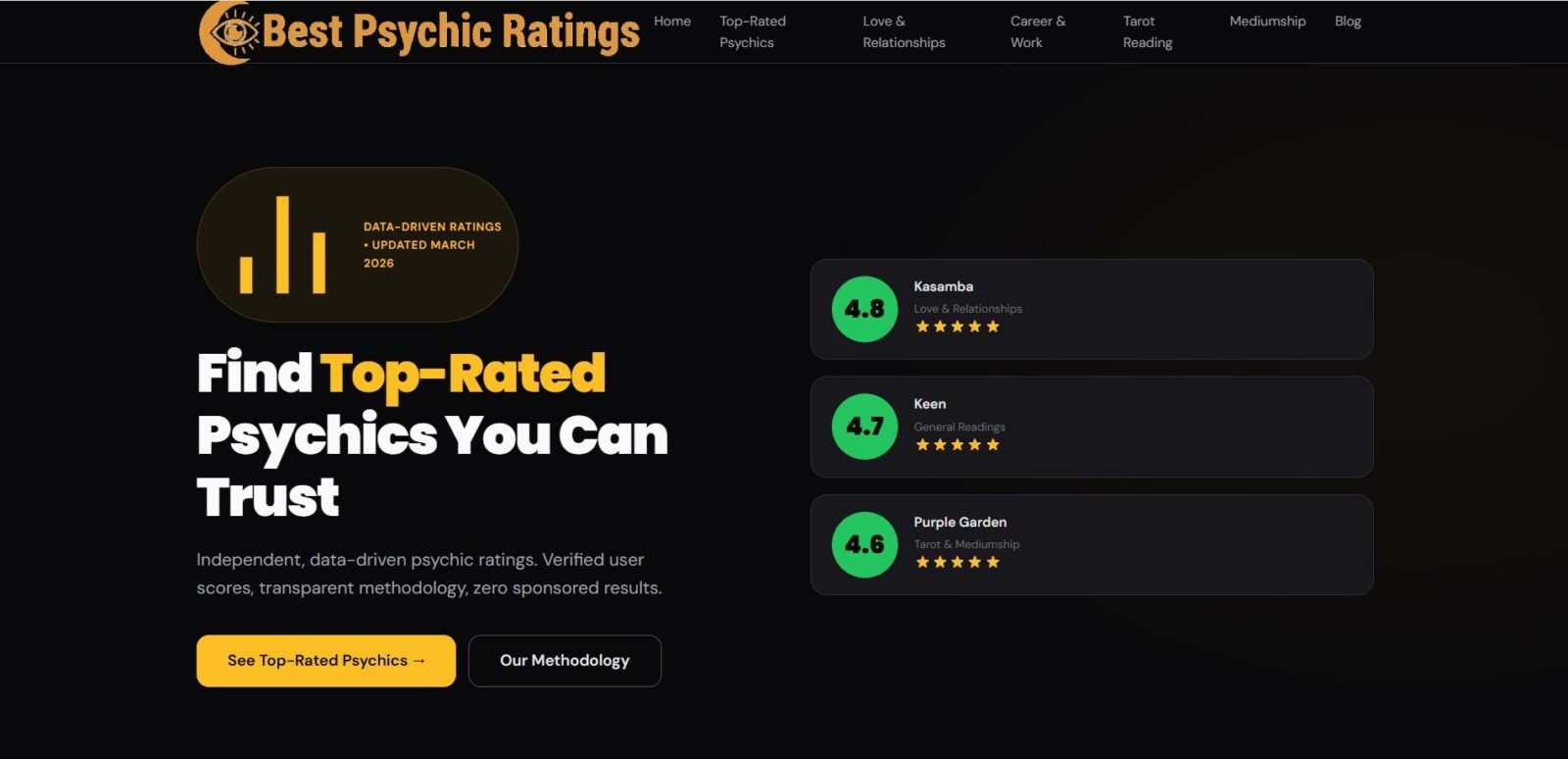
Your checklist doesn’t replace outside information — it processes it. Published ratings and aggregated reviews become inputs you feed through your own questions rather than verdicts you accept whole. When you’re assembling that raw material, drawing on a source of best psychic ratings that compiles verified feedback under a consistent methodology gives you a richer pool of evidence to run through your criteria, instead of relying on one stray comment or a single glossy claim. The ratings supply the data; your checklist supplies the judgment.
Keep It Short Enough to Actually Use
A checklist you never apply protects no one. Resist the urge to make it exhaustive. Five to seven sharp questions you genuinely use beat twenty you abandon at the first sign of effort. The goal is a tool light enough to carry into every decision — something you can run through in a couple of minutes before you commit your money or your trust.
In the end, building your own checklist is an act of taking responsibility back from the crowd and the algorithm. Ratings will always be part of the picture, but they answer the world’s question. Your checklist answers yours — and that’s the one that actually matters when the decision is real.
