

Receiving a call labeled as No Caller ID can be confusing, frustrating, or even alarming. Many people immediately wonder how to call no caller ID, whether the call can be traced, or if it is even safe to respond. These calls often come from private individuals, businesses protecting their identity, or in some cases, spam and scam operations. Because the number is hidden, users are left without clear information on how to proceed.
Learning how no caller ID works is essential before attempting to call back or identify the caller. Caller ID masking is a legitimate feature supported by mobile carriers worldwide, designed to protect privacy. However, it can also be misused, which makes understanding your options even more important. Calling back incorrectly or using unreliable methods can expose you to risks or legal issues.
This in-depth guide explains how to call no caller ID, how to call back hidden numbers, what to do on iPhone, how blocked calls behave, and what tools are safe and effective. The article also covers privacy laws, real-world examples, and best practices to help you make informed decisions.
What Does “No Caller ID” Mean?
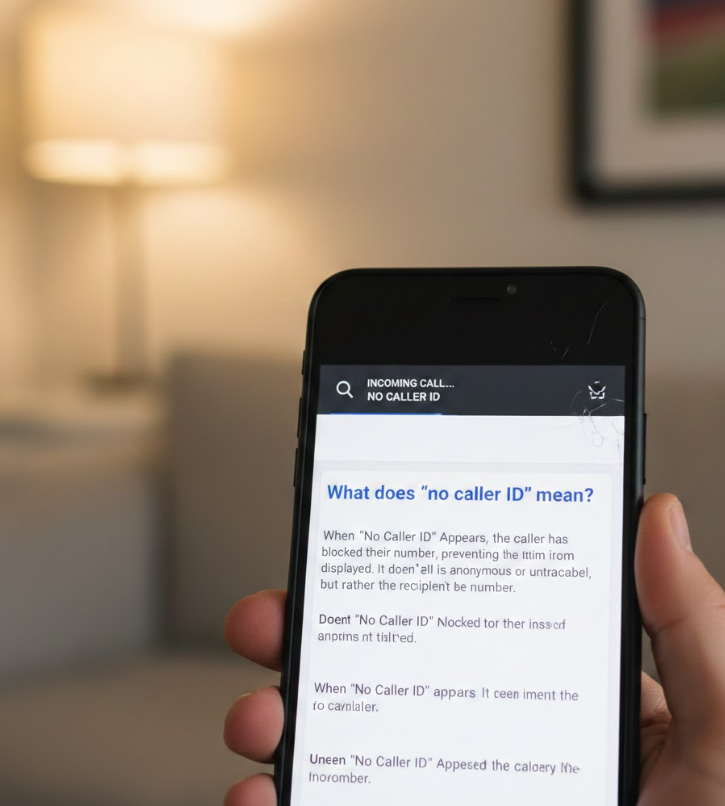
A No Caller ID call occurs when the caller intentionally hides their phone number from the recipient. Instead of displaying a phone number, the screen shows “No Caller ID,” “Private Number,” or “Unknown Caller.”
Why Callers Hide Their Identity
People may block their caller ID for privacy, security, or professional reasons. Doctors, law enforcement, businesses, and individuals may all use this feature legitimately.
How Caller ID Blocking Works Technically
Caller ID blocking works at the network level. The phone carrier suppresses the caller’s number before transmitting the call to the recipient’s device.
Common Misconceptions About No Caller ID
Many users believe no caller ID calls are always scams. While scams exist, many calls come from real people using privacy features responsibly.
Also Read:- How to Unsend an Email in Outlook: Complete Guide for All Devices
How to Call No Caller ID Back
Understanding the Limitations of Calling Back
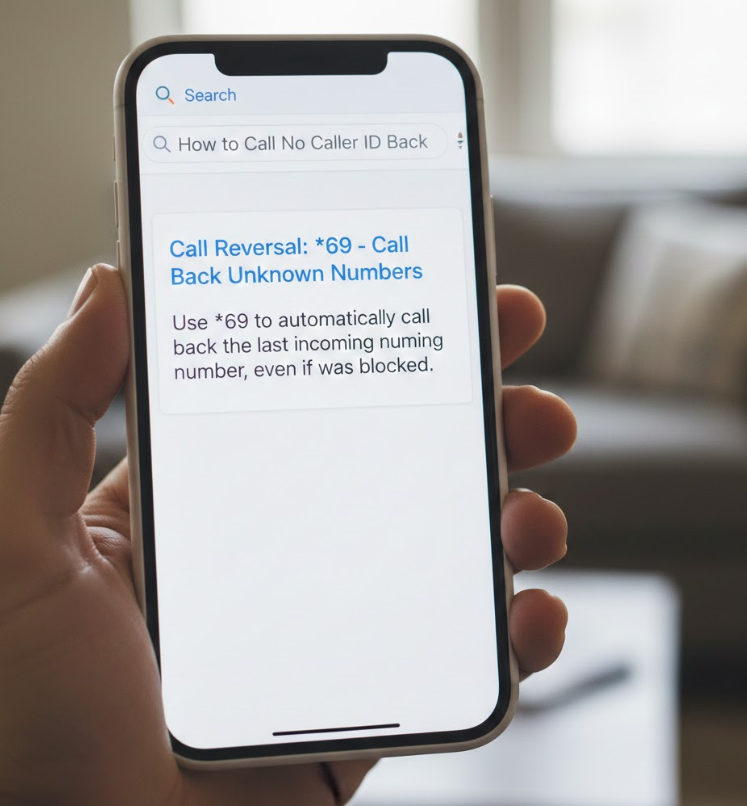
Calling back a no caller ID number directly is not possible because the number is hidden. There is no visible phone number to dial.
What Happens When You Try to Return the Call
When you tap “call back,” the phone cannot reconnect because no number is stored. The call simply fails or does nothing.
Alternative Methods to Identify the Caller
• Using carrier call trace services
• Contacting your mobile network provider
• Checking voicemail messages
• Using call screening features
When Calling Back Is Not Advisable
If the call seems suspicious, repeated, or threatening, calling back may expose you to fraud or harassment.
Safe Actions to Take Instead
• Let the call go to voicemail
• Enable spam filtering
• Report repeated calls to your carrier
Also Read:-How to Get Rid of Chipmunks: A Complete, Humane & Effective Guide
How to Call No Caller ID on iPhone
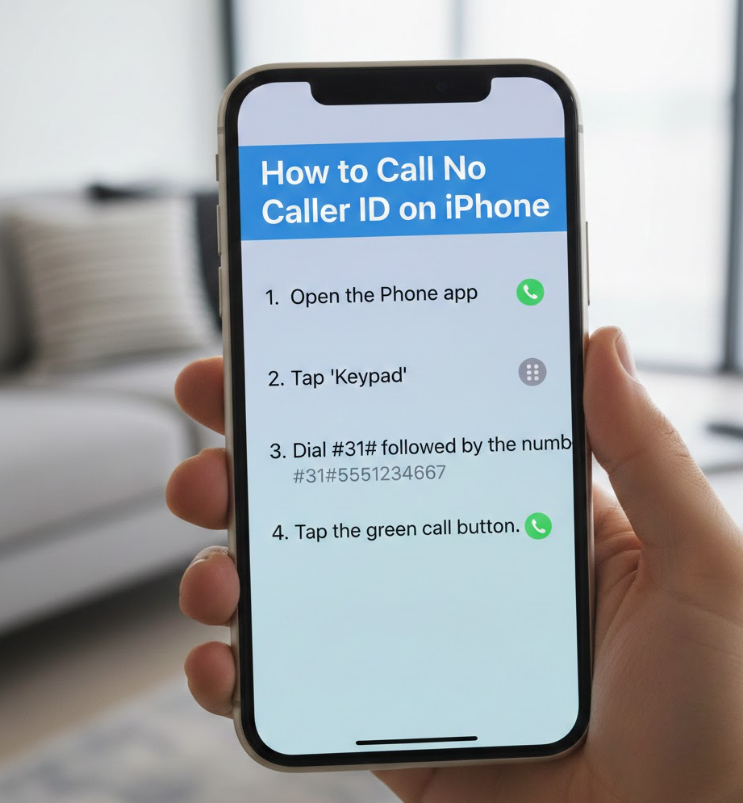
How iPhone Handles No Caller ID Calls
iPhones respect network-level caller ID blocking and cannot reveal hidden numbers by default.
Can iPhone Show Hidden Caller Numbers?
Apple does not allow apps or settings that reveal no caller ID numbers due to privacy laws.
iPhone Settings That Help Manage These Calls
• Silence Unknown Callers
• Filter Unknown Senders
• Focus Mode Call Controls
How Silence Unknown Callers Works
This feature automatically sends unknown and no caller ID calls to voicemail while still logging them.
Best iPhone Practices for Privacy Protection
• Keep iOS updated
• Avoid third-party “spy” apps
• Use carrier-verified tools only
Also Read:- How to Flush Water Heater: A Complete Homeowner’s Maintenance Guide
How to Call No Caller ID If Blocked
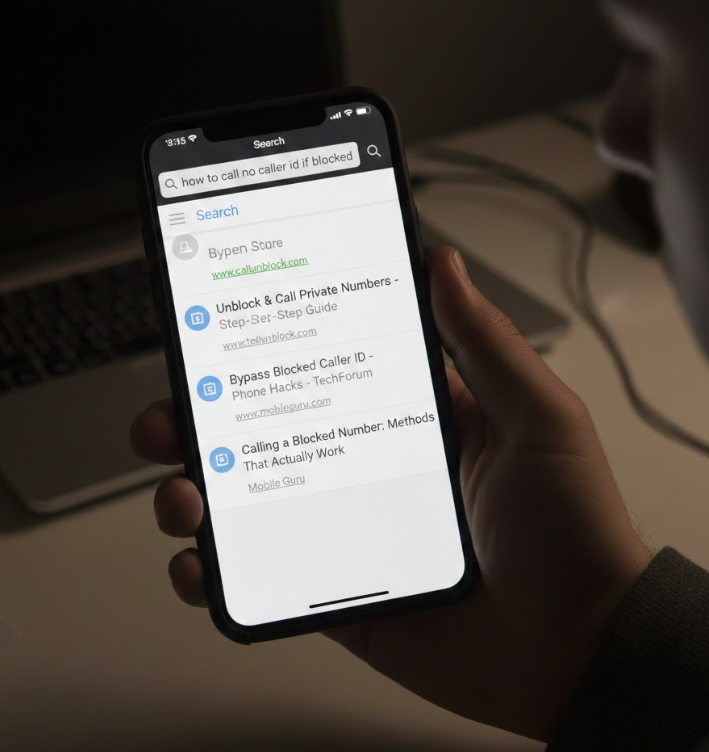
Understanding Call Blocking Behavior
When you block no caller ID calls, your phone rejects all calls without visible numbers.
Can Blocked No Caller ID Call You Back?
Yes, but they will be automatically rejected unless settings are changed.
Is It Possible to Call Them Back After Blocking?
No, blocking does not reveal the hidden number or create a call history entry you can dial.
Temporary Unblocking Explained
You can disable blocking settings to receive future calls, but past calls remain untraceable.
When Blocking Is the Best Option
• Harassment calls
• Repeated unknown calls
• Scam or robocall patterns
Also Read:- How to Grow Asparagus: A Complete Step-by-Step Guide for Beginners and Experts
How to Call No Caller ID Number Using Carrier Services
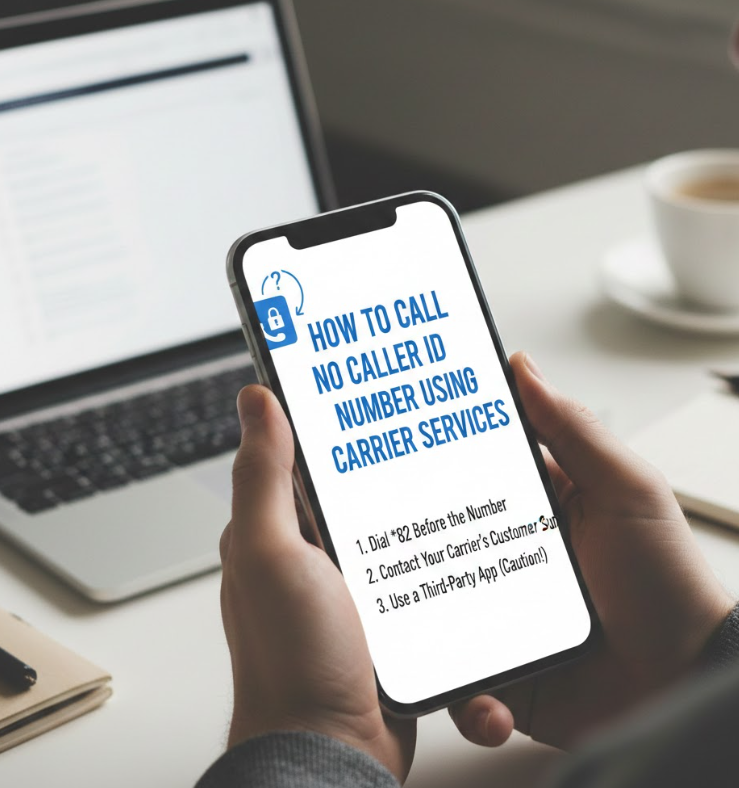
Carrier Call Trace Services Explained
Some carriers offer call trace features that log the hidden caller’s number internally.
How Call Trace Works
After receiving a call, dialing a specific carrier code records the incoming number for investigation.
Availability by Region
Call trace availability depends on country and mobile provider policies.
Legal and Privacy Considerations
Carriers will not share the number directly but may act if harassment is confirmed.
When to Use Carrier Support
• Threatening calls
• Repeated harassment
• Business or legal concerns
Also Read :- How to Stop Sneezing: A Complete, Doctor-Reviewed Guide for Instant and Long-Term Relief
Legal and Privacy Considerations Around No Caller ID
Is It Legal to Hide Caller ID?
Yes, in most countries, blocking caller ID is legal for privacy reasons.
When It Becomes Illegal
Using no caller ID for harassment, fraud, or threats may violate local laws.
Laws Protecting Caller Privacy
Telecom regulations prioritize user privacy and restrict unauthorized tracking.
Risks of Using Third-Party Tracking Apps
Many apps claiming to reveal hidden numbers are scams or violate privacy laws.
How to Stay Legally Safe
• Use carrier-approved services
• Avoid illegal tracking tools
• Report abuse properly
Also Read:- How to Get Rid of Carpenter Bees: The Complete Expert Guide
Tools and Apps: What Works and What Doesn’t
Call Identification Apps Explained
Apps like Truecaller identify known spam but cannot reveal no caller ID numbers.
Why Apps Cannot Reveal Hidden Numbers
Caller ID blocking occurs before the call reaches the device.
Scam Apps to Avoid
Apps promising “reveal no caller ID” often steal data or charge hidden fees.
Trusted Solutions Only
Carrier tools and built-in phone features are the safest options.
Expert Recommendation
Never grant sensitive permissions to unverified apps.
Also Read:- How to Shrink Jeans: A Complete, Expert-Backed Guide for Perfect Fit
Best Practices for Handling No Caller ID Calls
Smart Response Strategies
• Do not answer suspicious calls
• Let unknown calls go to voicemail
• Keep records of repeated calls
Personal Safety Tips
Avoid engaging with aggressive or silent callers.
Business Phone Considerations
Businesses should use call screening and logging systems.
Psychological Aspect of Unknown Calls
Anxiety caused by unknown calls is common; automation helps reduce stress.
Long-Term Prevention Measures
• Enable spam filters
• Register with do-not-call lists
• Keep carrier protections active
Conclusion:
Understanding how to call no caller ID requires accepting an important truth: hidden numbers are designed to protect privacy, and in most cases, they cannot be called back directly. While this can feel limiting, it is a necessary safeguard in modern telecommunications. Instead of focusing on calling back, users should prioritize safety, privacy, and smart call management.
Using built-in phone features, carrier services, and legal reporting channels provides far more protection than attempting risky workarounds. Whether you are using an iPhone, dealing with blocked calls, or trying to identify a repeated no caller ID caller, the safest approach is informed caution and prevention.
By following the strategies in this guide, you can confidently manage no caller ID calls without compromising your security or peace of mind.
FAQs:
Can I call back a no caller ID number?
No, the number is hidden and cannot be dialed back directly.
Are no caller ID calls always scams?
No, many legitimate callers use privacy blocking.
Can apps reveal no caller ID numbers?
No legitimate app can bypass carrier-level blocking.
What should I do if calls continue?
Contact your mobile carrier or local authorities if harassment occurs.
For More Updates Visit: Biomagazine
