

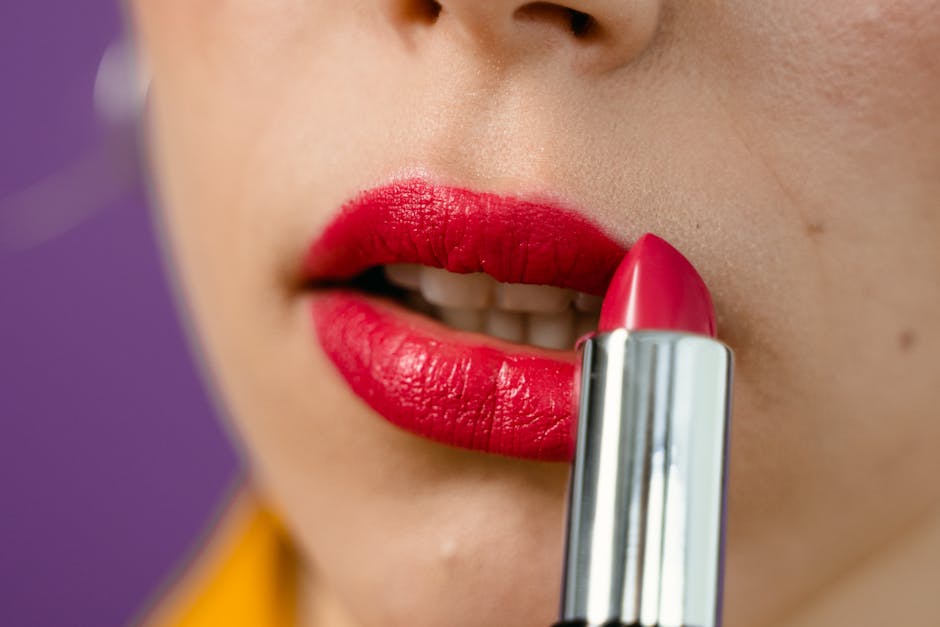
For centuries, lipstick has held a magnetic allure and transformative power, shaping not just the aesthetics but also the socio-cultural narratives across civilisations. With roots tracing back to ancient Mesopotamia, this cosmetic staple has evolved to embody personality, empowerment, and expression. As one navigates the vast array of options today, platforms like iShopChangi provide an expansive selection to explore this faceted beauty product.
Historical Significance of Lipstick
Lipstick’s history can be traced to around 5,000 years ago, when ancient Sumerian men and women crushed gemstones to decorate their lips. Fast forward to the ancient Egyptians, who used a blended concoction of red ochre and other natural resources. The famous Cleopatra, often attributed with many beauty innovations, allegedly used a mixture of crushed ants and carmine in beeswax for her iconic red lips. The bold, pigmented lip colours not only served aesthetic purposes but also held symbolic meanings, often linked to status and seduction.
In the Western world, lipstick’s journey has been turbulent. During the reign of Queen Elizabeth I, it became fashionable among noble women. However, it endured periods of decline, especially during the conservative 19th century, when it was considered inappropriate outside the stage. The advent of the women’s rights movement in the early 20th century revitalised its status, turning lipstick into a symbol of liberation and modern womanhood.
The Science Behind Lipstick Formulations
Modern-day lipsticks are a testament to scientific advancement, composed of a meticulous blend of waxes, oils, and pigments. Waxes provide shape and ease of application, oils offer moisture and texture, and pigments convey the vibrant, rich hues that consumers desire. Innovations in chemistry have enabled the formulation of long-lasting, smudge-proof, and hydrating lipsticks that cater to a wide range of preferences and needs.
The formulation process begins with the dissolution of oil-soluble dyes, then combining waxes such as beeswax, carnauba, and ozokerite to create a solid base. Emollients like lanolin or cocoa butter ensure smooth application and hydration. Modern lipsticks also include antioxidants and vitamins A, C, and E to offer added nourishment and protection for the lips.
Cultural Impacts and Movements
Lipstick has been more than just a cosmetic item; it has played pivotal roles in various cultural movements. Red lipstick, in particular, was adopted by suffragettes in the early 1900s as a mark of defiance and solidarity. During World War II, cosmetics were seen as a morale booster, with advertisements urging women to maintain their appearance as a patriotic gesture.
The latter half of the 20th century saw lipstick respond to changing cultural sentiments. The 1970s and 1980s introduced daring trends with bold, unconventional colours reflecting the rebellious spirit of the times. Today, lipstick remains a central feature in campaigns advocating for diversity and self-expression, supporting broader narratives about gender, identity, and individuality.
Diverse Shades and Textures
Lipstick’s palette has expanded remarkably, now offering shades and textures that range from velvety mattes to glossy sheens. This diversity empowers individuals to tailor their lip looks to personal preferences, occasions, and even moods. Matte lipsticks provide a sophisticated elegance with a non-reflective finish, ideal for professional settings, while glosses offer a youthful, radiant appeal.
The development of liquid lipsticks witnessed a surge, combining the rich pigment of traditional lipstick with the fluid application of glosses. For those seeking a balance, satin lipsticks strike an equilibrium with moderate sheen and high hydration. Innovation isn’t limited to textures; technology in pigmentation allows for a spectrum of hues that celebrate skin tone diversity and encourage experimentation.
The Ethical Dimension: Sustainability and Cruelty-Free Practices
With the beauty industry’s increasing focus on sustainability, lipstick formulations and packaging have undergone significant eco-conscious transformations. An increasing number of brands are committed to cruelty-free testing and ethical sourcing of ingredients, opting for vegan alternatives and environmentally friendly practices. Biodegradable packaging materials and refillable lipstick cases represent steps toward reducing waste and promoting environmental stewardship.

Moreover, ethically sourced mica, a key ingredient for shimmer in lipsticks, is gaining attention. Initiatives ensure fair wages and safe working conditions for workers in mica mines, often located in regions with substandard labour practices. Conscious consumers are actively supporting brands that uphold these ethical standards, driving a shift towards greater sustainability in the beauty industry.
The Future of Lipstick
As technology and consumer preferences evolve, the future of lipstick promises exciting advancements. The integration of technology has introduced customisable lipstick shades and formulations, tailored to match an individual’s unique style and complexion. Augmented reality applications enable consumers to virtually try on lipstick shades, enhancing the shopping experience and personalising the selection process.
Additionally, innovations in biochemistry suggest that we might soon see lipsticks that offer health benefits beyond aesthetics. With active ingredients like hyaluronic acid and peptides, the next generation of lipsticks could promote collagen production, plumpness, and lip health while maintaining vibrant pigmentation and durability.
In conclusion, the world of lipstick is as diverse and dynamic as ever, reflecting evolving cultural narratives and scientific progress. From its storied history to modern advancements, lipstick remains a beloved cosmetic, celebrated for its ability to empower and adorn, transcending mere beauty to become a powerful cultural artefact.