

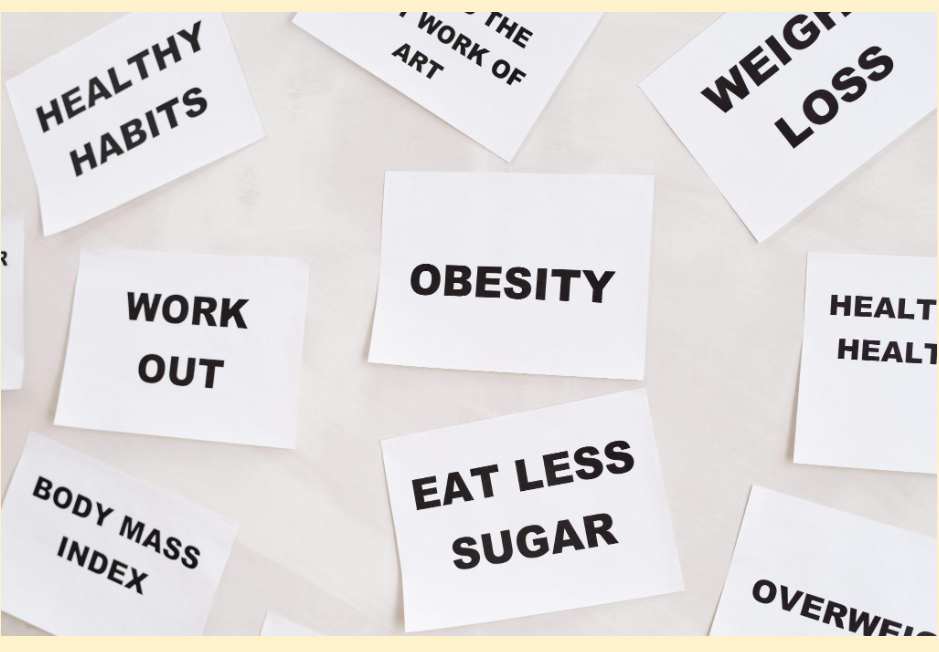
Wellness content now moves through short influencer posts, videos, newsletters, podcasts, and ads. A polished post about a supplement, sleep trick, hormone reset, or gut protocol may look informative, even when it gives no clinical evidence, no sample size, no author credentials, and no clear limits.
Digitisation has changed how people read information, compare services, build trust, and meet other people. For example, a reader may visit LadaDate to browse profiles and meet people who are open to thoughtful online conversations. The habit of reading tone, details, and presentation carefully helps when judging online profiles as well as wellness content online.
Warning Signs in Popular Wellness Content
Overhyped guidance tends to use urgency, certainty, and personal transformation as shortcuts. Weak content leans on dramatic language, edited images, vague authority, and simple answers to complex conditions.
Exaggerated Claims
Exaggerated claims promise fast results across many unrelated problems. A single powder, diet plan, device, or routine is presented as the answer for sleep, weight, energy, skin, anxiety, digestion, and hormones. That breadth is a warning sign because clinical evidence is normally tied to a defined outcome.
Terms such as “cure”, “detox”, “reset”, “miracle”, and “guaranteed” deserve extra scrutiny. A serious source states what was measured, who was studied, how long the trial lasted, and what result was found. Promotional content often skips those details and jumps straight to certainty.
Weak Evidence
Clinical evidence depends on design, not excitement. A testimonial, animal study, lab result, or tiny pilot trial does not carry the same weight as a well-designed human study with a clear comparison group. Sample size also matters because ten volunteers cannot represent a broad population.
Evidence quality becomes easier to judge when the post gives enough detail to check the source:
- A study title or journal name allows readers to find the original paper.
- Participant details show whether the research involved adults, children, patients, or healthy volunteers.
- A comparison group shows whether the result was tested against placebo, usual care, or another intervention.
Before-and-after Photos
Before-and-after photos are powerful because they feel direct. Lighting, posture, clothing, camera angle, dehydration, editing, time gaps, and selective posting change the result. A dramatic image does not show safety, sustainability, health markers, or whether the same outcome happened for other people.
Better Checks Before Trusting a Trend
A trend is easier to assess when the reader slows down and separates three questions. Who is making the claim, what evidence is offered, and what official source says something similar or different. That routine protects attention from persuasive design.
Supplement Marketing
Supplement marketing often uses scientific-sounding language without proving a medical outcome. Phrases about “supporting immunity”, “balancing hormones”, or “boosting metabolism” should be read as marketing unless a source gives human evidence and a specific measured result. Label disclaimers also deserve attention.
Products sold as natural still deserve scrutiny. Ingredients may interact with medicines, contain variable doses, or differ from what a social media post describes. Responsible content states limits, avoids disease-treatment promises, and separates general nutrition claims from medical claims.
Several marketing details show when a product page is designed to sell first and inform second:
- A countdown timer creates pressure before the reader has checked evidence.
- A bundle discount increases order size before any need is established.
- A celebrity image shifts attention from evidence to recognition.
- A customer quote replaces measurable outcomes with emotion.
- A long list of unrelated benefits stretches credibility across too many areas.
Social Media Trends
Social media health trends spread through repetition. A routine appears in many clips, gains a memorable name, and then looks credible because it feels familiar. Popularity is not the same as accuracy, especially when the format rewards shock, speed, and personal confession.
Short videos leave little room for sample size, harms, exclusions, or uncertainty. A clip about cortisol, gut health, blood sugar, or inflammation may use real terms while presenting a simplified message. The safer reading habit is to treat viral content as a prompt for research, not as a final answer.
Official Guidance
Official guidance gives a useful comparison point because it is written for public safety and reviewed through formal processes. NHS pages, NICE guidance, MHRA safety notices, government public health material, and recognised medical charities provide clearer context than anonymous posts or sales pages.
A Stable Reading Habit
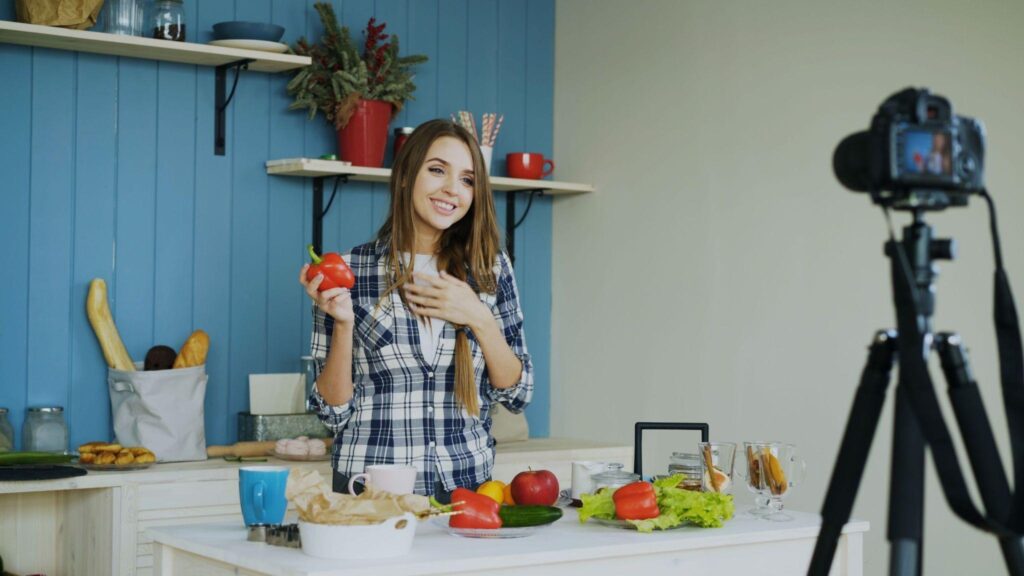
Overhyped wellness advice works because it feels simple at the exact moment a reader wants certainty. Better judgement starts with specific checks: evidence quality, sample size, credentials, disclosure, image context, and agreement with official guidance. None of those checks require expertise.
The strongest habit is to pause before sharing, buying, or changing behaviour based on one post. Save the link, look for the original source, check who benefits financially, and compare the message with recognised public information. Careful reading keeps curiosity useful and reduces the chance that persuasive content becomes a poor decision.
