

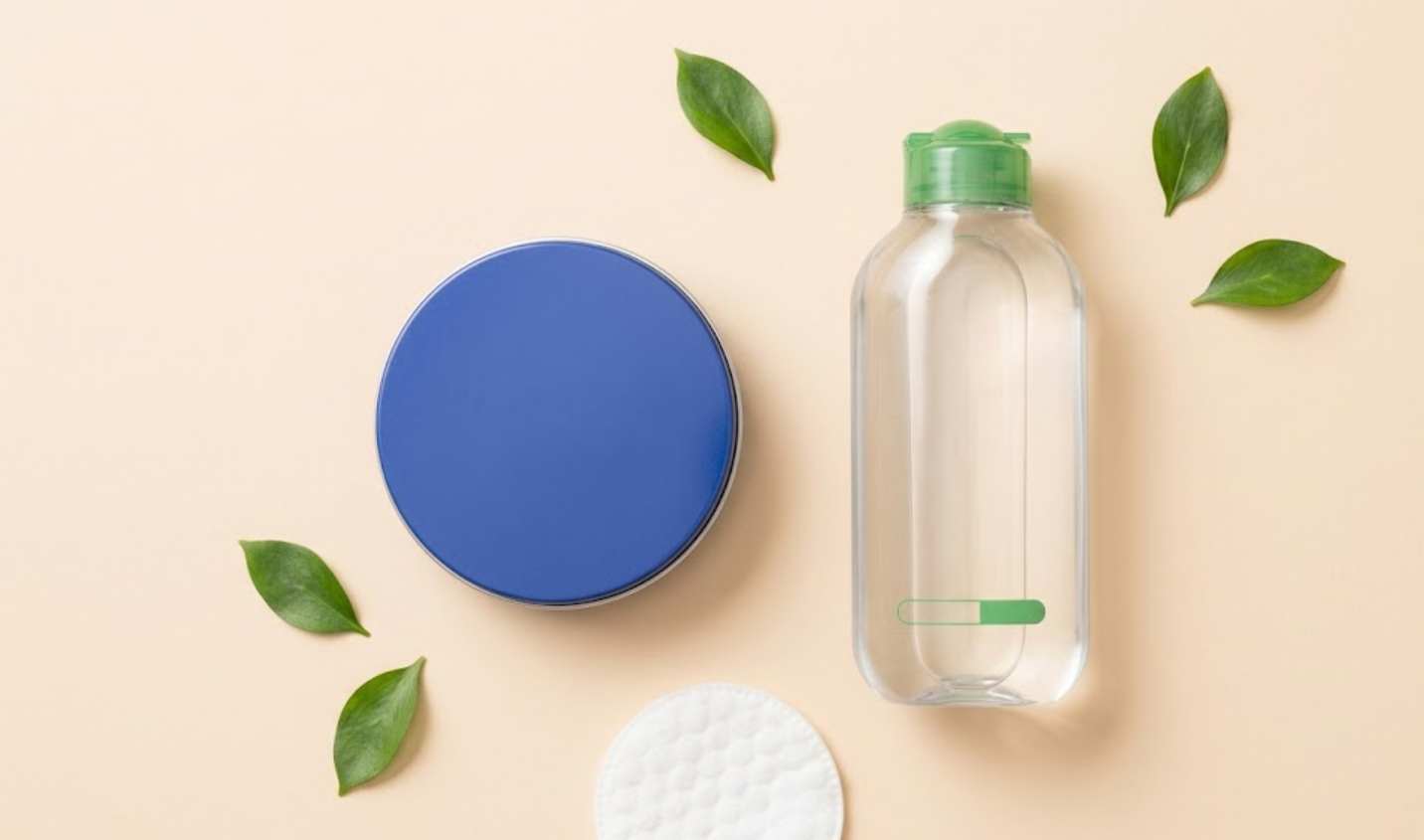
If you’re standing in the skincare aisle thinking, “I’m a skincare beginner — is Nivea a good starting brand compared to Garnier?” — you’re asking exactly the right question. Both brands are everywhere, both are affordable, and both promise glowing results on the label. But they are not the same, and picking the wrong one for your skin type can leave you with breakouts, dryness, or wasted money.
The short answer is this: Nivea is the safer starting brand if your skin is dry, sensitive, or in need of basic hydration. Garnier is the better starting brand if your skin is oily, acne-prone, or you mainly need a reliable cleanser. Neither brand is universally “better” — they solve different problems.
Below is an honest, beginner-focused comparison so you can walk out of the store with products that actually suit your face.
Quick Answer: Nivea vs Garnier for Beginners
For a true beginner, the priorities are simple — don’t break your skin barrier, don’t trigger irritation, and don’t over-complicate the routine. Here’s how the two brands stack up against that goal:
- Nivea wins on gentleness, hydration, and barrier repair. It’s a forgiving brand for someone who doesn’t yet know how their skin reacts to actives.
- Garnier wins on lightweight formulas, cleansing, and budget-friendly targeted treatments — especially for oily or congested skin.
Both are drugstore-priced, widely available, and require zero expertise to use. The decision really comes down to your skin type, not the brand’s reputation.
Why Beginners Choose Drugstore Brands Like Nivea and Garnier
Before going deeper, it helps to understand why these two brands dominate beginner routines worldwide.
Drugstore skincare exists for one reason: accessibility. You don’t need a dermatologist consult, a $90 serum, or a 10-step Korean routine to get healthy skin. A clean face, a moisturizer, and sunscreen will outperform 90% of expensive routines if used consistently.
Nivea and Garnier both deliver on the basics — cleanser, moisturizer, micellar water, body lotion — at a price point that lets beginners experiment without panic. The difference is in what each brand prioritizes in their formulas.
Nivea for Skincare Beginners — Strengths and Weaknesses
Nivea has been around since 1911, and its identity has always centered on one thing: moisture. That blue tin in your grandmother’s bathroom isn’t a coincidence — it’s the same formula that built the brand, and it tells you everything about Nivea’s approach.
What Nivea Does Best
Nivea’s strongest territory is deep nourishment, barrier repair, and basic hydration. If your skin feels tight after washing, flakes in winter, or reacts to harsh actives, Nivea is built for you.
Their classic formulas rely on time-tested humectants and emollients like glycerin, shea butter, and panthenol. These ingredients aren’t trendy, but they’re proven — they pull water into the skin and lock it there. For a beginner whose skin barrier may be already compromised by over-washing or experimenting with the wrong products, Nivea is forgiving.
Standout beginner-friendly Nivea picks:
- Nivea Soft Light Moisturizer — a lighter daily cream that works for most skin types, not just dry skin
- Nivea Creme (the blue tin) — heavy-duty repair for dry patches, elbows, and harsh winter nights (avoid using it on oily faces)
- Nivea Refreshing Face Wash — a gentle, non-stripping cleanser
Where Nivea Falls Short
Nivea is not designed for acne, oily skin, or pigmentation. Many of its facial creams feel heavy or even greasy on combination and oily skin, and they can clog pores if you’re already breakout-prone.
A second issue: fragrance. Most Nivea products contain added perfume, which gives them that signature scent but can irritate sensitive or reactive skin if used long-term. If you have rosacea, eczema, or known fragrance sensitivity, this is a real concern.
Finally, Nivea doesn’t really play in the actives space. You won’t find well-formulated retinol, vitamin C, salicylic acid, or AHA products in their lineup. For a beginner, this is actually fine — you shouldn’t be using actives in your first month anyway — but it does mean you’ll outgrow Nivea quickly if you want to target specific concerns.
Garnier for Skincare Beginners — Strengths and Weaknesses
Garnier takes a very different approach. Where Nivea is built around moisture, Garnier is built around cleansing, lightweight hydration, and targeted treatments — especially in their SkinActive and Bright Complete lines.
What Garnier Does Best
Garnier shines for oily, combination, and acne-prone skin. Their formulas tend to be lighter, water-based, and absorb quickly without leaving residue.
The single most beginner-friendly product they make is the Garnier Micellar Cleansing Water — it removes makeup, sunscreen, and daily grime without stripping the skin or requiring a complicated double-cleanse. For a beginner, this is one of the easiest wins in all of drugstore skincare.
Their SkinActive line also offers entry-level vitamin C serums, brightening creams, and targeted products for dullness and dark spots — usually at a fraction of what mid-tier brands charge.
Standout beginner-friendly Garnier picks:
- Garnier Micellar Cleansing Water (pink cap) — gentle daily cleansing, great for sensitive skin
- Garnier Micellar Water (blue cap) — stronger, better for waterproof makeup
- Garnier SkinActive Bright Complete Serum — a beginner-tier vitamin C option for dullness
Where Garnier Falls Short
Garnier’s biggest weakness is fragrance and alcohol. Many of their toners and brightening products lean heavily on denatured alcohol and added perfume, which can irritate sensitive or barrier-damaged skin over weeks of use.
Their moisturizers are also hit-or-miss. Beginners with dry skin often find Garnier creams either too light or, paradoxically, drying — because some formulas combine humectants with too much alcohol.
If you have rosacea, eczema, sensitive skin, or a damaged barrier, Garnier is not the safest first stop. Nivea will be kinder.
Head-to-Head: Nivea vs Garnier Comparison
| Factor | Nivea | Garnier |
|---|---|---|
| Best for skin type | Dry, sensitive, normal | Oily, combination, acne-prone |
| Main focus | Moisture, barrier repair | Cleansing, brightening, oil control |
| Key ingredients | Glycerin, shea butter, panthenol | Micellar tech, vitamin C, salicylic acid |
| Fragrance level | High (in most products) | High (in most products) |
| Alcohol in formulas | Low to moderate | Moderate to high (toners especially) |
| Best beginner product | Soft Light Moisturizer | Micellar Cleansing Water |
| Price range | Budget | Budget |
| Weakness | Few actives, can feel heavy | Can irritate sensitive skin over time |
Best Beginner Products from Each Brand
Here’s the truth that no skincare ad will tell you: a beginner routine only needs three things — a cleanser, a moisturizer, and a sunscreen. That’s it. Everything else is optional, and you should add it slowly over months, not weeks.
So instead of asking “Nivea or Garnier?” as a brand-loyalty question, the smarter move is to mix and match the best beginner products from each brand.
Best Beginner Cleanser
Winner: Garnier Micellar Cleansing Water. This is the easiest, gentlest, most forgiving cleanser in the drugstore aisle. Soak a cotton pad, wipe your face, done. No water, no foam, no stripping. Beginners do better with this than with any foaming cleanser in the first month.
If you wear heavy sunscreen or makeup, follow the micellar water with a gentle gel cleanser. Nivea’s Refreshing Face Wash is a fine option here.
Best Beginner Moisturizer
Winner: Nivea — specifically the lighter lotions, not the blue tin. Nivea’s daily moisturizers are gentler on a beginner’s barrier than most of Garnier’s, which can occasionally feel drying or sting on freshly cleansed skin.
If you have very dry winter skin, the blue tin Nivea Creme is unbeatable as a night-time repair balm. But keep it off oily or acne-prone areas — it’s too occlusive for most faces.
A Note on Sunscreen
Neither brand has a clear winner for facial sunscreen in most markets. Sunscreen is the single most important step in any beginner’s routine, and it deserves its own research. Look for a broad-spectrum SPF 30 or higher that you’ll actually wear daily — even if that means buying from a different brand. Korean and Japanese drugstore sunscreens are widely regarded as better than most Western options at the same price.
Which Brand Should You Pick Based on Your Skin Type?
This is the question that matters most.
- Dry or sensitive skin? Start with Nivea. The Soft Light Moisturizer + Refreshing Face Wash combo is a low-risk entry routine.
- Oily or acne-prone skin? Start with Garnier. The Micellar Water + a non-Nivea light moisturizer is your starting point. Avoid heavy Nivea creams on your face.
- Combination skin? Mix brands. Garnier Micellar Water to cleanse, Nivea Soft for your dry areas only.
- Reactive or fragrance-sensitive skin? Honestly, neither brand is ideal. Both rely heavily on fragrance. Look at fragrance-free alternatives like CeraVe or Cetaphil if your skin reacts to scented products.
Common Beginner Mistakes to Avoid
Regardless of which brand you pick, these mistakes will sabotage your skin faster than any product choice:
- Buying every product in the line at once. Add one product at a time, wait two weeks, and watch how your skin responds before adding the next.
- Skipping sunscreen. No moisturizer, no serum, no toner matters more than daily SPF.
- Using toners with high alcohol content. This is a particular risk with Garnier’s lineup. If a toner stings, it’s not “working” — it’s damaging your barrier.
- Layering actives early. Beginners don’t need retinol, vitamin C, exfoliating acids, and niacinamide in the same week. Master a 3-step routine first.
- Judging a product after two days. Skincare takes 4 to 6 weeks to show real results. Patience beats panic.
Final Verdict: Is Nivea a Good Starting Brand Compared to Garnier?
Yes — Nivea is an excellent starting brand for most beginners, especially if your skin is dry, normal, or sensitive. It’s gentle, forgiving, and unlikely to damage your barrier while you learn how your skin behaves.
Garnier is equally good as a starting brand, but only for oily, combination, or acne-prone skin — and even then, the standout product is their Micellar Water rather than their moisturizers.
The smartest beginner move isn’t picking one brand over the other. It’s building a routine that takes the best of both — Garnier Micellar Water to cleanse, a Nivea light moisturizer to hydrate, and a quality sunscreen from whichever brand offers it in your country.
Skincare doesn’t have to be expensive or complicated. Start gentle, stay consistent, and your skin will tell you what it needs over time.
Frequently Asked Questions
Is Nivea or Garnier better for oily skin beginners?
Garnier is the better starting point for oily skin. Their Micellar Water and lighter SkinActive formulas absorb without leaving a heavy film, while most Nivea facial creams feel too rich on oily skin types.
Is Nivea or Garnier better for dry skin beginners?
Nivea is significantly better for dry skin. Its glycerin and shea-butter-rich formulas trap moisture far more effectively than Garnier’s lighter, often alcohol-containing products.
Can I use Nivea and Garnier products together in one routine?
Yes, and this is actually what many experienced users do. A common beginner combo is Garnier Micellar Water as a cleanser plus a Nivea light moisturizer. Just avoid using multiple fragranced products from both brands in the same step, as the cumulative fragrance load can irritate sensitive skin.
Are Nivea and Garnier safe for acne-prone skin?
Garnier has more acne-friendly options because its formulas are lighter and less occlusive. Nivea’s heavier creams can clog pores on acne-prone skin and should be limited to body use rather than the face.
Which brand has fewer harsh ingredients?
Neither brand is fragrance-free, but Nivea generally uses less alcohol in its core formulas than Garnier’s toners and brightening products. If you’re sensitive to alcohol-based products, lean toward Nivea — or consider stepping up to a fragrance-free brand like CeraVe.
